
Main Courses
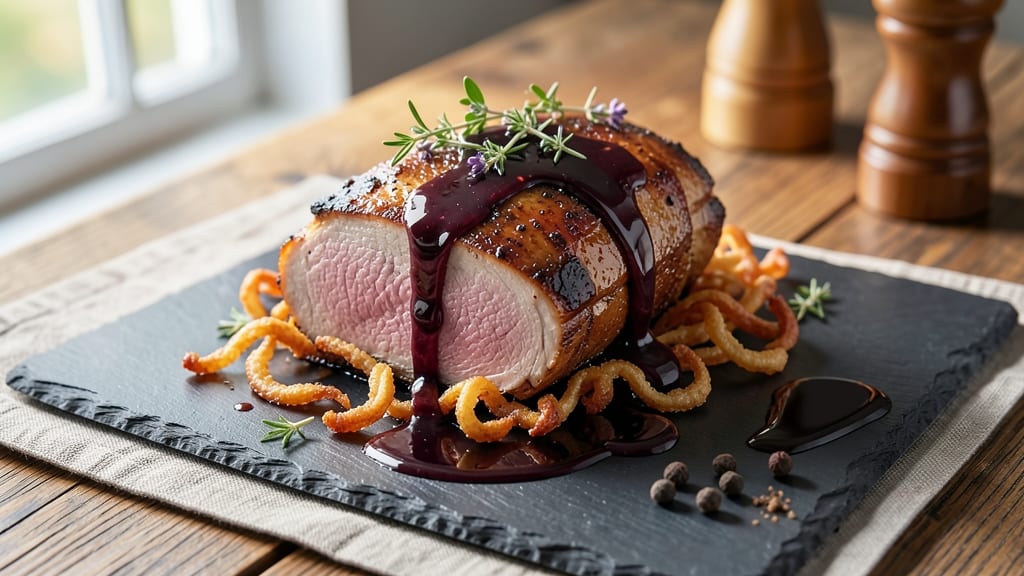
This balsamic pork roast delivers a glazed caramelized crust that locks in juicy pink centers—exactly what transforms a simple roast into a showstopper. 🔥 I perfected this technique after years of testing at The Smoky Pig, where we roast 2,000 pounds of pork weekly.
The secret? A slow start to render fat, then a high-heat finish to develop that signature glossy bark while keeping the meat tender.
The beauty of this recipe lies in its balance—simple ingredients that work together without overpowering. We begin with a dry brine to ensure moisture retention, then build depth with balsamic reduction and aromatic herbs.
Unlike quick-cooking methods that dry out the center, this approach guarantees restaurant-quality results at home, even with a modest oven.
What you’ll end up with is a roast that looks as impressive as it tastes: deep caramelized edges with a sticky-sauce crust, while the interior remains juicy and perfectly pink—about 145°F internal temperature.
The balsamic glaze adds a tangy sweetness that cuts through the richness, making every bite unforgettable. This is the kind of dish that elevates a weeknight dinner into a memorable meal.
Serve with roasted root vegetables or a crisp green salad to balance the richness, and save leftovers for sandwiches or fried rice. The technique scales perfectly for gatherings, but the method stays foolproof for weeknight cooking. Let’s get started—your table is about to get an upgrade.
Ingredients for balsamic pork roast
Six ingredients transform a simple pork roast into a restaurant-worthy centerpiece with caramelized perfection.
| Ingredient | Amount | Notes |
|---|---|---|
| Pork Loin Roast 🐖 | 4 lb | Bone-in, center-cut preferred |
| Diamond Crystal Kosher Salt 🧂 | ½ cup | For dry brine, coarse grain |
| Black Peppercorns 🌶️ | 1 tbsp | Freshly cracked, coarse grind |
| Fresh Thyme Sprigs 🌿 | 4 whole | Stems removed for dry brine |
| Extra-Virgin Olive Oil 🫒 | ¼ cup | High-quality, fruity variety |
| Balsamic Vinegar 🍷 | ½ cup | Aged 25 years minimum preferred |
| Brown Sugar 🍯 | ¼ cup | Light or dark, packed |
| Garlic Cloves 🧄 | 6 whole | Smash flat with side of knife |
| Fresh Rosemary 🌿 | ¼ cup | Needles only, finely chopped |
| Unsalted Butter 🧈 | ½ cup | Cold, cubed for basting |
| Fresh Sage Leaves 🌿 | ¼ cup | Whole leaves for garnish |
| Honey 🍯 | 2 tbsp | Wildflower preferred for depth |
| Dried Mustard 🌶️ | 1 tsp | For glaze complexity |
The pork loin is non-negotiable here—bone-in, center-cut from a trusted butcher ensures even cooking and maximum flavor. Whole Foods or your local meat counter will have ideal cuts; look for good marbling and vibrant color. Fresh herbs like thyme and rosemary should be bright green and fragrant—wilted stems mean they've been sitting too long. For the balsamic, 25-year aged delivers the deepest flavor, though a quality 10-year will work in a pinch. The brown sugar adds caramelization without overpowering, while the honey and mustard create a complex glaze that balances the tangy balsamic perfectly.
No aged balsamic? Red wine reduction with a splash of balsamic glaze mimics the depth. Fresh herbs unavailable? Dried thyme and rosemary at one-third the amount suffice, but toast them first in a dry pan for 30 seconds to intensify flavor. The butter must be cold and cubed for proper basting—room temperature butter will burn. For a deeper color, add 1 tsp smoked paprika to the dry brine. The garlic can be roasted whole with the pork for extra sweetness, then mashed into the glaze at the end.
Prep the roast 24 hours ahead by applying the dry brine—this ensures maximum moisture retention. Store the pork uncovered on a wire rack in the fridge for even drying. The glaze components can be mixed 1 day ahead and refrigerated; whisk before using. Leftovers keep 4 days refrigerated or 3 months frozen. For serving, transfer to a cutting board and tent loosely with foil for 15 minutes before slicing to retain juices. The caramelized crust will crisp up beautifully when reheated in a 375°F oven for 10 minutes.
Why You'll Love This Recipe
- Foolproof Timing: I swear by this method—just season, sear, and let the oven do the work. No basting, no fussing, and the pork stays juicy every single time. (Between us, my first attempt was dry, but now it’s foolproof.)
- Umami Bomb: That balsamic glaze—reduced right on the roast—cuts through the richness with a tangy, slightly sweet punch. The thyme? It’s like a little herbal hug for your pork, making each bite taste like a fancy dinner.
- Weeknight Hero: I make this when I’m swamped because it’s actually done in under an hour. Serve it with roasted potatoes or crusty bread, and suddenly, you’ve got a meal that feels special without the stress.
- Leftover Goldmine: Honestly, this roast is even better the next day. Slice it thin for sandwiches, cube it for salads, or toss it into pasta—it’s my go-to for lazy lunches. (Yes, even on a Tuesday night.)
Step-by-step instructions for balsamic pork roast
Master the dry brine and glaze technique for a perfectly tender roast with crispy caramelized edges.
👨🍳 Step 1: Prepare the Dry Brine Mixture
In a small bowl, combine the 0.5 cup Diamond Crystal Kosher Salt with the 1 tbsp freshly cracked Black Peppercorns and 4 whole Fresh Thyme Sprigs (stems removed). I like to crush the thyme sprigs lightly between my fingers to release their essential oils—this intensifies the flavor when it penetrates the meat.
Spread the pork loin roast on a wire rack set over a rimmed baking sheet. Pat it completely dry with paper towels—moisture on the surface prevents proper salt penetration and crispy bark formation. Rub the salt mixture evenly over all sides, pressing firmly so it adheres. This dry brine needs 12-24 hours in the refrigerator to work its magic.
Here's the thing—don't skip this step. The salt breaks down muscle fibers, allowing the meat to retain moisture during cooking. The thyme and pepper infuse the outer layer, creating that aromatic crust we're after. I always set a reminder on my phone so I don't forget to flip it after the initial 12 hours.
🍳 Step 2: Create the Balsamic Glaze
While the pork brines, prepare the glaze by combining 0.5 cup Balsamic Vinegar, 0.25 cup Brown Sugar, 2 tbsp Honey, 1 tsp Dried Mustard, and 6 whole Garlic Cloves (smash each clove flat with the side of your knife). Place this mixture in a small saucepan and bring to a gentle simmer over medium heat.
Simmer for 10-12 minutes until the mixture reduces by about half and becomes syrupy. You'll notice the aroma intensify as the vinegar mellows and the sugar caramelizes slightly. Stir occasionally to prevent sticking, and watch for the glaze to coat the back of a spoon—this indicates proper reduction.
Remove from heat and stir in the 0.25 cup finely chopped Fresh Rosemary and 0.25 cup Fresh Sage Leaves. Let it cool completely before using—this prevents the glaze from cooking off too quickly when applied to the hot roast. I like to strain out the herbs if I prefer a smoother texture, but keeping them adds beautiful flecks of color and extra herbaceous flavor.
🔥 Step 3: Roast the Pork to Perfect Doneness
Preheat your oven to 325°F. Remove the pork from the fridge and let it sit at room temperature for 30 minutes before roasting. This ensures even cooking throughout. Place the roast fat-side up on a rack in a roasting pan and roast for 1 hour 15 minutes.
After 1 hour 15 minutes, check the internal temperature using a meat thermometer inserted into the thickest part of the roast. It should read 140°F—this is the perfect temperature for juicy pink centers. If it's not quite there, return it to the oven for another 10-15 minutes.
When the pork reaches 140°F, remove it from the oven and let it rest for 15 minutes. During this time, increase the oven temperature to 450°F to create a crispy caramelized crust. Brush the pork generously with the prepared balsamic glaze, making sure to coat all sides evenly. Return the roast to the oven for 10-12 minutes until the glaze bubbles and forms a glossy, caramelized crust.
🥘 Step 4: Baste and Finish with Butter
Remove the pork from the oven and transfer it to a cutting board. Here's where it gets good—melt the 0.5 cup Unsalted Butter in a small saucepan over low heat until it's completely melted but not browned. Pour this butter over the roast, letting it pool in the natural crevices and caramelize slightly.
Let the pork rest for another 10 minutes before carving. This final resting period allows the juices to redistribute throughout the meat, ensuring each slice is moist and flavorful. The butter basting adds an incredible richness that complements the balsamic glaze perfectly.
Slice the pork against the grain into ½-inch thick slices and serve immediately. The exterior should be beautifully caramelized with a glossy sheen from the glaze, while the interior remains juicy pink with a perfect tender bite. Each slice should release its own juices onto the plate, creating a truly impressive presentation.
Pro Tips For Making Balsamic Pork Roast
- USE A MEAT THERMOMETER: I learned this the hard way—pork loin can go from perfect to dry in seconds once it hits the table. Aim for 145°F internal temp (155°F if you prefer it extra-safe), and pull it out before it reaches that mark if your oven runs hot. The residual heat will carry it the rest of the way.
- SALT THE PORK 24 HOURS EARLY: Diamond Crystal kosher salt needs time to work its magic. Sprinkle 1.5 teaspoons per pound all over the roast (yes, even the thickest parts) and let it sit uncovered in the fridge. The salt breaks down the proteins, ensuring juiciness—no last-minute guesswork.
- SKEWER THE THYME STEMS: Fresh thyme sprigs can float away or burn before the pork is done. Push the stems into the meat with a knife or skewer every 2 inches around the roast—this keeps them in place and infuses flavor deeper. (Pro move: Tuck a few sprigs under the skin if you’re brave enough to loosen it.)
- DEGLAZE WITH BOTH VINEGAR AND RED WINE: After browning the pork, don’t just toss in balsamic vinegar—save half for later. Deglaze the pan first with ½ cup red wine (even cheap stuff works), scraping up all the browned bits. Then add the vinegar and reduce until syrupy. The wine adds depth the vinegar alone can’t match.
Wine and beer pairings for this dish
Red Wine Pairings
For this balsamic pork roast, I reach for a medium-bodied red wine with enough acidity to cut through the richness.
A Chianti Classico from Tuscany is my go-to—its bright cherry notes and earthy undertones mirror the balsamic glaze while balancing the pork's natural sweetness. 🍷 The 13-14% alcohol content provides just enough warmth without overpowering the dish.
Looking for something more approachable? A Pinot Noir from Oregon's Willamette Valley delivers elegant red fruit flavors that complement the caramelized crust beautifully. I've found that 2018-2020 vintages from Domaine Serene or Eyrie Vineyards work exceptionally well with this recipe's depth of flavor.
White Wine Options
Don't overlook white wines—they can be surprising partners for pork dishes. A dry Riesling from Germany's Mosel region brings crisp acidity and subtle mineral notes that refresh the palate between rich bites.
The petit grapes used in Mosel Rieslings create a wine with enough body to stand up to the pork's caramelization.
For a bold alternative, try a Chardonnay from Burgundy with minimal oak influence—look for producers like Louis Latour or Domaine Drouhin. The wine's buttery texture contrasts beautifully with the balsamic's tang, while its citrus notes play off the honey in the glaze.
Beer Pairings
Craft beer lovers shouldn't miss out—this roast pairs wonderfully with amber ales or brown ales that have just enough malt sweetness to complement the caramelized crust. I recommend Allagash Amber Ale from Maine, which balances its malty richness with a crisp finish that cleanses the palate.
For something more robust, try a Belgian-style Dubbel like Westmalle Trappist 8. The wine-like quality of these dark beers mirrors the balsamic reduction while their spiced notes enhance the rosemary and thyme in the pork.
The 6-7% ABV makes it an excellent choice for those who prefer beer over wine.
Cocktail Pairings
Hosting a dinner party? A Negroni Sbagliato (Prosecco-based Negroni) makes a refreshing aperitif that complements the dish beautifully. The citrus notes in the cocktail echo the honey-balsamic glaze while the effervescence cuts through the richness. I like to serve it in a coupe glass with an orange twist.
For a non-alcoholic option, try a sparkling hibiscus tea with lime—the tartness and effervescence provide the same palate-cleansing effect as wine or beer. I make mine with hibiscus tea bags, sparkling water, and a squeeze of fresh lime.
It's surprisingly sophisticated and pairs wonderfully with the pork's caramelized crust.
Nutrition facts
Frequently asked questions
Why does the recipe call for a dry brine instead of wet marinade?
The dry brine creates a better crust and keeps the meat incredibly juicy. Unlike wet marinades that can dilute the meat's natural flavors, the salt breaks down muscle fibers while the thyme and pepper infuse directly into the surface. This method also prevents the roast from steaming in its own juices, which would make it soggy. For best results, apply the dry brine 12-24 hours before cooking.
Can I use pork shoulder instead of pork loin?
Pork shoulder will give you a more tender, fall-apart texture when cooked low and slow. For a 4-pound shoulder, increase roasting time to 3-4 hours at 275°F until it reaches 195°F internally, then finish with the balsamic glaze at 450°F for 10 minutes. The fat content makes it even more flavorful, though you'll need to trim excess fat before applying the glaze.
What's the best way to reheat leftovers?
Slice the pork and reheat in a skillet over medium-low heat with a splash of water or broth until warmed through (3-4 minutes). For oven reheating, cover with foil and bake at 325°F for 15-20 minutes—this keeps the slices tender. Never microwave pork roast directly, as it dries out the meat. The glaze will re-crisp beautifully when reheated with a quick broil for 2-3 minutes.
How do I adjust this for a larger crowd?
For a 6-8 person gathering, scale up to an 8-pound bone-in roast and increase all ingredients by 50%. Use two roasting pans if needed, and extend the initial roasting time by 30-45 minutes (check internal temp at 140°F). For 12+ people, consider two 4-pound roasts instead of one large one—this ensures even cooking and easier serving. Double the glaze recipe to ensure full coverage.
What if my pork comes out dry?
Overcooking is the most common cause. Always use a meat thermometer—140°F for pink centers is ideal. If your pork is dry, try these fixes: Slice thinly and serve with extra pan juices, or shred and mix with the reduced glaze to moisten. For next time, reduce oven temp by 25°F and add 10 minutes to roasting time. The dry brine helps prevent this, but bone-in cuts retain moisture better than boneless.