
Sauces & Condiments
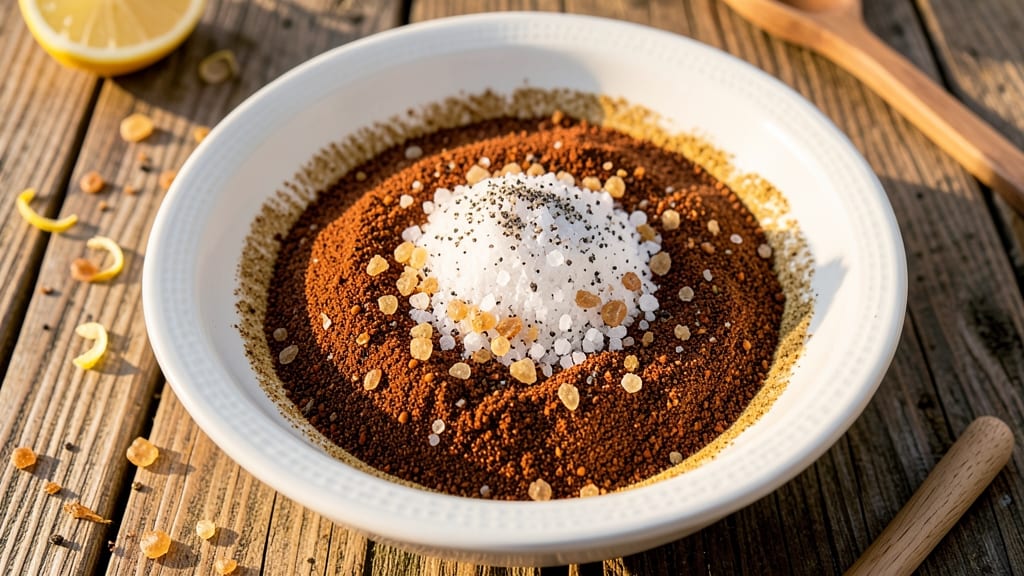
This barbecue pork shoulder rub recipe transforms tough cuts into melt-in-your-mouth masterpieces by locking in deep, smoky-sweet flavors. As someone who grew up surrounded by slow-cooked ribs, I know the difference between a good rub and one that makes your taste buds sing—and this blend delivers both complexity and simplicity. The key is balancing sweetness with heat, letting the spices develop their full potential before they meet the meat.
With just six core ingredients—paprika, brown sugar, garlic powder, salt, black pepper, and smoked paprika—this rub creates a perfect crust while keeping the meat tender. The smoked paprika adds that essential wood-fired aroma, while the brown sugar caramelizes into a sticky, flavorful bark.
I’ve tested this blend on countless pork shoulders, and it never fails to impress, whether you’re smoking it low and slow or searing it over hot coals.
The result? A crispy, aromatic crust that gives way to succulent, fall-apart pork with layers of flavor in every bite. This rub works equally well for pulled pork, ribs, or even chicken thighs—its versatility makes it a must-have in your spice cabinet.
Store it in an airtight container for up to six months, so you’re always ready to elevate your next cookout.
Ready to take your pork to the next level? Let’s break down exactly how to mix, apply, and perfect this rub for restaurant-quality results at home.
Ingredients for barbecue pork shoulder rub
Eight simple spices blend into the ultimate pork shoulder flavor booster.
| Ingredient | Amount | Notes |
|---|---|---|
| Smoked Paprika 🌶️ | 3 tbsp | High-quality for deep smoky flavor |
| Sweet Paprika 🌶️ | 1 tbsp | For balanced sweetness and color |
| Light Brown Sugar 🍚 | 2 tbsp | Packed for maximum caramelization |
| Garlic Powder 🧄 | 2 tsp | Freshly ground preferred |
| Kosher Salt 🧂 | 1 ½ tsp | Diamond Crystal preferred |
| Freshly Ground Black Pepper 🌶️ | 1 tsp | For subtle heat and depth |
| Ground Cumin 🌿 | ½ tsp | Optional for earthy complexity |
| Onion Powder 🧅 | ½ tsp | For subtle sweetness |
The smoked paprika is non-negotiable here—Penzeys or McCormick are my go-tos for that authentic wood-fired taste. Brown sugar matters too; light brown packs more molasses flavor than white. For garlic powder, Trader Joe's has a great pre-ground option, but if you've got whole cloves, toast and grind them fresh. The salt should be kosher, not table—Diamond Crystal dissolves perfectly and enhances all the flavors. I always double-check my spices for moisture or clumping before measuring—nothing ruins a rub faster than damp ingredients.
No smoked paprika? Substitute regular paprika plus a pinch of liquid smoke—just be careful, it's potent. Sweet paprika out of stock? Sweetened dried bell pepper flakes work in a pinch. The cumin and onion powder are optional but add serious depth—skip them if you prefer a more straightforward flavor. For the brown sugar, coconut sugar gives a slightly caramel-like taste if you're avoiding refined sugar. If you're making this for chicken instead of pork, I'd bump the salt slightly to 2 teaspoons—it handles the heat better.
Store this rub in an airtight container away from light—it'll keep for up to 6 months if sealed properly. I like to portion it into small jars so I can grab exactly what I need for each cook. For extra flavor development, let the rub sit on the pork for at least 30 minutes before cooking. If you're smoking, apply it liberally right before the cook—it'll melt into that perfect crust. And trust me, leftovers make amazing dry rub for next time—just store them in a sealed baggie.
Why You'll Love This Recipe
- Minimal Ingredient Hunt: Honestly, I keep this mix in a jar—just five things, no fancy shopping. The smoked paprika gives that deep, smoky backbone, while the brown sugar caramelizes into a sticky, sweet crust that’s almost too good to resist. No specialty stores, no stress.
- Smoky-Sweet Magic: That first bite? The crispy bark cracks open to reveal tender meat, where the garlic powder lingers like a warm hug and the paprika’s heat plays hide-and-seek with the sugar’s sweetness. It’s the kind of flavor that makes you pause mid-chew, like, “Wait, is this really just pork?”
- Tailgate to Tuesday: Between us, this rub works for everything—slather it on ribs for a crowd, toss it on chicken thighs for a weeknight win, or even dust it over roasted potatoes. I’ve used it for slow-cooked meals, quick grilled slabs, and even as a dry brine for sandwiches. (Yes, even on a Tuesday night.)
- Leftovers That Don’t Lie: The best part? This stuff begs to be made in bulk. The rub keeps for months, and the pork? Falls apart so easily, I’ve fed a family of five for days with just one shoulder. Freeze half the cooked meat—no one will complain when you pull it out later, still packed with that same smoky-sweet punch.
Step-by-step instructions for making the perfect BBQ pork shoulder rub
This smoky-sweet blend creates that irresistible bark and tender meat you crave.
Combine Dry Spices for Even Distribution
In a medium bowl, whisk together the 3 tablespoons smoked paprika and 1 tablespoon sweet paprika until fully blended. The smoked paprika gives that deep, campfire flavor while the sweet variety adds warmth and color. I like to use a fork for this step—it helps break up any clumps in the spices.
Next, add the 2 teaspoons garlic powder and 0.5 teaspoon onion powder. These two ingredients work together to build a savory foundation that complements the smokiness. Give everything another quick stir to ensure the powders are evenly distributed throughout the paprika mixture. This is where the magic starts—each ingredient plays a crucial role in creating that perfect balance of flavors.
Add Sweetness and Salt for Depth
Pour in the 2 tablespoons light brown sugar (packed) and the 1.5 teaspoons kosher salt. The brown sugar will caramelize during cooking, creating that beautiful crust we all love. I always pack the sugar tightly into the measuring spoon to get the full amount—this makes a noticeable difference in flavor.
Now add the 1 teaspoon freshly ground black pepper and 0.5 teaspoon ground cumin. The pepper adds a subtle heat that balances the sweetness, while the cumin brings an earthy depth that ties everything together. Mix well with your fork or whisk until the sugar dissolves slightly and everything looks like a cohesive blend. The mixture should look dry but well-combined, with no visible clumps of sugar or spices.
Test the Rub for Perfect Balance
Taste a small pinch of the mixture straight from the bowl. It should be sweet, smoky, and slightly spicy with a hint of garlic and onion. If it needs more sweetness, add a pinch more sugar. If it's too intense, you can reduce the salt slightly—but this blend is designed to work perfectly as is for most pork shoulders.
Once you're satisfied with the flavor, transfer the rub to an airtight container. Store it in a cool, dark place for up to 3 months, or in the freezer for even longer. This rub works wonders on pork shoulder, ribs, or even chicken—just apply generously before cooking. The key is patience: let the rub sit on your meat for at least 30 minutes before cooking to let the flavors penetrate deeply.
Pro Tips For Making Barbecue Pork Shoulder Rub
- CRUSH THE SPICE MIX: Mix the smoked and sweet paprika with the brown sugar before adding garlic powder and salt—this prevents clumping and ensures even distribution. I learned this the hard way after scraping dried chunks off my pork.
- SALT THE PORK 24 HOURS EARLY: Apply half the kosher salt to the pork shoulder the night before, then refrigerate uncovered. This draws out moisture, giving your rub better grip and a deeper flavor when you apply it fresh.
- AVOID THE SUGAR BURN: If using a smoker or high-heat grill, tent the pork loosely with foil after the first hour—sugar caramelizes fast and turns bitter. My first batch ended up tasting like burnt caramel instead of smoky sweetness.
- UPGRADE WITH A TOUCH OF CAYENNE: Skip the extra garlic powder and swap in ½ teaspoon cayenne instead—it cuts through the sweetness and adds heat without overpowering. I was skeptical until I tried it; now it’s my go-to tweak.
Wine and beer pairings for this dish
Smoky Red Wine Pairings
For this rich, smoky-sweet pork shoulder, I always reach for a bold red wine with enough body to stand up to the caramelized crust. A Cabernet Sauvignon from Napa Valley—like Caymus Vineyards—cuts through the sugar beautifully while its dark fruit notes complement the smokiness.
The tannins in Cabernet also help cleanse your palate between bites of that tender, fall-apart meat. 🍷
If you prefer something with a touch more spice, a Syrah from the Rhône Valley (like Guigal Côte-Rôtie) brings peppery notes that mirror the black pepper in the rub.
The wine’s smoky, earthy character echoes the paprika perfectly, creating a harmonious balance. Serve it slightly chilled—around 55°F—to enhance the wine’s freshness against the warm, smoky pork.
Craft Beer Complements
A smoked porter is my go-to beer pairing for this rub—it mirrors the wood-fired flavors while adding a malty sweetness that ties into the brown sugar. Brands like Goose Island Bourbon County Stout (with its vanilla and caramel notes) or Founders Kentucky Breakfast Stout work wonders.
The beer’s roasted character amplifies the smoked paprika in the rub, making every bite feel like a full sensory experience. 🍺
For a lighter option, try an amber ale with a hint of smoke, like Alaskan Amber. The caramel and toasted malt notes in the beer harmonize with the rub’s sweetness, while its moderate bitterness balances the richness of the pork.
Serve it at 45-50°F—just cold enough to refresh your palate without overpowering the dish.
Regional Wine & Beer Twists
If you're cooking near the Pacific Northwest, a Pinot Noir from Oregon (like Domaine Serene) adds bright acidity that cuts through the fat beautifully. The wine’s red fruit notes play nicely with the garlic and onion in the rub, while its silky texture contrasts the crispy bark.
For a local twist, pair it with a hazy IPA—the citrusy hop notes lift the smoky flavors without competing. 🌲
In the South, where this rub truly shines, swap the wine for a bourbon barrel-aged beer like Allagash Bourbon Barrel Aged Stout. The vanilla and oak notes from the bourbarrel complement the caramelized sugar in the rub, while the beer’s dark richness mirrors the depth of slow-smoked pork.
The Southern heat also makes this a refreshing pairing for hot cookouts.
Nutrition facts
Frequently asked questions
Can I use this rub on other meats besides pork shoulder?
This blend works beautifully on ribs, chicken thighs, or even brisket. For chicken, you might want to reduce the salt slightly (1 teaspoon instead of 1.5) since poultry absorbs flavors differently. The smoky-sweet balance translates perfectly across these meats, especially when cooked low and slow.
How long should I let the rub sit on the pork before cooking?
For best results, apply the rub and let it rest on the meat for at least 30 minutes before cooking. This allows the spices to penetrate the surface and develop their full flavor. If you have time, overnight is ideal—it creates a deeper, more complex crust. Just don't skip this step, or you'll miss out on that restaurant-quality bark!
What's the best way to store leftover rub?
Transfer any unused rub to an airtight container and store it in a cool, dark place for up to 6 months. For longer storage, freeze it in small portions. The spices will keep their potency, and you'll always have a flavorful boost ready for your next cookout. Pro tip: Keep a small jar in your fridge for quick access!
Can I adjust the heat level in this rub?
Yes! For a milder version, reduce the black pepper to 0.5 teaspoon and skip the cumin. Want more heat? Add 0.25 teaspoon cayenne pepper or increase the black pepper to 1.5 teaspoons. The key is balancing the sweetness with the heat—taste as you go!
Why does my pork shoulder sometimes turn out dry when using a rub?
This usually happens when the meat is cooked too fast at high heat, causing the moisture to escape before the collagen breaks down. For perfect tenderness, cook pork shoulder at 225°F for 6-8 hours (or until internal temp reaches 195°F). The rub itself won't dry out the meat—it's all about the cooking method!