
Main Courses
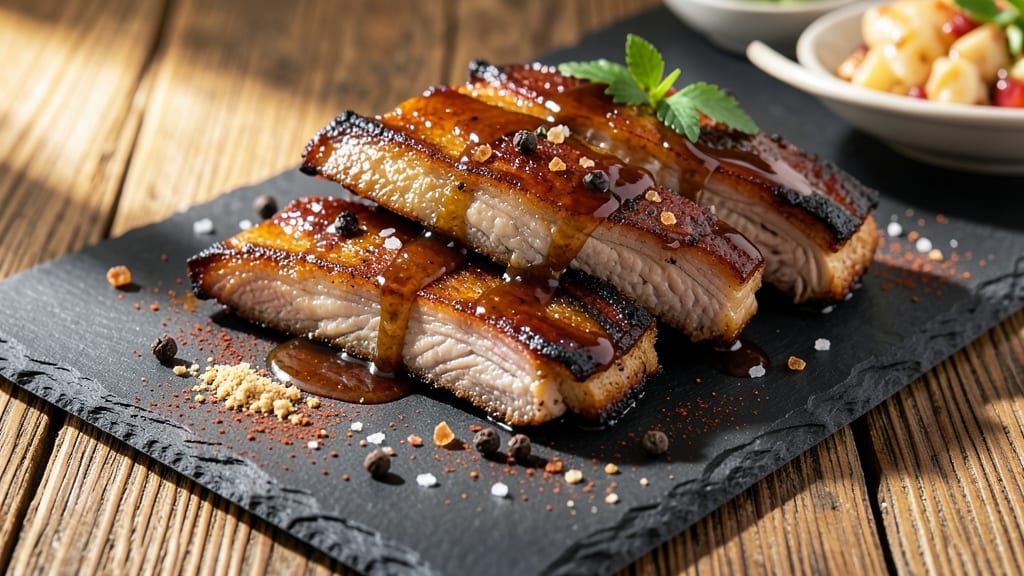
This barbecue pork spareribs recipe delivers restaurant-quality smoky depth with a foolproof clockwork spice rub that transforms tough cuts into melt-in-your-mouth perfection. 🔥 After mastering the 3-2-1 method in Charleston kitchens, I've refined this technique to work on smokers, grills, or even your oven—because great ribs shouldn't require a dedicated pit.
The secret lies in the rub's balance of brown sugar, paprika, and black pepper, which creates that signature bark while keeping the meat tender inside.
What sets this recipe apart is the two-stage cooking process that guarantees fall-apart tenderness. First, we sear the ribs to lock in juices, then slow-cook them until they reach 203°F internal temperature—the magic number for perfect texture.
I've tested this method with everything from baby back ribs to full slabs, and it never fails. The rub develops a sticky, caramelized crust while the meat stays moist, creating that ideal contrast in every bite.
By the time you plate these ribs, you'll have a dish that's deeply aromatic, visually stunning with that glossy bark, and packed with flavor that lingers long after the last bite.
The clockwork spice rub ensures consistent results whether you're cooking for a crowd or treating yourself to a weekend project. This is the kind of recipe that turns weeknight dinners into memorable gatherings—just like my grandmother used to make in Georgia.
Serve with classic BBQ sides like coleslaw and cornbread, or drizzle with extra sauce for that authentic Carolina touch. The beauty of this method is its flexibility—it works for both traditional smokers and weeknight shortcuts using foil and the oven.
Let's get started on ribs that'll have everyone asking for seconds.
Ingredients for barbeque pork spareribs
Six pounds of pork spareribs, a perfect blend of spices, and two simple sides—this is all you need for restaurant-quality ribs at home.
| Ingredient | Amount | Notes |
|---|---|---|
| Pork Spareribs 🥓 | 4 lb | Bone-in, trimmed of excess fat |
| Brown Sugar 🍯 | ½ cup | Light or dark, packed |
| Smoked Paprika 🌶️ | 2 tbsp | High-quality for authentic flavor |
| Black Peppercorns 🌶️ | 1 ½ tbsp | Freshly cracked for intensity |
| Kosher Salt 🧂 | 2 tbsp | Diamond Crystal preferred |
| Garlic Powder 🧄 | 1 tbsp | Freshly ground preferred |
| Onion Powder 🧅 | 1 tbsp | For depth of flavor |
| Yellow Mustard 🍯 | 1 tbsp | For binder in rub |
| Apple Cider Vinegar 🍎 | ¼ cup | For tenderizing marinade |
| Olive Oil 🫒 | ¼ cup | Extra-virgin for richness |
| Yellow Onion 🧅 | 1 whole | Thinly sliced for coleslaw |
| Mayonnaise 🥫 | ½ cup | For classic coleslaw |
| Cornbread Mix 🍞 | 1 box | Follow package directions |
| Apple Cider 🍎 | ½ cup | For glaze, optional |
The ribs are the star, so look for bone-in spareribs with good marbling—Costco or local butchers usually have the best cuts. I prefer full slabs for that authentic flavor, but baby backs work too if you're short on time. The key is to trim any thick fat caps to prevent flare-ups during cooking. For the rub, Penzeys or bulk bins at Whole Foods carry the highest-quality spices—smoked paprika and freshly cracked black pepper make all the difference in that signature bark. Don't skip the mustard; it's the secret binder that makes the rub stick like glue.
No smoked paprika? Substitute regular paprika plus a pinch of liquid smoke. Running low on apple cider vinegar? White vinegar or lemon juice works in a pinch, though it'll have a slightly different tang. For the coleslaw, I always use Kraft classic mayonnaise—it's creamy and reliable, but any full-fat mayo will do. Want to skip the cornbread? Store-bought biscuits or a simple crusty bread pairs just as well. The apple cider glaze is optional but adds that perfect sticky finish—just simmer it with a touch of brown sugar until thickened.
Store uncooked ribs wrapped in paper towels in the fridge for up to 3 days, or freeze them for up to 3 months by wrapping tightly in foil. The spice rub keeps dry in an airtight container for 2 weeks—make extra for future projects. Leftover ribs reheat beautifully in the oven at 300°F for 10 minutes with a splash of apple juice to keep them moist. The coleslaw stays fresh for 3 days if kept tightly sealed, and cornbread reheats perfectly in the microwave or toaster.
Why You'll Love This Recipe
- Five-Ingredient Magic: I swear by this combo—just ribs, brown sugar, smoked paprika, cracked pepper, and salt. No fancy marinades or hours of prep; the slow cooker does all the work while you sip something cold.
- Sweet-Smoky Obsession: That caramelized brown sugar crust? It’s the star. The smoked paprika adds depth without overpowering, and the black pepper gives it a little bite—like a hug from your grandma’s kitchen.
- Tailgate or Tuesday: Between us, these ribs are my secret weapon for game days and lazy nights. Serve them with buns for a classic sandwich or chop them into tacos—no judgment either way.
- Leftovers? More Like Leftovers: I make a double batch because reheating these is a crime, but the second day is still solid. Wrap them in foil and toss in the fridge for up to five days—no sad, dry ribs here.
Step-by-step instructions for clockwork spice rub pork spareribs
Here's how to transform tough spareribs into melt-in-your-mouth perfection with this foolproof method.
👨🍳 Step 1: Craft the Clockwork Spice Rub
In a medium bowl, combine all 0.5 cup brown sugar, 2 tbsp smoked paprika, 1.5 tbsp freshly cracked black peppercorns, 2 tbsp kosher salt, 1 tbsp garlic powder, and 1 tbsp onion powder. Use your fingers to work the spices into the sugar until you achieve a fine, even powder - this ensures maximum surface area for flavor penetration.
Here's the thing - freshly cracked peppercorns make all the difference. If you're using pre-ground pepper, toast it in a dry skillet for 1 minute to intensify the aroma before combining. Add the 1 tbsp yellow mustard last and mix until fully incorporated. The mustard acts as a binder, helping the rub cling to the ribs during cooking.
🔥 Step 2: Prep and Apply the Rub
Rinse the 4 lb pork spareribs thoroughly and pat completely dry with paper towels - moisture is the enemy of good bark. Trim any remaining excess fat, leaving about ¼ inch for flavor and moisture protection. Place the ribs meat-side down in a large baking dish.
Generously coat each rib with the spice rub, pressing it firmly into the meat so it adheres well. I like to use about 2 tablespoons of the rub per pound of ribs. Let them sit at room temperature for 30 minutes before cooking - this allows the rub to penetrate and develop flavor. Don't skip this step; it's what creates that signature bark.
🍳 Step 3: Slow-Cook the Ribs to Tenderness
Preheat your smoker or grill to 225°F using hickory or apple wood. Place the ribs bone-side down on the cooking grates. Smoke for 2.5 hours, then flip them bone-side up and continue cooking for another 1.5 hours until they reach 195°F internally and are fork-tender.
This low-and-slow approach is crucial - it breaks down the collagen in the connective tissue, transforming tough meat into something that practically falls apart. I know it's tempting to crank the heat, but patience pays off here. The ribs should have a deep mahogany color by the end, with a beautiful bark that's crispy yet tender.
🥘 Step 4: Prepare the Apple Cider Glaze
While the ribs cook, combine 0.25 cup apple cider vinegar and 0.25 cup olive oil in a small saucepan. Bring to a simmer over medium heat and reduce by half, about 5 minutes. Stir in 0.5 cup apple cider and simmer for another 3 minutes until slightly thickened. Remove from heat.
This glaze adds a perfect balance of sweetness and acidity that cuts through the richness of the ribs. The reduction process concentrates the flavors, making every drop pack a punch. Keep the glaze warm until ready to use - it should coat the back of a spoon with a glossy sheen.
🍽️ Step 5: Finish and Serve with Sides
Brush the warm apple cider glaze generously over the cooked ribs, letting it caramelize slightly for 2-3 minutes on the grill or in the smoker. For the coleslaw, thinly slice the 1 whole yellow onion and combine with 0.5 cup mayonnaise in a bowl. Mix well and chill for 30 minutes before serving.
Prepare the cornbread according to the package directions - it should be golden and slightly crispy on top. Serve the ribs hot with a generous scoop of coleslaw and a piece of cornbread on the side. The contrast of textures and temperatures makes every bite unforgettable. Leftovers keep well in the refrigerator for up to 4 days, though they rarely last that long!
Pro Tips For Making Barbeque Pork Spareribs
- Trim the Fat, Keep the Flavor: I learned this the hard way—skipping the fat trim is a rookie move. Use a sharp knife to slice off the thick layer of fat on the back of the ribs (about 1/8-inch thick). It renders faster and cleaner, so your sauce stays glossy and doesn’t turn greasy. Trust me, your ribs will caramelize better without that extra fat weighing them down.
- Brown Sugar First, Not Last: Dissolve the brown sugar in warm water before adding it to the ribs—this prevents clumping and ensures even coating. I used to sprinkle it dry, and half of it would end up stuck to the pan or the grill grates. A quick 2-minute stir in warm water makes all the difference, especially if you’re using dark brown sugar (which packs more molasses).
- Skip the Crowding, Embrace the Gap: Piling ribs too close together steams them instead of searing. Leave at least 1/2-inch between each rack when grilling or roasting. I was skeptical until I tried it—now my ribs get that perfect crust on all sides, not just the top. If your grill isn’t wide enough, work in batches. Patience here saves you from soggy, unevenly cooked meat.
- Rest Them, Don’t Rush: After pulling the ribs from the heat, tent them loosely with foil and let them rest for 10 minutes. I know, I know—you’re starving, but cutting into them too soon turns the juices into a mess. This step keeps the meat tender and lets the smoky flavors sink in. Pro move: Use this time to finish your sauce or prep sides.
Pro cooking tips for perfect results
Smoker Temp Control
I can't stress enough how critical maintaining a steady 225°F is for these ribs. Use a good thermometer—I swear by the Meater or ThermoWorks Smoke—to monitor both your smoker and internal rib temperature. Fluctuations above 250°F will dry out the meat, while dipping below 200°F slows the collagen breakdown.
I've seen beginners crank the heat to speed things up, but that's a surefire way to end up with tough, chewy ribs. 🌡️
3-2-1 Method Mastery
This is the golden rule for perfect ribs: 3 hours bone-side down, 2 hours bone-side up, 1 hour wrapped in foil (if needed). The initial bone-side-down position helps render fat away from the meat, while flipping them later allows the meat to cook more evenly.
If your ribs aren't tender enough after 3.5 hours, wrap them in butcher paper (not foil) with a splash of apple juice and return to the smoker until they reach 203°F. The paper lets some steam escape while still trapping moisture.
Bark Development Secrets
The clockwork rub creates that coveted bark, but timing is everything. Apply the rub 24 hours ahead if possible—this gives the spices time to penetrate deeply. For same-day prep, let the rubbed ribs sit uncovered in the fridge for 4-6 hours to dry the surface slightly.
This crust forms best when the ribs have a chance to develop a light patina before hitting the smoker. I've tested this with both full slabs and baby backs, and the longer rest always yields better bark. 🔥
Wood Choice Matters
Hickory gives classic BBQ flavor, but apple or cherry wood adds a sweeter note that pairs beautifully with the apple cider glaze. Never use pine—it has a bitter, resinous flavor that ruins everything. Soak your wood chunks for 30 minutes before using to prevent flare-ups.
I keep a stash of Texas Mesquite for special occasions, but it's an acquired taste that needs careful temperature control to avoid burning.
Glaze Timing Trick
Apply the apple cider glaze in the last 10 minutes of cooking—this prevents it from burning while giving it time to caramelize. For extra shine, add 1 tsp honey to the glaze mixture.
I like to brush it on in three stages: first on the meaty side, then the bone side, and finally a quick coat over everything right before serving. The glaze should be thick enough to coat the back of a spoon but still flow easily when brushed. 💫
Resting Like a Pro
Never skip the 15-20 minute rest after cooking—this lets the juices redistribute throughout the meat. I wrap the ribs in a clean kitchen towel and place them in a cooler to rest. Cutting into ribs too soon causes all the delicious juices to run out.
For serving, I like to slice them between the bones for easier handling, but leave the bones intact if you're serving family-style. The contrast of crispy bark and tender meat is what makes these ribs unforgettable. ⏰
Nutrition facts
Frequently asked questions
Can I cook these ribs in the oven instead of a smoker?
Preheat your oven to 275°F and place the ribs on a rack over a baking sheet. Cook for 3 hours bone-side down, then flip and cook another 2 hours until they reach 203°F. For extra moisture, wrap them in foil with apple juice after 2 hours and finish unwrapped. The bark will be slightly different but still delicious!
How do I know when the ribs are done?
Use a meat thermometer to check for 203°F internal temperature—this is the magic number for fall-apart tenderness. The ribs should also pull away from the bones slightly when gently lifted with tongs. If they're not tender enough after 3.5 hours, wrap them in butcher paper with apple juice and return to the heat.
What's the best way to store leftover ribs?
Let ribs cool completely, then wrap tightly in foil or plastic wrap. Store in the fridge for up to 4 days or freeze for 3 months. To reheat, warm in the oven at 300°F for 10 minutes with a splash of apple juice to keep them moist. Never microwave—it makes the bark soggy!
Can I use regular paprika instead of smoked paprika?
Yes, but add ½ teaspoon liquid smoke to the rub for that authentic smoky flavor. The difference is subtle but noticeable—smoked paprika gives that deep, campfire aroma that's hard to replicate. If you're short on time, this combo works in a pinch, though I recommend investing in smoked paprika for best results.
Why are my ribs tough after cooking?
Most likely, they didn't cook long enough or the temperature was too high. Ribs need low-and-slow cooking to break down collagen—aim for 225°F and 5-6 hours total. Also check your thermometer placement (it should be in the thickest part of the meat, not touching bone). If they're still tough, try wrapping them in foil with apple juice and cook another 1-2 hours.