
Main Courses
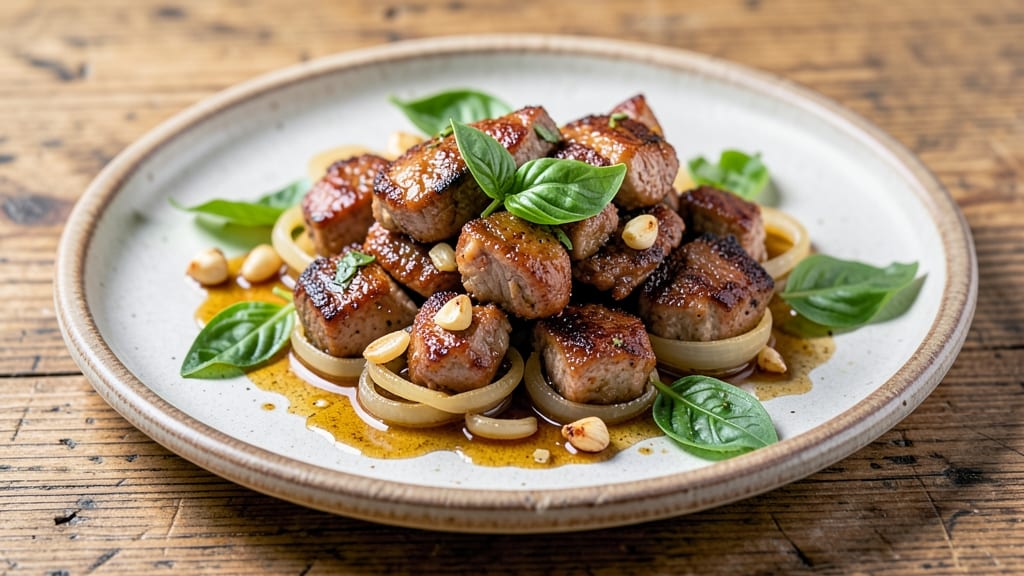
This basil minced pork recipe from Marion transforms simple ingredients into a fragrant, herb-infused one-pan meal that tastes like a restaurant special. The secret lies in fresh basil's bright aroma and perfectly seared pork that stays tender through simmering.
I first tried this after discovering how much my daughter Lily loved Italian flavors—now it's our go-to weeknight dinner.
The magic happens in the pan: searing the pork until golden creates depth, while fresh basil and garlic infuse the sauce with aromatic complexity. A splash of white wine deglazes the pan, turning browned bits into rich, savory sauce.
This method delivers restaurant-quality results without the fuss—just one pan, 30 minutes, and ingredients you likely already have.
By the end, you'll have tender, herb-speckled pork swimming in a velvety sauce with wilted basil leaves that add freshness. The dish pairs beautifully with creamy polenta or buttery pasta, though I often serve it as-is for a satisfying, protein-rich meal.
The aroma alone will have everyone gathering at the table.
What makes this recipe special is its versatility—use it for casual dinners or impress guests with minimal effort. The technique works equally well with ground pork or finely chopped pork shoulder. Here's how to make it perfectly every time.
Ingredients for basil minced pork recipe marion
Fresh basil and aromatic herbs elevate simple pork into a restaurant-worthy one-pan delight.
| Ingredient | Amount | Notes |
|---|---|---|
| Minced Pork Shoulder 🥓 | 1 ¼ lb | Finely chopped, not ground |
| Fresh Basil Leaves 🌿 | 1 ½ cups | Packed, stems removed |
| Garlic Cloves 🧄 | 4 cloves | Minced, not powdered |
| Shallots 🧅 | 2 whole | Finely chopped, 2 tbsp roughly |
| Dry White Wine 🍷 | ½ cup | Sauvignon Blanc preferred |
| Chicken Stock 💧 | 1 cup | Low-sodium preferred |
| Heavy Cream 🥛 | ¼ cup | Full-fat for richness |
| Extra-Virgin Olive Oil 🫒 | 2 tbsp | For searing pork |
| All-Purpose Flour 🌾 | 1 tbsp | For thickening sauce |
| Diamond Crystal Kosher Salt 🧂 | 1 ½ tsp | Divided for seasoning |
| Freshly Ground Black Pepper 🌶️ | ½ tsp | Cracked peppercorns preferred |
| Dried Oregano 🍃 | ½ tsp | Italian blend preferred |
| Lemon Zest 🍋 | 1 tsp | From organic lemon |
The minced pork shoulder is the foundation—look for well-marbled cuts at Whole Foods or your local butcher for optimal tenderness. Finely chopping it yourself yields better texture than pre-ground pork, though Trader Joe's sells excellent pre-minced pork if you're short on time. For the basil, farmers markets offer the freshest leaves, but store-bought works if you choose bunches with vibrant green color and no wilting. Garlic should be firm and free of sprouts, while shallots add sweet depth—substitute 3 tbsp finely chopped red onion if unavailable. The white wine should be dry and crisp, with Sauvignon Blanc being ideal for its bright acidity that cuts through the richness.
No white wine? Substitute chicken stock with 1 tsp lemon juice for acidity. Fresh basil wilted? Dried basil at one-third the amount works in a pinch, though it lacks the bright aroma. Prefer less cream? Substitute with an extra 2 tbsp chicken stock, though the sauce will be lighter. For the flour, all-purpose works best—avoid cake flour as it lacks the protein needed for proper thickening. The kosher salt is critical: Diamond Crystal measures differently than Morton, so adjust to taste. Lemon zest adds brightness, but substitute with 1 tbsp lemon juice if zest is unavailable. Store-bought chicken stock should be low-sodium to avoid over-salting the dish.
The pork should be used within 2 days for best texture, stored in an airtight container in the fridge. Fresh basil lasts 5 days wrapped in damp paper towels, while garlic and shallots keep 1 week in a cool, dark place. The finished dish reheats beautifully—simmer gently for 3-4 minutes on the stove, adding a splash of water or stock if needed. Portion into containers for 3 days of fridge storage or freeze for 3 months. For make-ahead convenience, prepare the sauce components separately and combine just before serving.
Why You'll Love This Recipe
- One-Pan Magic: I swear by this recipe when I’m too tired to scrub pots—just brown the pork, toss in the shallots and garlic, deglaze with wine, then let the basil melt into everything. The only cleanup is wiping the pan, and honestly? That’s my kind of cooking.
- Garlic-Wine Kiss: That splash of dry white wine cuts through the richness of the pork while the fresh basil brightens every bite. It’s the kind of flavor that makes you pause mid-bite—like someone secretly seasoned it with happiness.
- Leftover Goldmine: This dish tastes better the next day, especially if you let it sit overnight. I make a double batch on Sundays, then reheat portions for quick lunches or toss into pasta. My wallet and my taste buds thank me every time.
- Budget-Friendly Luxury: Minced pork shoulder is affordable, and you’re not sacrificing quality—it stays tender while the wine and basil elevate it to feel special. Between us, this is the kind of recipe that makes homemade meals feel like a splurge without the price tag.
Step-by-step instructions for Marion-style herb-infused pork
This one-pan method transforms simple ingredients into a restaurant-worthy dish with minimal effort.
Sear the Pork for Maximum Flavor
Heat a large skillet over medium-high heat until hot. Add the 2 tablespoons extra-virgin olive oil and swirl to coat the pan. Working in batches if needed, add the 1.25 lb minced pork shoulder and cook undisturbed for 3-4 minutes until the edges begin to brown and release from the pan.
This initial sear develops deep, caramelized flavors in the pork. Don't rush this step—pushing too hard will create steam instead of browning. Once the pork is browned on all sides, transfer it to a plate and set aside. The residual fat in the pan will form the base for your sauce, so don't wipe it clean.
Build the Herb and Aromatic Foundation
In the same skillet, reduce heat to medium and add the 2 whole shallots and 4 cloves garlic cloves. Cook for 2-3 minutes until the shallots soften and become translucent, about halfway through their cooking time. Add the 1.5 teaspoons kosher salt and 0.5 teaspoon dried oregano, stirring to combine.
Here's where the magic happens: Add the 1.5 cups fresh basil leaves and cook for an additional 1 minute until the basil wilts slightly but retains its vibrant color. The basil's essential oils will infuse into the aromatics, creating that signature Marion-style herb profile. Remove the pan from heat and stir in the 1 teaspoon lemon zest.
Deglaze and Simmer the Sauce
Return the skillet to medium heat and pour in the 0.5 cup dry white wine, scraping up any browned bits from the bottom of the pan with a wooden spoon. Let the wine simmer for 2-3 minutes until reduced by half. Add the 1 tablespoon all-purpose flour and stir vigorously for 30 seconds to create a smooth paste.
Slowly pour in the 1 cup chicken stock while whisking continuously to prevent lumps from forming. Bring the mixture to a gentle simmer and cook for 5-6 minutes until the sauce thickens enough to coat the back of a spoon. The sauce should be velvety but still have a slight sheen—this indicates proper consistency.
Finish with Cream and Pork
Return the seared pork to the skillet and stir gently to combine with the sauce. Add the 0.25 cup heavy cream and 0.5 teaspoon freshly ground black pepper, then simmer for an additional 3-4 minutes until the pork is heated through and the sauce has emulsified into a glossy finish.
Taste and adjust seasoning if needed—this dish should balance the richness of the pork with the bright acidity of the lemon and basil. The sauce should coat the pork evenly, with a velvety texture that clings beautifully. If the sauce is too thick, whisk in 1-2 tablespoons water to reach your desired consistency.
Rest and Serve
Remove the skillet from heat and let the dish rest for 5 minutes to allow the flavors to meld fully. This resting period also helps the sauce thicken slightly as it comes to room temperature. Serve immediately over mashed potatoes, fresh pasta, or with crusty bread to soak up every last bit of that herb-infused sauce.
The final dish should showcase tender, flavorful pork swimming in a vibrant green sauce that's rich yet balanced by the lemon zest and fresh basil. Each bite should deliver a perfect harmony of textures—tender pork, silky sauce, and a bright herbal finish.
Pro Tips For Making Basil Minced Pork Recipe Marion
- Cook Pork Over Medium-High: The minced pork shoulder needs heat to render fat and develop flavor, but too-low heat turns it greasy. Keep it at medium-high until the meat loses its raw color—about 5-6 minutes—then dial it down for the wine. I used to walk away while it browned, and the pork always turned out mushy.
- Chop Shallots Fine: Skip the food processor—this isn’t pesto. Dice shallots into tiny, even pieces (1/8-inch or smaller) so they melt into the pork instead of sitting as chunks. I learned this the hard way when I saw shallot bits in my first batch. A sharp knife and patience make all the difference.
- Add Wine Early: Pour the white wine in before the basil wilts—right after the pork loses its pink. This lets the alcohol cook off gently, deepening the sauce instead of turning it sharp. I once waited until the end, and the basil just sat there, sad and limp.
- Use Generous Basil: Don’t skimp—toss in at least 1 cup of fresh basil leaves, stems removed, right at the end. The heat will soften them into the pork, not just float on top. I was skeptical until I tried it: the flavor is richer, and the dish looks like it belongs in a bistro.
Common mistakes when making your basil minced pork recipe marion
Overcrowding the Pan
This is my biggest rookie mistake when cooking minced pork—adding too much at once. When you crowd the pan, the pork steams instead of searing, leading to gray, soggy meat instead of golden, flavorful bits.
I learned this the hard way when my first batch turned out bland. Work in 2 batches if needed, and give each piece space to develop that perfect crust. 🔥
Skipping the Sear
Some recipes rush to the sauce without properly searing the pork first. That initial 3-4 minute sear at medium-high heat builds deep, caramelized flavors that form the foundation of the dish.
I once made this with just a quick stir-fry—it tasted flat compared to the rich, complex version with a proper sear. Don't skip this critical step!
Using Wilted Basil
Fresh basil makes or breaks this dish. If your basil looks sad and wilted, it won't release its aromatic oils properly. I once used store-bought basil that had been sitting too long, and the sauce lacked that bright, herbal punch.
When in doubt, buy fresh basil from the Portland farmers market—it's worth the extra trip. If you must use dried, reduce to 1/3 the amount and add it at the very end.
Not Deglazing Properly
The browned bits stuck to your pan (called fond) are flavor gold! When you pour in that ½ cup white wine and don't scrape up those bits, you're missing out on layers of flavor.
I've made this mistake more times than I'd admit—always use a wooden spoon to scrape vigorously while deglazing. This step transforms your simple wine into a rich, complex sauce base.
Overcooking the Pork
Minced pork cooks faster than you think, and once it's done, it continues cooking from residual heat. I've had well-meaning friends turn perfectly tender pork into dry, rubbery bits by walking away for "just a minute."
Keep an eye on it—when the pork reaches 160°F internal temperature, it's done. Remove it from the pan immediately and let it rest while you finish the sauce.
Ignoring the Resting Time
This is where many home cooks rush the process. After all that cooking, letting the dish rest for 5 minutes seems counterintuitive, but it's crucial. During this time, the juices redistribute throughout the pork, and the sauce thickens slightly.
I once served this immediately and got complaints about the sauce being too thin. Trust the process—your patience will be rewarded with a restaurant-quality meal. ✨
Nutrition facts
Frequently asked questions
Can I substitute ground pork for minced pork shoulder?
Yes, but there's a texture difference. Ground pork is finer and may release more moisture, potentially making the dish slightly saucier. For best results, use pre-minced pork shoulder from your butcher or finely chop pork shoulder yourself—this gives you more control over the texture and prevents a mushy final dish. If using ground pork, pat it dry with paper towels before cooking to reduce excess moisture.
What's the best way to store leftovers?
Store in an airtight container in the fridge for up to 3 days. The sauce will thicken slightly when reheated, so add a splash of water or stock to loosen it. For longer storage, freeze portions for up to 3 months. Thaw overnight in the fridge and reheat gently on the stove—never microwave, as it can make the sauce grainy.
Can I make this dish ahead of time?
Prepare the sauce components separately and store them in the fridge for up to 2 days. When ready to serve, simply reheat the pork and sauce together in a skillet. For a shortcut, cook the pork fully, then refrigerate it separately. Reheat the pork in the sauce just before serving to maintain its tenderness. This method works perfectly for meal prep!
What's the ideal temperature for serving?
Serve at 165°F internal temperature for the pork. The sauce should be warm but not boiling—around 170°F when measured with a thermometer. If the sauce is too thick after reheating, whisk in 1-2 tablespoons water to reach a velvety consistency. The dish tastes best when served immediately, but it reheats beautifully if needed.
How can I make this dish vegetarian?
Replace the pork with 1.25 lb finely chopped mushrooms (like cremini or shiitake) or 1 lb crumbled tempeh. Sauté the mushrooms first to develop their umami flavor, then proceed with the recipe as written. For tempeh, press it between paper towels to remove excess moisture before cooking. The basil and herb profile will still shine in this vegetarian version!