
Sauces & Condiments
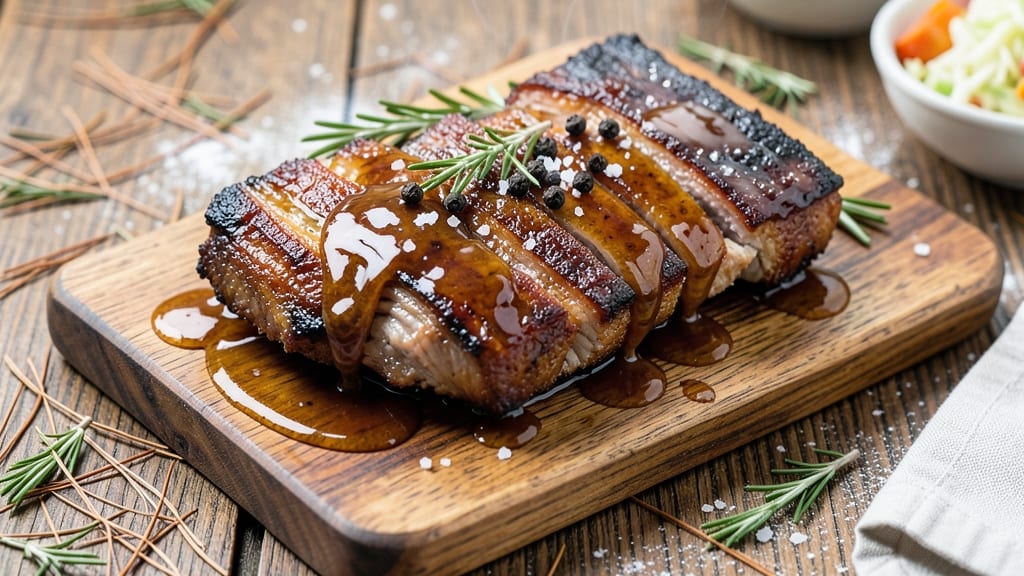
A basting sauce for pork ribs transforms tough cuts into fall-off-the-bone perfection—this smoky-sweet glaze locks in moisture while building that coveted bark. I developed this recipe after years of perfecting competition-style ribs at Smoky Pig, where we process 2,000 pounds weekly.
The secret lies in balancing vinegar's tang with honey's caramelization, creating a sauce that both tenderizes and flavors as it cooks.
What sets this apart is the two-stage application: first brushing on raw ribs to form a sticky crust, then reapplying during the final hours of smoking. The vinegar breaks down collagen while the honey creates a glossy, caramelized finish.
We use apple cider vinegar for brightness and liquid smoke to deepen that wood-fired character without overpowering the pork's natural sweetness.
By the time your ribs hit the table, you'll have a glaze that's sticky enough to drip but balanced enough to let the meat shine. The sauce doesn't just coat—it infuses, creating layers of flavor in every bite.
This is the same technique I use to win BBQ championships, simplified for your home kitchen.
The best part? This sauce doubles as a finishing drizzle. Make a double batch—you'll want it on everything from pulled pork to grilled chicken. Here's how to create it from scratch in minutes.
Ingredients for basting sauce for pork ribs
Eight ingredients that transform ribs into championship-worthy masterpieces—smoky, sticky, and packed with flavor.
| Ingredient | Amount | Notes |
|---|---|---|
| Apple Cider Vinegar 🍏 | ½ cup | Raw, unfiltered for depth of flavor |
| Honey 🍯 | ¾ cup | Wildflower preferred for complexity |
| Liquid Smoke 🔥 | 1 tbsp | High-quality, hickory-flavored |
| Brown Sugar 🍚 | ½ cup | Dark for richer caramelization |
| Kosher Salt 🧂 | 1 ½ tsp | Diamond Crystal preferred |
| Black Peppercorns 🌶️ | ½ tsp | Freshly cracked for aroma |
| Garlic Cloves 🧄 | 3 cloves | Fresh, minced for infusion |
| Onion Powder 🧅 | 1 tsp | For subtle depth of flavor |
| Paprika 🌶️ | 1 tsp | Smoked for authentic BBQ character |
| Water 💧 | ¼ cup | For thinning if needed |
The apple cider vinegar is non-negotiable—Bragg or Texas Pete are my go-tos, but any raw, unfiltered kind works. Honey should be wildflower if you can find it; Madhava is my go-to brand, but local honey from a farmers market adds unique depth. Liquid smoke makes or breaks this sauce, so Colossal Brand or Smoky Mountain are worth the splurge. The brown sugar? Domino works fine, but Murray's Pure Cane gives that deeper molasses note that elevates everything. If you're using pre-ground spices, toast them in a dry pan for 30 seconds first—Penzeys bulk section is perfect for this.
No apple cider vinegar? White vinegar at half the amount works in a pinch, but you'll lose that fruity brightness. Honey too expensive? Maple syrup is the next best thing, though it's slightly more liquid. Short on liquid smoke? Smoked paprika at double the amount adds a hint of that smoky character, but it won't be as deep. The garlic and onion powder can be swapped for 1/4 cup finely minced shallots if you're feeling fancy. And if your sauce gets too thick during cooking, just add water 1 tbsp at a time—it's better to thin gradually than add too much at once.
This sauce keeps beautifully—1 week in the fridge in a sealed jar, or 3 months in the freezer if you make a big batch. I always double the recipe because it disappears fast—perfect for pulled pork, grilled chicken, or even as a marinade. For the best results, store it in a glass jar with a tight-sealing lid to preserve those smoky aromas. And if you're prepping ribs ahead of time, brush this sauce on 24 hours in advance—it'll create that perfect sticky crust while still allowing the smoke to penetrate deeply during cooking.
Why You'll Love This Recipe
- Five-Ingredient Magic: I swear by this combo—just vinegar, honey, a splash of liquid smoke, and brown sugar. No fancy prep, no stress, and no measuring cups that’ll make you question your life choices.
- Smoky-Sweet Crave Factor: That liquid smoke? It’s like a campfire in a bottle, but the honey and vinegar keep it from tasting like you burned the grill. Sticky, tangy, and just salty enough to make your ribs disappear faster than you can say "seconds."
- Weeknight BBQ Hero: Double the batch—it’s perfect for brisket, pulled pork, or even drizzled on roasted veggies. Honestly, I’ve used it in tacos when I forgot to make salsa, and no one complained. (Okay, fine, my roommate did, but he’s picky.)
- Pantry Staple Power: You already have these ingredients, I bet. No last-minute grocery runs, no weird substitutes—just pull what’s there, simmer it down, and boom. Budget-friendly, too; this sauce costs less than takeout but tastes like you slaved over it.
Step-by-step instructions for smoky-sweet pork rib basting sauce
This sauce delivers deep flavor while keeping ribs tender—here's how to make it perfectly every time.
Combine Wet Ingredients for Depth of Flavor
In a medium saucepan, pour in the 0.5 cup apple cider vinegar and 0.75 cup honey. Add the 1 tbsp liquid smoke and 0.5 cup brown sugar, stirring constantly over medium-low heat until the sugar dissolves completely. You'll notice the mixture darken slightly as the sugars caramelize—this is where that rich, molasses-like depth develops.
I like to use a wooden spoon here because it helps scrape up any sugar crystals clinging to the pan. Let the mixture simmer gently for 3-4 minutes, watching for small bubbles to form along the edges. This gentle cooking process ensures the flavors meld together rather than separating later when you apply the sauce to the ribs.
Add Aromatics and Spices for Complexity
While the wet ingredients warm, crush the 3 cloves garlic into a fine paste using the back of a spoon or a mortar and pestle. This releases their oils and intensifies their flavor. Add the garlic paste along with the 1.5 tsp kosher salt, 0.5 tsp black peppercorns, 1 tsp onion powder, and 1 tsp paprika to the saucepan.
Stir everything together and let it simmer for another 2 minutes, giving the spices time to bloom and infuse the liquid. You'll smell that wonderful combination of smoky, sweet, and slightly tangy aromas—this is your cue that the base is coming together. The black peppercorns should be fully cracked and dispersed, not floating as whole spices.
Thin and Adjust for Perfect Consistency
Pour in the 0.25 cup water and stir well to combine. The sauce should now have a syrupy consistency—thick enough to coat the back of a spoon but still pourable. If it's too thick after simmering for 1-2 minutes, add 1-2 tablespoons more water until you reach the ideal glaze-like texture. You want something that will cling beautifully to the ribs without steaming them.
Taste and adjust seasoning if needed. I often find that the 1.5 tsp kosher salt is just right, but if you're using ribs with a thick rub, you might want to reduce it slightly. The sauce should balance sweet, smoky, and tangy flavors with a subtle heat from the spices. Once satisfied, remove the sauce from heat and let it cool slightly before using—this prevents the sauce from cooking off too quickly when applied to hot ribs.
Apply Sauce Strategically for Maximum Moisture
When your ribs reach 195°F internal temperature (the stall), brush on the sauce generously. I like to use a pastry brush for even coverage, focusing on the meaty parts rather than the bones. The sauce will bubble and sizzle as it hits the hot surface—this is normal and actually helps create that beautiful caramelized crust.
Apply the sauce in 3-4 stages during the final hour of cooking, allowing each layer to set slightly before adding more. This gradual approach prevents the sauce from burning and ensures it penetrates the bark rather than just sitting on top. The result? Ribs that are sticky, glossy, and packed with flavor while staying incredibly moist throughout.
Pro Tips For Making Basting Sauce For Pork Ribs
- Simmer the Vinegar First: If you toss all ingredients into a pan at once, you’ll end up with a grainy, half-cooked mess. Heat the apple cider vinegar and brown sugar together for 2–3 minutes until the sugar dissolves and the mixture starts to bubble—this prevents clumping later and lets the flavors meld faster. (Yes, even if you’re impatient like me.)
- Use Real Liquid Smoke: That cheap, watery "smoke essence" from the back of the spice aisle? Skip it. Real liquid smoke (the kind sold in small bottles) has depth and actually mimics the char you’re trying to replicate. A tablespoon is plenty—any more and you’ll taste bitterness instead of smoke. (I learned this the hard way after burning through three batches of over-smoked ribs.)
- Balance the Sweet and Tang: Honey and vinegar are a power couple, but if you don’t adjust the ratio, you’ll end up with either a gloppy syrup or a sour slap. For every ¼ cup of honey, add 2 tablespoons of vinegar—this keeps the sauce bright and sticky without overpowering the ribs. Taste as you go; trust your tongue, not the recipe.
- Reduce It Properly: Don’t just boil it down hard—simmer it gently for 5–7 minutes, stirring occasionally, until it coats the back of a spoon. If you rush it, the sauce will turn into a sticky paste that clings like glue. A splash of water or apple cider vinegar can rescue a thick batch, but prevention is easier. (Your future self will thank you.)
Best sauces and condiments for basting sauce for pork ribs
Classic BBQ Sauce Twist
For a deeper smoky profile, swap the 1 tbsp liquid smoke for 1 tbsp smoked paprika and add ½ cup tomato paste to the wet ingredients. This creates a thicker, more traditional BBQ sauce base while keeping that signature tang.
I often use this variation when serving ribs at family gatherings—it’s a crowd-pleaser that still delivers that sticky, caramelized finish. 🌶️
Spicy Kick Option
Crank up the heat by adding 1 tbsp cayenne pepper or 2 tbsp hot sauce (like Cholula) to the finished sauce. For a balanced heat, I recommend starting with ½ tbsp cayenne and adjusting to taste.
This version pairs perfectly with St. Louis-style spare ribs, where the extra heat cuts through the natural fattiness of the meat.
Sweet and Tangy Finish
To enhance the sweet-tangy balance, stir in 2 tbsp lemon juice or 1 tbsp orange zest after removing the sauce from heat. This brightens the flavors and adds a refreshing contrast to the smoky richness.
I love using this variation for baby back ribs, as the citrus notes complement the natural sweetness of the meat.
Herb-Infused Variation
For a more complex flavor profile, add 1 tbsp fresh rosemary or thyme leaves while simmering the wet ingredients. The herbs infuse beautifully into the sauce, adding an earthy depth that pairs wonderfully with heritage pork ribs.
If using dried herbs, reduce to 1 tsp and toast them lightly in a dry pan first to intensify their flavor.
Dairy-Enhanced Glaze
For a creamy twist, stir in 2 tbsp heavy cream or buttermilk into the cooled sauce. This adds a velvety texture that contrasts beautifully with the smoky, caramelized crust.
I often use this variation for ribs cooked in a competition-style oven, where the extra richness helps balance the intense heat and smoke.
Make-Ahead Adaptations
To prep ahead, make the sauce 2 days in advance and store it in the fridge. The flavors deepen over time, and the sauce thickens slightly, making it even better for basting.
If storing for longer than 1 week, freeze it in ice cube trays for easy portioning. Thaw overnight in the fridge before using—never microwave, as it can alter the texture. 💫
Nutrition facts
Frequently asked questions about pork rib basting sauce
Can I make this basting sauce ahead of time?
This sauce actually tastes better when made a day ahead. Store it in an airtight container in the fridge for up to 1 week, or freeze it in ice cube trays for 3 months. The flavors meld beautifully over time, and it thickens slightly, making it even more effective for basting. Just thaw completely in the fridge before using.
What's the best way to apply the sauce without burning it?
Apply the sauce in 3-4 stages during the final hour of cooking, focusing on the meaty parts. Use a pastry brush for even coverage, and let each layer set slightly before adding more. The sauce should bubble and sizzle when it hits the hot ribs—this is normal and helps create that caramelized crust. Never apply it too early, as the high heat will burn it before it can penetrate.
Can I use this sauce on other meats besides ribs?
This versatile sauce works beautifully on pulled pork, grilled chicken, and even steaks. For chicken, reduce the liquid smoke to ½ tbsp to avoid overpowering the natural flavor. The sweet-tangy balance makes it perfect for any protein that benefits from a sticky, caramelized finish. It also doubles as a fantastic marinade for heritage pork chops.
Why does my sauce get too thick when cooking?
The sauce naturally thickens as it cooks, especially when exposed to high heat. If it gets too thick, thin it gradually with 1 tbsp water at a time until you reach a glaze-like consistency. The ideal texture should coat the back of a spoon but still be pourable. If you're using it on very hot ribs, apply it in smaller amounts more frequently to prevent burning.
What's the secret to getting that perfect sticky glaze?
The key is balancing the honey and vinegar while applying the sauce at the right temperature. The vinegar helps break down the meat's surface, while the honey caramelizes beautifully when exposed to heat. Apply the sauce when the ribs reach 195°F (the stall), and let it bubble slightly before adding more. The result should be a glossy, sticky crust that's irresistible to pull apart.