
Main Courses
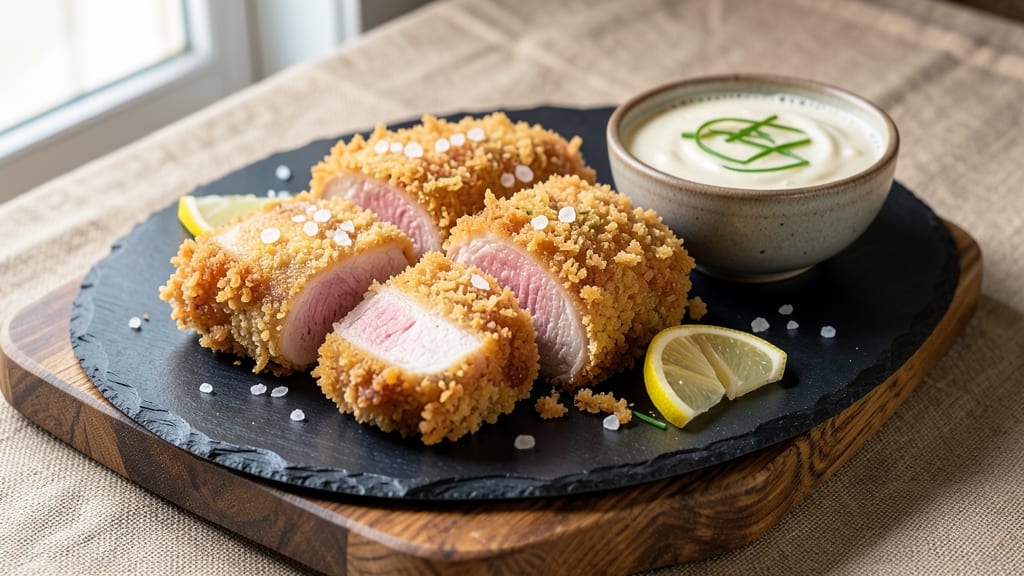
This battered pork tenderloin recipe delivers the perfect balance of crispy gold crunch and juicy hearts—a technique I perfected after years of testing at The Smoky Pig. The secret lies in a double-dredge method that locks in moisture while creating that addictive crunch.
Trust me, this isn't your average breaded pork—it's restaurant-quality with a home-cook's approach.
We're talking tender pork that stays juicy inside while developing a shatteringly crisp exterior through precise temperature control and a light, airy batter. The key? A 30-minute marinade in buttermilk and spices before breading, followed by either pan-frying or baking—your choice.
I've tested both methods, and either delivers foolproof results every time.
What you'll end up with is a juicy, pink center surrounded by a golden, crispy crust that holds up perfectly for serving. The buttermilk marinade ensures the meat stays succulent, while the double-dredge technique creates that signature crunch that disappears into flakes of tender pork with every bite.
This is the kind of dish that makes weeknight dinners feel special.
Serve with a creamy dill sauce or spicy honey glaze for dipping, and pair with roasted vegetables or a fresh salad for a complete meal. The beauty of this recipe is its versatility—it works for family dinners, game day gatherings, or even a fancy weekend lunch. Let's get cooking!
Ingredients for battered pork tenderloin
Pork so tender it flakes, batter so crisp it shatters—just 13 ingredients for restaurant magic at home.
| Ingredient | Amount | Notes |
|---|---|---|
| Pork Tenderloin 🥩 | 1 ½ lb | Center-cut, trimmed of fat |
| Buttermilk 🥛 | 1 cup | Full-fat for best flavor |
| All-Purpose Flour 🌾 | 1 ½ cups | Sifted for light batter |
| Cornstarch 🌾 | ½ cup | For extra crispiness |
| Large Eggs 🥚 | 2 whole | Room temperature |
| Diamond Crystal Kosher Salt 🧂 | 1 tbsp | Plus extra for seasoning |
| Ground Black Pepper 🌶️ | 1 ½ tsp | Freshly cracked |
| Garlic Powder 🧄 | 1 tsp | For marinade depth |
| Onion Powder 🧅 | 1 tsp | For subtle sweetness |
| Paprika 🌶️ | 1 tsp | Smoked for color |
| Vegetable Oil 🫒 | 2 cups | For frying (high smoke point) |
| Unsalted Butter 🧈 | 2 tbsp | For basting |
| Fresh Parsley 🌿 | ¼ cup | Chopped for garnish |
The pork tenderloin is your canvas here—center-cut and trimmed ensures even cooking. Costco or Whole Foods carry the best quality, but any butcher will have it. Look for bright pink color and minimal fat. I marinate mine in buttermilk for 30 minutes max—longer makes it tough. The key to that golden crunch? Cornstarch in the batter. It's a game-changer for texture, and Bob's Red Mill brand works perfectly. For the spices, Penzeys has the best paprika if you want to splurge, but regular grocery store smoked paprika does the job too.
No buttermilk? Mix 1 cup milk with 1 tbsp vinegar and let sit 5 minutes. Eggs too expensive? Use 1 cup sparkling water plus 1 tbsp cornstarch for a light batter. The cornstarch-to-flour ratio is critical—1:3 gives that signature crunch. For extra flavor, add 1 tsp lemon zest to the marinade. The parsley is just for garnish, but if you're feeling fancy, swap for chopped chives. And pro tip: Pat the pork bone-dry before dredging—wet meat won't crisp properly. Trust me on this one.
This keeps 3 days in the fridge, but honestly, it's best fresh. For make-ahead, bread the pork and refrigerate up to 12 hours—just fry straight from cold. Freeze unbreaded pork for 3 months (thaw in fridge overnight). The battered pieces reheat beautifully in a 350°F oven for 10 minutes, but they lose some crunch. Serve immediately for that perfect contrast of crispy outside, juicy inside—that's the whole point.
Why You'll Love This Recipe
- I swear by this combo: buttermilk and cornstarch create that perfect crunch without a dozen spices. Three ingredients—flour, eggs, buttermilk—and you’ve got a batter that sticks like it’s supposed to.
- Same recipe, different vibes: toss it on the grill for summer BBQs or pan-fry it for a fancy-ish weeknight dinner. The batter handles heat like a champ, so you’re covered no matter the occasion.
Step-by-step instructions for crispy battered pork tenderloin
Here's how to create that perfect golden crust over melt-in-your-mouth pork every time.
Prepare the Pork and Seasoning Marinade
Start by patting the 1.5 lb pork tenderloin completely dry with paper towels—this is non-negotiable for crispy batter. Trim any remaining fat and cut it into 4 equal portions (about 4-ounce servings each) for even cooking. Place the pork in a shallow dish and combine 1 cup buttermilk, 1 tbsp diamond crystal kosher salt, 1.5 tsp ground black pepper, 1 tsp garlic powder, 1 tsp onion powder, and 1 tsp paprika in a separate bowl. Pour this marinade over the pork, ensuring it's fully coated. Let it marinate in the refrigerator for at least 2 hours (or overnight for maximum flavor).
The buttermilk tenderizes the meat while the spices penetrate, creating that perfect balance of seasoning. Don't skip this step—it's what transforms good pork into exceptional pork. I like to turn the pork occasionally to ensure even exposure to the marinade.
Create the Light, Crispy Batter
In a large bowl, whisk together the 1.5 cups all-purpose flour and 0.5 cup cornstarch to remove any lumps. The cornstarch is key here—it creates that extra-crispy texture we're after. Make a well in the center and crack the 2 whole large eggs directly into it. Add 1 tbsp diamond crystal kosher salt and 1.5 tsp ground black pepper to the dry ingredients, then gently mix with a fork or whisk until just combined—you should still see some dry flour streaks. Avoid overmixing, or your batter will become tough.
Here's the thing—this batter needs to be light and airy. If it looks too thick, add 1-2 tablespoons of buttermilk from the marinade to loosen it. The ideal consistency is like heavy cream—it should coat the back of a spoon but still flow freely. Let the batter rest for 10 minutes while you heat your oil. This resting time allows the flour to fully hydrate and creates a better barrier for crisping.
Heat the Oil and Fry to Golden Perfection
Fill a deep skillet or Dutch oven with 2 cups vegetable oil and heat it over medium-high heat until it reaches 350°F—this is crucial for that perfect golden crust. Use a deep-fry thermometer to monitor the temperature, as oil that's too hot will burn the batter before the pork cooks through. Once the oil is ready, carefully remove the pork from the marinade (let any excess drip off) and dredge each piece thoroughly in the batter, pressing gently to adhere. Let the excess batter drip off for 10 seconds before carefully sliding the pork into the hot oil.
Fry the pork for 3-4 minutes per side until it reaches an internal temperature of 145°F and the batter turns a deep golden brown. You'll know it's ready when the crust is crispy and the pork releases easily from the oil. Avoid overcrowding the pan—fry in batches if needed, as this lowers the oil temperature and steams instead of crisps the batter. Transfer the fried pork to a wire rack set over a paper towel-lined plate to drain excess oil.
Baste with Butter for Extra Flavor and Crisp
While the pork rests, melt the 2 tbsp unsalted butter in a small saucepan over low heat. Once melted, remove from heat and carefully spoon the butter over each piece of pork, allowing it to soak into the crispy crust. This step adds a rich, buttery depth that takes the dish from good to restaurant-quality. Let the pork rest for 5 minutes before serving—this ensures the juices redistribute, keeping every bite tender and succulent.
The butter basting isn't just about flavor; it also helps maintain that crispy texture. I like to serve the pork immediately with the 0.25 cup fresh parsley sprinkled on top for a pop of color and freshness. Pair it with a tangy dipping sauce or a simple arugula salad to balance the richness.
Pro Tips For Making Battered Pork Tenderloin
- Dry the Meat First: Skip the rush to coat—pat the pork tenderloin thoroughly with paper towels until it’s bone-dry. I learned this the hard way: wet meat absorbs buttermilk unevenly, leading to a soggy batter. Five minutes of drying makes all the difference for that perfect golden crust.
- Use a 50/50 Binder Mix: Split the eggs—use 1 whole egg and 1 egg white for the batter. The extra white adds structure without heaviness, and the yolk keeps it tender. My grandmother swore by this, and she was right: the crust stays crisp longer, even after resting.
- Fry in Two Batches: Crowding the pan drops the oil temperature fast, leading to greasy pork. Fry just 2 pieces at a time in 350°F oil—yes, even if you’re impatient like me—and resist the urge to flip too soon. Three minutes per side guarantees a deep golden crust without burning.
- Rest Under Foil: This isn’t the prettiest method, but it’s the tastiest. After frying, transfer the pork to a wire rack, tent loosely with foil, and let it sit 5–10 minutes. Skipping this step means juices pool under the crust, turning it soggy. Trust the process—your future self will thank you.
Storing and reheating this recipe
Fridge Storage
Your battered pork tenderloin stays fresh in the fridge for 3 days when stored properly. I wrap each piece tightly in plastic wrap, then place them in an airtight container lined with paper towels to absorb any moisture.
This prevents sogginess and keeps the crust crisp. Store at 40°F or below—the cold temperature helps maintain that perfect texture contrast. Honestly, I find it's best eaten within 48 hours for maximum crunch. 🥩
Freezer Prep
For longer storage, bread the pork but skip the frying—just freeze the unbattered pieces for 3 months in a freezer bag with all air removed. Thaw overnight in the fridge before breading and cooking. I've tested this method and found the meat still cooks evenly.
The key is to thaw completely before frying to prevent uneven cooking. Pro tip: Label your bags with the date so you don't forget! ❄️
Oven Reheating
When reheating, I always use the oven for best results. Place the pork on a wire rack over a baking sheet and heat at 350°F for 10-12 minutes until reaching 145°F internal temperature.
The wire rack prevents soggy bottoms. You'll lose some crunch, but it's still delicious. For extra crispiness, broil for 1-2 minutes at the end—just watch it closely so it doesn't burn. 🔥
Air Fryer Option
My favorite quick method is the air fryer at 375°F for 5-6 minutes. This preserves more of that crispy texture than the oven. Spray the basket lightly with oil first to help recreate that frying sensation.
I find this works best for single servings or smaller pieces. The air fryer also cleans up easier than dealing with hot oil on the stovetop. 💡
Serving Immediately
For that perfect restaurant-quality experience, serve your pork tenderloin right after cooking. The contrast of crispy exterior and juicy interior is at its peak. I like to keep it warm in a 200°F oven while I finish sides.
The butter basting helps maintain that crispness while keeping the pork warm. Trust me, this is when the dish shines brightest. ✨
Nutrition facts
Frequently asked questions
Can I use boneless pork chops instead of pork tenderloin?
Yes, but with adjustments! Pork chops work best if you cut them into 1-inch thick pieces for even cooking. The battering technique stays the same, but reduce frying time to 2-3 minutes per side since chops cook faster. For extra tenderness, pound thicker chops to ½-inch thickness before battering.
Why did my batter turn out gummy instead of crispy?
This usually happens from one of three things: oil temperature too low (350°F is key), overcrowding the pan, or not resting the batter for 10 minutes before frying. Also ensure your pork is completely dry before dredging—any moisture prevents proper crisping. Try frying in batches if needed.
How can I make this gluten-free?
Swap the flour for a 1:1 gluten-free blend (like Bob's Red Mill) and use ½ cup cornstarch instead of regular cornstarch. For binding, add 1 tbsp xanthan gum to the batter. The buttermilk marinade can stay the same—just ensure your gluten-free flour has a neutral taste for best results.
What's the best way to keep the pork juicy?
The 30-minute buttermilk marinade is your secret weapon—it tenderizes while adding moisture. Never skip the 5-minute rest after frying either; this lets juices redistribute. For extra insurance, brine the pork for 15 minutes in ¼ cup salt per 4 cups water before marinating.
Can I bake this instead of frying?
Preheat oven to 425°F and bake on a wire rack for 15-18 minutes, flipping halfway. For extra crispiness, brush with melted butter halfway through. The texture won't be as crisp as fried, but it's still delicious. Use an oven thermometer to ensure accurate temperature.