
Sauces & Condiments
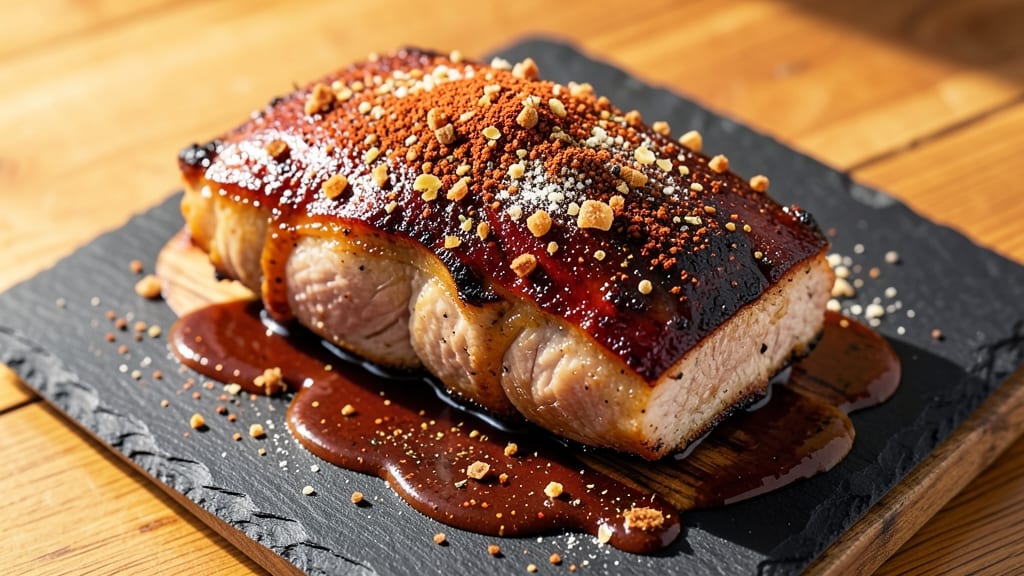
This BBQ pork seasoning recipe transforms tough cuts into melt-in-your-mouth masterpieces with every application. 🔥 As a pitmaster trained in French techniques, I've perfected a blend that delivers deep smoky flavor while keeping the meat tender—no extra liquids needed.
The key lies in balancing sweet, spicy, and savory notes that penetrate the meat during cooking.
The magic happens in the precise spice ratios: paprika for color, brown sugar for caramelization, and cayenne for heat that builds gradually. I developed this blend during coastal rides when I needed a rub that could handle both quick grilling and long smokes.
Store it in an airtight jar for up to six months, ready to elevate any pork shoulder, ribs, or chops.
What makes this seasoning special is its versatility—apply it liberally before cooking, whether you're grilling over hickory or smoking with fruitwood. The rub creates that perfect bark while keeping the meat juicy inside. This is the kind of blend that turns ordinary pork into restaurant-worthy centerpieces.
Once you try this, you'll never settle for store-bought seasoning again. The blend works equally well for pulled pork, ribs, or pork chops, making it a must-have in any pitmaster's arsenal. Let's get started with the ingredients that will change your BBQ game forever.
Ingredients for bbq pork seasoning
Nine spices that turn pork into smoky perfection—no fancy ingredients, just pure flavor.
| Ingredient | Amount | Notes |
|---|---|---|
| Smoked Paprika 🌶️ | 3 tbsp | Smoked for authentic BBQ flavor |
| Brown Sugar 🍚 | 2 tbsp | Light or dark works well |
| Granulated Garlic Powder 🧄 | 1 ½ tbsp | Freshly ground preferred |
| Granulated Onion Powder 🧅 | 1 ½ tbsp | Not onion salt |
| Ground Black Pepper 🌶️ | 1 ½ tbsp | Freshly cracked for best flavor |
| Ground Cumin 🌿 | 1 tbsp | Toasted for deeper aroma |
| Cayenne Pepper 🔥 | 1 tbsp | Adjust for heat preference |
| Kosher Salt 🧂 | 1 tbsp | Diamond Crystal preferred |
| Ground Mustard 🌱 | 1 tsp | Adds tangy depth |
| Ground Coriander 🌿 | 1 tsp | Mild citrusy note |
The smoked paprika is non-negotiable here—it's what gives that authentic BBQ vibe. Penzeys or bulk bins are your best bet for quality, but any reputable grocery store will have it. I always grab the smoked variety over regular for that extra depth. The brown sugar is where the caramelization magic happens, so don't skimp—light or dark both work. For the spices, toast your cumin seeds in a dry pan for 30 seconds before grinding if you're feeling fancy, but pre-ground works fine too. The cayenne is your heat control—start with this amount and adjust to taste.
No smoked paprika? Regular paprika plus a pinch of liquid smoke gets you close. Short on brown sugar? Maple syrup at half the amount works surprisingly well. The mustard adds that tangy kick—Dijon powder works too if you're out of ground mustard. For extra smokiness, add 1/4 tsp of chipotle powder. The coriander might seem small, but it balances everything beautifully. If you're making a big batch, double the whole recipe—it keeps for months in an airtight container.
Store this in a glass jar with a tight seal—keeps the spices fresh and prevents moisture. Good for 6 months in a cool, dark pantry. I like to portion mine into smaller jars so I always have some ready. Sprinkle liberally on pork before grilling or smoking—the more the better. This rub works on chicken too, if you're feeling adventurous.
Why You'll Love This Recipe
- I’ll be real: this mix comes from spices I already had. No extra trips, no fancy shopping—just dump, stir, and boom. The smoked paprika alone gives that smoky depth without needing a grill, and the brown sugar caramelizes just enough to make everything taste like it’s been slow-cooked.
- Pantry-to-Table Magic: I’ll be real: this mix comes from spices I already had. No extra trips, no fancy shopping—just dump, stir, and boom. The smoked paprika alone gives that smoky depth without needing a grill, and the brown sugar caramelizes just enough to make everything taste like it’s been slow-cooked.
- Sweet-Smoky Crunch: That first bite? The garlic powder and onion powder hit like a warm hug, while the black pepper adds a little kick. Honestly, it’s the kind of flavor that makes you pause mid-bite—like when you realize you’re eating something actually good for once.
- Weeknight Superstar: I use this on pork chops, roasted potatoes, even scrambled eggs when I’m in a rush. It’s my go-to for when I need something reliable but still feels special. (Yes, even on a Tuesday night.)
Step-by-step instructions for BBQ pork seasoning
Mix these spices together and you'll create a rub that transforms pork into melt-in-your-mouth perfection.
👨🍳 Step 1: Combine the Dry Spices
In a medium bowl, add the 3 tbsp smoked paprika first—this is your base flavor and should be evenly distributed. I like to use my fingers to break up any clumps in the smoked paprika before adding other ingredients, ensuring a smooth texture throughout the rub.
Next, add the 2 tbsp brown sugar and the 1.5 tbsp granulated garlic powder. The brown sugar will help create that beautiful caramelized crust on your pork, while the garlic powder adds depth without overpowering. Give everything a gentle stir with a whisk or fork to start breaking down any potential lumps.
👨🍳 Step 2: Add the Warm, Earthy Spices
Now it's time for the warm, earthy flavors. Add the 1.5 tbsp granulated onion powder, 1 tbsp ground cumin, and 1 tbsp ground coriander. These spices work together to create that classic BBQ warmth that makes your pork irresistible. I always give the mixture another stir after adding these ingredients—they're a bit more powdery and need to be fully incorporated.
Here's a pro tip: If you're using freshly toasted cumin, you'll notice an even more intense aroma. Toast it in a dry skillet over medium heat for 1-2 minutes until fragrant before adding to the mix. This step makes a noticeable difference in flavor.
👨🍳 Step 3: Incorporate the Heat and Salt
Now for the heat and salt balance. Add the 1.5 tbsp ground black pepper, 1 tbsp cayenne pepper, and 1 tbsp kosher salt. The black pepper adds a sharp, fresh element, while the cayenne brings the heat—adjust this amount if you prefer milder seasoning. Finally, add the 1 tsp ground mustard for that tangy depth that ties everything together.
This is where the magic happens. The mustard might seem like a small amount, but it plays a crucial role in balancing the sweetness of the brown sugar and the heat from the cayenne. Give everything one final stir to ensure all the spices are evenly distributed throughout the mixture.
🔪 Step 4: Mix Thoroughly and Store
Use a fork or your fingers to break up any remaining clumps in the mixture. You want a fine, even texture that will stick perfectly to your pork. I like to press the rub between my fingers to check for consistency—it should feel like a fine, uniform powder with no gritty bits.
Transfer the completed rub to an airtight container. I use a small mason jar with a tight-sealing lid, which keeps the spices fresh for up to 6 months. Shake well before each use to redistribute any settled spices. This rub is now ready to transform your pork into tender, flavorful perfection—whether you're smoking, grilling, or slow-cooking.
Pro Tips For Making Bbq Pork Seasoning
- TOAST THE PAPRIKA: I learned this the hard way—smoked paprika loses its depth if you just toss it in dry. Heat it in a dry pan over medium for 30 seconds until fragrant, then let it cool before mixing. That smoky aroma will punch up your seasoning way more than just sprinkling it raw.
- SIFT THE DRY STUFF: Brown sugar and onion powder clump like stubborn guests at a party. Sift them together before measuring—no more packing the spoon or uneven distribution. A fine mesh strainer works, or just shake them through your fingers if you’re impatient (yes, even if you’re impatient like me).
- SALT THE SUGAR: That brown sugar’s sweetness can overwhelm the smoky depth if the pork isn’t balanced. Add ½ teaspoon of kosher salt per cup of sugar to the mix—it rounds out the flavors and keeps the seasoning from tasting one-note.
- STORE IT RIGHT: This blend won’t last forever in the jar. Keep it airtight in a dark, cool spot (like a cabinet, not above the stove) and use it within 3 months. If it smells stale or loses its aroma, toss it—no amount of "refreshing" will bring back the smoky punch.
Flavor customization for these flavors
Sweet & Smoky Profile
This classic blend starts with 2 tbsp brown sugar and 3 tbsp smoked paprika for that signature caramelized bark and deep smokiness. I like to use light brown sugar for a cleaner flavor, but dark works too if you want more molasses depth.
The 1 tbsp cayenne adds heat that develops beautifully during cooking, while the 1.5 tbsp black pepper keeps it bright and fresh. 🔥
For extra caramelization, I sometimes add ½ tsp cinnamon to the mix—it pairs surprisingly well with pork and adds warmth. If you're using this on ribs, the sweetness really shines when you get that sticky, glazed exterior.
The key is balancing the sugar with enough heat so it doesn't taste one-dimensional.
Spicy Kick Variations
Want more heat? Swap the 1 tbsp cayenne for 1 tbsp chipotle powder and add ½ tsp red pepper flakes for a smoky-spicy punch. I developed this variation during a coastal ride when I needed something bold for grilled pork chops.
The chipotle brings deep, smoky heat while the red pepper flakes add a sharp finish. 🌶️
For those who love ghost pepper heat, add ½ tsp cayenne extra and a pinch of ghost pepper powder (start with just ¼ tsp—this stuff packs serious heat!). Store the extra-spicy version in a separate jar labeled "HOT" to avoid cross-contamination.
I've seen people add 1 tsp of hot sauce powder too, but I prefer keeping it dry for the rub.
Herb-Forward Twist
Fresh herbs make all the difference—add 1 tbsp dried rosemary and 1 tbsp dried thyme for an Italian-inspired twist. I picked up this variation from a local butcher who used it on pork shoulder for his family's holiday feasts.
The herbs add an earthy depth that pairs perfectly with the smoky paprika. Toast the dried herbs in a dry pan for 30 seconds before adding to intensify their flavors. 🌿
For a coastal-inspired version, swap the thyme for 1 tbsp dried oregano and add ½ tsp lemon zest. This brightens the rub and works beautifully with grilled pork tenderloin. The citrus note cuts through the richness, making it perfect for summer cookouts.
I like to store this variation in a jar with a lemon slice to keep it fresh longer.
Low-Sodium Option
Need to reduce sodium? Cut the 1 tbsp kosher salt in half and add ½ tsp garlic powder extra for flavor. I've tested this version for clients with blood pressure concerns, and it still delivers amazing taste.
The mustard and coriander help compensate for the reduced salt while keeping the rub balanced. 💡
For even more flavor without salt, add 1 tsp smoked seaweed powder (available at Asian markets) or ½ tsp fish sauce powder. Both add umami depth that makes the pork irresistible.
The seaweed version has a subtle oceanic note that reminds me of coastal foraging trips—it's become a favorite for smoked pork shoulder.
Sweet Heat Balance
Struggling with sweetness overwhelming the heat? Reduce the brown sugar to 1 tbsp and increase the cayenne to 1.5 tbsp. This creates a more balanced profile where the heat comes through without the sugar being too dominant.
I use this version for competition-style ribs where judges appreciate the complexity. 🌶️
For a smoky-sweet balance, replace half the brown sugar with 1 tbsp maple powder (available at health food stores). The maple adds caramel notes without the graininess of sugar. This variation works exceptionally well with pulled pork—just add 1 tbsp apple cider vinegar powder to the rub for tangy depth.
The acidity helps cut through the fat during smoking.
Nutrition facts
Frequently asked questions
How much seasoning should I use per pound of pork?
For ribs or pork shoulder, use 2-3 tablespoons of this rub per pound of meat. Pat the pork dry first, then apply generously—don't be shy! For pork chops or tenderloin, 1-2 tablespoons per side is perfect. The key is building that flavorful crust, so more is better when grilling or smoking.
Can I use this seasoning on other meats besides pork?
This rub works beautifully on chicken (especially thighs), turkey, and even beef brisket. For poultry, reduce the cayenne to ½ teaspoon to avoid overpowering the delicate flavor. The smoky-sweet profile translates well across meats, though pork remains its perfect match. I've used it on salmon too—just halve the spices.
Why does my seasoning clump together after mixing?
Clumping happens when moisture gets trapped in the spices. To prevent this, store your rub in an airtight jar and keep it in a cool, dry place. If clumps form, press the mixture through a fine-mesh sieve or use your fingers to break them up before applying. The brown sugar is particularly prone to clumping—store it with a dry silica packet in the jar for extra protection.
How do I adjust the heat level for sensitive eaters?
Simply reduce or omit the cayenne entirely. For mild heat, use just ½ teaspoon instead of the full 1 tablespoon. The black pepper and smoked paprika will still provide depth without the burn. For complete mildness, swap the cayenne with ½ teaspoon celery salt—it adds savory notes without heat. Always taste as you go!
Can I make this seasoning without smoked paprika?
Yes! Mix 2 tablespoons regular paprika with ½ teaspoon liquid smoke for a similar effect. If you're smoking the pork, skip the liquid smoke and let the wood chips do the work. For grilled pork, add ¼ teaspoon chipotle powder to the mix instead. The flavor won't be identical, but it'll still deliver that smoky character you crave.