
Sauces & Condiments
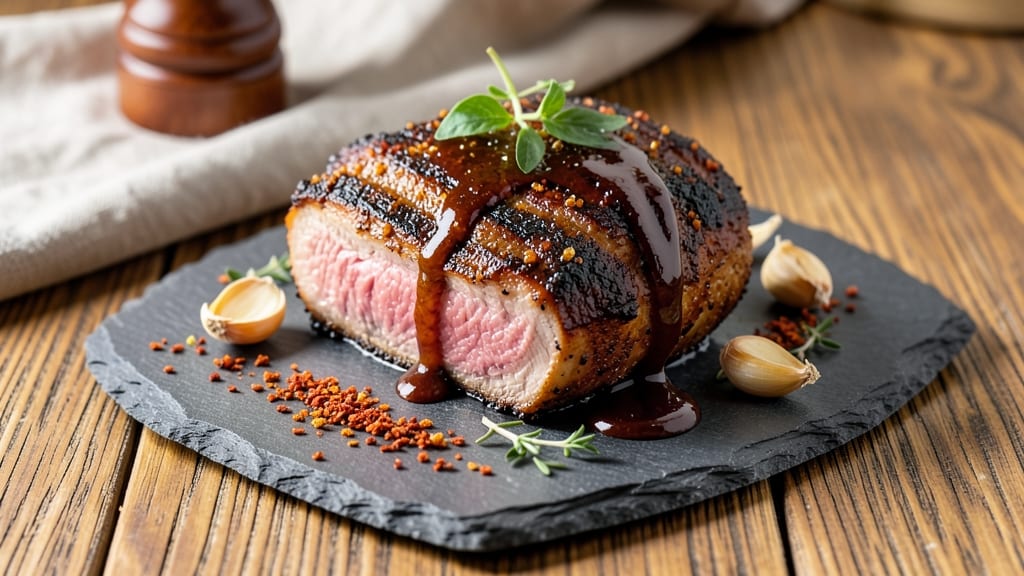
This BBQ pork tenderloin rub recipe transforms simple pork into restaurant-quality centerpieces with a smoky-spiced crust that clings to every bite. 🔥 As a pitmaster who grew up on slow-cooked ribs, I've perfected this blend to deliver deep, complex flavors without overpowering the tender meat's natural sweetness. The secret lies in balancing heat, sweetness, and smokiness for a crust that's both bold and harmonious.
The blend features paprika for color and warmth, brown sugar for caramelization, and smoked paprika for that unmistakable BBQ aroma. I've included garlic powder and onion powder for depth, while black pepper and cayenne add just the right amount of heat.
This isn't just a rub—it's a flavor foundation that creates a perfect balance between sweet, smoky, and spicy notes.
What makes this rub special is its versatility. It works equally well on grilled, smoked, or roasted pork tenderloin, creating a crispy, flavorful crust that contrasts beautifully with the meat's tender interior.
The spices are measured precisely to ensure consistent results every time, whether you're cooking for a crowd or a family dinner.
Store the blend in an airtight container for up to three months—it's perfect for keeping on hand when you need that restaurant-quality flavor at home.
The rub's simplicity makes it foolproof, while its complexity delivers professional results. Let's create this flavor-packed blend that'll elevate your pork dishes to new heights.
Ingredients for bbq pork tenderloin rub
Nine spices, one unforgettable crust—this blend turns pork into smoky, tender perfection every time.
| Ingredient | Amount | Notes |
|---|---|---|
| Smoked Paprika 🌶️ | 2 tbsp | High-quality smoked variety for depth |
| Paprika 🌶️ | 2 tbsp | Sweet or hot for color balance |
| Light Brown Sugar 🍯 | 1 ½ tbsp | For caramelization and sweetness |
| Garlic Powder 🧄 | 1 ½ tsp | Freshly ground preferred |
| Onion Powder 🧅 | 1 ½ tsp | For aromatic depth |
| Ground Black Pepper 🌶️ | 1 tsp | Freshly cracked for sharpness |
| Cayenne Pepper 🔥 | ½ tsp | Adjust for preferred heat |
| Kosher Salt 🧂 | 1 tsp | Diamond Crystal preferred |
| Ground Cumin 🌿 | ½ tsp | Toasted for enhanced aroma |
| Mustard Powder 🍽️ | ½ tsp | For subtle tang (optional) |
The smoked paprika is non-negotiable here—Penzeys or bulk bins at Whole Foods deliver the deepest flavor. I always grab the smoked variety because it adds that unmistakable BBQ aroma without overpowering. Brown sugar should be light, not dark—it caramelizes better and won't make the rub too dense. For the garlic and onion powders, McCormick's or Simply Organic brands stay fresh longer. Pro tip: Toast your cumin seeds in a dry pan for 30 seconds before grinding—it makes all the difference in aroma. The cayenne can be adjusted to taste, but start with the full amount for that authentic pitmaster heat.
No smoked paprika? Substitute half with chipotle powder for smokiness, though the flavor won't be identical. Running low on brown sugar? White sugar plus a pinch of cinnamon works in a pinch. Mustard powder optional but recommended—it adds that subtle tang that separates homemade rubs from store-bought. For heat control, reduce cayenne to 1/4 tsp if you're sensitive to spice. The blend works beautifully on chicken or even tofu if you're experimenting with plant-based proteins. Just remember: always toast your spices before mixing for maximum freshness.
This rub keeps for three months in an airtight container, but trust me—it'll disappear faster than you think. I portion mine into small jars so I always have it on hand for quick weeknight grilling. Store it in a cool, dark place away from heat sources. If you make extra, freeze portions in ice cube trays for single-use servings. The blend actually improves slightly after a week as the flavors meld together—perfect for making ahead when hosting guests.
Why You'll Love This Recipe
- Here’s what sold me: the pork stays juicy for days, and the flavor only gets better. I’ll pack it for lunches or reheat it for sandwiches—no one ever complains, and my wallet thanks me for skipping takeout.
- Five-Ingredient Magic: I swear by this rub—just those five pantry staples transform plain pork into something ridiculously good. No fancy prep, no measuring cups (I eyeball it), and the smoky-sweet depth hits every time.
- Crispy-Caramel Perfection: That brown sugar crust? It’s the star. The paprika gives it warmth, the garlic and onion powders add depth, and when it hits the grill or oven, you get a caramelized edge that’s dangerously addictive—especially with a quick glaze.
- Weeknight to BBQ Hero: Between us, this rub saves me on busy nights and impresses at cookouts. Toss it on tenderloin for dinner, slice it thin for tacos the next day, or even rub it on chicken—it’s my go-to for any occasion without extra effort.
Step-by-step instructions for smoky-spiced pork tenderloin rub
Here's how to blend this perfect balance of smoky, sweet, and spicy flavors that'll transform your pork into finger-licking perfection.
👨🍳 Step 1: Combine the Dry Ingredients
In a medium bowl, measure out the 2 tbsp smoked paprika and 2 tbsp paprika first—they form the flavor foundation. I like to use a whisk for this step because it ensures even distribution of the spices right from the start. Add the 1.5 tbsp light brown sugar next, giving it a quick stir to break up any clumps.
Now add the remaining dry ingredients: 1.5 tsp garlic powder, 1.5 tsp onion powder, 1 tsp ground black pepper, 0.5 tsp cayenne pepper, 1 tsp kosher salt, 0.5 tsp ground cumin, and 0.5 tsp mustard powder. The cayenne and mustard powder might seem small, but they're what give this rub its signature depth and subtle tang. Use a fine-mesh strainer if you want to sift the spices for an even finer texture.
🥘 Step 2: Whisk Until Uniform
Whisk all ingredients together vigorously for about 30 seconds until you see a consistent color throughout. You're looking for a rich, reddish-brown mixture with no visible streaks of individual spices. This uniform distribution ensures every bite of your pork gets the same perfect balance of flavors.
Here's the thing—I always give the mixture a quick sniff after whisking. It should smell like a perfect blend of smoky campfire, sweet caramel notes, and just a hint of heat from the cayenne. If it smells too mild, you might want to add a pinch more cayenne next time. If it's too spicy, reduce the cayenne slightly in future batches.
🔪 Step 3: Test the Rub on Your Pork
Before you apply it to your pork tenderloin, I recommend doing a quick test. Rub a small amount on the inside of your wrist or on a piece of raw pork. Let it sit for 5 minutes—this gives you a chance to taste the flavor profile before committing to your entire cut of meat.
The ideal rub should taste like a perfect balance: smoky from the paprikas, sweet from the brown sugar, with just enough heat to make your mouth water. The mustard powder adds that subtle tang that cuts through the richness, while the cumin brings an earthy depth. If you're using this on a family or for guests, you might want to reduce the cayenne to 0.25 tsp for a milder version.
⏰ Step 4: Apply and Let It Rest
Once you're happy with the flavor, generously coat your pork tenderloin with the rub, pressing it firmly into the meat so it adheres well. I like to use my fingers for this—it helps the spices penetrate the surface and creates that beautiful crust we're after. For best results, let the rubbed pork sit at room temperature for 30 minutes before cooking.
This resting period allows the rub to develop its flavors and helps the spices bond with the meat's surface. It also ensures even cooking—cold meat can create uneven heat distribution when you first put it in the oven or on the grill. Don't skip this step, even if you're eager to cook. Patience here makes all the difference in the final texture and flavor.
Pro Tips For Making Bbq Pork Tenderloin Rub
- Preheat Your Pan: Cast iron or stainless steel—get it screaming hot for 3-5 minutes before adding the pork. I learned this the hard way after walking away for "just a sec" and ending up with steamed, sad meat instead of a caramelized crust. The sugar in your rub needs that initial shock to kickstart the browning.
- Mix the Rub Dry: Combine smoked paprika, paprika, brown sugar, garlic powder, and onion powder in a bowl without adding oil first. Wet ingredients turn this into a paste, and you’ll end up slathering instead of coating. Sprinkle the rub evenly—no clumps, no glops—just a thin, even layer that sticks like dust.
- Skip the Overcrowding: Cook one tenderloin at a time, even if it means two batches. I used to toss both on the grill or pan at once, and the second one ended up steaming in its own juices while the first burned. Pork tenderloin cooks fast—give it space to sear, not suffocate.
- Let It Rest: Transfer the pork to a cutting board immediately after cooking and tent loosely with foil for 5-10 minutes. I know, you’re hungry now, but slicing it straight off the heat means dry, stringy bites. The residual heat keeps it juicy—trust the process, even if it feels weird.
Wine and beer pairings for this recipe
Red Wine Pairings
For this smoky-spiced pork tenderloin, I always reach for a Zinfandel from California—its bold fruit notes and subtle spice mirror the rub's complexity perfectly. A 2018 Dry Creek Vineyard Zinfandel (around $25) delivers blackberry and peppery undertones that complement the smokiness without overpowering.
If you prefer something lighter, a Grenache from Provence offers red fruit brightness that cuts through the richness. 🍷
White Wine Options
Don't underestimate white wine here! A Viognier with its floral and stone fruit notes actually enhances the rub's caramelized sweetness. I love Domaine Serene Viognier from Oregon—its honeyed richness balances the spice beautifully.
For something crisper, try a Riesling with ½ tsp residual sugar to contrast the heat. Avoid oaky Chardonnays—they'll clash with the smoky crust.
Beer Complements
A smoked porter like Goose Island Bourbon County Stout (with its vanilla and caramel notes) is my go-to beer pairing—it echoes the rub's sweetness while adding depth. For a lighter option, a hazy IPA with citrus notes (like New England Brewing Co.'s Heady Topper) provides refreshing contrast.
Avoid heavy IPAs—they'll overwhelm the delicate pork flavors.
Cocktail Pairings
For a refreshing contrast, try a smoky margarita made with 1 oz reposado tequila, ½ oz lime juice, and a dash of chipotle-infused agave. The smokiness complements the rub while the citrus cuts through the richness.
Another winner is a bourbon old-fashioned with its caramel notes—just add 2 dashes of Angostura bitters and a smoked salt rim for extra harmony. 🍹
Non-Alcoholic Choices
Don't worry if you're skipping alcohol! A smoked iced tea (brewed with 1 tbsp smoked salt and ½ cup black tea) mirrors the rub's smokiness beautifully. For something fruity, try a sparkling peach iced tea—the sweetness balances the cayenne perfectly.
I always keep a pitcher of this on hand when grilling for guests who prefer non-alcoholic options.
Regional BBQ Styles
If you're serving this in the Carolinas, pair it with a sweet tea to balance the heat. In Kansas City, a bourbon-infused BBQ sauce on the side lets guests adjust to their preference.
For Texas-style gatherings, I recommend a Mexican lager like Modelo Especial—its crispness cleanses the palate between bites of smoky pork. 🌶️
Nutrition facts
Frequently asked questions
Can I use this rub on other meats besides pork tenderloin?
This versatile rub works beautifully on chicken thighs, salmon fillets, or even tofu for plant-based dishes. The smoky-sweet balance translates well to other proteins, though you may need to adjust cooking times. For chicken, I recommend a 30-minute rest after rubbing to maximize flavor penetration.
How do I adjust the heat level in this rub?
Start with the full 0.5 tsp cayenne pepper for authentic heat, but reduce to 0.25 tsp for milder versions. For extra kick, add 0.25 tsp crushed red pepper flakes or a pinch of chipotle powder. Always taste test first—spice levels vary by brand and personal preference.
What's the best way to store leftover rub?
Keep unused portions in an airtight container for up to 3 months in a cool, dark place. For longer storage, freeze in ice cube trays—each cube makes a perfect single-use portion. Thaw at room temperature before using. The flavors actually deepen slightly after a week!
Can I make this rub without smoked paprika?
Yes, but the flavor will differ. Replace 1 tbsp smoked paprika with ½ tbsp chipotle powder for smokiness, though the aroma won't be identical. For a milder version, use 1 tbsp regular paprika plus ½ tsp liquid smoke (sparingly—it's potent!). The rub will still be delicious, just with a different character.
How long should I let the pork rest after applying the rub?
Always let the rubbed pork rest for 30 minutes at room temperature before cooking. This allows the spices to penetrate the surface and creates an even crust. For larger cuts, extend the rest time to 45 minutes. Never skip this step—it's what transforms good pork into restaurant-quality meat!