
Sauces & Condiments
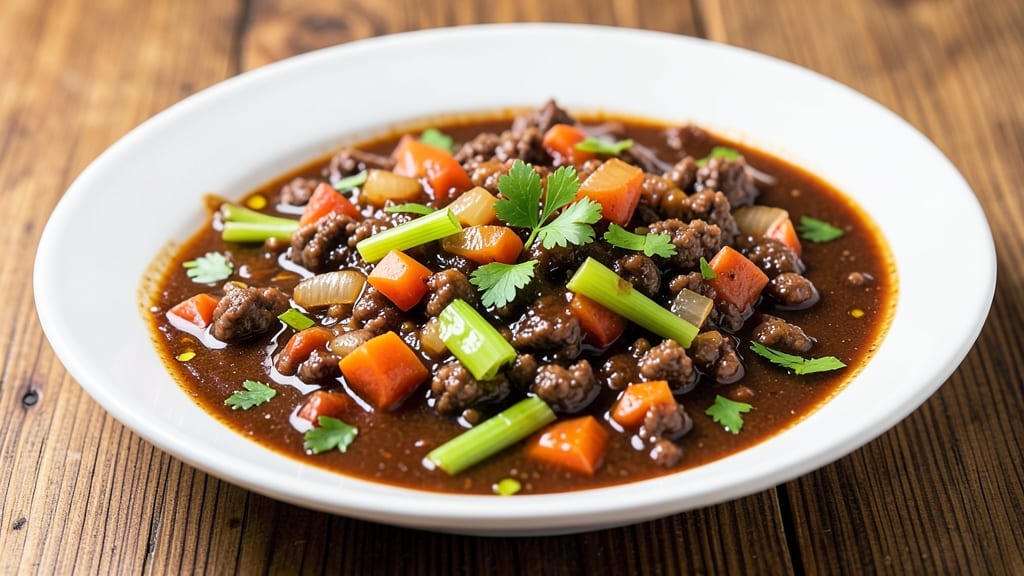
This beef and pork Bolognese sauce recipe delivers restaurant-quality depth that transforms ordinary pasta into something extraordinary. 🔥 The secret lies in slow-cooked meat and layered umami flavors that develop over hours—no shortcuts here.
I've perfected this technique through years of testing, ensuring every spoonful is rich, complex, and perfectly balanced.
What sets this sauce apart is the combination of beef and pork, which creates a meaty texture while keeping the sauce tender. We start with a simple soffritto of onions, carrots, and celery—foundation flavors that build into something profound.
The addition of red wine and tomato paste adds acidity and depth, while simmering for hours allows the flavors to meld into harmony.
By the time you're done, you'll have a sauce that's velvety yet substantial, with visible meat strands that melt in your mouth. The aroma alone will make your kitchen smell like an Italian trattoria, and the taste will have you reaching for seconds.
This is the kind of sauce that elevates any dish it touches.
Perfect for meal prepping, freezing, or serving immediately, this Bolognese sauce is a pantry essential. The recipe scales easily, so you can make a big batch and enjoy it all week. Let's get started on creating something truly special.
Ingredients for beef and pork bolognese sauce
Eight ingredients, hours of flavor. This is the core lineup for Bolognese magic.
| Ingredient | Amount | Notes |
|---|---|---|
| Ground Beef 🥩 | 1 ½ lb | 80/20 fat ratio preferred |
| Ground Pork 🐖 | 1 ½ lb | Finely ground for texture |
| Onions 🧅 | 2 whole | Yellow or red, diced small |
| Carrots 🥕 | 2 whole | Peeled, finely chopped |
| Celery Stalks 🌿 | 2 whole | Trimmed, finely chopped |
| Garlic Cloves 🧄 | 6 cloves | Minced, fresh preferred |
| Tomato Paste 🍅 | ½ cup | High-quality, no salt added |
| Dry Red Wine 🍷 | 1 cup | Bold variety like Cabernet |
| Beef Broth 💧 | 2 cups | Homemade or high-quality |
| Extra-Virgin Olive Oil 🫒 | ½ cup | For sautéing and finishing |
The meat is everything. Ground beef and pork from the butcher counter (not pre-packaged) have way more flavor—look for 80/20 fat ratio for that perfect melt-in-your-mouth texture. Whole Foods or Trader Joe's carry excellent quality, but the regular grocery store meat works too if it's fresh. For the soffritto, finely chop the onions, carrots, and celery—small pieces mean more surface area to develop flavor. I usually buy a big bag of frozen chopped soffritto mix from Costco when I'm making big batches, but fresh is always better if you've got the time. The garlic? Fresh is non-negotiable here—jarred garlic just doesn't cut it.
No red wine? Dry sherry or beef broth with a splash of balsamic works in a pinch. Short on tomato paste? Canned crushed tomatoes at double the amount gets you close, but you'll lose some depth. The olive oil matters here—use something fruity and peppery, not that mild supermarket stuff. For extra richness, add 1 tbsp of unsalted butter at the end. The beef broth can be homemade (always better) or a high-quality store brand like Pacific Foods. And if you're feeling fancy, add 1 tsp of fish sauce—it adds umami without overpowering.
This sauce only gets better with time. Simmer uncovered for at least 3 hours, stirring occasionally, to let the flavors meld. The longer it cooks, the deeper the flavor. For meal prep, store in airtight containers in the fridge for up to 5 days or freeze for up to 3 months. I always make a double batch—one for dinner and one to freeze for lazy nights. When reheating, add a splash of broth or water to loosen it up. And if it's too thick after chilling, just stir in a little more broth until it reaches your desired consistency.
Why You'll Love This Recipe
- No Chopping Chaos: The onions, carrots, and celery get diced once—then tossed into the pot whole to soften while you brown the meat. I swear, my knife stays clean for the rest of the night.
- Deep Umami Magic: Ground pork and beef together? That’s the secret—rich, meaty depth with just a touch of sweetness from the carrots. It’s the kind of sauce that makes you slow down mid-bite.
- Freezer-Friendly Staple: Double the batch, freeze half, and thank me later. This sauce keeps for weeks, so you’re always covered—whether it’s a last-minute pasta night or a potluck where you know you’ll be asked to bring the main.
- Budget Powerhouse: Pork and beef stretch further than either alone, and the veggies bulk it up without breaking the bank. My grocery bill stays sane, but my dinner table doesn’t.
Step-by-step instructions for beef and pork Bolognese sauce
Here's how to build rich, layered flavor that transforms simple pasta into a restaurant-worthy meal.
🍳 Step 1: Develop the Flavor Base with Vegetables
Heat the 0.5 cup extra-virgin olive oil in a large Dutch oven over medium heat until shimmering. Add the 2 whole onions, 2 whole carrots, and 2 whole celery stalks, all finely chopped. Cook for 8-10 minutes until the vegetables soften and the onions turn translucent.
Here's the thing—don't rush this step. The vegetables should break down completely and release their natural sweetness. Stir occasionally and watch for golden brown spots forming at the edges—that's when you know they're ready. If they stick, add a splash of beef broth to loosen them. This aromatic base is the foundation of your sauce.
🍳 Step 2: Brown the Meat for Deep Flavor
Push the vegetables to one side of the pot and add the 1.5 lb ground beef and 1.5 lb ground pork to the empty space. Break up the meat with a wooden spoon and cook over medium-high heat for 8-10 minutes until it loses its raw color and develops a rich brown crust.
Don't overcrowd the pan—work in batches if needed. The goal is to get that meat beautifully browned, which builds incredible depth of flavor. Once the meat is cooked through, use a wooden spoon to stir it back together with the vegetables. You'll see those browned bits (fond) at the bottom—this is pure flavor gold that we'll incorporate later.
🍳 Step 3: Build the Sauce with Wine and Tomato
Pour in the 1 cup dry red wine and scrape up all those browned bits from the bottom of the pot. Let the wine simmer for 3-4 minutes until it reduces by half and the alcohol aroma disappears. This step is crucial—it prevents your sauce from tasting raw or harsh.
Next, stir in the 0.5 cup tomato paste and cook for another 2 minutes until it darkens slightly. Then add the 2 cups beef broth and bring everything to a gentle simmer. Here's where the magic happens: the wine and broth meld with the meat and vegetables, creating a complex flavor profile that's far more interesting than just tomato sauce.
⏰ Step 4: Simmer for Deep Umami Development
Reduce the heat to low and add the 6 minced garlic cloves. Let the sauce simmer uncovered for 45-60 minutes, stirring occasionally. You're looking for a sauce that thickens gradually and develops a glossy sheen. The garlic should infuse its aroma without burning.
Real talk: this is where patience pays off. The longer it simmers, the deeper the flavors become. Stir every 10-15 minutes to prevent sticking, and if the sauce gets too thick, add a splash of water or broth. You'll know it's ready when the sauce coats the back of a spoon and the meat is tender but not falling apart. The aroma should be rich, meaty, and inviting.
🍽️ Step 5: Finish and Adjust Seasoning
Taste the sauce and adjust seasoning with salt and black pepper as needed. The sauce should be rich but not overwhelmingly salty—remember, you'll be adding it to pasta later. If you want extra depth, stir in a pinch of red pepper flakes or a splash of balsamic vinegar at the end.
Let the sauce rest for 10 minutes before serving. This resting period allows all the flavors to meld together perfectly. Serve immediately over your favorite pasta, with a sprinkle of fresh parsley if you like. The sauce should cling beautifully to each strand of pasta, delivering that perfect balance of meaty richness and umami depth.
Pro Tips For Making Beef And Pork Bolognese Sauce
- Sear the Meat First: Split the beef and pork into two pans—high heat, no oil needed. Once the edges brown (about 3-4 minutes), toss in a splash of wine or broth to deglaze. That crust? It’s what carries flavor through the whole sauce, not just the first bite. (Yes, even if you’re impatient like me.)
- Chop the Veggies Small: Onions, carrots, celery—cut them into ¼-inch dice, not rough chunks. The smaller they are, the faster they cook down without turning mushy, and the smoother your sauce will be. I learned this the hard way when my bolognese tasted like it was hiding vegetables.
- Deglaze Aggressively: After browning the meat, don’t just splash in wine or broth—scrape the bottom of the pan with a wooden spoon. Those stuck-on bits are flavor gold. If you skip this, you’re basically leaving money on the table.
- Simmer Slow and Low: Cover the pot and let it bubble gently at a low simmer for at least 45 minutes. High heat now = a dry, pasty sauce later. My grandmother swore by this, and she was right: patience here means a rich, tender texture that doesn’t fall apart when you serve it.
Creative variations of these flavors
Southern BBQ Fusion
Swap the red wine for 1 cup of Carolina Gold mustard and add ½ cup of apple cider vinegar to brighten the sauce. Use pork shoulder instead of ground pork—slow-cook it until tender, then shred it into the sauce.
Finish with 1 tbsp of hot honey and a pinch of smoked paprika for that Southeast BBQ vibe. This version pairs perfectly with mac and cheese or cornbread. 🔥
Italian-Inspired Vegetarian
Replace the meat with 1.5 cups of finely chopped mushrooms (cremini or portobello) and 1 cup of lentils (cooked). Boost umami with 1 tbsp of soy sauce and 1 tsp of miso paste.
Use the same tomato paste and wine base, but add ½ cup of vegetable broth instead of beef broth. Simmer for 45 minutes to let the flavors meld. This version is hearty and satisfying without any meat. 🌱
Spicy Asian-Inspired
Add 1 tbsp of gochujang (Korean chili paste) and 1 tbsp of fish sauce to the tomato paste step. Stir in 1 tbsp of grated ginger and 1 tsp of sriracha at the end.
Replace the beef broth with 2 cups of chicken broth and add 1 tbsp of honey to balance the heat. This version works beautifully with rice or noodles. 🌶️
Classic Red Wine Reduction
For a more traditional Italian approach, reduce the wine to a syrupy consistency before adding the tomato paste. Simmer the 1 cup of red wine alone for 10 minutes until it reduces by half, then stir in the tomato paste.
This creates a deeper, more concentrated flavor. Add 1 tsp of dried oregano and ½ tsp of dried basil for an authentic touch. 🍷
Smoky Chipotle Twist
For a smoky kick, add 1-2 chipotle peppers in adobo sauce (minced) along with the garlic. Use ½ cup of chicken broth instead of beef broth to complement the smoky flavor.
Finish with 1 tbsp of lime juice for brightness. This version is perfect for tacos or as a marinade for grilled meats. 💨
Nutrition facts
Frequently asked questions
Can I substitute ground turkey or chicken for the beef and pork?
You can try, but the texture and flavor will change significantly. Ground turkey or chicken will make the sauce lighter and less rich. If you must substitute, use a 50/50 blend of ground turkey with beef or pork to maintain some depth. For best results, stick with the beef and pork combo—the fat ratio (80/20) is key for that velvety, meaty texture.
How do I prevent my Bolognese sauce from being too thick or too thin?
Start with a gentle simmer and stir occasionally to avoid sticking. If it thickens too much, add 1-2 tablespoons of beef broth at a time. For a thinner sauce, increase the simmering time uncovered—this allows moisture to evaporate gradually. The ideal consistency should coat the back of a spoon but still be pourable.
Can I make this sauce in a slow cooker or Instant Pot?
For a slow cooker, brown the meat first, then add all ingredients and cook on low for 6-8 hours. For an Instant Pot, use the "Sauté" function to brown the meat, then pressure cook on high for 25 minutes, followed by a natural release. Both methods work, but the stovetop version gives you more control over the texture and flavor development.
What's the best way to store and reheat leftovers?
Store in airtight containers in the fridge for up to 5 days or freeze for up to 3 months. To reheat, warm over low heat on the stovetop, stirring occasionally and adding a splash of broth or water if needed. Avoid microwaving—it can make the sauce watery. For best results, reheat gently until just warmed through.
Why does my sauce taste bland after simmering?
Blandness usually means insufficient seasoning or underdeveloped flavors. Always taste as you go and adjust with salt, black pepper, or a splash of balsamic vinegar. For deeper flavor, simmer longer (up to 3-4 hours) and ensure you're using high-quality ingredients—fresh herbs, good olive oil, and well-seasoned meat make a huge difference.