
Side Dishes
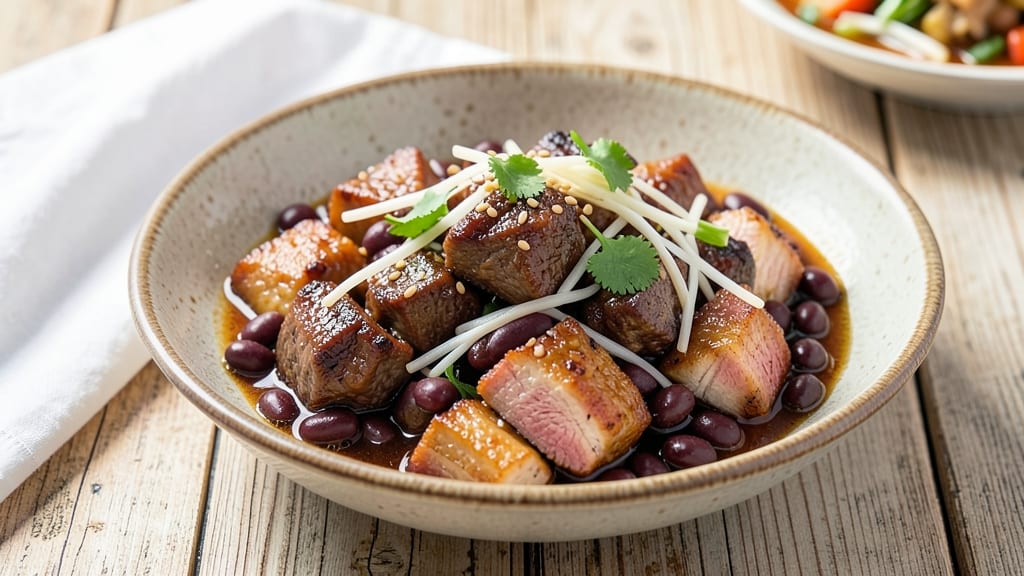
This Filipino recipe for beef with pork and beans brings the rich, tangy flavors of adobo to a hearty, protein-packed dish that’s become a staple in Filipino-American homes.
The combination of tender beef, pork belly, and navy beans creates a deeply satisfying meal with layers of umami and a touch of sweetness from the caramelized top.
I first tasted this dish in Manila, where it was served family-style—everyone reaching for another helping, and I’ve been perfecting it ever since.
The beauty of this recipe lies in its balance: the sourness of vinegar cuts through the richness of the meat, while soy sauce and brown sugar add depth. The crispy fried garlic on top isn’t just for show—it adds a textural contrast that makes every bite exciting.
Unlike many stews that require hours of simmering, this version delivers restaurant-quality results in under 2 hours, making it perfect for weeknight dinners or potlucks.
What sets this apart is the way the flavors develop as it cooks. The beef becomes fork-tender, the pork belly melts in your mouth, and the beans soak up all the savory goodness.
The sauce thickens just enough to coat the ingredients without being gluey, and the fried garlic on top adds a crunch that keeps your taste buds engaged. It’s the kind of dish that tastes even better the next day, making it ideal for meal prep.
Serve it with steamed rice to soak up every last bit of that flavorful sauce, or pair it with crusty bread for dipping. This recipe is a celebration of Filipino comfort food—simple ingredients, bold flavors, and a dish that brings people together. Let’s get cooking!
Ingredients for beef with pork and beans filipino
Six core ingredients transform into a rich, tangy Filipino stew with layers of umami and crispy garlic topping.
| Ingredient | Amount | Notes |
|---|---|---|
| Beef Chuck Roast 🥩 | 2 lb | Cut into 1-inch cubes |
| Pork Belly 🐖 | 1 ½ lb | Skin removed, cut into chunks |
| Navy Beans 🌱 | 1 ½ cups | Dried, soaked overnight |
| White Vinegar 💧 | ½ cup | Distilled preferred |
| Soy Sauce 🥄 | ½ cup | Dark soy for color |
| Brown Sugar 🍯 | ¼ cup | Packed light |
| Garlic Cloves 🧄 | 12 whole | Minced for sauce and frying |
| Bay Leaves 🌿 | 2 whole | Dried, removed before serving |
| Black Peppercorns 🌶️ | 1 tsp | Crushed, whole preferred |
| Olive Oil 🫒 | ¼ cup | For frying garlic |
| Salt 🧂 | 1 ½ tsp | Kosher or sea salt |
| Water 💧 | 4 cups | For simmering |
| Green Onions 🧅 | 4 whole | Sliced for garnish |
The beef and pork belly are the heart of this dish—look for well-marbled cuts at your local butcher or Filipino grocery stores like 99 Ranch Market for authentic quality. Navy beans should be plump and firm; if using canned, rinse thoroughly to remove excess sodium. The dark soy sauce adds that signature Filipino color—Lee Kum Kee is a reliable brand, but any dark soy will work. For the garlic, freshly minced cloves make all the difference, especially when fried for the crispy topping.
No dark soy sauce? Substitute with regular soy sauce plus a pinch of molasses for depth. Dried beans? Soak them overnight—no soaking? Use canned, drained well. The pork belly can be swapped for pork shoulder if needed, but it won’t be as tender. For the fried garlic, don’t overcrowd the pan or it’ll steam instead of crisp. If you’re short on time, use pre-minced garlic, but fresh is always better. The green onions are optional but add a bright finish—skip if you prefer a more rustic look.
This stew tastes even better the next day as flavors meld. Store in an airtight container in the fridge for up to 5 days, or freeze for 3 months. The sauce thickens as it cools, so add a splash of water when reheating. For meal prep, double the batch—the extra portions are perfect for lunches. The fried garlic stays crisp for about 1 hour after frying, so make it fresh before serving.
Why You'll Love This Recipe
- One-Pot Magic: I swear by this—just toss everything in one pot, let it simmer, and walk away. The beef and pork belly melt into tender perfection while the beans soak up all that rich, savory sauce. No chopping, no fuss, just hands-off cooking.
- Tangy-Savory Bomb: That vinegar and soy sauce combo? It’s the secret weapon. The vinegar brightens up the deep, meaty flavors, while the soy adds this umami punch that makes every bite irresistible. Honestly, it’s the kind of dish that disappears faster than I can say “seconds.”
- Lunchbox Hero: Between us, this is my go-to for meal prep. The flavors only get better the next day, and it reheats like a dream. Pack it in containers for work or school—no sad leftovers here, just happy, hearty meals.
- Budget Feast: A pound of beef chuck and pork belly stretches to feed four (or five if you’re feeding teenagers). Navy beans bulk it up without breaking the bank, and the pantry staples keep costs low. It’s the kind of recipe that makes grocery day feel like a win.
Step-by-step instructions for beef with pork and beans Filipino stew
This rich, tangy stew delivers deep umami flavors with a satisfying crunchy topping.
Prepare the Meat and Beans
Cut the 2 lb beef chuck roast into 1-inch cubes and set aside. Remove the skin from the 1.5 lb pork belly and cut it into 2-inch chunks. Rinse the 1.5 cups navy beans thoroughly, then soak them overnight in plenty of cold water to soften completely.
Drain the soaked beans before using. The overnight soak is crucial—it reduces cooking time and ensures the beans stay tender rather than turning mushy. Pat the beef and pork dry with paper towels to help them brown properly in the stew.
Build the Flavor Base
In a large Dutch oven or heavy pot, heat 0.25 cup olive oil over medium-high heat. Add the beef cubes and cook for 5 minutes, stirring occasionally, until they develop a deep brown crust. Remove the beef and set aside.
In the same pot, add the pork belly chunks and cook for 6-8 minutes until golden brown. Transfer the pork to a plate. Now add 6 of the minced garlic cloves (reserve the rest for later) and cook for 30 seconds until fragrant. This step creates the aromatic foundation for the stew.
Simmer the Stew
Add the drained navy beans, 4 cups water, 0.5 cup white vinegar, 0.5 cup soy sauce, 0.25 cup brown sugar, 1.5 tsp salt, 1 tsp crushed black peppercorns, and 2 whole bay leaves to the pot. Stir well to combine all ingredients.
Return the beef and pork to the pot, bring to a boil, then reduce heat to low and simmer uncovered for 2 hours. The stew should bubble gently—this slow cooking breaks down the tough meat fibers and infuses all ingredients with flavor. Stir occasionally to prevent sticking.
Create the Crunchy Topping
While the stew simmers, prepare the crunchy topping. Heat 0.25 cup olive oil in a small skillet over medium heat. Add the remaining 6 minced garlic cloves and cook for 1-2 minutes until golden brown. Immediately transfer to a paper towel-lined plate to drain excess oil.
In the same skillet, add the 4 whole green onions, sliced into 1-inch pieces, and cook for 1-2 minutes until they begin to soften but remain slightly crisp. Combine the garlic and green onions with the drained pork fat from the stew (about 2 tablespoons) to create a sticky, flavorful topping.
Finish and Serve
After 2 hours of simmering, check the tenderness of the beef and pork. They should be fork-tender with no resistance. Remove and discard the bay leaves. Taste the stew and adjust seasoning if needed—you may need a little more soy sauce for saltiness or vinegar for tang.
Serve the stew hot, topped with the crispy garlic-green onion mixture. The contrast between the tender meat, creamy beans, and crunchy topping creates a perfect balance of textures and flavors. This dish tastes even better the next day as the flavors meld further.
Pro Tips For Making Beef With Pork And Beans Filipino
- Sear Pork First: The pork belly needs that golden crust before it goes into the pot. I used to toss it in raw, and the dish always tasted flat—turns out, browning it first locks in flavor. Hit medium-high heat with a splash of oil, then let it sit undisturbed for 4-5 minutes until deep brown.
- Soak Beans Overnight: Navy beans are stubborn. I learned this the hard way—skipping the soak left them mealy no matter how long I simmered. Toss them in cold water for at least 8 hours, then drain. The extra effort guarantees they’ll stay tender and soak up the sauce like a sponge.
- Add Vinegar Late: Dump the white vinegar too early, and you’ll kill the meat’s tenderness. Save it for the last 10 minutes of cooking—just enough to brighten the broth without turning your stew into vinegar punch. Trust me, your taste buds will notice.
- Brown Beef in Batches: One giant pile of beef chuck roast? Bad idea. Crowding the pan steams the meat instead of searing it, and that means flavor loss. Work in 2-inch-thick layers, pressing down gently with a spatula to maximize surface contact. Yes, it takes longer, but the payoff is worth it.
Storing and reheating your leftovers
Refrigerator Storage
Let your stew cool to room temperature—no more than 2 hours—before transferring to airtight containers. I use glass jars with tight-sealing lids to maintain freshness. Store in the fridge at 40°F or below for up to 5 days.
The flavors actually deepen overnight as the vinegar and soy sauce meld with the meat and beans. 🌱
Freezer Storage
For longer storage, portion the stew into quart-sized freezer bags or airtight containers, leaving 1 inch of headspace for expansion. Seal tightly to prevent freezer burn and label with the date.
This stew stays delicious for up to 3 months in the freezer. When reheating, thaw overnight in the fridge before warming.
Stovetop Reheating
My preferred method is stovetop reheating because it preserves the stew’s texture. Transfer the desired portion to a pot and add ¼ cup water or broth to prevent drying. Heat over medium-low heat for 10-15 minutes, stirring occasionally, until bubbling.
The sauce will thicken as it warms—add more liquid if needed. Taste and adjust seasoning with a splash of vinegar or soy sauce if necessary.
Microwave Reheating
For a quick fix, cover the stew with a microwave-safe lid or damp paper towel. Heat on 50% power in 2-minute intervals, stirring between each, until heated through (internal temp of 165°F).
The microwave can make the sauce slightly watery, so add a pinch of salt or a drizzle of olive oil to restore richness. The crispy garlic topping should be made fresh before serving.
Reviving Crispy Topping
The fried garlic-green onion topping loses its crunch when reheated, but you can recreate it fresh in minutes. Heat 1 tbsp olive oil in a skillet over medium heat, then fry 4 minced garlic cloves and 2 sliced green onions for 1-2 minutes until golden.
Toss with 1 tsp pork fat from the stew for that signature sticky texture. Sprinkle over reheated portions just before serving. ✨
Meal Prep Tips
Double the batch and store half for later—this stew tastes even better the next day! When reheating, prioritize the stovetop method for the best results. If you’re short on time, use pre-minced garlic for the topping, but fresh is always superior.
For extra flavor, add a splash of vinegar or soy sauce when reheating. The beans will soften further, making the stew heartier and more satisfying. 💪
Nutrition facts
Frequently asked questions
Can I substitute beef with another protein like chicken or shrimp?
The beef is essential for the rich, deep flavor this Filipino dish needs, but you can use chicken thighs (bone-in for flavor) or shrimp (peeled and deveined) as a partial substitute. If using shrimp, add them only in the last 10 minutes of cooking to prevent overcooking. The pork belly remains a must—it adds the signature fat and tenderness that balances the stew.
How do I adjust the recipe for a slow cooker?
Transfer all ingredients (except the crispy topping) to your slow cooker and cook on low for 6-7 hours or high for 3-4 hours. The meat will be extra tender, but you may need to add ½ cup water if the sauce becomes too thick. Make the fried garlic topping fresh before serving—it won’t reheat well. The slow cooker method is perfect for busy weeknights!
Why does my stew taste too salty or vinegary?
This happens when the flavors aren’t balanced. If it’s too salty, add 1-2 tablespoons of water and a splash of vinegar to dilute. For excess vinegar tang, stir in 1 teaspoon of brown sugar or a pinch of salt to round out the flavors. Taste as you go—Filipino stews rely on balance, so adjust gradually. The key is patience: let the stew rest for 10 minutes before tasting.
Can I make this dish vegetarian?
You can adapt it, but the core flavors rely on meat. Replace the beef with extra-firm tofu (pressed and cubed) and the pork with tempeh or mushrooms (like shiitake). Use soy sauce and miso paste for umami depth, and add 1 tablespoon of fish sauce (or vegan fish sauce) for that authentic Filipino touch. The beans will still be the hearty base, but the texture will differ.
What’s the best way to serve this stew?
Serve it family-style with steamed jasmine rice to soak up the rich sauce. For extra flair, garnish with crispy fried garlic, sliced green onions, and a drizzle of calamansi juice (or lemon if unavailable). It also pairs well with garlic bread or buttered egg noodles for a heartier meal. Leftovers make amazing lunches—just reheat and top with fresh fried garlic!