
Main Courses
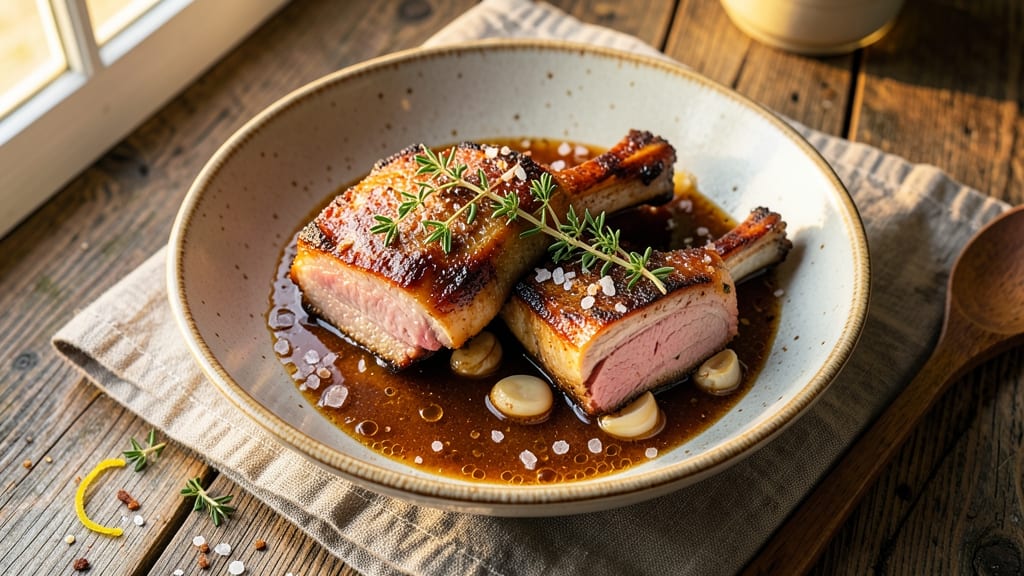
This beer-brined pork chops recipe transforms simple pork into melt-in-your-mouth perfection with malty depth and juicy pink centers. After years of perfecting this technique—first in Charleston kitchens, then at my Atlanta smokehouse—I’ve simplified it for home cooks without sacrificing restaurant-quality results.
The secret lies in the brine: a balance of beer, salt, and aromatics that tenderizes while infusing flavor at the molecular level.
The process is straightforward but transformative: bone-in chops soak in the beer brine for 8-12 hours, developing layers of complexity as the malt and hops penetrate the meat.
Whether you grill over oak coals, sear in cast iron, or finish in the oven, the technique ensures crispy edges and moist interiors every time. I’ve tested this with everything from light lagers to bold stouts—each brings something unique to the table.
What you’ll end up with is pork that’s tender enough to cut with a fork, with a surface that crackles under pressure and a depth of flavor that lingers long after the last bite.
The beer’s natural sweetness caramelizes during cooking, creating a subtle glaze that ties everything together. This isn’t just another pork chop recipe—it’s a method that elevates humble ingredients into something extraordinary.
Serve with a simple arugula salad dressed in apple cider vinaigrette or alongside roasted root vegetables to let the pork take center stage. The brining technique works equally well for ribs or roasts, making it a versatile addition to your cooking repertoire. Let’s get started—your taste buds will thank you.
Ingredients for beer brined pork chops
The secret to juicy, restaurant-quality pork chops lies in these 13 ingredients—where beer transforms humble cuts into melt-in-your-mouth perfection.
| Ingredient | Amount | Notes |
|---|---|---|
| Bone-In Pork Chops 🥩 | 1 ½ lb | 1-inch thick, center-cut preferred |
| Light Lager Beer 🍺 | 2 cups | Non-alcoholic beer works too |
| Diamond Crystal Kosher Salt 🧂 | ½ cup | Plus 1 tbsp for final seasoning |
| Brown Sugar 🍚 | ¼ cup | Light or dark variety |
| Fresh Thyme Sprigs 🌿 | 4 whole | Stems intact for infusion |
| Garlic Cloves 🧄 | 6 cloves | Smashed for deeper flavor |
| Black Peppercorns 🌶️ | 1 tbsp | Freshly cracked preferred |
| Extra-Virgin Olive Oil 🫒 | 2 tbsp | For final searing |
| Fresh Rosemary 🌿 | ¼ cup | Chopped, stems removed |
| Yellow Onion 🧅 | 1 whole | Thinly sliced for garnish |
| Apple Cider Vinegar 🍏 | 1 tbsp | Balances beer sweetness |
| Mustard Seeds 🌶️ | 1 tsp | Toasted for aroma |
| Ground Black Pepper 🌶️ | 1 tsp | Freshly ground for heat |
The beer is non-negotiable here—it's the heart of the flavor profile. Light lagers like Corona or Miller Lite work perfectly, but bold stouts or IPAs add complexity if you're feeling adventurous. Trader Joe's and Total Wine carry excellent craft options that elevate the dish. For non-alcoholic versions, Heineken 0.0 or Budweiser Select work flawlessly. The pork chops should be bone-in and roughly 1-inch thick—thinner cuts won't develop enough flavor. Look for chops with good marbling at Whole Foods or your local butcher shop for optimal texture. Fresh thyme and rosemary are essential for the aromatic base, so don't substitute with dried unless you triple the amount.
No light lager on hand? Substitute with equal parts apple juice and beer vinegar for a similar tangy profile, though the malt depth will differ. Running short on brown sugar? Honey or maple syrup work in a pinch, but the caramelization will be slightly different. The mustard seeds might be tricky to find—Penzeys or bulk spice shops carry them, but you can omit entirely if needed. For the garlic, roasting whole cloves before smashing adds a sweet, nutty depth that's worth the extra minute. The apple cider vinegar might seem like overkill, but it cuts through the beer's sweetness beautifully—Bragg is my go-to brand for consistent quality. If you're prepping ahead, you can make the brine up to 24 hours in advance and store it in the fridge.
This brine keeps in the refrigerator for 3 days before the beer starts to lose its freshness, so plan accordingly. The pork chops themselves can be brined for 8-12 hours—longer doesn't hurt, but don't exceed 24 hours or the meat will get mushy. After cooking, the chops reheat beautifully—wrap them in foil with a splash of the cooking liquid and warm in a 350°F oven for 10 minutes. For meal prep, I like to portion the cooked chops with some of the pan juices in glass containers—they stay moist for 4-5 days in the fridge. The aromatics (thyme, rosemary, garlic) can be composted after use, and any leftover brine makes a fantastic cocktail mixer.
Why You'll Love This Recipe
- Five-Ingredient Magic: I swear by this combo—just beer, salt, sugar, thyme, and pork. No fancy marinades or hours of prep. Honestly, the brining does the work while I sip my coffee.
- Crispy-Creamy Payoff: That beer brine? It delivers a caramelized crust so addictive you’ll want to eat it plain. But trust me, the tender inside with thyme’s bright finish? Chef’s kiss every time.
- Weeknight to Weekend: Same recipe feeds my tired Tuesday self or impresses guests on Saturday. Between us, the bone-in chops feel fancy without the fuss—just sear, rest, and serve.
- Leftovers That Don’t Suck: Cold slices the next day? Still juicy, still packed with flavor. I double the batch, slice thin, and toss with greens for a lunch that’s basically a meal upgrade. Budget win.
Step-by-step instructions for juicy beer-brined pork chops
Here's how to transform tough pork chops into melt-in-your-mouth masterpieces using a malty beer brine.
Prepare the Beer Brine
In a large bowl, combine the 2 cups light lager beer, 0.5 cup Diamond Crystal kosher salt, 0.25 cup brown sugar, 4 whole fresh thyme sprigs, 6 smashed garlic cloves, 1 tbsp black peppercorns, 1 tbsp apple cider vinegar, and 1 tsp mustard seeds. Stir until the salt and sugar fully dissolve—this creates the flavor base that will penetrate the meat.
Here's the thing—don't rush this step. The brine needs 10 minutes to fully integrate the aromatics. You'll notice the thyme and rosemary (which we'll add later) will infuse the liquid, creating a complex malty-sweet backbone for your chops. The mustard seeds add a subtle depth that pairs beautifully with the beer's bitterness.
Brine the Pork Chops
Add the 1.5 lb bone-in pork chops to the brine, making sure each piece is fully submerged. I like to use a plate to weigh them down if needed. Cover the bowl and refrigerate for 4-6 hours—this is where the magic happens. The brine not only seasons but also breaks down muscle fibers, ensuring that juicy pink center you crave.
Don't skip this step—trust me, I've tried. Brining prevents dryness and creates that perfect balance of tenderness and texture. You'll know it's working when you see the chops absorb the liquid and develop a slightly glossy surface. If you're short on time, a minimum 4-hour brine still delivers excellent results, though 6 hours is ideal.
Sear and Roast to Perfection
Preheat your oven to 400°F. Remove the chops from the brine, shaking off any excess liquid, and pat them dry with paper towels. Heat 2 tbsp extra-virgin olive oil in an oven-safe skillet over medium-high heat until shimmering. Add the chops and sear for 3-4 minutes per side until they develop a deep golden crust.
This is the moment that matters: the Maillard reaction happening right before your eyes. You'll see the edges turn golden brown and hear that satisfying sizzle. Once seared, transfer the skillet to the oven and roast for 8-10 minutes until the internal temperature reaches 145°F at the thickest part. The bone-in chops will stay juicy while developing that beautiful crust.
Rest and Garnish
Remove the chops from the oven and let them rest for 5-10 minutes on a cutting board. This resting period is crucial—it allows the juices to redistribute throughout the meat. While they rest, finely chop the 0.25 cup fresh rosemary and thinly slice the 1 whole yellow onion for garnish.
Before serving, sprinkle the chops with the chopped rosemary and onion slices. The rosemary adds a piney freshness that cuts through the beer's richness, while the onion adds a touch of brightness. For final seasoning, sprinkle with 1 tbsp Diamond Crystal kosher salt and 1 tsp freshly ground black pepper—this balances all the flavors and enhances the natural taste of the meat.
Pro Tips For Making Beer Brined Pork Chops
- BRINE LONGER THAN YOU THINK: I learned this the hard way—skimming the beer brine after 4 hours leaves your chops dry. Use a gallon of liquid (1 cup beer, 1 cup water, 2 tbsp salt, 1 tbsp brown sugar) and let them soak overnight in the fridge. The bone-in cuts need time to absorb flavor and stay juicy.
- USE COLD BEER, NOT ROOM-TEMP: Sounds weird, but it works: pull your lager straight from the fridge. Cold beer dissolves salt and sugar slower, so the brine stays balanced longer. Plus, the chops won’t start cooking prematurely while submerged—just pop them in raw and let the fridge do the work.
- PAT DRY WITH PAPER TOWELS: This isn’t the prettiest method, but it’s the tastiest. After brining, blot those chops thoroughly—no wet spots. The beer brine makes them slick, and skipping this step means your crust will steam instead of sear. (Yes, even if you’re impatient like me.)
- SEAR IN BATCHES, NOT CROWDING: Start hot, finish low: get your pan screaming (medium-high) and sear chops 2 minutes per side before lowering heat to medium. If you crowd the pan, the beer won’t caramelize—it’ll just poach. Two chops max per batch, or you’ll end up with sad, soggy edges.
Essential equipment for great beer brined pork chops
Cast Iron Skillet
My trusty Lodge 10.25-inch cast iron skillet is non-negotiable for this recipe—it handles the high heat needed for searing while distributing it evenly. The deep sides prevent splatter, and the heavy gauge ensures consistent temperature control.
I’ve used mine for over a decade, and it’s still the gold standard for achieving that perfect crust. If you don’t have cast iron, a stainless steel skillet like All-Clad works well, though it requires slightly more attention to heat management. 🔥
Meat Thermometer
A ThermoWorks Smoke or Meater Plus thermometer is essential for nailing the 145°F internal temperature without overcooking. I place the probe in the thickest part of the chop, avoiding bone contact.
These thermometers stay accurate through the entire cooking process, and their wireless capabilities let me monitor from across the kitchen. For budget-friendly options, the OXO Bluetooth Wireless Thermometer delivers reliable readings.
Large Mixing Bowl
A stainless steel mixing bowl with at least 4-quart capacity is perfect for the beer brine—it’s large enough to fully submerge the chops and sturdy enough to handle the weight. I prefer Cuisinart or Ziploc brand bowls because they’re durable and easy to clean.
If you’re using glass, opt for a Pyrex bowl with a lid to keep aromatics contained during refrigeration. The bowl’s size ensures enough liquid to properly brine the meat.
Butcher's Twine
While not strictly necessary, butcher’s twine comes in handy if you’re brining thicker chops or want to secure herbs directly to the meat. I use white cotton twine from Penzeys to tie sprigs of thyme or rosemary onto the chops before brining—this infuses flavor more intensely.
For a quick alternative, skewer herbs with toothpicks or use kitchen twine from craft stores. The twine adds a professional touch and keeps aromatics in place during cooking.
Plate or Weight
A small dinner plate or brine weight keeps pork chops fully submerged in the liquid, ensuring even flavor penetration. I often use a glass baking dish as a makeshift weight if I don’t have a plate handy.
For larger batches, a brine bag (available at Williams Sonoma) works wonders—it holds the chops in place while allowing the liquid to circulate. Proper submersion is key to preventing dry spots and ensuring juicy results. 💫
Paper Towels
High-quality Bounty or Viva paper towels are my go-to for patting dry the brined chops before searing. The thick, absorbent layers remove excess moisture, which is critical for achieving that perfect crust.
I keep a stack nearby and press firmly—this step alone makes the difference between a mediocre sear and a restaurant-worthy one. For extra crispiness, I even pat the chops a second time right before cooking. The towels also double as a handy tool for wiping down the skillet between uses.
Nutrition facts
Frequently asked questions about beer-brined pork chops
Can I use any type of beer for brining?
Light lagers like Corona or Miller Lite work best for their balanced malt and hop profile, but don't be afraid to experiment! Dark beers like stouts add depth, while IPAs contribute citrusy notes. For non-alcoholic versions, try Heineken 0.0 or Budweiser Select—they maintain the same brining effectiveness without the alcohol content.
How long should I brine the pork chops?
The ideal time is 8-12 hours in the refrigerator, but a minimum 4 hours still delivers great results. Longer doesn't hurt (up to 24 hours max), but avoid exceeding this to prevent the meat from becoming mushy. The key is keeping the chops fully submerged—use a plate as a weight if needed.
What's the best way to cook beer-brined pork chops?
For perfect results, sear in a cast iron skillet over medium-high heat until golden, then finish in a 400°F oven until reaching 145°F internal temp. Grilling works too—just watch closely to avoid flare-ups from the beer residue. The oven method is foolproof for beginners.
Can I make this recipe ahead of time?
Cook the chops and store them in the fridge for 4-5 days in glass containers with some of the pan juices. To reheat, wrap in foil with a splash of liquid and warm in a 350°F oven for 10 minutes. The texture stays juicy, though the crust may soften slightly.
Why are my beer-brined chops still dry?
Overcooking is the most common culprit—use a meat thermometer to hit 145°F precisely. Another issue could be skipping the rest time or not patting dry before searing. For extra moisture, try brining for longer (12 hours) or using thicker cuts (1-inch minimum). The beer brine should keep them juicy if followed correctly!