
Main Courses
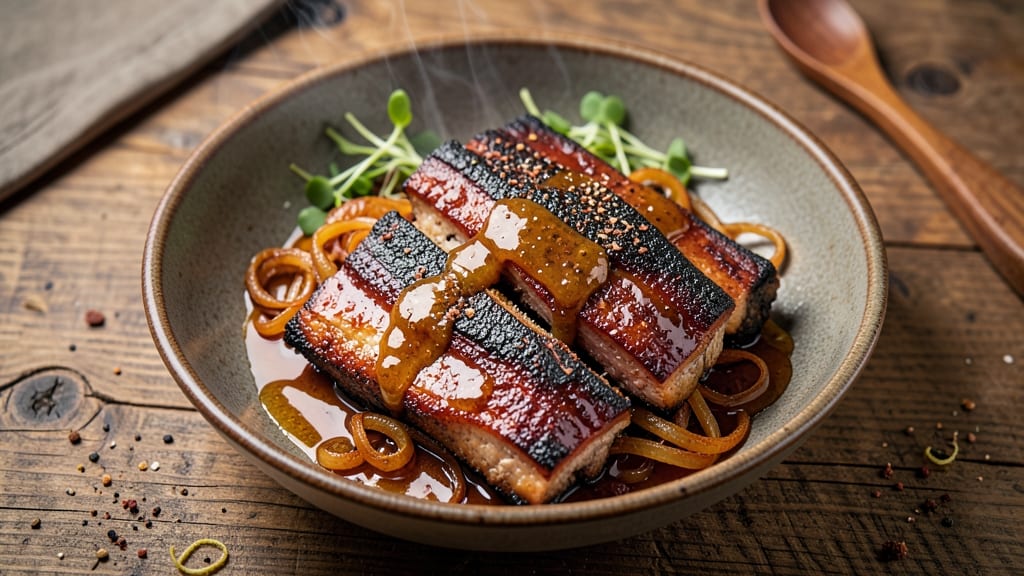
Berkshire pork ribs deliver a flavor experience that bridges tradition and modern technique—where crispy bark meets fall-apart tenderness. I developed this recipe after years of perfecting pork at The Smoky Pig, where we process 2,000 pounds weekly, and it’s the one I return to when guests demand restaurant-quality ribs at home. The secret lies in a dry rub that builds a deep, smoky crust while a two-stage cook ensures moisture retention without sacrificing texture.
What sets these ribs apart is the balance: a 30-minute dry rub lets the spices penetrate, while the low-and-slow cook transforms tough connective tissue into shred-worthy meat. We start with a hot smoke (250°F) to render fat, then finish with a high-heat sear for that coveted bark.
This method preserves juices while developing complex flavors—no water baths or shortcuts that dilute the natural richness of Berkshire pork.
By the time you pull these ribs from the smoker, you’ll have golden-brown bark that shatters like glass and meat so tender it falls apart at the touch. The aroma alone—smoky, sweet, with hints of hickory—will have your kitchen smelling like a Carolina pitmaster’s dream.
Serve with classic sides like collard greens or buttermilk biscuits to complete the experience.
This recipe scales perfectly for gatherings, and the leftovers reheat beautifully. The key is patience—rushing ruins the texture, but the payoff is ribs that’ll have your guests asking for seconds. Let’s get cooking.
Ingredients for berkshire pork ribs
Six ingredients for the dry rub plus a few pantry staples—this is where restaurant-quality ribs begin at home.
| Ingredient | Amount | Notes |
|---|---|---|
| Berkshire Pork Ribs 🍖 | 4 lb | Bone-in, meaty ribs preferred |
| Yellow Mustard 🍯 | ½ cup | For initial sticky base |
| Brown Sugar 🍚 | ½ cup | Light or dark variety |
| Smoked Paprika 🌶️ | 2 tbsp | High-quality for deep smoke |
| Ground Black Pepper 🌶️ | 1 ½ tbsp | Freshly cracked preferred |
| Garlic Powder 🧄 | 1 tbsp | Freshly ground preferred |
| Onion Powder 🧅 | 1 tbsp | For balanced sweetness |
| Ground Cumin 🌿 | 1 tsp | Toasted for depth |
| Salt 🧂 | 1 tbsp | Kosher or sea salt |
| Hickory Wood Chips 🌳 | 1 package | Unsoaked for smoker |
| Apple Cider Vinegar 🍎 | 2 tbsp | For bark enhancement |
| Olive Oil 🫒 | 2 tbsp | For rib coating |
| Fresh Thyme Leaves 🌿 | ¼ cup | Chopped, for garnish |
The ribs themselves are non-negotiable. Berkshire pork has the marbling and fat content that makes these ribs legendary—regular pork ribs won't give you the same tenderness. Look for bone-in, meaty cuts from a trusted butcher or specialty store like D'Artagnan or Snake River Farms. If you can't find Berkshire, heritage pork ribs are the next best thing. The fat cap should be thick—at least 1/4-inch—that's what gives you that melt-in-your-mouth texture. Buy them fresh if possible, or frozen within 2 weeks of processing.
No smoked paprika? Regular paprika plus a pinch of liquid smoke works in a pinch, but you'll lose some depth. The mustard is key for that sticky bark—yellow mustard only, nothing fancy. For the brown sugar, light or dark doesn't matter here, but avoid powdered sugar. The apple cider vinegar might sound odd, but it's what helps develop that caramelized bark during the final sear. If you're short on time, substitute with 1 tbsp balsamic vinegar. The olive oil is for coating the ribs before applying the rub—don't skip this step, it helps the spices stick.
These ribs are a 2-day project, but worth every minute. Store the raw ribs in the fridge unwrapped for 24 hours to dry the surface—this is crucial for bark development. The dry rub keeps for 3 months in an airtight container, so make extra. Once cooked, ribs reheat beautifully—350°F for 10-15 minutes wrapped in foil. I always make a double batch because they disappear fast. The leftovers? Freeze for up to 3 months—just thaw overnight in the fridge before reheating.
Why You'll Love This Recipe
- Five-Ingredient Magic: The pantry already has three of these—yellow mustard, brown sugar, and smoked paprika—and the ribs? They’re the star. No fancy marinades or hours of prep; just a quick rub, a 45-minute bake, and you’re golden. (Yes, even on a Tuesday night.)
- Sweet-Smoky Obsession: That caramelized brown sugar crust? It’s dangerously addictive. The smoked paprika adds depth, while the mustard keeps it tangy—not too sweet, not too smoky, but just right. My daughter picks out the ribs first when I serve them.
- Game for Any Gathering: Grill for summer BBQs, oven-bake for winter potlucks, or meal prep for the week. The leftovers reheat like a dream (wrap them in foil, 10 minutes at 350°F). Honestly, I’ve served these at everything from tailgates to lazy Sundays—and they disappear fast.
- Budget-Friendly Luxury: Berkshire pork ribs feel special, but this recipe stretches them far. A single rack feeds four, and the simple seasoning means you’re not breaking the bank. Between us? It’s my go-to when I want to impress without stressing over a $20 dry rub.
Step-by-step instructions for Berkshire pork ribs
Here's how to transform those rich Berkshire pork ribs into fall-off-the-bone tender slices with a perfect smoky bark.
Prepare the Ribs with the Mustard Base
Start by patting the 4 lb Berkshire pork ribs completely dry with paper towels—this is crucial for that crispy bark. In a small bowl, whisk together the 0.5 cup yellow mustard, 0.5 cup brown sugar, 2 tbsp smoked paprika, 1.5 tbsp ground black pepper, 1 tbsp garlic powder, 1 tbsp onion powder, 1 tsp ground cumin, and 1 tbsp salt. This blend gives you both sweetness and depth of flavor.
Generously coat every surface of the ribs with this mixture, pressing it into the meat so it adheres well. The mustard creates that initial sticky base that helps the bark form beautifully. Let the ribs sit at room temperature for 30 minutes while you prepare your smoker—this ensures even cooking from the start.
Set Up the Smoker for Perfect Bark
Fill your smoker with the 1 package hickory wood chips and light them according to your smoker's instructions. Preheat to 225°F—this low-and-slow temperature is key for tenderizing the meat without drying it out. I like to add a water pan to the smoker to maintain moisture throughout the cook.
Once the smoker reaches temperature and you see clean, blue smoke (not thick white), place the ribs bone-side down on the grill grates. The fat cap should face up to protect the meat and render flavorful drippings. Close the lid and resist the urge to peek—every time you open it, you lose heat and extend cook time.
Smoke Until Probe-Tender
Smoke the ribs for 5-6 hours, maintaining that 225°F temperature. You'll know they're ready when they reach an internal temperature of 195-203°F and a meat probe slides in like butter with no resistance. This is where the magic happens—the ribs will go through "the stall" around 165°F, but don't worry, it's normal and temporary.
Here's the thing—if the ribs aren't tender enough after 6 hours, don't rush them. Patience is everything with Berkshire pork. The longer they smoke at this low temperature, the more tender they become. Just keep that smoke going steady and let the wood chips do their work.
Wrap and Finish for Maximum Tenderness
When the ribs reach that probe-tender stage, it's time to wrap them. I use heavy-duty aluminum foil and add 2 tbsp apple cider vinegar and 2 tbsp olive oil to the foil before sealing. The vinegar enhances the bark while the oil keeps the meat moist. Wrap tightly and return to the smoker.
Continue smoking for another 1-2 hours until the internal temperature hits 203°F. This final stage ensures you get that perfect balance of tender meat and crispy exterior. The ribs should pull apart easily when you test them with a fork—no more resistance, just silky strands of meat.
Rest and Serve with Fresh Thyme
Remove the ribs from the smoker and let them rest for 15 minutes before serving. This resting period allows the juices to redistribute throughout the meat, preventing them from running out when you cut into the ribs. While they rest, chop the 0.25 cup fresh thyme leaves for garnish.
Use two forks to shred the ribs against the grain into generous portions. The meat should be so tender it practically falls apart at the touch. Serve immediately with the chopped thyme sprinkled on top—it adds a bright, aromatic finish that complements the rich, smoky flavors. Each bite should deliver that perfect combination of tender meat, sweet-savory bark, and aromatic thyme.
Pro Tips For Making Berkshire Pork Ribs
- Trim the Fat First: Berkshire pork ribs have thick fat layers—trim just the hard, white stuff before cooking, not the yellow fat. I learned this the hard way when my ribs stuck to the grill like glue; the yellow fat renders beautifully and keeps them juicy, but the hard fat burns fast and ruins the crust.
- Brown Sugar Needs Heat: Don’t just sprinkle brown sugar on cold ribs—caramelize it first. Toss the ribs in a dry skillet for 2 minutes until the sugar melts and darkens slightly. This makes the glaze stick like glue instead of turning to powder when you flip them.
- Skip the Mustard Rush: If you’re using yellow mustard as a binder, mix it just before applying—not hours ahead. I once prepped ribs with mustard the night before, and it turned into a sticky, sad mess. Keep it fresh, or swap for a quick egg wash if you’re prepping ahead.
- Low and Slow for Smoked Paprika: Smoked paprika burns faster than you’d think. After searing the ribs, move them to a 275°F oven (or indirect heat on the grill) immediately to let the spices infuse without charring. I used to let them sit too long on high heat, and the ribs tasted bitter instead of smoky.
Creative variations of this recipe
Southern BBQ Style
For a true Carolina-inspired twist, swap the apple cider vinegar for 2 tbsp hot sauce (like Crystal or Texas Pete) when wrapping the ribs. Add ½ cup BBQ sauce to the foil along with the vinegar and oil.
This creates a sticky, saucy bark that's perfect for serving with cornbread or collard greens. I learned this technique from my time in Charleston—it's a crowd-pleaser at any BBQ joint. 🌶️
Honey-Glazed Finish
After the initial smoke, brush the ribs with ¼ cup honey mixed with 1 tbsp soy sauce and 1 tsp grated ginger during the final 30 minutes of cooking. This Asian-inspired fusion creates a caramelized glaze that contrasts beautifully with the smoky flavors.
Serve with steamed jasmine rice and quick-pickled cucumbers for balance. The honey adds natural sweetness without overpowering the pork's richness. 🍯
Spicy Coffee Rub
Replace the dry rub with a coffee-based blend by adding 2 tbsp finely ground coffee and 1 tsp cayenne pepper to the original rub. The coffee deepens the smoky flavor while the cayenne adds heat. I developed this variation after a trip to Atlanta's Pitmaster BBQ—it's their signature touch.
Pair with sweet potato mash to balance the spice. Trust me, the aroma alone will have everyone asking for seconds. ☕
Herb-Infused Bark
For a fresh twist, add 1 tbsp chopped fresh rosemary and 1 tbsp chopped fresh thyme to the mustard base before coating the ribs. The herbs add an aromatic complexity that pairs beautifully with the smoky flavors.
Finish with a sprinkle of flaky sea salt right before serving. This variation works exceptionally well with grilled asparagus or a simple arugula salad. 🌿
Breakfast Ribs
Transform these ribs into a breakfast sensation by adding ½ cup shredded cheddar cheese and 2 tbsp maple syrup to the foil during the wrap. After cooking, serve on buttermilk biscuits with a side of scrambled eggs and crispy hash browns.
The sweet and savory combination is pure comfort food—perfect for brunch gatherings. This idea came from my Georgia roots where breakfast ribs are a Sunday tradition. 🍳
Nutrition facts
Frequently asked questions
Why do Berkshire pork ribs need such a long cook time?
Berkshire pork has more fat and connective tissue than regular pork, which requires low-and-slow cooking to break down safely. The 5-6 hour smoke at 225°F transforms tough collagen into gelatin, creating that signature melt-in-your-mouth tenderness. Think of it like braising a pot roast—patience pays off with restaurant-quality results.
Can I cook these ribs in an oven instead of a smoker?
Preheat your oven to 225°F and use a meat thermometer to monitor temperature. Place the ribs on a wire rack over a baking sheet with a water pan for moisture. Cook for 4-5 hours until probe-tender, then wrap with foil and add 2 tbsp apple cider vinegar before finishing at 300°F for 1 hour. The bark won't be as smoky, but the tenderness will be just as perfect.
What's the best way to reheat leftover Berkshire pork ribs?
Wrap ribs tightly in foil and reheat at 350°F for 10-15 minutes—this preserves moisture. For extra crispiness, broil for 2-3 minutes at the end. Never microwave, as it turns the meat rubbery. Pro tip: Store cooked ribs in the fridge for up to 3 days or freeze for 3 months by wrapping individually in plastic.
How do I know when the ribs are fully cooked?
Use a meat thermometer—ribs are done when they reach 195-203°F internally, with a probe that slides in like butter. The bark should be deep mahogany with slight charring. If you're unsure, pull a bone and check: it should separate easily from the meat. Never judge by time alone—Berkshire pork varies in size and fat content.
Can I use regular pork ribs instead of Berkshire?
Technically yes, but you'll lose some of the rich marbling that makes Berkshire ribs legendary. Regular pork ribs need 1-2 extra hours of cooking to achieve similar tenderness. For best results, buy heritage pork ribs with thick fat caps (at least 1/4-inch) from a specialty butcher. The flavor won't be identical, but it'll still be delicious.