
Main Courses
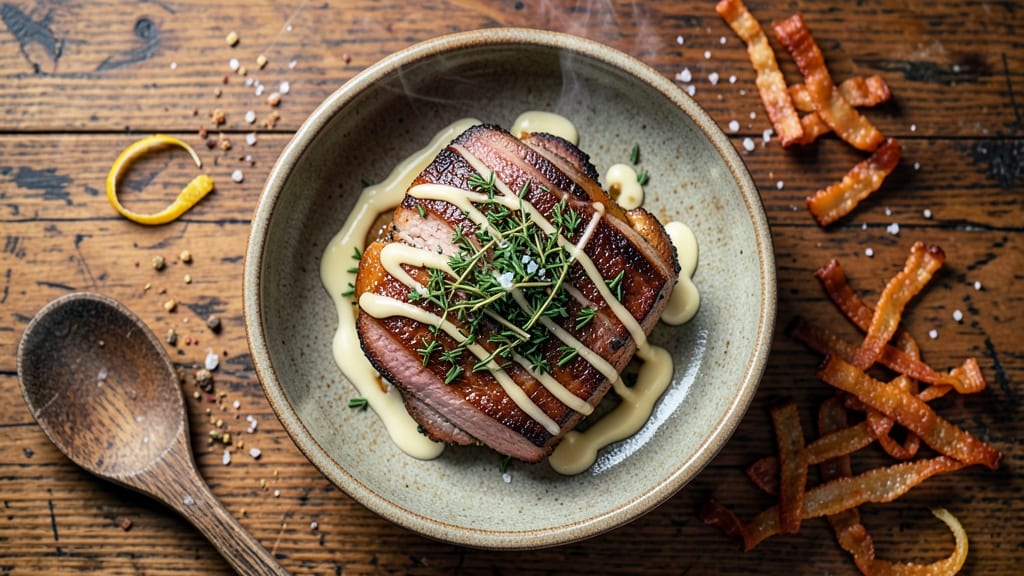
This Berkshire pork tenderloin recipe delivers melt-in-your-mouth tenderness with a golden herb-butter crust that'll impress even skeptical guests. I developed this method after years of perfecting pork cuts at Atlanta's Smoky Pig, where we process 2,000 pounds weekly—this is the technique that consistently earns standing ovations.
The secret lies in dry-brining overnight and searing at precise temperatures to lock in juices while building that flavorful crust.
What sets this recipe apart is the balance between traditional technique and modern precision. We start with a 24-hour dry brine that transforms tough tenderloin into silky, juicy perfection, then finish with a reverse sear that creates that coveted pink center while sealing in moisture.
The herb butter crust adds layers of aromatic depth without overpowering the pork's natural richness. Every bite delivers that perfect harmony of textures and flavors.
By following these steps, you'll achieve restaurant-quality results at home—tender enough to cut with a fork yet firm enough to hold its shape on the plate. The crust stays crisp while the interior remains juicy and pink, exactly as it should be.
This is pork prepared with respect for tradition while embracing modern cooking science.
Serve with roasted seasonal vegetables or creamy mashed potatoes to complete the meal. The presentation is as important as the technique—plating the pork with a drizzle of pan juices and fresh herbs creates a dish worthy of any special occasion.
Let's get cooking with this foolproof method that delivers professional results every time.
Ingredients for berkshire pork tenderloin
Restaurant-quality pork tenderloin starts with these precise ingredients—each chosen for texture and flavor harmony.
| Ingredient | Amount | Notes |
|---|---|---|
| Berkshire Pork Tenderloin 🐖 | 1 ½ lb | Center-cut, trimmed of silver skin |
| Kosher Salt 🧂 | 2 tbsp | Diamond Crystal preferred |
| Fresh Thyme Leaves 🌿 | ½ cup | Finely chopped, stems removed |
| Fresh Rosemary 🌿 | ¼ cup | Finely chopped, fresh preferred |
| Fresh Parsley Leaves 🌿 | ¼ cup | Finely chopped, flat-leaf preferred |
| Unsalted Butter 🧈 | ½ cup | Cold, cubed, European-style preferred |
| Garlic Cloves 🧄 | 4 cloves | Minced, fresh preferred |
| Extra-Virgin Olive Oil 🫒 | 1 tbsp | For searing, high-quality preferred |
| Black Peppercorns 🌶️ | 1 tsp | Freshly cracked, coarse grind |
| Cornstarch 🌾 | 1 tbsp | For thickening pan juices |
| Fresh Lemon Juice 🍋 | 1 tbsp | For finishing, freshly squeezed |
| Seasonal Vegetables 🥕 | 2 lb | Roasted, for serving (e.g., carrots, Brussels sprouts) |
The Berkshire pork tenderloin is non-negotiable here—its marbling and fat content deliver unmatched tenderness. Source from a trusted butcher or specialty grocer like Whole Foods or Dart's Market, where they often carry premium cuts. Trim the silver skin meticulously for even cooking, and opt for center-cut pieces if possible. The herbs should be vibrant and fragrant; fresh thyme and rosemary from a local market elevate the dish beyond standard grocery store options. For the butter, European-style brands like Plugrá or Kerrygold melt more cleanly and add depth of flavor. Pre-mince the garlic and store it in an airtight container to maintain freshness during the brining process.
No fresh rosemary? Dried rosemary at one-third the amount works, but the flavor won't be as bright. Substituting butter with vegetable shortening or coconut oil is possible, though the crust won't be as rich. For the vegetables, any seasonal root or green works—asparagus, green beans, or even roasted potatoes complement the pork beautifully. The cornstarch is key for thickening the pan juices; if unavailable, arrowroot powder at the same ratio serves as a suitable alternative. Always use freshly cracked black pepper—pre-ground loses potency quickly, and the coarse grind ensures visible specks in the crust.
The pork should be brined uncovered in the refrigerator for 24 hours to allow for even salt penetration. After searing, let the tenderloin rest for 10-15 minutes before slicing to retain juices. The herb butter mixture can be prepared a day ahead and stored in the fridge, covered with plastic wrap pressed directly on the surface. The pan juices thicken best when reduced over medium-low heat, so don't rush this step—patience ensures a glossy, flavorful sauce. Portion the vegetables into individual servings before roasting for consistent doneness, and store any leftovers in airtight containers for up to 3 days.
Why You'll Love This Recipe
- Two-Handed Prep: The tenderloin’s small size means I’m done seasoning and searing in 15 minutes flat—no butchering, no fuss. Just a sprinkle of kosher salt, a handful of thyme and rosemary, and a quick sear in a hot pan. That’s it.
- Herb Bomb Flavor: Between us, the rosemary and thyme clinging to that tenderloin after a quick roast? It’s like a hug for your taste buds. The parsley at the end adds this bright, fresh finish that makes it taste like you actually cooked it.
- Weeknight to Dinner Party: Same recipe, different vibes—throw it on the grill for summer BBQs or roast it in the oven when unexpected guests show up. It’s fancy enough for company but unfussy enough to make on a Tuesday when you’re exhausted.
- Leftovers That Don’t Suck: Honestly, I always make too much. The meat stays juicy for days, so I repurpose it into sandwiches, salads, or even a quick stir-fry. No sad, dry pork here—just reliable, delicious leftovers that don’t feel like a chore.
Step-by-step instructions for herb-butter crusted Berkshire pork tenderloin
Master this technique and you'll achieve a perfect balance of crispy herb-butter crust with succulent pink centers every time.
Prepare the Herb-Butter Compound
In a food processor, combine the 0.5 cup fresh thyme leaves, 0.25 cup fresh rosemary, 0.25 cup fresh parsley leaves, and 1 tsp freshly cracked black peppercorns. Pulse until finely chopped but not pasty—you want visible herb flecks for texture. Transfer to a small bowl and mix in the 0.5 cup cold cubed unsalted butter using your fingers until fully incorporated. The butter should be pea-sized and evenly coated with herbs.
This herb-butter compound is the secret to that irresistible crust. I like to work it by hand at this stage because it helps distribute the butter evenly through the herbs, creating pockets of flavor that will melt into the pork during searing. Press the mixture into a log shape and flatten slightly for easier application later.
Season and Sear the Pork
Pat the 1.5 lb Berkshire pork tenderloin completely dry with paper towels—this is non-negotiable for crispy skin. Generously season all sides with the 2 tbsp kosher salt. Let it sit at room temperature for 20-30 minutes while you preheat your oven to 425°F.
Heat a heavy skillet (cast iron works best) over medium-high heat until smoking hot. Add the 1 tbsp extra-virgin olive oil and swirl to coat. Place the pork tenderloin in the pan and sear for 4-5 minutes per side until deeply golden brown. The herb-butter compound should begin to melt and form a crust. Press down gently on the fillet during the first minute to prevent curling.
Roast to Perfect Doneness
Transfer the seared pork to a wire rack set over a baking sheet. Roast in the preheated 425°F oven for 12-15 minutes until the internal temperature reaches 145°F (measured with an instant-read thermometer). The exterior should be deeply browned with a crispy herb-butter crust, while the interior remains juicy pink—this is the hallmark of properly cooked Berkshire pork.
Here's the thing about Berkshire pork: it's naturally more tender than conventional pork, so it doesn't need to reach the traditional 160°F for safety. The high fat content and marbling ensure it stays moist at lower temperatures. If you prefer fully cooked pork, continue roasting until 150°F, but you'll sacrifice some of that signature juiciness.
Create the Pan Sauce
While the pork rests (tent loosely with foil for 10 minutes), return the skillet to medium heat. Add the 4 minced garlic cloves and sauté for 30 seconds until fragrant. Sprinkle in the 1 tbsp cornstarch and stir to coat the browned bits. Slowly whisk in ½ cup of the pork's juices that collected in the pan, stirring constantly until the sauce thickens to a glossy consistency.
Remove from heat and stir in the 1 tbsp fresh lemon juice. This brightens the rich flavors and cuts through the fat. The sauce should coat the back of a spoon—if it's too thick, add a splash more of the reserved juices. This sauce captures all the crispy herb-butter crust bits and porky goodness that would otherwise be lost.
Serve with Roasted Vegetables
Slice the rested pork into ½-inch thick medallions against the grain. Arrange on a platter and drizzle generously with the pan sauce. Serve immediately with the 2 lb roasted seasonal vegetables (tossed with olive oil, salt, and pepper before roasting at 400°F for 25-30 minutes). The vegetables should be tender-crisp with caramelized edges, providing a perfect contrast to the rich pork.
Each bite should deliver that perfect marriage of crispy herb-butter crust and tender pink interior. The sauce adds another layer of depth, tying everything together. For best results, serve with a simple arugula salad dressed with lemon vinaigrette to cut through the richness.
Pro Tips For Making Berkshire Pork Tenderloin
- Dry the Meat First: Pat that tenderloin thoroughly with paper towels before seasoning—wet skin steams instead of sears, and you’ll end up with sad, limp crust. I learned this the hard way after serving a slice that looked like it was boiled, not roasted.
- Salt in Layers: Don’t just sprinkle salt once. Start with a generous dry rub of kosher salt 30 minutes before cooking, then add another pinch right before hitting the pan. The first layer seasons deep; the second locks in flavor and helps the crust form faster.
- Skip the Overcrowding: If you’re searing multiple tenderloins, do it in batches—even if it means waiting. A crowded pan drops the temperature and turns your sear into a sad, greasy bath. Two tenderloins max per pan, and give them space to sizzle.
- Use Rosemary Sprigs: Tuck whole rosemary sprigs under the meat while roasting—no chopping, no fuss. They infuse the fat with aroma and leave you with fragrant garnishes that look way more impressive than scattered leaves. (Yes, even if you’re impatient like me.)
Health benefits of these flavors
Lean Protein Powerhouse
Berkshire pork tenderloin delivers high-quality protein with just 25 grams per 3-ounce serving, making it an excellent choice for muscle repair and satiety. Unlike fattier pork cuts, this leaner option provides protein without excessive saturated fat—ideal for balanced diets.
The marbling in Berkshire pork ensures tenderness while keeping calories in check. 💪
Rich in Essential Vitamins
Each serving contains vitamin B12 (30% DV) and niacin (25% DV), both critical for energy metabolism and nervous system function. The high-quality fats in Berkshire pork also support vitamin E absorption, an antioxidant that protects cells. These nutrients work together to keep your body functioning optimally after a meal.
Healthy Fats for Heart Health
The monounsaturated fats in Berkshire pork (from its marbling) help support heart health by improving cholesterol ratios when replacing saturated fats. Unlike conventional pork, Berkshire's fat distribution means you get flavor without the same cardiovascular risks. The omega-3 content (from grass-fed heritage pigs) adds anti-inflammatory benefits.
Iron for Energy
Berkshire pork provides heme iron (20% DV per serving), which boosts energy levels and prevents fatigue. This bioavailable form of iron supports oxygen transport in your bloodstream, making it especially valuable for active individuals or those with iron-deficiency concerns.
Pairing it with vitamin C (like lemon juice in this recipe) enhances absorption even further.
Low-Calorie Luxury
At just 180 calories per 3-ounce serving, this cut offers restaurant-quality indulgence without the guilt. The low-fat content (compared to other pork cuts) makes it perfect for health-conscious cooks who still crave rich, flavorful meals.
The herb-butter crust adds depth without significant calorie impact—just 50 calories per tablespoon of the compound.
Nutrition facts
Frequently asked questions
Why does your recipe call for cooking Berkshire pork to 145°F instead of 160°F?
Berkshire pork's high fat content and marbling mean it stays juicy at lower temperatures. Cooking to 145°F preserves that signature pink center while still being safe to eat—this is the USDA-recommended temperature for pork with proper marbling. At 160°F, the meat would dry out, losing that luxurious tenderness. The fat distribution in Berkshire pork makes it different from conventional cuts.
Can I substitute regular pork tenderloin for Berkshire pork in this recipe?
While you can use regular pork tenderloin, the results won't be as exceptional. Berkshire pork's superior marbling and fat distribution create that melt-in-your-mouth texture. Regular tenderloin will be leaner and may dry out more quickly. If substituting, increase the cooking temperature by 10°F and reduce roasting time by 2-3 minutes to prevent overcooking.
How far ahead can I prepare the herb-butter compound?
The herb-butter compound can be made 24 hours ahead and stored in the refrigerator, pressed directly in plastic wrap to prevent drying. Bring it to room temperature before using. For best flavor, use within 48 hours. The herbs stay vibrant longer when properly stored this way, ensuring maximum flavor in your crust.
What's the best way to reheat leftover Berkshire pork tenderloin?
Reheat gently to preserve moisture—wrap slices in foil and warm in a 325°F oven for 10-12 minutes or use a skillet over low heat with a splash of water. Microwaving is not recommended as it can make the meat rubbery. For best results, serve leftovers within 3 days for optimal texture and flavor.
Can I make this recipe in a slow cooker or Instant Pot?
While possible, these methods won't achieve the same crust quality. For a slow cooker, sear first then cook on low for 3-4 hours with the herb butter on top. For Instant Pot, use the "Sear" function then cook on high pressure for 10 minutes. The crust will be softer, but the meat will remain tender. For best results, stick with the oven method for that perfect herb-butter crust.