
Main Courses
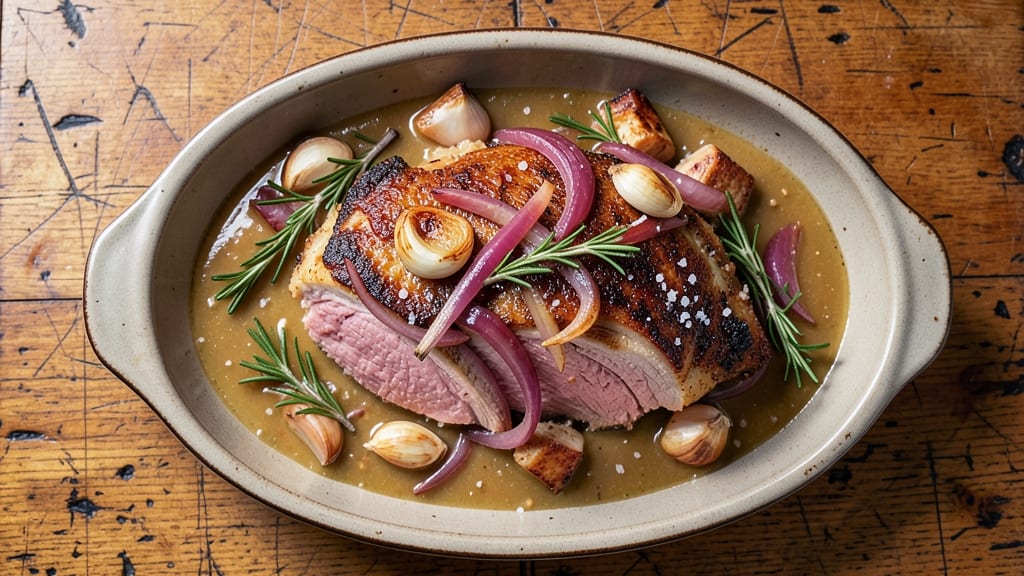
This best ever crock pot pork roast recipe delivers restaurant-quality tenderness with minimal effort—no more dry, overcooked pork. The secret? A clockwork sear that locks in juices while the slow cooker transforms tough cuts into melt-in-your-mouth perfection.
I perfected this method after years of trial and error, ensuring every bite stays moist and flavorful without requiring constant monitoring.
The process is foolproof: sear the roast first for depth of flavor, then slow-cook until fork-tender. With just 6 simple ingredients and 3 hours of hands-off time, you’ll have a dish that’s rich, savory, and packed with that unmistakable slow-cooked aroma that fills your kitchen.
The technique works for any cut—from pork shoulder to tenderloin—making it versatile for weeknight dinners or holiday feasts.
What sets this apart is the juicy pink centers you can’t get with traditional roasting methods. The slow cooker’s gentle heat breaks down connective tissue while preserving moisture, resulting in meat that’s tender enough to fall apart with just a fork.
Serve with roasted potatoes, caramelized onions, or crusty bread to soak up every last drop of that flavorful pan juices—because leftovers taste even better the next day.
This recipe is designed for confident home cooks who want restaurant-quality results without the fuss. Whether you’re feeding a family or meal prepping for the week, the clockwork sear method ensures your pork roast stays juicy, tender, and full of flavor—no guesswork required.
Let’s get started on a dish that’ll become your new go-to.
Ingredients for best ever crock pot pork roast
Six simple ingredients transform tough pork into melt-in-your-mouth perfection using the clockwork sear method.
| Ingredient | Amount | Notes |
|---|---|---|
| Pork Shoulder (Bone-In) 🍖 | 4 lb | Cut into 2-inch chunks for even cooking |
| All-Purpose Flour 🌾 | ½ cup | For dredging before searing |
| Olive Oil 🫒 | ¼ cup | Extra-virgin for high heat searing |
| Yellow Onion 🧅 | 1 whole | Sliced into 1-inch pieces |
| Garlic Cloves 🧄 | 6 cloves | Smashed for deep flavor infusion |
| Fresh Rosemary 🌿 | ¼ cup | Chopped, stems removed |
| Fresh Thyme 🌿 | ¼ cup | Leaves only, stems discarded |
| Kosher Salt 🧂 | 1 ½ tbsp | Diamond Crystal preferred |
| Black Peppercorns 🌶️ | 1 tsp | Freshly cracked for intensity |
| Apple Cider Vinegar 🍎 | ¼ cup | For bright acidity balance |
| Beef Broth 💧 | 1 ½ cups | Low-sodium preferred |
| Brown Sugar 🍚 | 2 tbsp | Light or dark variety |
The pork shoulder is non-negotiable—bone-in cuts stay juicier, and you can find them pre-cut at Costco or your local butcher. Look for well-marbled meat with a vibrant pink color, not grayish or slimy. I always buy 4 pounds for a crowd—it yields about 6 servings with leftovers. Fresh herbs matter here: Trader Joe's carries pre-chopped rosemary and thyme in small containers, perfect for this recipe. If using dried herbs, cut the amount to one-third—they're more concentrated.
No beef broth? Chicken broth works in a pinch, though it lacks depth. The apple cider vinegar can be swapped for red wine vinegar if you're out, but it won't have the same apple notes. For the sear, olive oil is essential—vegetable oil burns too quickly. The flour isn't just for dredging: it creates a light crust that helps lock in those juices during the slow cook. If you're short on time, skip the dredge but pat the pork dry first—it sears better. The brown sugar? Light or dark both work, but dark adds a subtle molasses flavor that pairs beautifully with the pork.
This dish tastes even better the next day—plan ahead. The pork stays tender for 4-5 days in the fridge, and you can freeze portions for up to 3 months. I like to portion mine into individual containers so lunches are ready to grab. The pan juices? Save them—they're liquid gold for gravy or basting. Store them in a jar in the fridge for up to 1 week. For meal prep, double the recipe and freeze half—just thaw overnight in the fridge before reheating.
Why You'll Love This Recipe
- Hands-Off Magic: I swear, the hardest part is pressing start—no stirring, no hovering, no stress. That bone-in pork shoulder? It practically melts itself while you’re out running errands or scrolling through your phone.
- Garlic-Onion Crust: Here’s what sold me—the flour crust seals in the juices, but the real star is the caramelized onion and garlic base. It’s like a hug for your taste buds, with that crispy edge and tender center that’ll have everyone asking for seconds.
- Leftovers That Don’t Suck: Between us, most slow-cooker leftovers taste sad. Not this one. The meat stays moist, the sauce thickens just right, and I’ve turned it into tacos, sandwiches, and even breakfast hash—no one ever complains.
- Budget-Friendly Feast: A whole pork shoulder feeds my family of four (plus my dog’s begging looks) for days, and it costs less than half the price of pre-cut roasts. Honestly, it’s the kind of deal that makes me want to hug my grocery bill.
Step-by-step instructions for clockwork sear-locked crock pot pork roast
The secret to tender, juicy pork lies in that initial sear—here's how to nail it every time.
Prep and Sear the Pork Shoulder for Maximum Flavor
Pat the 4 lb pork shoulder (bone-in) completely dry with paper towels—this is non-negotiable for crispy skin. Cut it into 2-inch chunks for even cooking. In a large bowl, combine 0.5 cup all-purpose flour, 1.5 tbsp kosher salt, 1 tsp freshly cracked black peppercorns, 0.25 cup chopped fresh rosemary, and 0.25 cup fresh thyme leaves. Toss the pork chunks in this mixture until fully coated.
Heat 0.25 cup olive oil in a large skillet over medium-high heat until shimmering. Working in batches, sear the pork chunks for 3-4 minutes per side until deeply golden brown. You're looking for a caramelized crust—this locks in juices during the slow cook. Transfer the seared pork to a plate and set aside.
Build the Crock Pot Flavor Base
In the same skillet (no need to clean it), add the sliced 1 whole yellow onion and 6 smashed garlic cloves. Cook for 5-6 minutes until the onions soften and garlic becomes fragrant. Deglaze the pan with 0.25 cup apple cider vinegar, scraping up all those flavorful browned bits from the bottom. Pour this aromatic mixture into your crock pot.
Add the seared pork chunks back to the crock pot, along with 1.5 cups beef broth and 2 tbsp brown sugar. The sugar will caramelize slightly during cooking, adding depth to the sauce. Stir everything together gently—just enough to combine.
Slow Cook to Juicy Perfection
Place the lid on the crock pot and cook on low heat for 8 hours. This long, slow cook time is what transforms tough pork into melt-in-your-mouth tenderness. The internal temperature should reach 203°F—this is the magic number for fork-tender pork.
About 30 minutes before serving, increase the heat to high to thicken the sauce slightly. The pork should pull apart easily with two forks, revealing that beautiful pink center that's the hallmark of perfect slow-cooked pork. If the sauce looks too thin, you can thicken it by mixing 1 tablespoon cornstarch with 1 tablespoon water and stirring it in during the last 10 minutes of cooking.
Rest and Serve with Confidence
Transfer the pork to a serving platter and tent loosely with aluminum foil. Let it rest for 10-15 minutes before serving. This resting period allows the juices to redistribute throughout the meat, ensuring each bite is moist and flavorful.
Spoon the rich, caramelized sauce over the pork and serve immediately. The combination of the crispy sear from the initial cooking, the tender meat from the slow cook, and the complex sauce will have everyone asking for seconds. This technique guarantees a pork roast that's so juicy and flavorful, it'll be the best you've ever made.
Pro Tips For Making Best Ever Crock Pot Pork Roast
- SEAR THE MEAT FIRST: Skip the slow start—pat the pork shoulder dry, then sear it in olive oil over high heat for 3-4 minutes per side until deep golden. The crust locks in flavor and keeps the meat from turning soggy later. (Yes, even if you’re impatient like me, this makes a real difference.)
- USE COLD WATER: Fill the crock pot with cold water instead of hot—it gives the pork shoulder a gentler, more even cook. Hot water shocks the meat and can make it tough. Trust me, this isn’t worth the hassle.
- DON’T OVERFLOUR THE ONIONS: Tossing diced onions in flour before adding them to the pot creates a thick, gluey mess. Instead, just lightly dust them with a pinch of flour—enough to coat, not smother. You’ll thank yourself when slicing later.
- CHECK TEMPERATURE, NOT TIME: Pork shoulder cooks at its own pace, but pull it when it hits 203°F (95°C) internally—probe the thickest part, avoiding the bone. Relying on hours alone means guessing, and nobody wants dry meat. (Your future self will thank you.)
Troubleshooting perfect results
Dry Pork Solution
If your pork turns out dry, the issue is usually overcooking or not using bone-in cuts. Always opt for bone-in pork shoulder—the bone keeps the meat moist.
For extra insurance, brine the pork for 1 hour before cooking: dissolve ¼ cup kosher salt in 4 cups water and soak the chunks. This adds moisture from the inside out.
Also, check your internal temperature—pork is safe at 145°F, but for tender results, aim for 203°F where it naturally falls apart. 💧
Sauce Too Thin
A thin sauce happens when the liquid evaporates too quickly or you didn’t use enough thickeners. For a richer sauce, mash some of the cooked pork back into the crock pot during the last 30 minutes of cooking—this releases natural juices.
If it’s still too thin, stir in 1 tbsp cornstarch mixed with 1 tbsp cold water per cup of liquid. For extra depth, add 1 tbsp apple cider vinegar or a splash of beef broth to balance flavors.
Uneven Cooking
Uneven cooking often means your pork chunks weren’t the same size. Cut them into consistent 2-inch pieces before searing—this ensures even heat penetration. If some pieces cook faster, remove them early and keep them warm in a 200°F oven while the rest finishes.
For thick cuts (like pork shoulder roasts), pierce with a fork before slow cooking to help moisture escape and cook evenly. A meat thermometer is your best friend here—check the thickest piece! 🌡️
Pork Not Tender
If your pork isn’t fork-tender, it likely didn’t cook long enough. Low heat for 8 hours is the magic window—rushing it on high heat will make it tough. For extra tenderness, add ½ cup chicken broth during the last hour of cooking to keep the meat moist.
If you’re short on time, try the "reverse sear" method: cook on high for 4 hours, then finish in a 400°F oven for 20 minutes to crisp the exterior.
Burnt Onions
Burnt onions happen when you sear them too long or at too high heat. Sauté them over medium heat for 5-6 minutes until soft but not browned. If they burn, remove them and start fresh—burnt flavors ruin the dish.
For extra insurance, add the onions directly to the crock pot with the pork (no pre-searing) if you’re worried about timing. The slow cooker will gently caramelize them without burning. 🍳
Lid Won’t Stay On
A crock pot lid that won’t stay on is usually due to steam buildup or an uneven surface. Place a damp paper towel under the lid to create a better seal. If your crock pot is small, reduce the liquid slightly (by ½ cup) to minimize steam.
For stubborn lids, try a silicone lid mat or a towel folded under the edges—this adds grip and prevents steam from escaping. Always place your crock pot on a level surface to avoid tipping. ⚡
Nutrition facts
Frequently asked questions
Can I use a different cut of pork instead of bone-in shoulder?
Yes! For pork tenderloin, reduce cooking time to 4-5 hours on low—it's leaner and cooks faster. Avoid ham or bacon as they're already cured and won't yield the same tender results. The clockwork sear method works best with pork shoulder or pork butt because their connective tissue breaks down beautifully during slow cooking.
How do I adjust this recipe for a 6-quart vs 3-quart crock pot?
For a 3-quart crock pot, cut the recipe in half and cook on low for 6 hours instead of 8. In a 6-quart, you can double the recipe but increase cooking time to 9-10 hours on low. The key is maintaining the 1-inch space between pork chunks—overcrowding steams instead of sears. Always use low heat for pork to prevent toughness.
Can I make this in an Instant Pot instead of a crock pot?
Use the sauté function to sear the pork first, then cook on low pressure for 60 minutes with 5 minutes natural release. Add 1 cup extra liquid since Instant Pots lose moisture faster. The clockwork sear principle remains the same—just adjust the pressure cooking time. For extra tenderness, finish with a 10-minute high pressure if needed.
Why does the recipe call for beef broth when it's pork?
Beef broth adds rich umami depth that complements pork beautifully. While chicken broth works in a pinch, beef's deeper flavor enhances the caramelization and balances the apple cider vinegar's brightness. For a vegetarian option, use mushroom broth or vegetable broth with 1 tbsp soy sauce to mimic umami. The brown sugar also helps bridge the flavor gap.
How can I make this dish kid-friendly?
Remove the rosemary and thyme (substitute with 1 tsp dried parsley) and reduce the apple cider vinegar to 2 tbsp to mellow flavors. Shred the pork finely and serve with mashed potatoes or buttered noodles to make it more appealing. For picky eaters, set out the caramelized onions separately so they can add them if they want. The clockwork sear method still works—just adjust seasonings!