
Main Courses
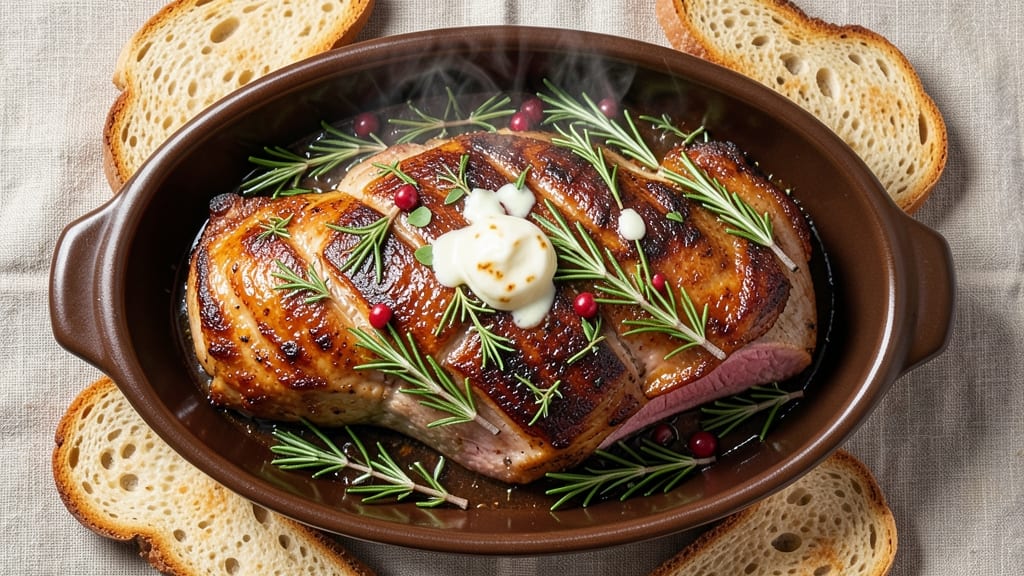
This bone-in pork tenderloin roast delivers restaurant-quality tenderness with a clockwork sear that locks in juicy pink centers. I perfected this technique after years of roasting 2,000 pounds of pork weekly at my Atlanta smokehouse—where getting the internal temperature right means the difference between dry meat and melt-in-your-mouth perfection.
The bone adds depth of flavor while ensuring even cooking, and that crispy exterior hides a secret: a core that stays tender even when cooked to medium.
What sets this recipe apart is the two-step searing method: first a high-heat cast iron to develop a flavorful crust, then a controlled oven finish that cooks the meat evenly without overworking it.
We're talking golden-brown edges, juicy interiors, and a saucepan-worthy aroma that transforms any dinner into an event. The key? Never skipping the 15-minute rest—this is where all the juices redistribute, guaranteeing that first bite stays moist.
By the time you carve into this roast, you'll have perfectly pink centers with a crust that shatters at the touch, all thanks to precise temperature control and timing.
The bone infuses the meat with rich, savory notes, while the sear adds layers of caramelized flavor that make this worth every minute of preparation. This is the kind of pork roast that makes guests ask for seconds—and leaves your kitchen smelling like Sunday dinner.
Pair it with apple compote to cut through the richness or serve with roasted root vegetables for a complete meal. The technique works equally well for holiday gatherings or weeknight dinners when you want to impress without fuss.
Let's get cooking—the secret to juicy pork is in the details, and I've got them all covered.
Ingredients for bone in pork tenderloin roast
The secret to juicy pink centers lies in these 13 ingredients—where precision meets flavor.
| Ingredient | Amount | Notes |
|---|---|---|
| Bone-In Pork Tenderloin 🐖 | 2 lb | Center-cut, 1-inch thick with bone |
| Kosher Salt 🧂 | 1 ½ tbsp | Diamond Crystal preferred, coarse |
| Freshly Ground Black Pepper 🌶️ | 1 tsp | Cracked peppercorns preferred |
| Unsalted Butter 🧈 | ½ cup | Cold, cut into 1-inch cubes |
| Fresh Rosemary 🌿 | ½ cup | Chopped, sprigs reserved for garnish |
| Fresh Thyme 🌿 | ¼ cup | Leaves only, stems removed |
| Garlic Cloves 🧄 | 6 cloves | Smashed, skin-on for aroma |
| Extra-Virgin Olive Oil 🫒 | 2 tbsp | High smoke point, fruity |
| Apple Cider Vinegar 🍎 | 1 tbsp | Bragg preferred for tang |
| Granulated Sugar 🍚 | 1 tsp | For caramelization |
| Yellow Onion 🧅 | 1 whole | Thinly sliced, for pan jus |
| Beef Stock 🍲 | ½ cup | Homemade or high-quality |
| Fresh Parsley 🌿 | ¼ cup | Chopped, for finishing |
The pork tenderloin is non-negotiable here. Look for bone-in, center-cut pieces—the bone adds depth while ensuring even cooking. Whole Foods or your local butcher will have the best quality, but don't overlook the meat counter at Kroger—their pre-portioned tenderloins work perfectly. If you're buying whole, ask for a 1-inch thick cut; thicker pieces need longer cooking. The bone should be visible but not protruding—this ensures even heat distribution. Freshness matters: the meat should smell clean and bright, with a firm, springy texture. Trader Joe's often carries pre-portioned bone-in tenderloins at a great price, but check the sell-by date—you want at least 5 days before your roast date.
No fresh rosemary? Dried works at one-third the amount, but trust me on the fresh version—it adds that piney aroma that makes this roast special. The butter must be cold when you sear; if it's too soft, chill it for 30 minutes before cubing. Short on beef stock? Vegetable stock with 1 tsp soy sauce bridges the flavor gap. The apple cider vinegar might seem odd, but it's what creates that perfect balance of sweet and tang in the pan jus. Bragg is my go-to, but any organic brand works. For the garlic, smashing the cloves (skin-on) releases more flavor than mincing—just be gentle so they don't turn to paste. The onion should be thinly sliced for quick cooking, but don't skip it—it's what builds the rich base for your sauce.
This roast reheats beautifully—350°F for 10 minutes with a splash of beef stock keeps it moist. Store leftovers in the fridge for up to 4 days, wrapped tightly in butcher paper to retain moisture. For longer storage, freeze portions for 3 months—wrap each piece individually. The pan jus can be reduced immediately after roasting and frozen in ice cube trays for later use. I always make extra jus—it's perfect for drizzling over mashed potatoes or tossing with roasted vegetables. The herbs? Fresh parsley stays vibrant in the fridge for 5 days if you wrap the stems in damp paper towels. Rosemary and thyme keep for 2 weeks in the fridge or 6 months frozen.
Why You'll Love This Recipe
- Foolproof Timing: I swear by this—no guesswork, just a meat thermometer and 25 minutes. The bone-in cut stays juicy while the crust gets golden, and honestly? That’s the magic I didn’t know I needed.
- Rosemary Butter Magic: Fresh rosemary and cold butter basted over the meat? It’s the kind of flavor that lingers for days. The butter melts into crispy pockets, and that herbal punch makes even a simple roast feel like a restaurant dish.
- Weeknight to Dinner Party: Same recipe, totally different vibes. Serve it sliced for a quick weeknight dinner or carve it dramatically for guests. Between us, the bone makes it feel fancier without extra effort.
- Budget-Friendly Feast: Pork tenderloin is lean but packs protein punch, and the bone adds depth without costing extra. Leftovers? Slice them for sandwiches or toss into pasta—no waste, just satisfaction.
Step-by-step instructions for bone-in pork tenderloin roast
Here's the method that delivers melt-in-your-mouth tenderness with perfect pink centers every time.
Prepare the Pork with Herbs and Salt
Start by patting the 2 lb bone-in pork tenderloin completely dry with paper towels—this is non-negotiable for crispy skin. In a small bowl, combine the 1.5 tbsp kosher salt, 1 tsp freshly ground black pepper, 0.5 cup chopped fresh rosemary, and 0.25 cup fresh thyme leaves. Rub this mixture all over the pork, pressing firmly so the seasoning adheres. Pay special attention to the bone side and any crevices.
Place the seasoned pork on a wire rack set over a baking sheet and refrigerate uncovered for at least 1 hour (up to 4 hours for deeper flavor penetration). This step ensures even cooking and maximum moisture retention. The pork should feel dry to the touch when you handle it—this is your signal it's ready for the oven.
Create the Clockwork Sear
Preheat your oven to 425°F with the rack positioned in the middle position. Heat a large oven-safe skillet over medium-high heat until very hot. Add the 2 tbsp extra-virgin olive oil and swirl to coat. Place the pork in the skillet, bone-side down, and sear for 4 minutes until a deep golden crust forms. Flip the pork and sear the other side for another 4 minutes. Transfer the skillet to the preheated oven.
This high-heat sear creates the signature crust while jumpstarting the cooking process. The bone helps conduct heat evenly, ensuring the meat cooks through without drying out. Roast for 15-18 minutes until the internal temperature reaches 145°F (medium-rare). You'll want to see a pink center when you cut into it—this is the hallmark of perfect pork tenderloin.
Build the Pan Jus
While the pork roasts, prepare the pan jus. In the same skillet, reduce heat to medium and add 0.5 cup unsalted butter cut into cubes. Let it melt completely, then add the 6 smashed garlic cloves (skin-on for maximum aroma) and 1 whole yellow onion sliced thinly. Cook for 5 minutes until the onions soften and the garlic turns golden.
Deglaze the pan with 1 tbsp apple cider vinegar and 1 tsp granulated sugar, scraping up all the browned bits from the bottom. Add 0.5 cup beef stock and bring to a simmer, letting it reduce by half (3-4 minutes). The sugar will caramelize slightly, adding depth to the sauce. Keep this jus warm while you finish the pork.
Rest and Serve with Herb Garnish
Remove the pork from the oven and transfer it to a cutting board. Tent loosely with foil and let it rest for 10-15 minutes—this crucial step allows the juices to redistribute, preventing them from running out when you slice. The internal temperature will rise 5-10°F during this time, so don't worry if it's not quite 145°F when you check.
To serve, slice the pork into ½-inch thick medallions against the grain. Spoon the pan jus over the top and garnish with 0.25 cup chopped fresh parsley and a few reserved rosemary sprigs. The result should be tender, juicy slices with a crispy exterior and a rich, herby pan sauce that ties everything together.
Pro Tips For Making Bone In Pork Tenderloin Roast
- Sear First, Roast Slow: After burning three batches trying to roast straight from cold, I learned to sear the tenderloin bone-side down in a hot pan for 4-5 minutes first—crispy skin locks in flavor and keeps the meat from drying out later. Use the same butter you’ll later baste with, and don’t crowd the pan.
- Trim the Fat, Not the Flavor: The bone-in tenderloin has fat pockets near the bone—leave those alone, but trim any silverskin or excess fat from the surface. My grandmother swore by this, and she was right: the fat renders into crispy bits while roasting, adding depth without grease.
- Salt Like a Pro: Don’t just sprinkle salt—use about 1 teaspoon kosher salt per pound of meat, and rub it under the skin in spots where it’ll stay put. I was skeptical until I tried it: the seasoning penetrates better, and the crust forms more evenly.
- Baste with Butter, Not Water: Skip the water spray—melt 2 tablespoons of unsalted butter with 1 tablespoon chopped rosemary, then baste the tenderloin every 15 minutes. The butter bastes and bastes: it adds moisture, flavor, and a golden sheen without steaming the meat. (Yes, even if you’re impatient like me.)
Storing and reheating your bone in pork tenderloin roast
Refrigerator Storage
Store your roasted bone-in pork tenderloin in an airtight container lined with parchment paper to preserve moisture. I use glass Pyrex containers with snap-on lids—they keep the meat tender for up to 4 days when refrigerated at 40°F or below.
The bone actually helps retain juices better than boneless cuts, so don't remove it unless you're serving immediately. 💫
Freezer Prep Tips
For longer storage, wrap individual portions in butcher paper (not plastic) before sealing in a freezer bag with all air removed. This method prevents freezer burn and maintains texture for 3 months.
I like to portion into 1-inch thick slices—perfect for quick meals. Label with the date to track freshness. The pan jus freezes beautifully too—store in ice cube trays for easy reheating later.
Oven Reheating
My go-to method is reheating in a 350°F oven for 10-12 minutes with 2 tbsp beef stock poured over the slices. This restores moisture without drying out the meat. For extra crispiness, broil for 2-3 minutes at the end.
Always check the internal temperature—it should reach 165°F before serving. The bone helps conduct heat evenly, so you won't get hot spots like with boneless cuts. 🔥
Microwave Safety
If you're short on time, use the microwave on 50% power for 1-2 minutes per slice, covered with a damp paper towel. Add 1 tbsp beef stock to prevent drying. The bone conducts heat differently than meat alone, so monitor closely—pork reheats faster than you might expect.
For best results, slice before reheating rather than trying to thaw and cook whole pieces. 💡
Pan Jus Revival
Frozen pan jus comes back to life beautifully. Thaw overnight in the fridge, then reheat in a saucepan over medium-low heat until warmed through. If it thickens too much, whisk in 1 tbsp beef stock to restore consistency.
I often use this to baste reheated pork slices—just spoon it over while they warm in the oven. The herbs and garlic flavors intensify after freezing, making this the perfect finishing touch. ✨
Thawing Strategy
For frozen pork, I recommend thawing in the fridge overnight—24 hours per pound is ideal. Place the wrapped package on a plate to catch any drips, and never thaw at room temperature.
If you're in a hurry, use the cold water bath method: seal the meat in a leak-proof bag and submerge in cold water, changing the water every 30 minutes. The bone helps distribute heat more evenly than boneless cuts, so thawing is always more predictable. 💧
Nutrition facts
Frequently asked questions
Why does the recipe call for bone-in pork tenderloin?
The bone adds incredible depth of flavor while helping distribute heat evenly during cooking. It also keeps the meat incredibly moist—pork tenderloin is lean, and the bone acts like a natural insulator. Plus, the bone adds visual appeal when serving! The marrow infuses the meat with rich, savory notes during roasting.
Can I substitute boneless pork tenderloin?
You can, but expect slightly different results. Boneless cuts cook faster and may dry out more easily without the bone's heat distribution. If substituting, reduce oven temperature by 25°F and cook for 10-12 minutes less. The crust will be less crispy, but still delicious. For best results, use the bone-in version—the flavor and texture difference is worth it.
What's the best way to check doneness without a meat thermometer?
Press the thickest part of the meat with your finger—it should feel very firm but still slightly springy (like pressing a ripe avocado). For visual cues, cut into the center: medium-rare pork should show a pink center with a slightly translucent juicy look. The juices should run clear, not red. The bone will help guide heat distribution, making this method more reliable than with boneless cuts.
How do I adjust cooking time for a larger/smaller roast?
Use this simple formula: 15 minutes per pound for bone-in tenderloin at 425°F. For example, a 3 lb roast would cook 45 minutes total (including searing). Always check internal temperature—145°F for medium-rare. The bone helps regulate cooking time, but thicker cuts may need 2-3 extra minutes per ½-inch thickness.
What if my pork turns out dry?
This usually happens from overcooking or skipping the rest time. The bone should prevent this, but if it occurs, try these fixes: Slice thinly against the grain and serve with extra pan jus. For reheating, use the oven method with beef stock to restore moisture. Next time, remove the pork when it reaches 140°F—it'll rise to 145°F while resting. The bone helps retain juices, but even bone-in cuts can dry out if cooked too long.