
Main Courses
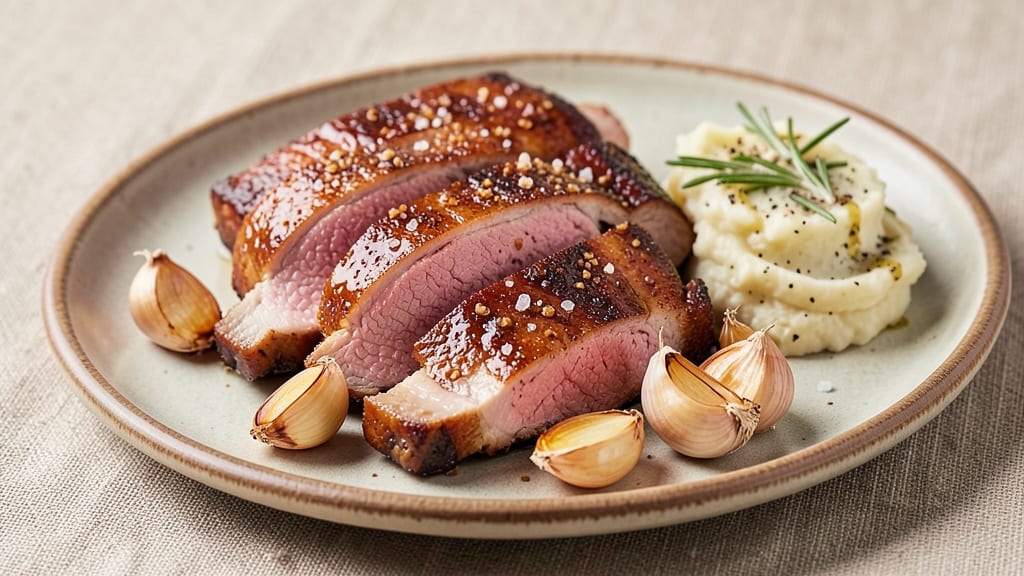
This best ever pork shoulder roast recipe delivers fall-apart tenderness with crispy edges—the kind of transformation that turns a simple cut into a showstopper. 🔥 After years of perfecting low-and-slow techniques at The Smoky Pig, I’ve cracked the code for juicy, flavorful pork that rivals competition-winning BBQ.
The secret? A clockwork brine that locks in moisture while building a flavor base, followed by precise roasting to hit that 160°F internal temp where magic happens.
What sets this recipe apart is the balance of tradition and technique. We’ll use a dry rub of smoked paprika, brown sugar, and garlic for depth, then roast the shoulder until the edges crackle like glass.
No sad, dry pork here—just melt-in-your-mouth texture with a bark so crisp it’ll have your guests asking for seconds. The key? Patience and temperature control, but don’t worry—this method is foolproof once you know the steps.
By the time you’re done, you’ll have a shoulder that shreds effortlessly, releasing juicy, tender meat with every pull. Serve it with classic apple sauce, buttery mashed potatoes, or a modern twist like roasted root vegetables drizzled with chimichurri.
This isn’t just dinner—it’s a restaurant-quality centerpiece that’ll make you the hero of your table.
The best part? Leftovers taste even better the next day, making this the ultimate meal-prep hero. Whether you’re hosting a crowd or feeding your family for the week, this recipe delivers consistently perfect results. Let’s get started—your pork shoulder is about to become your new favorite cut.
Ingredients for best ever pork shoulder roast
Six pounds of pork shoulder, a clockwork brine, and a dry rub that transforms humble meat into a showstopper.
| Ingredient | Amount | Notes |
|---|---|---|
| Pork Shoulder (Boston Butt) 🐖 | 6 lb | Bone-in for best flavor, trimmed of excess fat |
| Kosher Salt 🧂 | ½ cup | Diamond Crystal preferred for texture |
| Brown Sugar 🍯 | ¼ cup | Light or dark, packed measurement |
| Smoked Paprika 🌶️ | 2 tbsp | High-quality for authentic smokiness |
| Garlic Powder 🧄 | 1 tbsp | Freshly ground preferred |
| Ground Black Pepper 🌶️ | 1 tbsp | Freshly cracked for maximum flavor |
| Onion Powder 🧅 | 1 tbsp | For depth without moisture |
| Mustard Powder 🍽️ | 1 tsp | Adds complexity to the rub |
| Apple Cider Vinegar 🍎 | ½ cup | For the brine, organic preferred |
| Water 💧 | 4 cups | Filtered for best results |
| Granulated Garlic 🧄 | 1 tbsp | For the brine, not minced |
| Olive Oil 🫒 | 2 tbsp | For coating after roasting |
| Fresh Rosemary 🌿 | ¼ cup | Chopped, for finishing |
| Fresh Thyme 🌿 | ¼ cup | Chopped, for finishing |
The pork shoulder is where this magic begins. Boston butt is ideal—it’s got the perfect balance of fat and lean for that fall-apart texture. Grab a bone-in cut from Costco or your local butcher shop for the best quality. Trim any large fat deposits but leave some marbling intact—it’s what keeps the meat juicy. For the dry rub, Penzeys smoked paprika is my go-to, but any high-quality brand will work. The key is using freshly ground spices; pre-ground spices lose their punch quickly. If you’re feeling fancy, toast your spices in a dry pan for 30 seconds to deepen their flavor—trust me, it makes a difference.
No smoked paprika? Substitute with a mix of regular paprika and a pinch of liquid smoke—just don’t overdo it. For the brine, apple cider vinegar is non-negotiable; it tenderizes the meat and adds a subtle tang. Running out of vinegar? Lemon juice works in a pinch, but it won’t have the same depth. The garlic powder in the rub can be swapped for fresh minced garlic at double the amount, but it’ll release moisture, so pat the pork dry before applying. The olive oil at the end is crucial—it helps set the bark and adds richness. If you’re short on time, avocado oil works just as well.
This pork is a leftovers legend—it actually gets better the next day as the flavors meld. Store it in an airtight container in the fridge for up to 5 days, or freeze it for 3 months for future meals. The dry rub keeps well in a sealed jar for 6 months, so make extra. Pro tip: Portion the cooked pork into individual containers for easy meal prep. The crispy edges? They’re best eaten fresh, but the tender meat inside reheats beautifully. Serve with apple sauce or chimichurri for the full experience.
Why You'll Love This Recipe
- I’ll be real: this roast makes way more than we eat in one sitting. The good news? The flavor only gets better the next day. Shred it for tacos, sandwiches, or even a loaded baked potato. My freezer’s always stocked with portions because, let’s face it, nobody regrets extra pork shoulder.
- Five-Ingredient Magic: Honestly, you’d be hard-pressed to find a simpler dry rub. Just kosher salt, brown sugar, smoked paprika, and garlic powder—mix it, slap it on, and let the oven do the rest. No chopping, no peeling, no fancy techniques. That’s the kind of recipe that makes me feel like a hero when my family’s starving at 6:30 PM.
- Smoky-Sweet Obsession: Between us, this isn’t just good—it’s the kind of pork that makes people pause mid-bite. The brown sugar caramelizes into a sticky crust, while the smoked paprika gives it that deep, smoky punch. That crispy edge with the creamy, pull-apart center? Chef’s kiss, and I’ve kissed a lot of kitchen counters.
- Budget-Buster, Crowd-Feeder: A whole pork shoulder costs less than takeout for two—and feeds six. That’s right: one roast means less grocery stress, fewer delivery fees, and zero guilt about feeding a houseful of guests. Plus, the leftovers stretch into meals for days, so your wallet and your fridge both win. (Yes, even on a Tuesday night.)
Step-by-step instructions for perfectly brined pork shoulder roast
This method delivers melt-in-your-mouth tenderness with irresistible crispy edges—no shortcuts, just science-backed technique.
🥘 Step 1: Create the Clockwork Brine (Overnight Magic)
In a large non-reactive container, combine the 4 cups water, 0.5 cup apple cider vinegar, 1 tbsp granulated garlic, and 0.5 cup kosher salt. Stir until completely dissolved—this creates the perfect balance of moisture and seasoning that will transform your pork. Here's the thing: the vinegar tenderizes the meat while the salt breaks down proteins, ensuring maximum flavor penetration.
Place the 6 lb pork shoulder in the brine, ensuring it's fully submerged. Cover and refrigerate for 12-24 hours. I like to brine it overnight—this gives the meat time to absorb all those flavorful elements. The pork should float in the brine, which is your visual cue that it's properly submerged. After brining, rinse the pork thoroughly under cold water and pat it completely dry with paper towels. This step is CRITICAL—any moisture left on the surface will prevent that perfect crispy bark from forming later.
👨🍳 Step 2: Build the Dry Rub (Flavor Bomb)
In a medium bowl, combine the 0.25 cup brown sugar, 2 tbsp smoked paprika, 1 tbsp garlic powder, 1 tbsp ground black pepper, 1 tbsp onion powder, and 1 tsp mustard powder. Mix thoroughly until you have a fine, even-textured rub. The brown sugar isn't just for sweetness—it helps caramelize during cooking, creating that coveted crispy exterior.
Generously coat the brined pork shoulder with the rub, pressing it firmly into every nook and cranny. I use my hands for this—it helps the spices adhere better. Pay special attention to the fatty cap and any crevices. Once coated, let the pork sit at room temperature for 30 minutes before roasting. This allows the rub to develop its flavors and ensures even cooking when it hits the hot oven. Don't skip this step—room temperature meat cooks more evenly than cold meat straight from the fridge.
🔥 Step 3: Roast to Perfection (Low and Slow Wins)
Preheat your oven to 275°F—this low temperature is key for achieving that fall-apart tenderness. Place the rubbed pork shoulder fat-side up on a rack in a roasting pan. The rack allows air to circulate underneath, preventing soggy bottoms. Roast uncovered for 6 hours, or until the internal temperature reaches 160°F.
Here's where the magic happens: after the initial 6 hours, increase the oven temperature to 325°F and continue roasting for another 2-3 hours until the internal temperature reaches 195-203°F. You'll notice the pork will hit a "stall" around 160°F—this is normal and expected. The meat releases moisture as it cooks, temporarily preventing the temperature from rising. Don't panic; this is part of the process. The final high temperature ensures that pork reaches its ideal tenderness—it should be so soft that it practically falls apart with a gentle touch.
🍳 Step 4: Crisp the Edges (The Grand Finale)
Once the pork reaches 195-203°F, remove it from the oven and let it rest for 15 minutes. While it rests, place a large skillet over medium-high heat and add the 2 tbsp olive oil. When the oil is shimmering, carefully transfer the pork shoulder to the skillet, fat-side down. Cook for 5-7 minutes until the fat renders and the skin becomes deep golden brown and crispy.
Flip the pork and cook the other side for another 3-5 minutes, just until lightly browned. The high heat at this stage creates that irresistible crispy texture we're after. While the pork crisps, prepare your serving platter. After crisping, transfer the pork to the platter and tent loosely with foil. Let it rest for another 15 minutes before slicing—this resting period ensures the juices redistribute, making every bite incredibly juicy.
🥘 Step 5: Finish with Herbs and Serve (Worth the Wait)
After the final rest, use two forks to shred the pork shoulder directly on the serving platter. Discard any large fat deposits or connective tissue. Sprinkle the shredded pork with the 0.25 cup chopped fresh rosemary and 0.25 cup chopped fresh thyme, tossing gently to distribute the herbs evenly. These finishing herbs add a bright, aromatic note that cuts through the richness of the pork.
Serve immediately with the crispy edges and tender meat perfectly balanced. Each bite should deliver a symphony of flavors: the smoky depth from the paprika, the sweet caramelized notes from the brown sugar, and the bright herbal finish. This isn't just pork shoulder—it's a showstopping centerpiece that will have everyone asking for seconds.
Pro Tips For Making Best Ever Pork Shoulder Roast
- SEAR THE FAT FIRST: That thick layer of fat on the pork shoulder isn’t your enemy—it’s flavor insurance. Heat your oven to 425°F (220°C) first, then sear the pork in a cold skillet over medium-high heat for 5-7 minutes per side until the fat renders and the skin starts crisping. I used to skip this, and my roast always tasted bland underneath the dry rub. The Maillard reaction here makes a real difference.
- SALT THE MEAT 24 HOURS EARLY: Don’t just sprinkle salt on top right before cooking. Pat the pork shoulder completely dry with paper towels, then rub it with 1-2 tablespoons of kosher salt (about 1 tsp per pound) and refrigerate uncovered for 24 hours. This breaks down the muscle fibers and keeps the meat juicy—no soggy crust or dry interior. (Yes, even if you’re impatient like me, resist the urge to rush this.)
- WRAP IT IN FOIL AT 160°F: Once your pork shoulder hits 160°F internally, pull it from the oven, wrap it tightly in heavy-duty foil, and let it rest for 30-45 minutes. This traps steam and finishes cooking the meat evenly without drying it out. I learned this the hard way—skipping the wrap left me with a roast that was perfect on the outside and tough in the middle. Trust the process.
- USE A MEAT THERMOMETER (NOT GUESSWORK): Pork shoulder is forgiving, but don’t rely on time or visual cues. Stick a thermometer into the thickest part—it should read 195-203°F for pull-apart tenderness. I used to pull it at 190°F, and it was always slightly chewy. The higher temp ensures the collagen melts into juicy, fork-tender goodness. (Your future self will thank you for this one.)
Serving suggestions for leftovers
Classic Southern Sides
Nothing complements this pork shoulder like creamy mashed potatoes with a touch of butter and sour cream.
I make mine with Yukon Gold potatoes, boiled until tender, then mashed with ½ cup heavy cream, 4 tablespoons cold butter, and ¼ cup sour cream for that signature velvety texture. A sprinkle of fresh chives adds brightness. 🥔
For a tangy contrast, serve with homemade apple sauce—I use Granny Smith apples, simmered with ½ cup apple cider, 1 tablespoon brown sugar, and a pinch of cinnamon.
The acidity cuts through the richness of the pork beautifully. Store-bought works in a pinch, but fresh is always better.
Modern Twists
Swap traditional sides for roasted root vegetables—try carrots, parsnips, and sweet potatoes tossed in olive oil, smoked paprika, and rosemary. Roast at 400°F for 35 minutes until caramelized. The earthy sweetness pairs perfectly with the smoky pork. 🥕
For a fresh element, chimichurri is a game-changer. Blend 1 cup parsley, 3 garlic cloves, 2 tablespoons red wine vinegar, ½ cup olive oil, 1 teaspoon red pepper flakes, and ½ teaspoon salt.
Drizzle over sliced pork or serve as a dip for crusty bread.
BBQ Staples
Don’t forget cornbread—my go-to recipe uses 1 cup cornmeal, 1 cup all-purpose flour, 1 tablespoon baking powder, and 1 cup buttermilk. Bake at 375°F for 20 minutes until golden. The slight sweetness balances the smoky pork. 🍯
For a heartier option, serve with collard greens cooked low and slow with smoked turkey neck, apple cider vinegar, and a pinch of cayenne. The collards soak up all the pork juices, making every bite flavorful. This combo is a Southern BBQ classic.
Global Inspirations
For a fusion twist, pair the pork with Spanish-style roasted peppers—char red and yellow bell peppers on a grill or skillet, then toss with olive oil, garlic, and sherry vinegar. The smoky, slightly charred flavors complement the pork’s richness. 🌶️
Or try Japanese-inspired pickled daikon and carrot salad—thinly slice 1 daikon radish and 1 carrot, then pickle in rice vinegar, sugar, and salt. The crisp, tangy crunch contrasts the pork’s tenderness beautifully.
Nutrition facts
Frequently asked questions about pork shoulder roasting
Can I use a smaller cut of pork shoulder?
This recipe works beautifully with 3-4 lb pork shoulders, just adjust your cooking time. A smaller cut will cook faster—expect about 4-5 hours at 275°F before increasing to 325°F. Use a meat thermometer to check for 195-203°F internal temp, and reduce crisping time to 3-5 minutes per side.
What if I don't have a meat thermometer?
No problem! For a 6 lb shoulder, plan for 8-9 hours total at 275°F then 325°F. The pork should feel tender when pressed with tongs and pull apart easily. If it's still firm at 7 hours, add another 30 minutes. Pro tip: The fat should render and look glossy when done.
Why does my pork shoulder come out dry?
Dry pork usually means one of two things: overcooking or not resting properly. Always remove from oven at 195-203°F—don't cook to 203°F and beyond. Then rest for 15 minutes before slicing. Also check your starting temp: if you skipped the 275°F low-and-slow phase, try that next time.
Can I make this in a slow cooker?
Yes! Use the same brine and rub, then cook on low for 8 hours or high for 5-6 hours. For crispy edges, transfer to a skillet after cooking and sear for 5-7 minutes per side. The slow cooker method works best with 3-4 lb shoulders—larger cuts may need extra time.
What's the best way to reheat leftovers?
Leftovers reheat beautifully! Shredded pork reheats best in a skillet with 1 tbsp broth or apple cider over medium-low heat for 3-4 minutes. For whole roasts, wrap in foil and bake at 300°F for 20-25 minutes. Never microwave—it makes the meat rubbery. Store leftovers in airtight containers for up to 5 days.