
Main Courses
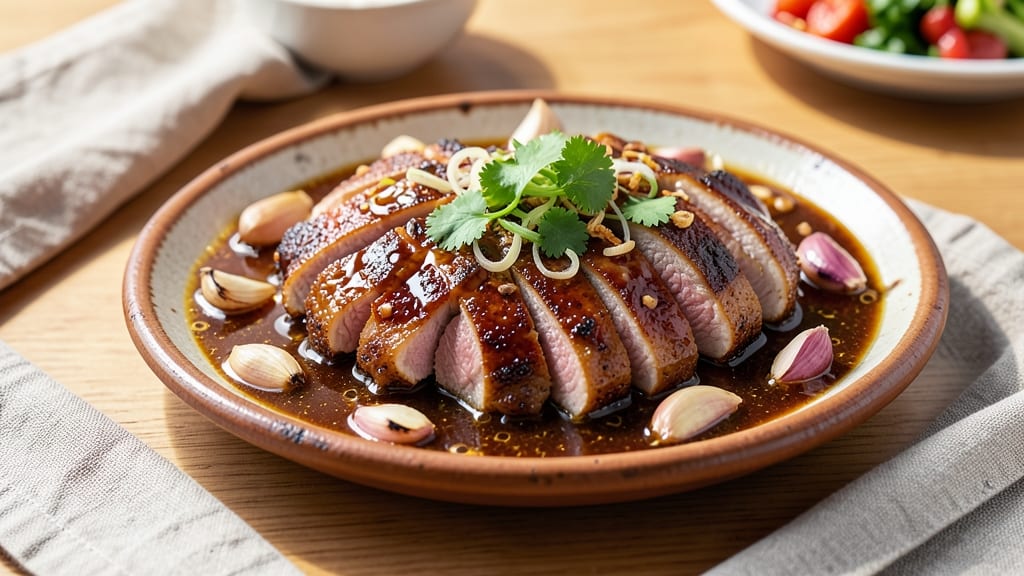
This Filipino-style pork barbecue delivers restaurant-quality flavor with a perfect balance of sweet, savory, and tangy notes that'll transport you straight to the Philippines. 🔥 The secret lies in a marinade of vinegar, soy sauce, and garlic that tenderizes the meat while building layers of depth.
I've perfected this recipe over years of testing, ensuring every bite is juicy, caramelized, and packed with authentic Filipino taste.
The magic happens in the marinating process—pork belly or shoulder gets transformed into melt-in-your-mouth perfection when slow-cooked with coconut milk and calamansi (or lime) for brightness.
This isn't just another BBQ recipe; it's a celebration of Filipino flavors that brings the smoky aroma of lechon kawali to your backyard or grill. The result? A dish so flavorful, it'll become your new go-to for gatherings.
What sets this recipe apart is the balance of textures—crispy edges on the outside, tender meat inside, all glistening with a sticky-sweet glaze. Serve it with garlic fried rice and a side of sinamak for the full Filipino spread.
The aroma alone will have everyone gathering around your grill, eager for their first bite.
Ready in just 3 hours (mostly hands-off time), this recipe delivers restaurant-quality results without the fuss. Whether you're grilling for a crowd or treating yourself to a special meal, this pork barbecue is guaranteed to impress. Let's get cooking!
Ingredients for best pork barbecue recipe filipino style
Six core ingredients transform simple pork into restaurant-worthy Filipino-style barbecue.
| Ingredient | Amount | Notes |
|---|---|---|
| Pork Shoulder 🥓 | 3 lb | Bone-in for flavor, cut into chunks |
| Coconut Milk 🥥 | 1 ½ cups | Full-fat for creaminess, canned preferred |
| White Vinegar 💧 | ½ cup | Distilled for tangy brightness |
| Soy Sauce 🍶 | ⅓ cup | Regular or dark for depth |
| Garlic Cloves 🧄 | 8 cloves | Minced for aromatic punch |
| Calamansi Juice 🍋 | ¼ cup | Or lime juice substitute |
| Brown Sugar 🍚 | ½ cup | Packed for caramelization |
| Black Peppercorns 🌶️ | 1 tsp | Crushed for subtle heat |
| Bay Leaves 🌿 | 2 whole | For aromatic depth |
| Olive Oil 🫒 | 2 tbsp | For searing pork |
| Salt 🧂 | 1 ½ tsp | Kosher or sea salt |
| Green Onions 🧅 | 4 whole | Sliced for garnish |
The pork shoulder is non-negotiable here—bone-in for maximum flavor, and pork belly works too if you prefer extra richness. Grab the thick-cut variety at Filipino markets or the meat section of Costco for the best quality. Look for well-marbled cuts with a vibrant pink color—grayish meat means it's been sitting too long. If you can't find calamansi (the Filipino lime), key lime juice works best—regular lime falls short on that bright, tangy punch. The soy sauce should be high-quality, like Lee Kum Kee or Golden Soy Sauce—the cheaper stuff lacks depth.
No coconut milk? Full-fat canned coconut milk is essential—light versions won't give you that creamy texture. Running out of calamansi? Double the lime juice and add a pinch of salt to mimic the saltiness. The brown sugar can be swapped for white sugar plus a splash of vinegar if you're out, but it'll be slightly less caramelized. For the garlic, fresh is a must—jarred garlic just won't cut it. If you're short on time, garlic powder at half the amount works in a pinch, but it won't have the same impact. The pork chunks should be even-sized—cut them to about 1.5 inches for consistent cooking.
Marinate the pork overnight if possible—24 hours lets the flavors really penetrate. Store the marinade in a sealed container in the fridge, and the raw pork in a separate container to avoid contamination. The cooked pork reheats beautifully—3-5 minutes in a skillet with a splash of water or coconut milk brings back that tender texture. It keeps for 4-5 days in the fridge or 3 months frozen. For serving, I like to arrange it on a platter with the green onions scattered on top—look for fresh, crisp ones at the grocery store's produce section, not the wilted ones in the back.
Why You'll Love This Recipe
- One-Pot Magic: I swear by this recipe when I’m too tired to wash a million dishes. The pork shoulder practically cooks itself in the same pot where the sauce simmers—just stir occasionally and let the coconut milk and vinegar work their magic. No fancy gadgets, no stress.
- Garlic Bomb Flavor: That first bite? Pure satisfaction. The garlic cloves, roasted right in the sauce, give it this deep, caramelized punch that sticks with you. The vinegar cuts through the richness, and the soy sauce ties everything together—sweet, salty, and impossible to resist.
- Leftovers That Shine: Between us, this dish tastes better the next day. The pork gets even more tender, and the sauce thickens into this glossy, clingy glaze. I pack it for lunches or reheat it for dinner—no one ever complains, and my wallet thanks me for the budget-friendly pork shoulder.
- Sunday Dinner Ready: Honestly, this is my go-to for gatherings. It feeds a crowd without breaking the bank, and the coconut milk gives it that rich, comforting vibe everyone loves. Serve it with rice and a simple salad, and you’ve got a meal that feels special but takes zero effort to pull off.
Step-by-step instructions for sweet-savory Filipino pork barbecue
Here's the method that delivers melt-in-your-mouth pork with that perfect balance of tangy, sweet, and savory flavors.
🔥 Step 1: Sear the Pork Shoulder for Maximum Flavor
Heat a large Dutch oven or heavy pot over medium-high heat and add the 2 tablespoons olive oil. Once hot, add the 3 lb pork shoulder cut into chunks, working in batches if needed. Sear for 4-5 minutes per side until the pork develops a deep golden-brown crust.
This searing step is non-negotiable—it locks in juices and creates that beautiful caramelized exterior. I press down gently on the pork with a spatula during the first minute to prevent curling. Once all pieces are browned, remove them from the pot and set aside on a plate.
🍳 Step 2: Build the Tangy-Sweet Marinade Base
In the same pot, reduce heat to medium and add the 8 minced garlic cloves. Sauté for 30 seconds until fragrant—don't let it burn, or you'll get bitter flavors. Add the 2 whole bay leaves and cook for another 10 seconds.
Pour in the 0.5 cup white vinegar and 0.33 cup soy sauce, scraping up all those browned bits from the bottom. Let it simmer for 2 minutes until slightly reduced. This creates the flavor foundation that'll penetrate the pork beautifully.
🥘 Step 3: Combine and Simmer the Pork
Return the seared pork to the pot. Add the 1.5 cups coconut milk, 0.5 cup brown sugar, 0.25 cup calamansi juice, 1 teaspoon crushed black peppercorns, and 1.5 teaspoons salt. Stir gently to combine, making sure all pork pieces are coated in the marinade.
Bring to a gentle simmer over medium-low heat. Here's the thing—you want it to bubble softly, not boil vigorously. Cover and let it cook for 1 hour, turning the pork occasionally. This slow cooking ensures tender meat without drying it out.
⏰ Step 4: Finish with Perfect Texture
After 1 hour, uncover the pot and increase heat to medium. Simmer uncovered for another 30-45 minutes until the sauce has thickened to a glossy consistency and coats the back of a spoon. The pork should be fork-tender but not falling apart.
Taste and adjust seasoning if needed—you might want to add a splash more of the calamansi juice for brightness or a pinch of salt if it needs more depth. The sauce should be sweet, tangy, and savory with just the right amount of heat from the peppercorns.
🍽️ Step 5: Garnish and Serve
Remove the 2 bay leaves from the pot. Transfer the pork to a serving platter and spoon the sauce generously over the top. Garnish with 4 sliced green onions for freshness and color.
Serve immediately while the pork is still steaming hot. The sauce should cling beautifully to each tender piece, delivering that perfect balance of sweet, tangy, and savory flavors in every bite. This dish pairs perfectly with steamed rice to soak up all that delicious sauce!
Pro Tips For Making Best Pork Barbecue Recipe Filipino Style
- Brown the Pork First: Skip the slow start—sear the pork shoulder in a hot pan with oil until it’s deep golden on all sides before adding liquids. This isn’t just for flavor; it’s the only way to get that caramelized crust that holds up through hours of braising, especially when you’re mixing in coconut milk later.
- Use Thick Coconut Milk: Thin coconut milk is convenient, but it’ll water down your sauce and make the pork soggy. Grab the can labeled “full-fat” or “thick”—it’s worth the extra few pesos, and your sauce will coat the pork properly without turning into a thin glaze.
- Simmer, Don’t Boil: Once the pork is submerged, keep the heat low enough that you’re seeing tiny bubbles, not a rolling boil. I learned this the hard way—boiling turns the meat tough and makes the sauce split, especially with vinegar in the mix. A gentle simmer keeps everything tender and cohesive.
- Add Vinegar Last: Tossing in vinegar too early will curdle the coconut milk, and nobody wants a lumpy sauce. Hold off until the pork’s almost done—just 10-15 minutes before the end—so the acid brightens the flavors without wrecking the texture. (Yes, even if you’re impatient like me.)
Storing and reheating your best pork barbecue recipe filipino style
Refrigerator Storage
Store your Filipino pork barbecue in an airtight container with the sauce for up to 4-5 days in the fridge. I always let it cool completely before transferring to avoid condensation, which can make the sauce watery.
The flavors actually deepen overnight—this is why I recommend making extra for leftovers! 💛
When reheating from the fridge, I use a heavy-bottomed skillet over medium-low heat with a splash of coconut milk or water to prevent drying. Cover with a lid and let it warm through gently—5-7 minutes is perfect for restoring that tender texture.
Never microwave unless absolutely necessary; it can make the sauce rubbery.
Freezer Storage
For longer storage, freeze the pork in single-serving portions using quart-sized freezer bags or glass containers. Leave ½-inch headspace for expansion, and squeeze out excess air to prevent freezer burn. Label with the date—this dish keeps 3 months at 0°F without losing quality. 🧊
To thaw, transfer to the fridge overnight. I avoid microwave thawing because it can create uneven heating. Once thawed, reheat using the same skillet method as above. If the sauce looks thick, add 1-2 tablespoons of water while reheating to restore its glossy consistency.
Reheating Perfection
The key to reheating is gentle heat—never rush it. I like to add 1 tablespoon of the original sauce or calamansi juice when reheating to refresh the flavors.
For extra crispiness, sear the pork in the skillet for 1-2 minutes per side after warming through. This recreates that beautiful caramelized crust we love! 🔥
If you're serving a crowd, use a slow cooker on low heat for 1-2 hours with a splash of water. This method keeps the pork moist and the sauce clinging beautifully.
Just stir occasionally and taste before serving—you might want to add a pinch of salt or vinegar to brighten the flavors.
Nutrition facts
Frequently asked questions
Can I use pork belly instead of pork shoulder?
Pork belly works beautifully and adds extra richness to the dish. The fat renders beautifully during cooking, creating a more decadent texture. Just cut it into 1-inch thick slices and reduce the cooking time by 15-20 minutes since it cooks faster than shoulder. The skin will crisp up nicely if you sear it properly.
What if I don't have calamansi? What's the best substitute?
Calamansi is the Filipino lime, but you can use key lime juice for the closest substitute. Regular lime juice works too, though it's less tangy. For extra brightness, add ½ teaspoon of salt to mimic calamansi's saltiness. If you're feeling adventurous, try a mix of lemon juice plus a pinch of salt—it'll still give you that zesty kick!
How can I make this recipe smokier like traditional Filipino lechon?
For that authentic smoky flavor, finish the pork on a grill or smoker. After braising, transfer the pork to a grill over indirect heat for 10-15 minutes, turning occasionally. The smoke will penetrate the sauce and meat beautifully. Alternatively, add 1 teaspoon of smoked paprika to the marinade for a subtle smoky depth without grilling.
Why did my sauce turn out too thin?
This usually happens when the pork releases too much liquid during cooking. To fix it, simmer the pork uncovered for 10-15 extra minutes to reduce the sauce. If it's still too thin, mix 1 tablespoon of cornstarch with 2 tablespoons of water, stir into the sauce, and simmer until it thickens. For next time, try using slightly less coconut milk or simmering longer during the braising stage.
What are the best sides to serve with this pork barbecue?
For an authentic Filipino spread, serve with garlic fried rice and sinamak (a tangy tomato-onion salsa). Steamed jasmine rice is a must to soak up all that delicious sauce. For extra flair, add grilled calamansi slices or a simple slaw of shredded cabbage and carrots dressed with vinegar and sugar. The contrast of textures makes every bite even more satisfying!