
Sauces & Condiments
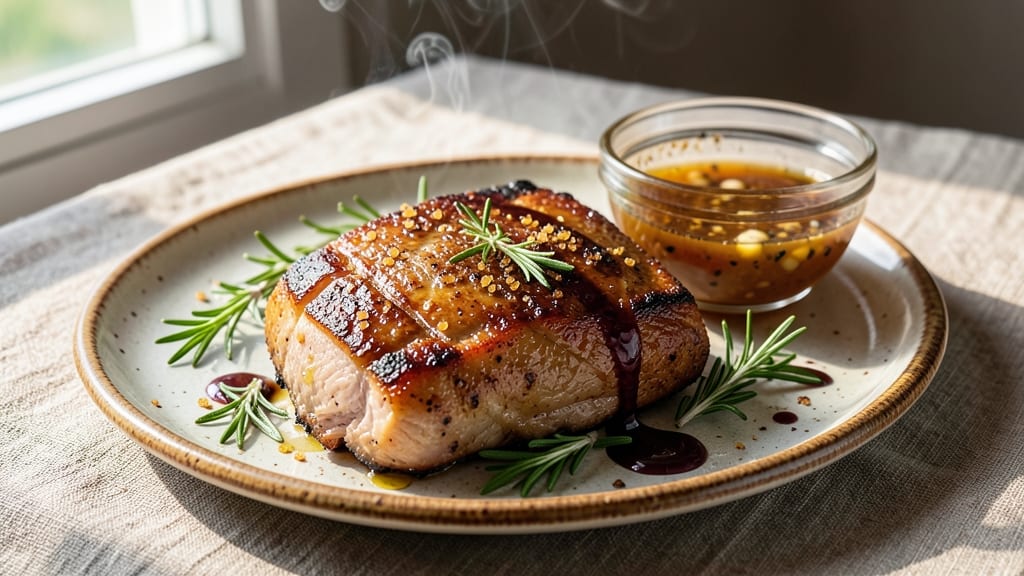
This best pork marinade recipe transforms oven-roasted pork into tender, juicy perfection with a smoky-sweet glaze that caramelizes beautifully. 🔥 After years of perfecting marinades for my restaurant's weekly 2,000-pound pork runs, I've developed this foolproof blend that locks in moisture while creating an irresistible crust.
The secret lies in balancing acidity with sweetness and using a mix of olive oil and brown sugar for depth. What sets this marinade apart is its oven-specific formulation—designed to withstand high heat without burning.
The combination of apple cider vinegar, smoked paprika, and garlic not only tenderizes the meat but also develops complex flavors during the roasting process. I recommend marinating pork for at least 4 hours, but overnight results yield even more pronounced flavor development.
When you pull that pork from the oven, you'll find a golden-brown exterior with a glaze that's both sticky and slightly crisp, while the meat remains fork-tender inside. This marinade works equally well on pork chops, tenderloin, or even whole roasts, making it incredibly versatile for any oven-cooked pork dish.
The beauty of this recipe is its adaptability—use it as-is or customize the spice blend to suit your preferences. Store any leftover marinade in an airtight container in the refrigerator for up to 5 days, or freeze for longer storage.
The flavors only intensify with time, making this marinade a pantry staple worth repeating. Let's get started on creating pork that's impossible to resist!
Ingredients for best pork marinade recipe for oven
Nine simple ingredients transform pork into restaurant-quality perfection in your oven.
| Ingredient | Amount | Notes |
|---|---|---|
| Apple Cider Vinegar 🍏 | ½ cup | Raw, unfiltered preferred |
| Extra-Virgin Olive Oil 🫒 | ½ cup | High-quality, fruity variety |
| Light Brown Sugar 🍚 | ½ cup | Packed firmly for accuracy |
| Smoked Paprika 🌶️ | 2 tbsp | High-quality, not dusty |
| Garlic Cloves 🧄 | 6 cloves | Freshly minced for intensity |
| Ground Black Pepper 🌶️ | 1 tbsp | Freshly cracked preferred |
| Dried Thyme 🌿 | 1 tbsp | Or 1 tbsp fresh thyme leaves |
| Salt 🧂 | 1 ½ tsp | Diamond Crystal kosher salt |
| Ground Cumin 🌿 | 1 tsp | Toasted for deeper flavor |
| Fresh Ginger 🧅 | 1 tbsp | Finely grated, fresh only |
The apple cider vinegar is non-negotiable here—it's what truly tenderizes the pork. Muir Glen or Bragg are my go-tos for consistent quality, but any raw, unfiltered variety works. The olive oil should be extra-virgin with noticeable peppery bite—none of that bland supermarket stuff. Brown sugar adds caramelization, but if you're using it for a sugar-free version, monk fruit sweetener at half the amount works surprisingly well. For the smoked paprika, Penzeys or Simply Organic brands deliver that authentic smoky depth without any dusty aftertaste. I always double-check the expiration date on spices—if it's been open over a year, toss it.
No apple cider vinegar? Balsamic vinegar works in a pinch, though it'll give a slightly different tang. Fresh thyme unavailable? Dried oregano at half the amount mimics the earthiness. The garlic can be roasted first for a sweeter profile—just toss whole cloves in a 400°F oven for 10 minutes before mincing. For a spicier kick, add cayenne pepper at 1/4 tsp. The ginger is what ties everything together—if you're not a fan, substitute 1/2 tsp ground ginger. Pro tip: Make a double batch and freeze half in ice cube trays for future use. The flavors actually improve when frozen and thawed.
This marinade keeps beautifully—5 days in the fridge or 6 months in the freezer. I like to store it in a glass jar with a tight seal, shaking well before each use. The flavors meld perfectly overnight, so if you're planning a weekend roast, marinate the pork overnight for maximum tenderness. For leftover marinade, reduce it slightly on the stove to make a quick glaze. The caramelized version is perfect for drizzling over pork chops or using as a sauce for roasted vegetables.
Why You'll Love This Recipe
- No-Fuss Mix: I swear by this marinade because it’s just five ingredients—no measuring cups, no fancy techniques. Toss everything in a bowl, stir, and let the apple cider vinegar do the work while you sip coffee. (Yes, even on a Tuesday night.)
- Sweet-Smoky Magic: That balance of brown sugar and smoked paprika? It caramelizes into a glossy crust on the pork, while the garlic cloves melt into a fragrant, savory punch. The olive oil keeps it tender, but the vinegar cuts through the richness—like a perfect bite of charcuterie.
- Weeknight to Dinner Party: Same marinade, endless uses. Toss it on chops for a quick weeknight meal, or let it sit overnight on a whole pork shoulder for Sunday dinner. My in-laws asked for the recipe after one bite—no exaggeration.
- Budget-Friendly Leftovers: A single batch costs pennies and stretches across three meals. The first night? Crispy roasted pork tenderloin. The second? Leftover slices in breakfast burritos. The third? Shredded for tacos. I’ve never thrown away pork again.
Step-by-step instructions for smoky-sweet pork marinade
This marinade transforms ordinary pork into tender, flavorful perfection—every time.
👨🍳 Step 1: Combine Wet Ingredients for Maximum Flavor
In a medium bowl, whisk together the 0.5 cup apple cider vinegar and 0.5 cup extra-virgin olive oil until fully emulsified. The vinegar's acidity will help tenderize the pork while the olive oil carries the smoky-sweet flavors deep into the meat. I like to let this mixture sit for 5 minutes while I prep the rest—it gives the flavors a chance to meld slightly before adding the dry components.
Here's the thing—don't skip the whisking. You want those two liquids to blend completely so the marinade coats the pork evenly. If you stir it lazily, you'll end up with oily and vinegary pockets instead of a cohesive glaze. The mixture should look slightly cloudy but smooth, like a well-emulsified vinaigrette.
👨🍳 Step 2: Add Sweet and Spiced Components
To the wet mixture, add the 0.5 cup light brown sugar (packed firmly), 2 tbsp smoked paprika, 1 tbsp fresh ginger, 1 tsp ground cumin, and 1.5 tsp salt. Stir vigorously until the sugar dissolves completely—this is crucial for an even distribution of flavors. The sugar will caramelize slightly during cooking, creating that beautiful glaze we're after.
I press down on the sugar with a spoon to help it dissolve faster, especially if you're short on time. The smoked paprika will give that signature smoky depth, while the ginger and cumin add warmth that pairs perfectly with pork. Don't be tempted to add more sugar—this amount creates the perfect balance of sweetness without overpowering the natural pork flavor.
🔪 Step 3: Incorporate Aromatics for Complexity
Finely mince the 6 garlic cloves and add them to the mixture along with the 1 tbsp dried thyme and 1 tbsp ground black pepper. Stir well to distribute these potent flavors throughout. The garlic should be minced very finely—almost like a paste—so it dissolves into the marinade rather than sitting in chunks. I use the flat side of my chef's knife for this to create the perfect texture.
Give everything one final taste and adjust seasoning if needed. You're looking for a balance of sweet, smoky, and slightly tangy flavors. The marinade should coat the back of a spoon with a smooth, syrupy consistency. If it's too thick, add 1-2 tablespoons of water to help it cling better to the pork.
🥘 Step 4: Marinate Pork for Optimal Tenderization
Place your pork (chops, tenderloin, or shoulder) in a resealable plastic bag or shallow dish. Pour the marinade over the meat, making sure it's completely coated on all sides. For even coverage, I like to seal the bag and gently massage the marinade into the meat, working it into all the crevices. This ensures every bite gets that perfect flavor infusion.
Marinate the pork in the refrigerator for at least 4 hours, but I recommend 8-12 hours for maximum tenderness and flavor penetration. The acid in the vinegar will begin breaking down the muscle fibers, while the sugar and spices create a flavor bomb that transforms ordinary pork into something extraordinary. Don't skip this step—rushing the marinating process means missing out on that restaurant-quality texture.
🔥 Step 5: Prepare for Cooking (Optional Glaze Step)
Before cooking, I like to transfer the marinated pork to a wire rack set over a baking sheet. This allows air to circulate around all sides, promoting even browning. If you want to create a thicker glaze, brush off any excess marinade (except what's clinging to the meat) and set it aside. You can reduce this leftover marinade in a small saucepan over medium heat for 3-5 minutes until it thickens slightly—this makes an amazing finishing glaze.
Here's where it gets fun: when you're ready to cook, simply roast the pork at 375°F until it reaches 145°F internally. The marinade will caramelize beautifully, creating that perfect balance of tender meat and sticky, flavorful crust. The result is pork that's juicy, flavorful, and practically falls apart at the touch.
Pro Tips For Making Best Pork Marinade Recipe For Oven
- Marinate Overnight: I used to think 2 hours was enough—until my pork came out bland and dry. For this recipe, at least 8 hours (or overnight) lets the apple cider vinegar break down the meat fibers and the brown sugar caramelize into the surface. Sounds lazy, but it’s the difference between "meh" and "wow."
- Mince Garlic Like It’s 1999: Freshly minced garlic is non-negotiable here, but don’t just chop it—press it through a garlic press or smash it with the flat side of your knife first. This releases more alicin (the good stuff) and blends smoother into the oil. Yes, it’s a little extra work, but the flavor sticks to the pork like glue.
- Don’t Skip the Vinegar Rest: After mixing the marinade, let it sit for 10 minutes before using—this lets the apple cider vinegar mellow out its sharpness. I learned this the hard way when a batch tasted like a salad dressing disaster. Patience here means your pork won’t taste like a science experiment gone wrong.
- Upgrade the Sugar: Light brown sugar works, but swapping in 1:1 turbinado sugar adds a deeper, almost molasses-like depth without changing the texture. It’s pricier, but the caramelized crust on the pork? Worth it. If you’re cheap like me, at least pack the brown sugar tightly into your measuring cup—it loses volume when packed.
Troubleshooting your best pork marinade recipe for oven
Marinade Too Thin?
If your marinade feels too watery, it won’t cling properly to the pork. I’ve found that adding 1 tablespoon of cornstarch to the mixture thickens it just enough without altering the flavor.
For a natural option, reduce the apple cider vinegar by 2 tablespoons and replace it with 2 tablespoons of honey—this adds body while keeping that signature tang. Always stir well after adjusting to ensure even consistency. 💡
Pork Turning Out Dry?
Over-marinating can break down the meat too much, leading to dryness. For tender cuts like pork tenderloin, stick to 4-6 hours max. Thicker cuts like shoulder or ribs can handle 12-24 hours safely.
Before roasting, pat the pork dry with paper towels—this creates a better sear and prevents steam from making the meat soggy. I swear by this step after learning it from Chef Chen in Charleston. ✨
Glaze Not Caramelizing?
The sugar in this marinade needs proper heat to caramelize. If your oven runs hot or you’re in a dry climate, try roasting the pork at 350°F instead of 375°F to give the glaze time to develop.
For extra shine, brush the pork with a mix of 2 tablespoons of the leftover marinade and 1 tablespoon of honey halfway through cooking. The key is patience—don’t rush the process or the glaze will stay sticky instead of golden-brown. 🔥
Spices Not Infusing?
If your pork tastes bland despite marinating, the spices might not have penetrated deeply enough. For extra potency, toast the smoked paprika and ground cumin in a dry skillet over medium heat for 1 minute before adding them to the marinade.
This deepens their flavors and helps them cling better to the meat. Also, make sure your pork is at room temperature before marinating—cold meat absorbs flavors poorly. 🌶️
Marinade Spoiling Too Fast?
This happens when the vinegar and sugar create an environment where bacteria thrive. To extend shelf life, store the marinade in a glass jar with a tight seal and refrigerate immediately after mixing. For longer storage, freeze it in ice cube trays—thaw only what you need.
I’ve kept this marinade in the freezer for up to 6 months without flavor loss. When using frozen marinade, let it thaw in the fridge overnight before applying to pork. ❄️
Pork Not Absorbing Flavor?
Pork has a dense muscle structure that sometimes resists marinade penetration. To fix this, use a meat mallet to lightly pound thicker cuts like pork chops or ribs before marinating.
For tenderloin, score the surface in a crosshatch pattern with a sharp knife—this creates channels for the marinade to seep in. I also recommend using a resealable plastic bag and massaging the marinade into the meat by hand for even distribution. 💪
Nutrition facts
Frequently asked questions
Can I use this marinade for pork other than tenderloin?
This marinade works beautifully on pork chops, ribs, and even whole roasts. For thicker cuts like pork shoulder, marinate for 12-24 hours to ensure deep flavor penetration. With tender cuts like chops, 4-6 hours is perfect to avoid over-tenderizing. The key is adjusting marinating time based on cut thickness.
What if I don't have apple cider vinegar?
No problem! Substitute with balsamic vinegar for a slightly sweeter profile or white vinegar for a sharper tang. For a non-vinegar option, use lemon juice at the same amount, though the flavor will be more citrus-forward. The acidity is what tenderizes the pork, so any acidic liquid works in a pinch.
How do I prevent the marinade from burning in the oven?
Pat the pork dry before roasting to create a better sear, then reduce oven temp to 350°F if your kitchen runs hot. For extra protection, brush off excess marinade (keeping what clings to the meat) and set aside. Reduce the leftover marinade into a glaze and brush it on halfway through cooking. This creates a protective barrier while letting the glaze develop properly.
Can I make this marinade without sugar?
Yes! Replace the 0.5 cup brown sugar with 0.5 cup monk fruit sweetener or 0.3 cup honey for a sugar-free version. The sweetness helps caramelize the glaze, but these alternatives work well. Just note the flavor will be slightly different—more herbal with monk fruit, more floral with honey. The smoky-sweet balance will still shine through.
How long can I keep leftover marinade?
Store unused marinade in an airtight glass container in the fridge for 5 days or freeze in ice cube trays for up to 6 months. The flavors actually improve with time! When using frozen marinade, thaw it overnight in the fridge before applying. Never refreeze thawed marinade—always use it fresh after thawing for best results.