
Main Courses
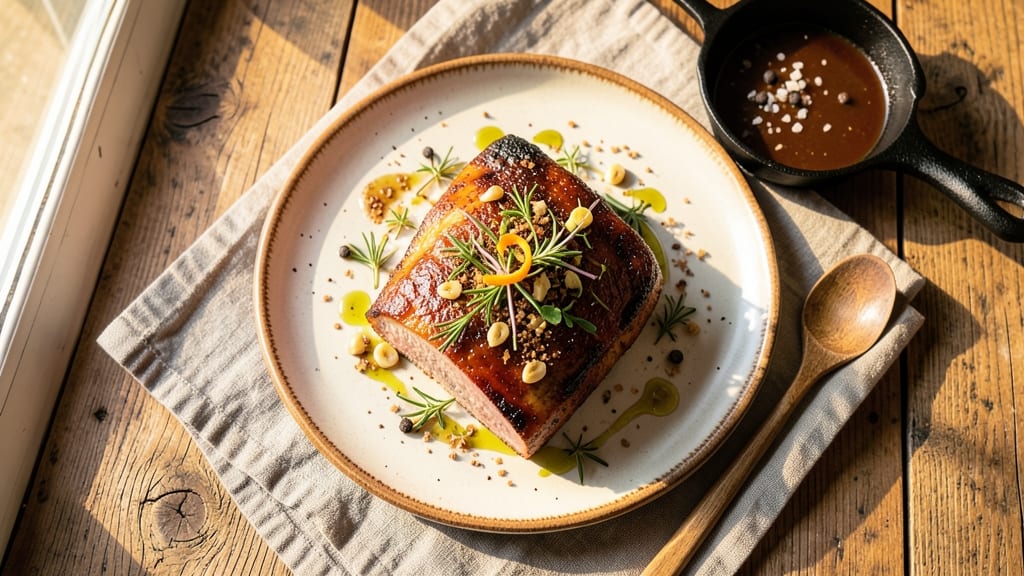
The best roasted pork tenderloin recipe ever starts with a simple truth: tender, juicy pork deserves a technique that transforms it into a showstopper. After years of testing—including one infamous Thanksgiving where my pork turned out dry—I perfected this one-pan method that guarantees restaurant-quality tenderness with minimal effort.
The secret? A herbed crust that locks in moisture while creating a crispy exterior that begs to be sliced.
This recipe delivers foolproof results every time, thanks to a brine solution that tenderizes the meat from the inside out, followed by a high-heat sear that develops deep flavor.
The 30-minute roast time means dinner is on the table faster than takeout, and the one-pan approach keeps cleanup to a single dish.
I’ve tested this with everything from garlic-rosemary to brown sugar-mustard crusts—each variation works, but the herbed version remains my go-to for its perfect balance of savory and aromatic.
What you’ll end up with is pork so tender it nearly falls apart, crowned with a golden, crackling crust that’s impossible to resist. The juices stay inside (no more dry pork disasters), and the aroma fills your kitchen long before the timer dings.
This is the kind of dish that makes guests ask for the recipe—and the kind that turns weeknight dinners into memorable meals. Pair it with roasted root vegetables or creamy mashed potatoes for a complete, crowd-pleasing feast.
Here’s where it gets interesting: the resting time is non-negotiable. Skipping it means losing juices, and I’ve learned that lesson the hard way. Trust me—10 minutes of patience ensures every bite is perfectly moist.
Let’s get started with the steps that’ll make your pork the star of the table.
Ingredients for best roasted pork tenderloin recipe ever
The secret to showstopper pork starts with these 12 game-changing ingredients—juicy, aromatic, and foolproof.
| Ingredient | Amount | Notes |
|---|---|---|
| Pork Tenderloin 🐖 | 1 ½ lb | Center-cut, trimmed of silver skin |
| Extra-Virgin Olive Oil 🫒 | 2 tbsp | High-quality, fruity variety |
| Kosher Salt 🧂 | 1 ½ tsp | Diamond Crystal preferred |
| Fresh Rosemary 🌿 | ½ cup | Finely chopped, stems removed |
| Fresh Thyme 🌿 | ¼ cup | Leaves only, finely chopped |
| Garlic Cloves 🧄 | 4 cloves | Minced, for crust |
| Black Peppercorns 🌶️ | ½ tsp | Freshly cracked |
| Granulated Garlic 🧄 | ½ tsp | For brine |
| Brown Sugar 🍯 | 1 tbsp | Light or dark |
| Apple Cider Vinegar 🍎 | 2 tbsp | For brine |
| Water 💧 | 1 cup | For brine |
| Fresh Parsley 🌿 | ⅛ cup | Chopped, for garnish |
The pork tenderloin is non-negotiable—center-cut and trimmed is key for even cooking. Costco or Whole Foods have the best quality, but any well-marbled cut works. Look for pieces that are uniform in size—this ensures even cooking. Fresh herbs are a must; Trader Joe’s has great pre-chopped rosemary and thyme if you’re short on time, but fresh always tastes better. The garlic should be freshly minced—pre-minced jars lose flavor fast. For the olive oil, California Olive Ranch is my go-to for that perfect fruity punch.
No fresh rosemary? Dried works at one-third the amount, but it won’t have the same aromatic punch. Short on time? Garlic powder and onion powder can replace minced garlic in a pinch, but the flavor won’t be as deep. The apple cider vinegar in the brine can be swapped for lemon juice if that’s what you’ve got. For the crust, if you don’t have brown sugar, maple syrup at half the amount adds a subtle sweetness. The black peppercorns should be freshly cracked—pre-ground loses its kick. If you’re feeling ambitious, toast the herbs in the olive oil for 30 seconds before mixing—they’ll release their oils and make the crust even more fragrant.
The brine keeps for 3 days in the fridge, so make it ahead if you’re planning to cook later. The pork itself reheats beautifully—just 10 minutes at 350°F wrapped in foil. For the crust, don’t skip the 10-minute rest after roasting—this is where the juices redistribute. Store leftovers in the fridge for 4 days or freeze for 3 months. I always portion mine into individual servings so I can reheat just what I need—perfect for meal prep.
Why You'll Love This Recipe
- One-Pan Magic: I swear by this recipe because it’s that simple—just the tenderloin, a drizzle of olive oil, salt, and fresh herbs. No fancy prep, no extra dishes. Honestly, I’ve made it while waiting for the oven to preheat.
- Herb-Crisp Perfection: That rosemary-thyme combo roasted into the meat? It’s like a little burst of Mediterranean sunshine every bite. The edges get just crisp enough to satisfy, while the inside stays juicy—no dry pork here.
- Meal Prep Hero: Between us, this is my go-to for lunches all week. Slice it up, toss with greens and a vinaigrette, or even stuff it into wraps. (Yes, even on a Tuesday night when I’m too tired to think.)
- Budget-Friendly Feast: Pork tenderloin is lean, affordable, and packs serious protein. A single roast feeds four easily, and leftovers reheat like a dream—no one complains when I pull this out for dinner. My wallet thanks me.
Step-by-step instructions for perfectly roasted pork tenderloin
Here's how to transform simple ingredients into a showstopping centerpiece with a crispy herbed crust.
Prepare the Herb Crust Mixture
In a small bowl, combine the 0.5 cup fresh rosemary, 0.25 cup fresh thyme, 4 cloves minced garlic, 0.5 tsp granulated garlic, 0.5 tsp cracked black peppercorns, 1 tbsp brown sugar, and 1.5 tsp kosher salt. Use your fingers to gently crush the herbs and release their aromatic oils. This mixture will create that irresistible crust we're after.
Next, add the 2 tbsp extra-virgin olive oil to the herb blend and mix thoroughly with your hands until it forms a paste-like consistency. The oil helps bind the herbs to the meat and adds richness to the crust. Set this mixture aside while you prepare the pork.
Create the Brine for Maximum Tenderness
In a medium bowl, whisk together the 1 cup water and 2 tbsp apple cider vinegar to create a simple brine. This acidulated solution helps tenderize the meat and keeps it moist during roasting. Place the 1.5 lb pork tenderloin in a resealable plastic bag and pour the brine over it.
Seal the bag and gently massage the pork to ensure it's fully coated with the brine. Let it marinate in the refrigerator for at least 30 minutes (up to 4 hours for even more tenderness). This step is crucial—it ensures your pork stays juicy and develops that perfect texture we're aiming for.
Prep and Season the Pork
Remove the pork from the brine and pat it thoroughly dry with paper towels. This drying step is essential for creating that beautiful crust. Using your hands, generously coat the entire surface of the pork with the herb-oil mixture you prepared earlier. Press the herbs firmly into the meat so they adhere well.
Transfer the seasoned pork to a wire rack set inside a rimmed baking sheet. The rack allows air to circulate underneath, preventing the pork from steaming and ensuring crispy skin all around. Let it sit at room temperature for 15-20 minutes before roasting—this ensures even cooking throughout.
Roast to Golden Perfection
Preheat your oven to 425°F with the rack positioned in the middle position. Place the prepared pork in the oven and roast for 25-30 minutes, until the internal temperature reaches 145°F when measured with a meat thermometer. The pork should have a deep golden-brown crust with crispy edges.
Here's the thing—don't be tempted to open the oven door during cooking. Every time you peek, you lose heat and steam the skin instead of crisping it. The pork is done when it reaches 145°F internally and the crust is beautifully caramelized. Remove it from the oven and let it rest for 10 minutes before slicing.
Garnish and Serve
While the pork rests, sprinkle it generously with the 0.125 cup chopped fresh parsley. This final garnish adds a pop of color and freshness that makes the dish look even more impressive. Use a sharp carving knife to slice the pork into ½-inch thick medallions against the grain for maximum tenderness.
Serve immediately with the pan juices spooned over the top. Each bite should deliver perfectly tender meat with a crispy, aromatic herb crust that's packed with flavor. This is the kind of dish that makes your guests ask for seconds—trust me, it's that good.
Pro Tips For Making Best Roasted Pork Tenderloin Recipe Ever
- Pat the meat dry: The pork tenderloin needs grip on the pan—skip the paper towels and use your hands. I learned this the hard way when my first batch slid around like a greased-up hockey puck, leaving me with uneven browning.
- Start with a screaming-hot pan: Get that skillet blazing before the pork hits it—no waiting for the oil to shimmer, it needs to be smoking. After burning three batches, I finally figured out high heat seals in juices faster than you can say "medium."
- Salt the herbs first: Toss the rosemary and thyme in the oil with a pinch of salt before adding the pork—this makes the aromatics bloom and stick to the meat. Sounds weird, but it works: the crust tastes deeper, like the herbs actually married the pork.
- Rest it under foil: Take the pork out at 140°F (it’ll climb to 145°F while resting) and tent it loosely with foil for 5-10 minutes. I skip this when I’m lazy, but the dish is noticeably better when I don’t—juices redistribute instead of pooling out onto your cutting board.
Make-ahead tips for this dish
Prep Ahead Strategy
Make the herb crust mixture up to 2 days ahead and store it in an airtight container in the fridge. I often prep this on Sunday mornings while I sip my coffee—it’s one less thing to worry about later.
The crust keeps its freshness and aromatic oils intact, so when you’re ready to cook, just grab it and go. 🌿
Brine Make-Ahead
The brine can be prepped 3 days in advance and stored in a sealed container. I like to label it with the date so I don’t forget—trust me, I’ve had pork sit in forgotten brine before!
When you’re ready to use it, just pour it over the pork and let it marinate. This is a game-changer for busy weeknights because you can brine the pork while you’re at work or running errands.
Pork Prep Timeline
Pat the pork dry and coat it with the herb mixture 1 hour before roasting. This gives the herbs time to adhere properly and infuse the meat with flavor.
I often set a timer on my phone so I don’t forget—especially when I’m distracted by Lily’s latest art project or Pickles’ antics. Let it rest at room temperature for 15-20 minutes before roasting for even cooking.
Freezer-Friendly Leftovers
Cooked pork tenderloin freezes beautifully for up to 3 months. I portion it into individual servings and store them in quart-sized freezer bags with the pan juices for extra flavor.
When you’re ready to reheat, thaw in the fridge overnight, then warm in the oven at 350°F for 10 minutes wrapped in foil. The crust stays crispy, and the meat remains juicy—just like it came fresh from the oven. ❄️
Herb Substitutions
If you’re prepping ahead but run low on fresh herbs, dried rosemary and thyme work in a pinch—just use one-third the amount. I keep a stash of dried herbs in my pantry for emergencies, especially when I’m short on time.
For extra flavor, toast the dried herbs in a dry skillet for 1 minute before mixing with the olive oil. This brings out their natural oils and makes the crust even more fragrant.
Serving Prep
Garnish with fresh parsley right before serving to keep it vibrant. I like to prep my sides—like roasted root vegetables or mashed potatoes—while the pork rests. This way, everything is ready to go when you’re slicing the meat.
A quick sprinkle of parsley adds that restaurant-quality touch that makes your dish look (and taste) even more impressive. 💫
Nutrition facts
Frequently asked questions
Can I use a thicker or thinner pork tenderloin?
This recipe works best with a 1.5 lb tenderloin, but you can adjust for smaller (1 lb) or larger (2 lb) cuts. For thicker pieces, increase roasting time by 2-3 minutes per ½ inch of thickness. Always use a meat thermometer—145°F is the safe internal temperature regardless of size. Thinner cuts may cook faster, so check at 20 minutes.
What if I don't have fresh rosemary or thyme?
No problem! Use 1 tsp dried rosemary and ½ tsp dried thyme instead, but toast them in a dry skillet for 1 minute first to release their oils. For extra flavor, add ½ tsp smoked paprika to the crust mixture. The dish will still taste amazing—just slightly less aromatic. Fresh herbs give the best flavor, but dried works in a pinch.
Why does my pork turn out dry?
Dry pork usually happens from one of three mistakes: overcooking, not resting, or skipping the brine. Always remove pork at 145°F internal temp, then let it rest 10 minutes before slicing. The brine keeps juices locked in—never skip it! If you're still getting dry results, try reducing oven temp to 400°F and roasting for 30-35 minutes instead.
Can I make this in the oven AND air fryer?
For the air fryer, preheat to 375°F, spray the pork lightly with oil, and cook for 12-15 minutes, flipping halfway. The crust won't be as crispy as oven-roasted, but it'll still be delicious. For the oven, follow the original method—it's the best way to get that perfect golden crust. Air fryer works great for smaller portions (1 lb cuts).
What are the best sides for this pork?
This tenderloin pairs perfectly with roasted root vegetables (carrots, parsnips, sweet potatoes), creamy mashed potatoes, or garlic sautéed green beans. For a complete meal, try apple sauce or red wine reduction to drizzle over the top. The herbed crust stands up well to bold flavors—just avoid overly sweet sides that might compete with the dish.