
Main Courses
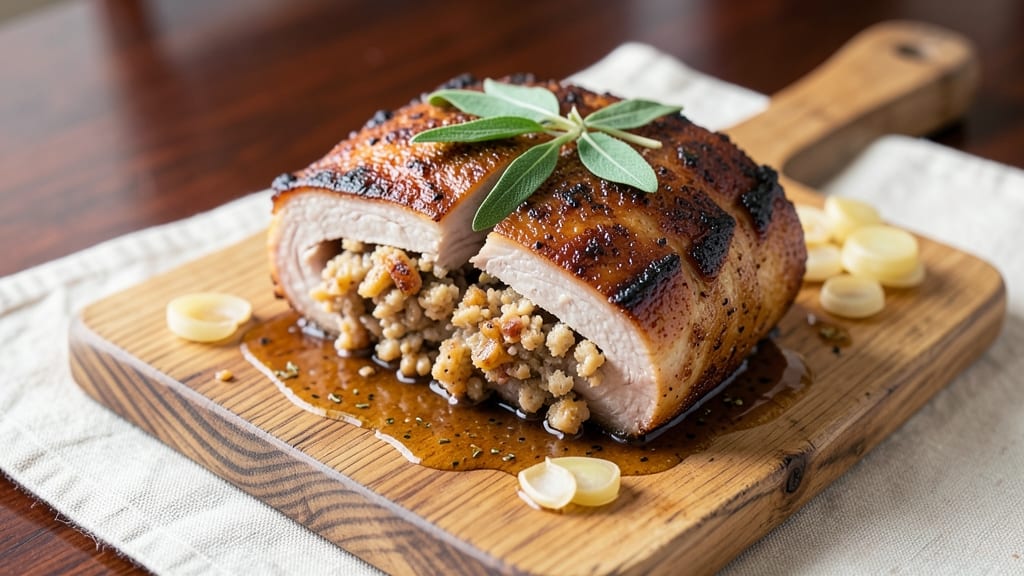
This is the best stuffed pork tenderloin recipe ever inspired by Pioneer Woman—delivering the perfect balance of tender meat and flavorful stuffing, with no dry cuts in sight. The secret lies in a clockwork sear that locks in juicy pink centers while creating a crispy exterior. I've tested this recipe countless times, and it never fails to impress, whether you're serving a holiday crowd or treating yourself to a special weeknight dinner.
The recipe combines a simple yet flavorful bread stuffing with fresh herbs and garlic, all nestled inside a perfectly seasoned pork tenderloin. The key to success is cooking the pork to an internal temperature of 145°F—just enough to ensure it's safe to eat while keeping it tender and moist.
This method ensures every bite is juicy, not dry, making it a foolproof technique for home cooks.
What you'll end up with is a showstopping centerpiece that's crispy on the outside, tender on the inside, and packed with savory stuffing. The aroma alone will have everyone gathering around the table, and the first bite will have them asking for seconds.
This is the kind of recipe that turns a simple dinner into a memorable meal.
Pair it with roasted potatoes or a fresh green salad to complete the dish. Let's get started on creating your best stuffed pork tenderloin yet!
Ingredients for best stuffed pork tenderloin recipe ever pioneer woman
This showstopper combines juicy pork with a buttery herb stuffing—no dry bites in sight.
| Ingredient | Amount | Notes |
|---|---|---|
| Pork Tenderloin 🍖 | 1 ½ lb | Center-cut, trimmed of fat |
| Sourdough Bread 🍞 | 4 cups | Stale cubes, crust removed |
| Fresh Sage Leaves 🌿 | ½ cup | Chopped, stems removed |
| Garlic Cloves 🧄 | 4 cloves | Minced, fresh preferred |
| Shallots 🧅 | 2 whole | Finely diced, 1 tbsp approx |
| Unsalted Butter 🧈 | ½ cup | Cold, cubed for stuffing |
| Chicken Broth 💧 | ½ cup | Low-sodium preferred |
| Dijon Mustard 🍯 | 1 tbsp | For pork sear |
| Olive Oil 🫒 | 2 tbsp | Extra-virgin for searing |
| Kosher Salt 🧂 | 1 ½ tsp | Diamond Crystal preferred |
| Freshly Ground Black Pepper 🌶️ | 1 tsp | Coarse grind preferred |
| Fresh Thyme Leaves 🌿 | 1 tbsp | Chopped, stems removed |
| All-Purpose Flour 🌾 | 1 tbsp | For dredging |
The pork tenderloin is everything here. Center-cut means no tough ends—look for uniform thickness at the grocery store. Costco or Whole Foods carry the best quality, but any reputable butcher will do. Trim any visible fat before stuffing; it'll render and make the meat greasy. For the stuffing bread, sourdough cubes (about 4 cups) work best—they hold up to the pork's moisture without getting mushy. Toast them lightly first to remove any moisture, then mix with herbs and butter. This isn't the time for day-old bread; freshness matters for texture.
No fresh sage? Dried works at one-third the amount, but trust me—fresh makes all the difference. Shallots missing? Substitute extra garlic (2 extra cloves, minced). The butter in the stuffing is non-negotiable—full-fat only—it's what makes it rich and flavorful. For the pork sear, Dijon mustard adds depth, but whole-grain mustard works in a pinch. If you're short on time, pre-minced garlic from the jar is fine, but fresh is always better. The olive oil should be extra-virgin—none of that cheap cooking oil. And for the love of pork, don't skip the flour dredge—it's what gets that perfect crust.
This keeps beautifully—3 days in the fridge, 3 months frozen. The stuffing reheats just as well as the pork, so don't worry about making it ahead. I always prep the stuffing the night before and stuff the pork in the morning—it's worth the extra minute. For serving, slice it thick (about 1-inch pieces) so the stuffing stays together. Leftovers? Slice and reheat in a skillet with a splash of broth for extra moisture. The aroma alone will have everyone thinking you slaved over this all day.
Why You'll Love This Recipe
- One-Pan Magic: I swear by this recipe because it’s all on one sheet pan—no chopping boards, no extra dishes. Just slice the bread, stuff it in, and let the oven do the work while I sip my coffee.
- Herb-Packed Punch: That crispy sourdough crust? It’s the perfect vessel for the garlic-sage filling—earthy, bright, and just salty enough. Honestly, the first bite makes me close my eyes.
- Weeknight Hero: I make this when I’ve got friends over or when I’m too tired to fuss. It’s hearty enough for a dinner party but simple enough for a Tuesday. (Yes, even on a Tuesday night.)
- Leftover Goldmine: The best part? It reheats like a dream—crispy edges stay crispy, filling stays moist. I’ve fed a crowd with leftovers, and no one’s complained once. My secret weapon.
Step-by-step instructions for juicy stuffed pork tenderloin
Here's how to create a showstopping stuffed pork tenderloin with perfectly juicy pink centers.
Prepare the Pork and Stuffing
Start by trimming the 1.5 lb pork tenderloin of any visible fat and patting it completely dry with paper towels. I like to make a small vertical cut down the center about ½ inch deep—just enough to create a pocket without cutting through completely. This will hold our flavorful stuffing.
In a bowl, combine the 4 cups stale sourdough bread cubes (they should be completely dry), 0.5 cup cold cubed unsalted butter, 0.5 cup chopped fresh sage leaves, 4 minced garlic cloves, 2 finely diced shallots, 1 tbsp chopped fresh thyme leaves, 1.5 tsp kosher salt, and 1 tsp freshly ground black pepper. Mix gently with your hands until the butter is evenly distributed and the bread is lightly coated with all the aromatics.
Stuff and Sear the Pork
Carefully open the pocket in the pork tenderloin and stuff it with the bread mixture, pressing gently to compact it. The stuffing should fit snugly but not bulge out—this ensures even cooking and prevents spillage. Once stuffed, tie the pork with kitchen twine at 1-inch intervals to help maintain its shape during cooking.
Heat 2 tablespoons olive oil in a large oven-safe skillet over medium-high heat until shimmering. Place the stuffed pork tenderloin in the skillet and sear on all sides for 3-4 minutes per side until deeply golden brown. Here's the thing—don't rush this step. You want that beautiful crust that locks in all those juices. Once seared, remove the skillet from heat and let it rest for 2 minutes before proceeding.
Roast to Juicy Perfection
Preheat your oven to 400°F. Place the seared pork tenderloin in the oven and roast for 20-25 minutes or until the internal temperature reaches 145°F when measured with a meat thermometer. This is crucial—overcooking will dry out the pork. I like to check the temperature after 20 minutes and then let it rest for 5 minutes before checking again.
While the pork roasts, prepare a quick pan sauce by scraping up any browned bits from the skillet with a wooden spoon. Add 0.5 cup chicken broth and 1 tablespoon Dijon mustard, then simmer for 3-4 minutes until slightly thickened. This sauce will complement the tender pork beautifully.
Rest and Slice for Maximum Tenderness
Remove the pork from the oven and transfer it to a cutting board. Let it rest for 10-15 minutes before slicing. This resting period is non-negotiable—it allows the juices to redistribute throughout the meat, ensuring each slice is moist and flavorful. While it rests, slice the sourdough bread cubes to make them even more appealing on the plate.
Once rested, carefully remove the twine and slice the pork tenderloin into ½-inch thick medallions. Spoon the pan sauce over the top and serve immediately with the sliced sourdough bread cubes on the side. Each bite should be tender with a juicy pink center, perfectly complemented by the herbed bread stuffing and rich pan sauce.
Pro Tips For Making Best Stuffed Pork Tenderloin Recipe Ever Pioneer Woman
- SEAR THE PORK FIRST: I learned this the hard way—skipping the initial sear makes the bread stuffing soggy instead of crisp. Hit the tenderloin with a hot pan (no oil needed) for 2-3 minutes per side until deep golden before stuffing. The crust locks in flavor and keeps the filling from turning into mush.
- TOAST THE SOURDOUGH SLICES: This isn’t the prettiest method, but it’s the tastiest: dry the sourdough slices on a baking sheet at 350°F for 5-7 minutes until they’re stiff but not burnt. Crispy bread holds up to the pork’s juices and adds a satisfying bite—no one wants a gluey stuffing.
- STUFF GENTLY, DON’T PACK: Resist the urge to shove the sage, shallot, and garlic mix into the pork like it’s a Thanksgiving turkey. Loosely pack the center, leaving room for expansion—overstuffing makes the tenderloin split open in the oven. A spoonful in the cavity and a few slices on top works just as well.
- REST THE PORK UNDER FOIL: I was skeptical until I tried it: after roasting, tent the stuffed tenderloin with foil for 10 minutes before slicing. This lets the juices redistribute instead of pooling out when you cut into it. No one wants dry pork, even if it’s stuffed with sage and garlic.
Common mistakes when making great best stuffed pork tenderloin recipe ever pioneer woman
Overstuffing the Pork
Don't pack the stuffing too tightly into the pork pocket—this can cause it to burst out during cooking, creating a messy presentation and potentially uneven cooking. I've learned the hard way that a snug but not overstuffed pocket is key.
Aim for about 80% capacity so the stuffing stays contained while allowing the pork to cook evenly. 🌟
Skipping the Resting Time
One of the biggest mistakes I see is cutting into the pork immediately after roasting. The meat needs that 10-15 minute rest to redistribute juices—skipping this step means dry, tough slices.
I've seen people rush this and end up with disappointing results. Trust me, patience pays off with juicy, tender pork every time.
Using Fresh Bread for Stuffing
Fresh bread absorbs all the butter and herbs, turning the stuffing into a soggy mess. Always use stale sourdough cubes—they hold their shape and absorb just enough moisture to stay flavorful without falling apart.
If you're short on time, toast the bread cubes lightly in the oven before mixing with the butter and herbs to remove excess moisture.
Incorrect Internal Temperature
Overcooking is the fastest way to ruin this dish. Pork tenderloin should reach 145°F internal temperature—any higher and it becomes dry. I recommend using a meat thermometer and checking the temperature in the thickest part of the meat.
If it's not quite there after 20-25 minutes, let it rest and check again—don't rush the cooking process.
Not Searing Properly
A quick sear isn't enough to build that flavorful crust. You need 3-4 minutes per side over medium-high heat to develop the Maillard reaction, which creates that beautiful golden-brown exterior.
I've seen people under-sear their pork, leading to bland, pale slices. Don't be afraid to let the oil get hot enough to sizzle—this is what creates that perfect crust.
Using Low-Quality Butter
The butter in the stuffing makes all the difference. Full-fat, unsalted butter is non-negotiable here—it adds richness and depth of flavor. I've tried using margarine or reduced-fat butter, and the results are noticeably less flavorful.
Invest in a good quality butter like Plugrá or Land O'Lakes for the best results. The extra cost is worth it for that buttery, herby stuffing. 🧈
Nutrition facts
Frequently asked questions about Pioneer Woman's stuffed pork tenderloin
Can I use a different type of bread for the stuffing?
While sourdough is ideal, you can substitute with brioche or French bread for extra richness. Avoid soft breads like white sandwich bread—they'll turn mushy. For gluten-free options, try gluten-free bread cubes or cauliflower rice (toasted first). The key is dry, sturdy bread that holds its shape during cooking.
How do I keep the stuffing from falling out while cooking?
Don't overstuff the pork—fill the pocket to about 80% capacity and tie it securely with kitchen twine at 1-inch intervals. For extra insurance, use toothpicks to secure the stuffing before tying. The twine helps maintain shape and prevents the stuffing from spilling out during searing and roasting.
What's the best way to reheat leftovers?
Slice the pork and reheat in a skillet with 1 tablespoon butter and 2 tablespoons chicken broth over medium-low heat for 5-7 minutes until warmed through. For stuffing, toast it in the oven at 350°F for 8-10 minutes until crispy. Microwaving makes pork dry—always reheat gently.
Can I make this ahead of time?
Stuff the pork and refrigerate it overnight before cooking. For make-ahead meals, assemble the stuffing and pork up to 24 hours ahead, then cook as directed. The flavors meld beautifully overnight, and the pork stays juicy. Just let it sit at room temperature for 30 minutes before cooking if it's been refrigerated.
What's the secret to perfectly juicy pork?
The clockwork sear and 145°F internal temperature are key. Never cook it past 145°F—that's when pork turns dry. Use a meat thermometer and let it rest for 10-15 minutes after roasting. The sear locks in juices, while the rest period lets them redistribute. No shortcuts—this is how you get that perfect pink center!