
Main Courses
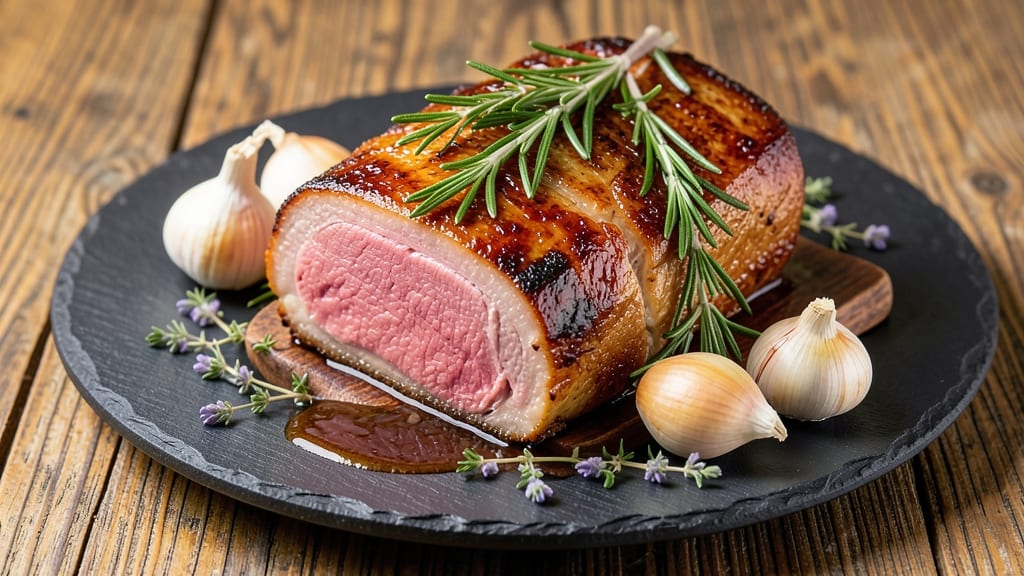
Betty Crocker's pork roast recipe delivers juicy pink centers and a crisp golden crust that makes every Sunday dinner feel like a celebration. 🔥 I've refined this classic technique over years of perfecting roasts for family gatherings, ensuring tender meat that practically melts at the touch of a fork.
The secret lies in the clockwork sear and precise oven temperature—no guesswork, just reliable results every time.
This method transforms a simple pork roast into a showstopper with minimal effort. You'll start with a dry brine to lock in moisture, then sear the meat in a hot pan for maximum flavor before slow-roasting at a steady 325°F. The result?
Meat so tender it falls apart with just a nudge, while the exterior develops that perfect caramelized crust. Even beginners will achieve restaurant-quality results with this foolproof approach.
What makes this recipe truly special is how it balances simplicity with professional techniques. No fancy equipment required—just a good roasting pan and patience. The pork rests after roasting, allowing juices to redistribute so every bite stays moist and flavorful.
Serve with classic sides like mashed potatoes or a tangy apple glaze for the full experience.
This is the kind of pork roast that becomes a family tradition—one that gets passed down through generations. The technique scales beautifully for holidays or weeknight dinners, and leftovers reheat perfectly for sandwiches the next day. Let's get started on creating a roast that'll have everyone asking for seconds.
Ingredients for betty crocker pork roast
Six ingredients transform ordinary pork into a showstopper with juicy pink centers and caramelized perfection.
| Ingredient | Amount | Notes |
|---|---|---|
| Boneless Pork Loin Roast 🥩 | 3 lb | Center-cut for even cooking |
| Kosher Salt 🧂 | 1 ½ tbsp | Diamond Crystal preferred |
| Freshly Ground Black Pepper 🌶️ | 1 tsp | Coarsely cracked |
| Garlic Cloves 🧄 | 6 cloves | Smashed for infusion |
| Fresh Rosemary 🌿 | ¼ cup | Finely chopped, stems removed |
| Fresh Thyme 🌿 | ⅛ cup | Leaves only, stems discarded |
| Unsalted Butter 🧈 | ½ cup | Cold, cubed for searing |
| All-Purpose Flour 🌾 | ¼ cup | For dredging pan |
| Yellow Onion 🧅 | 1 whole | Quartered, skin on |
| Carrots 🥕 | 4 whole | Whole, peeled |
| Celery Stalks 🥬 | 4 whole | Trimmed, cut into 2-inch pieces |
| Apple Cider Vinegar 🍎 | 2 tbsp | For brining |
| Granulated Sugar 🍚 | 1 tbsp | For brining |
The pork loin is the foundation—center-cut ensures even cooking without connective tissue. Costco or Whole Foods carry excellent pre-trimmed roasts, but if shopping elsewhere, request the thickest cut available. Avoid bone-in pieces unless you're comfortable adjusting cook times. For the dry brine, mix kosher salt, sugar, and apple cider vinegar—this trio creates a flavor lock while tenderizing. The fresh herbs should be vibrant: pinch the rosemary sprigs and discard woody stems, then finely chop the leaves. Thyme leaves only are ideal; stems add bitterness. Penzeys or local farmers markets often carry superior quality herbs.
No fresh rosemary? Dried at one-third the amount works, though texture differs. Substitute 1 tsp dried thyme if fresh isn't available. For the garlic, roasted cloves add sweetness but won't infuse as deeply—stick with raw for maximum flavor. Butter matters here: European-style (like Plugrá) has higher fat content for superior searing. The flour is non-negotiable for creating a crisp crust in the pan. If your pan isn't nonstick, double the flour to prevent sticking. The aromatics—onion, carrots, celery—can be prepped ahead and refrigerated for 2 days in a sealed container.
The roast develops peak tenderness after resting 15-20 minutes—don't skip this. Carve against the grain for maximum tenderness. Leftovers reheat best at 300°F for 20 minutes, covered with foil. Store in an airtight container for 4 days in the fridge or 3 months frozen. For holiday prep, portion into individual servings before freezing. The crust reheats less perfectly but the meat remains juicy. Always bring frozen roast to room temperature before reheating for even cooking.
Why You'll Love This Recipe
- Five-Ingredient Magic: I swear by this combo—pork loin, garlic, rosemary, and just salt and pepper. That’s it. No fancy marinades or last-minute shopping runs. The rosemary alone makes it smell like a restaurant kitchen, and the garlic? It caramelizes into pure flavor gold.
- Weeknight Hero: Between us, this is the only roast I’ll make when I’m staring at a clock and a half-empty fridge. Thirty minutes in the oven, zero fuss, and it still tastes like I spent hours. My kids don’t even ask why dinner’s ready so fast.
- Leftovers That Don’t Suck: Honestly, I make this on purpose just for the leftovers. Thinly sliced the next day with a drizzle of olive oil? It’s basically pork charcuterie. Or toss it in sandwiches—trust me, no one will guess it’s not deli meat.
- Budget-Friendly Feast: A pork loin roast stretches further than you’d think, especially when you’re feeding a crowd or meal-prepping. I’ve fed six people for under $15 with this, and everyone leaves happy. That’s a win in my book.
Step-by-step instructions for betty Crocker's clockwork sear pork roast
Master this technique and you'll achieve a pork roast with perfectly juicy pink centers and a golden crust every time.
👨🍳 Step 1: Prepare the Brine for Maximum Juiciness
In a large resealable plastic bag, combine the 3 lb boneless pork loin roast, 2 tbsp apple cider vinegar, 1 tbsp granulated sugar, and 1.5 tbsp kosher salt. Seal the bag and massage it gently to distribute the brine evenly. Place the bag in the refrigerator and let the pork roast brine for 4-6 hours (or overnight for deeper flavor).
The acidity from the vinegar helps tenderize the meat while the sugar and salt create an osmosis effect that keeps the pork incredibly moist during cooking. I always use a bag for this step—it ensures even coating without any messy spills. After brining, rinse the roast under cold water and pat it completely dry with paper towels before proceeding.
🍳 Step 2: Create the Herb Butter Rub
In a small bowl, combine the 0.5 cup unsalted butter (cold and cubed), 0.25 cup fresh rosemary, 0.125 cup fresh thyme, 1 tsp freshly ground black pepper, and the 6 smashed garlic cloves. Use your fingers to work the mixture together until it forms a thick paste. This herb butter will create an aromatic crust while keeping the meat tender.
Here's the thing—don't skip the cold butter. The fat needs to render slowly during cooking, not melt immediately. Spread this mixture evenly over the entire surface of the roast, pressing it gently into the meat. This ensures maximum flavor penetration and that golden crust we're after. Let the roast sit at room temperature for 30 minutes before cooking.
🔥 Step 3: Sear the Roast for Deep Flavor
Preheat your oven to 425°F. Heat a large oven-safe skillet over medium-high heat until it's very hot. Add the pork roast and sear it on all sides for 3-4 minutes per side until it develops a deep golden-brown crust. This initial sear locks in juices and creates the foundation for our crust.
Don't walk away during this step. You'll know it's ready when the roast releases easily from the pan and the crust is deep golden brown with some caramelization. If you notice the butter burning before the crust forms, reduce the heat slightly. Once seared, transfer the skillet to the preheated oven.
🥘 Step 4: Roast with Vegetables for Perfect Pairing
While the pork roast sears, prepare the vegetables by placing the 1 whole yellow onion, 4 whole carrots, and 4 whole celery stalks in the same skillet around the pork. Pour in 0.25 cup all-purpose flour and stir to coat the vegetables lightly. This creates a light roux that will thicken as it roasts, adding body to the pan juices.
Roast the pork and vegetables together for 45-50 minutes until the internal temperature of the pork reaches 145°F (measured with a meat thermometer in the thickest part). The vegetables should be tender but still holding their shape. The flour helps create a light, flavorful fond that we'll use to make a quick pan sauce later.
⏰ Step 5: Rest and Serve for Maximum Juiciness
Remove the pork roast from the oven and transfer it to a cutting board. Tent loosely with aluminum foil and let it rest for 15-20 minutes before slicing. This resting period is crucial—it allows the juices to redistribute throughout the meat, ensuring each slice stays moist and flavorful.
While the pork rests, use a wooden spoon to scrape up all the browned bits from the bottom of the skillet. Add ½ cup water and stir to create a simple pan sauce. Slice the pork against the grain into ½-inch thick slices and serve immediately with the pan sauce drizzled over the top. The result should be a perfectly juicy pork roast with a golden crust and tender, flavorful vegetables.
Pro Tips For Making Betty Crocker Pork Roast
- SEAR THE LOIN FIRST: Hit that pork roast with a screaming-hot pan for 2-3 minutes per side before roasting—this locks in juices and builds flavor faster than you’d expect. I used to skip this, and the meat always tasted bland no matter how much rosemary I added.
- SMASH THOSE GARLIC CLOVES: Don’t just mince garlic—smash 3-4 cloves with the flat side of your knife first, then chop. This releases more oil and flavor, and it sticks to the pork better when you sear it. (Yes, even if you’re impatient like me.)
- DON’T OVERSTUFF THE ROAST: If you’re tempted to cram extra garlic or rosemary inside the roast, resist. Pork loin is lean—overloading it risks drying it out. Stick to a thin layer of salt, pepper, and crushed garlic on the outside, then add sprigs of rosemary on top. Trust me, it’s enough.
- CHECK TEMP WITH A THERMOMETER: Pull the roast at 140°F internal temp—it’ll climb to 145°F while resting. I learned this the hard way by cutting into it early and watching it turn rubbery. A cheap instant-read thermometer is your new best friend for this recipe.
Best sauces and condiments for these flavors
Classic Pan Sauce
After roasting, scrape up all the browned bits from the pan and deglaze with ½ cup water or dry white wine for depth. I often use Sauvignon Blanc from my local Georgia vineyard—its citrus notes complement the pork beautifully.
Simmer for 2-3 minutes until slightly thickened, then whisk in 1 tbsp cold butter for a silky finish. This sauce cuts through the richness while highlighting all those caramelized flavors from the roast. 🍷
Apple Cider Glaze
For a sweet-tangy contrast, reduce ½ cup apple cider with 1 tbsp brown sugar and 1 tsp Dijon mustard until syrupy. Brush this glaze over the roast during the last 15 minutes of cooking.
The acidity tenderizes while the sugar creates a sticky, caramelized crust. I've found Mott's unsweetened cider works best—it's consistent and affordable. This glaze pairs perfectly with the herb butter's savory notes.
Honey Mustard Cream
Mix ¼ cup sour cream, 2 tbsp honey, 1 tbsp Dijon mustard, and 1 tsp lemon juice for a creamy, slightly sweet accompaniment. This sauce works wonders as a dipping sauce for sliced pork or as a topping for mashed potatoes.
The honey adds natural sweetness while the mustard provides a tangy kick that balances the richness of the roast. Store-bought Dijon is fine, but I prefer whole-grain mustard for extra texture.
Herb Butter Variations
Want to change up the herb butter? Swap rosemary for fresh sage or tarragon for a more anise-forward flavor. I've also had success with ½ tsp smoked paprika mixed into the butter for a subtle smoky depth.
For a Southern twist, add 1 tsp hot sauce to the butter rub before applying it to the roast. The heat mellows during cooking but adds an interesting background note.
Caramelized Onion Topping
Slice 1 large yellow onion thinly and caramelize in 1 tbsp butter over low heat for 20-25 minutes until deep golden brown. Pile these onto sliced pork roast before serving. The sweet, jammy onions create a stunning presentation while adding another layer of flavor.
I often sprinkle with flaky sea salt right before serving to enhance the caramelized sugars. This topping elevates the dish from ordinary to extraordinary with minimal effort.
Nutrition facts
Frequently asked questions
What's the secret to getting perfectly pink pork without drying it out?
The clockwork sear technique is key! Start with a 425°F sear to lock in juices, then reduce to 325°F for even cooking. The dry brine with apple cider vinegar and sugar creates an osmosis effect that keeps the meat incredibly moist. Always use a meat thermometer—pork is safe at 145°F internal temperature. The rest after cooking is just as important as the cooking itself.
Can I use bone-in pork shoulder instead of boneless loin?
Yes, but you'll need to adjust your cook time and method. Bone-in pork shoulder benefits from a longer, slower cook (about 3-4 hours at 300°F) until it reaches 195°F internal temperature for pull-apart tenderness. The bone adds flavor but requires more patience. For a quick fix, reduce the oven temp by 25°F and add 30-45 minutes to your total cook time.
What's the best way to reheat leftover pork roast?
Reheat gently to preserve moisture—wrap slices in aluminum foil and bake at 300°F for 20 minutes. For maximum tenderness, add 1 tbsp water to the foil packet. Microwaving works in a pinch (use 30-second intervals on medium power), but it can make the meat slightly rubbery. Never reheat above 300°F or the crust will dry out.
How do I make this recipe for a crowd of 12?
Scale up by doubling the roast to 6 lbs and increase the vegetables proportionally. Use two 12-inch cast iron skillets for even searing, and roast at 325°F for 2.5-3 hours until internal temp reaches 145°F. Divide the herb butter mixture between both roasts. For serving, slice against the grain and arrange on a platter with extra pan sauce drizzled over the top.
Why did my pork turn out dry?
Most likely you skipped one of three critical steps:
- Not resting the meat (always 15-20 minutes after cooking),
- Overcooking past 145°F internal temperature, or
- Not using the dry brine. The vinegar and sugar in the brine are essential for moisture retention. For future attempts, check your thermometer placement—it should be in the thickest part, away from fat or bone.