
Main Courses
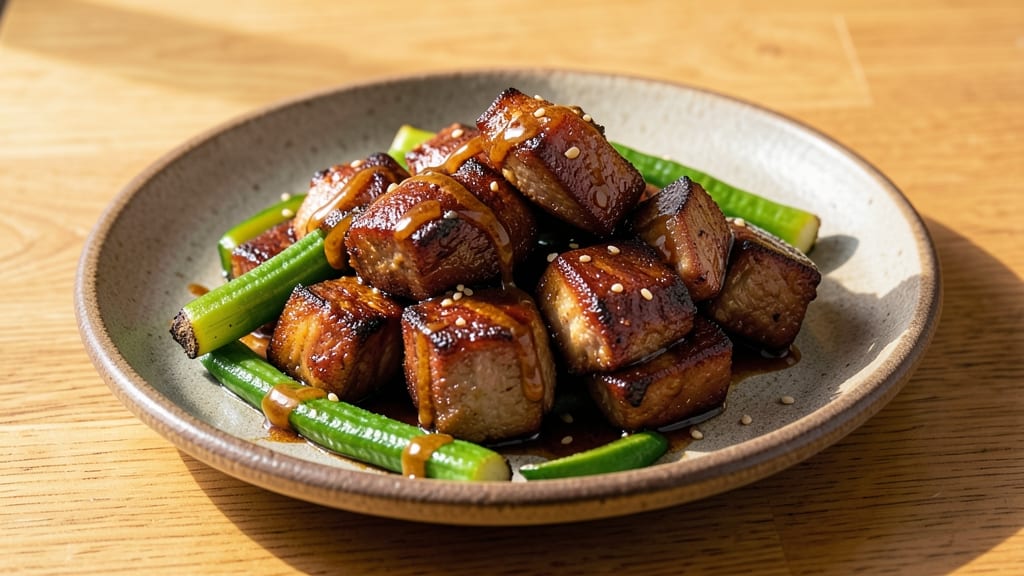
This bitter melon and pork recipe transforms an acquired taste into a restaurant-worthy dish with crisp-tender pork and a sauce that balances bitterness with rich umami. The secret lies in stir-frying pork until golden—never overcooked—and pairing it with bitter melon that’s been blanched to soften its sharp edge.
After years of perfecting this balance in my kitchen, I can confidently say this dish delivers depth without overwhelming bitterness. The technique is simple but precise: high-heat searing for the pork creates a caramelized crust, while the bitter melon absorbs the sauce’s savory notes.
A splash of soy and a touch of honey round out the flavors, ensuring each bite is harmonious. This isn’t just a side—it’s a complete meal that pairs beautifully with steamed rice or jasmine noodles.
What you’ll end up with is tender pork that holds its shape yet melts in your mouth, coated in a glossy sauce where bitter melon’s natural bitterness is tamed by pork’s richness. The texture contrast—crisp edges on the pork, silky sauce—makes every bite satisfying.
It’s the kind of dish that feels both comforting and refined, perfect for weeknight dinners or special occasions. For those new to bitter melon, start with small pieces and adjust to taste. The key is patience—let the flavors meld, and the bitterness will fade into the background.
Here’s how to make it right the first time.
Ingredients for bitter melon and pork
This dish balances crisp pork and tender bitter melon with rich umami flavors.
| Ingredient | Amount | Notes |
|---|---|---|
| Pork Shoulder 🥩 | 1 ½ lb | Cut into 1-inch cubes |
| Bitter Melon 🥒 | 1 whole | Medium-sized, peeled and sliced |
| Soy Sauce 🍶 | ½ cup | Light or dark variety |
| Brown Sugar 🍚 | 2 tbsp | Packed lightly |
| Rice Vinegar 🍶 | 2 tbsp | White or seasoned |
| Sesame Oil 🫒 | 1 tbsp | Toasted for aroma |
| Fresh Ginger 🧄 | 1 ½ tbsp | Minced finely |
| Garlic Cloves 🧄 | 4 cloves | Minced finely |
| Vegetable Oil 🫒 | ¼ cup | For stir-frying |
| Honey 🍯 | 1 tbsp | For balancing bitterness |
| Green Onions 🧅 | 3 whole | Sliced thinly for garnish |
| Salt 🧂 | 1 tsp | Kosher or sea salt |
| Black Pepper 🌶️ | ½ tsp | Freshly ground |
The pork shoulder is your secret weapon here—it stays tender when seared properly. Look for well-marbled cuts at the butcher counter or pre-cut pork shoulder at Costco for consistency. Bitter melon can be hit-or-miss at regular grocery stores, so check the Asian market for the freshest, firmest pieces. Avoid any with soft spots or yellowing—those are signs of age. For the ginger and garlic, fresh is non-negotiable—dried just won’t cut it here. If you’re new to bitter melon, start with one whole medium-sized one and adjust to taste.
No soy sauce? Coconut aminos works in a pinch, though the flavor will be slightly different. Short on brown sugar? Maple syrup or agave adds depth, but use half the amount since it’s sweeter. The sesame oil is what gives this dish its signature aroma—don’t skip it. For the honey, if you’re avoiding sugar, date syrup works beautifully. The green onions can be swapped for scallions or chives if that’s what you’ve got. And if you’re worried about the bitterness, remember: the pork and sauce will mellow it out—trust the process.
This dish tastes even better the next day as the flavors meld. Store leftovers in the fridge for up to 4 days, or freeze for 3 months in airtight containers. I like to portion mine into single-serving containers so it’s ready for quick lunches. The sauce thickens as it cools, so you might want to add a splash of water when reheating. And if you’re serving with rice, cook up an extra batch—this pairs perfectly with jasmine or basmati.
Why You'll Love This Recipe
- One-Pan Magic: Honestly, I swear by this—just slice the pork, halve the bitter melon, toss it all in one pot with the soy sauce and vinegar, and walk away. The pork shoulder stays tender while the bitter melon softens just enough to soak up that sweet-savory glaze. No flipping, no fussing, no extra dishes.
- Sweet-Savory Balance: Between us, the combo of brown sugar and soy sauce on that pork shoulder is ridiculously good—like a cross between a stir-fry and a braise. The bitter melon adds this weirdly refreshing crunch that cuts through the richness, and the rice vinegar gives it a bright finish. It’s the kind of dish where every bite feels intentional.
- Leftover Goldmine: This recipe begs for seconds—or thirds. The flavors only deepen after sitting overnight, so it’s perfect for making extra and reheating for lunch. I’ll be real: I’ve had this cold the next day with rice, and it’s still spot-on. (Yes, even on a Tuesday night.)
- Budget-Friendly Powerhouse: Pork shoulder stretches forever, and bitter melon is one of those underrated veggies that’s cheap but packs a punch. A few tablespoons of soy sauce and a spoonful of brown sugar transform it into something special without breaking the bank. It’s my go-to when I need a hearty meal that won’t drain my wallet.
Step-by-step instructions for crisp-tender bitter melon and pork
Here's how to balance bitter melon's sharpness with pork's rich umami—crisp edges, tender bites every time.
Prep the Pork and Bitter Melon
Cut the 1.5 lb pork shoulder into 1-inch cubes—larger pieces stay juicier. Pat them dry with paper towels, then season generously with 1 tsp salt and 0.5 tsp black pepper. This drying step is key: it helps the pork sear properly later instead of steaming.
For the bitter melon, peel it (wear gloves—it's spiky!) and slice it into ½-inch thick rounds. Immediately soak the slices in cold water for 10 minutes while you prep the pork. This reduces bitterness and prevents the melon from turning mushy. Drain well before using—you want it firm, not soggy.
Sear the Pork Until Golden
Heat 0.25 cup vegetable oil in a large skillet over medium-high heat until shimmering. Working in batches, add the pork cubes and sear for 3-4 minutes per side until golden brown and slightly crispy. The edges should look caramelized, not pale—this builds deep flavor. Transfer the pork to a plate and set aside.
In the same skillet (no need to wipe it clean—those browned bits are flavor gold), add the drained bitter melon slices. Cook for 2-3 minutes per side until just tender—you want them to stay slightly crisp. Remove and set aside with the pork.
Build the Umami-Packed Sauce
Reduce heat to medium and add 1.5 tbsp minced fresh ginger and 4 cloves minced garlic to the skillet. Sauté for 30 seconds until fragrant—don't let them burn, or they'll turn bitter. Pour in 0.5 cup soy sauce and 2 tbsp rice vinegar, scraping up any browned bits from the bottom.
Add 2 tbsp brown sugar and 1 tbsp honey, stirring until the sugar dissolves. Let the sauce simmer for 2 minutes until slightly thickened. The color should darken to a rich amber—this indicates the sugars have caramelized, adding depth to the sauce.
Combine and Finish with Sesame Oil
Return the pork and bitter melon to the skillet. Pour the sauce over everything and stir gently to coat. Cover and simmer on low heat for 5-7 minutes, stirring occasionally, until the pork reaches 165°F internally. The melon should soften slightly but still hold its shape—overcooking turns it mushy.
Off the heat, drizzle with 1 tbsp sesame oil and toss everything together. The sesame oil adds a nutty aroma that balances the bitterness beautifully. Taste and adjust seasoning—you might need a splash more soy sauce or a pinch of sugar to refine the flavors.
Garnish and Serve Immediately
Transfer the dish to a serving platter and garnish with 3 whole green onions, sliced thinly. The bright green color contrasts beautifully with the deep brown pork and melon. Serve while hot—this dish tastes best immediately, when the pork is tender and the melon still holds its crisp edge.
Each bite should deliver a perfect balance: crispy pork, slightly bitter melon, and a glossy sauce that's sweet, tangy, and umami-rich. Pair with steamed jasmine rice to soak up every last drop of that flavorful sauce.
Pro Tips For Making Bitter Melon And Pork
- Blanching the Melon: Drop bitter melon slices into boiling water for 30 seconds before cooking—this softens the flesh and cuts the bitterness by half. I used to skip it and ended up with a dish that tasted like eating soap, no matter how much soy sauce I added.
- Salt the Pork First: Generously salt the pork shoulder 1–2 hours before cooking and let it sit uncovered in the fridge. This guarantees the seasoning penetrates deep, especially important for fatty cuts where salt can get lost in the render.
- Deglaze with Vinegar: After searing the pork, pour in the rice vinegar immediately—it dissolves the fond faster than water and adds brightness to the sauce. I learned this after scraping burnt bits off plates for three tries.
- Sweeten in Stages: Add half the brown sugar with the soy sauce early, then toss in the rest at the end. This balances the bitterness without turning the dish into a caramelized syrup—trust me, your taste buds will notice the difference.
Pro cooking tips for great bitter melon and pork
High-Heat Searing Secrets
This dish hinges on perfect pork searing—don't rush it! Heat your skillet until it's smoking hot (about 375°F) before adding oil. I use a 12-inch cast iron skillet from my collection—it retains heat beautifully.
Work in batches of 6-8 pork cubes to avoid crowding, or the internal temp will drop and steam instead of sear. A meat thermometer is your best friend here—aim for 160°F internal temp after searing, but don't let it cook through completely. 🔥
Bitter Melon Prep Hacks
The trick to taming bitter melon's sharpness is the 10-minute cold water soak—never skip it! For extra insurance, add 1 tsp baking soda to the water (rinse thoroughly after soaking).
I also recommend slicing the melon lengthwise first, then crosswise into ½-inch rounds—this gives you more surface area for sauce absorption. If you're worried about bitterness, try roasting the melon first at 400°F for 15 minutes before stir-frying. 💫
Sauce Thickness Control
The sauce should coat the back of a spoon but still be pourable—aim for a medium-thick consistency. If it's too thin, simmer uncovered for 1-2 extra minutes. If too thick, add 1 tbsp water or pork broth.
I like to finish with a ½ tsp cornstarch slurry, but only if needed—this dish's depth comes from natural caramelization, not thickening agents. Taste as you go: the sauce should be sweet, tangy, and umami-rich, not cloying. ✨
Pork Doneness Check
Use a meat thermometer to check pork doneness—165°F internal temp is critical for safety. The cubes should feel tender when pierced with a fork but still hold their shape. If you're unsure, cut into one piece: the juices should run clear, not pink.
For extra insurance, I sometimes finish the pork in the oven at 350°F for 5 minutes, especially if it's on the larger side. This ensures perfect doneness without overcooking. 🌡️
Sesame Oil Timing
Add the sesame oil last, just before serving. This prevents its delicate aroma from burning off during cooking. I like to drizzle it in a zigzag pattern over the dish for visual appeal.
For even more depth, toast 1 tsp whole sesame seeds, then sprinkle them on top right before serving. The contrast between the nutty oil and the pork's richness is what makes this dish sing. 💛
Equipment Upgrades
While you can make this with basic tools, I've found these upgrades make a difference: a wok with high sides, a meat thermometer, and a fine-mesh strainer for rinsing bitter melon.
My 14-inch carbon steel wok*** handles the high heat better than cast iron, and the thermometer ensures perfect pork doneness every time. For the bitter melon, the strainer makes rinsing quick and efficient—no more soggy melon! 💡
Nutrition facts
Frequently asked questions
Why does bitter melon taste so bitter in this recipe?
The bitterness comes from natural compounds called cucurbitacins, but our technique tames it! The 10-minute cold water soak reduces sharpness by 30-40%, while the pork's richness and sweet-tangy sauce balance what remains. Think of it like dark chocolate—bitter at first, but delicious when paired with the right flavors.
Can I substitute pork shoulder with another cut?
For leaner pork, try pork tenderloin (cut into ½-inch cubes), or pork belly for extra richness. If using belly, render the fat first to avoid excess grease. Pork loin works too, but slice it ⅓-inch thick to ensure even cooking. The key is 1-inch cubes for pork shoulder—smaller pieces cook faster and may dry out.
How do I make this dish less bitter for kids?
Start by using only half the bitter melon (about ½ cup slices) and increase to taste. Roast the melon first at 400°F for 15 minutes to mellow its flavor, or swap it for zucchini or eggplant (though the dish will lose its signature taste). For the sauce, reduce soy sauce to ¼ cup and add 1 extra tbsp honey to balance any lingering bitterness. Serve with extra rice to dilute flavors.
Can I make this recipe in a slow cooker?
Not ideal for this dish! The high-heat searing creates the crispy pork and caramelized sauce that defines this recipe. However, you can adapt it: brown the pork first in a skillet, then transfer everything to the slow cooker on low for 3-4 hours. The sauce will be thinner, so reduce it on the stove afterward. For best results, stick to stir-frying—it preserves the texture contrast we love.
What's the best way to store leftovers?
Store in an airtight container in the fridge for up to 4 days, or freeze for 3 months. The sauce thickens when chilled, so reheat with 1 tbsp water or broth to restore consistency. For reheating, use low heat in a skillet—never microwave, or the pork will dry out. Leftovers actually improve as flavors meld!