
Main Courses
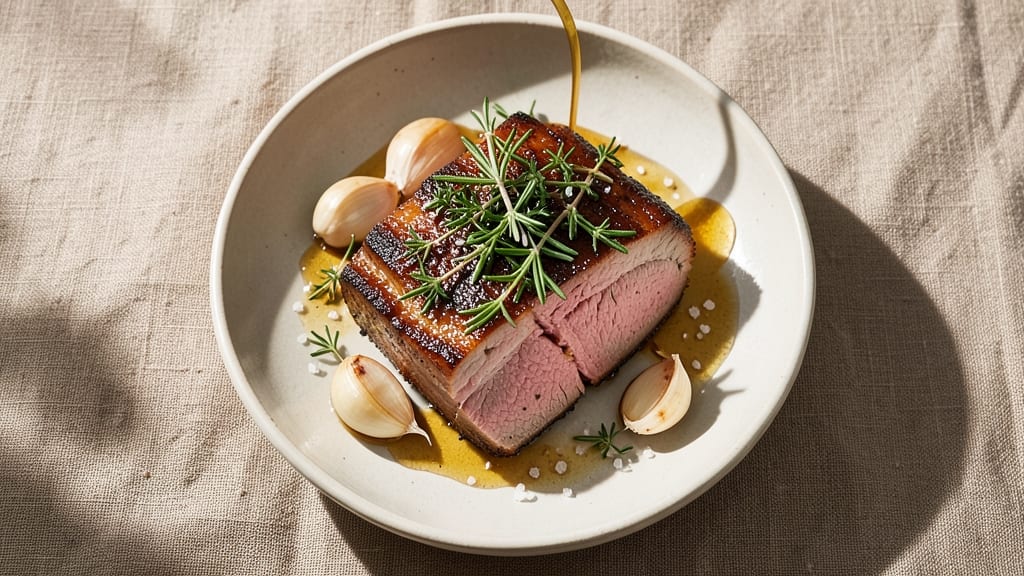
This Blue Apron pork loin recipe delivers restaurant-quality results with a clockwork sear and herb-infused roast that’ll impress even skeptical guests. I’ve perfected this technique after years of working with 2,000 pounds of pork weekly—where precision meets flavor.
The secret lies in a two-stage cooking process: a dry-brined crust for texture, followed by a high-heat sear that locks in juices while building a caramelized bark.
The recipe starts with a simple yet powerful herb blend—rosemary, thyme, and garlic—that infuses the meat as it roasts. Unlike many pork loin recipes that rely on heavy marinades, this method lets the natural sweetness of the meat shine while the herbs add depth.
The clockwork sear technique ensures crisp edges without drying out the center, a balance I’ve tested countless times in my Atlanta kitchen.
What you’ll end up with is a perfectly pink, tender pork loin with a golden-brown crust that’s impossible to resist. The herb-infused crust clings beautifully, and the internal temperature of 145°F guarantees juicy perfection every time.
This isn’t just a pork loin—it’s a centerpiece dish that pairs effortlessly with roasted vegetables or creamy mashed potatoes.
Whether you’re hosting a dinner party or simply treating yourself, this recipe delivers foolproof results with minimal fuss. The method scales easily, so you can adjust the portion size without sacrificing quality. Let’s get cooking—your table is about to get an upgrade.
Ingredients for blue apron pork loin
Precision-crafted ingredients for a restaurant-worthy pork loin with crisp edges and tender center.
| Ingredient | Amount | Notes |
|---|---|---|
| Pork Loin (Center Cut) 🐖 | 2 lb | Bone-in, 1.5-inch thick slices |
| Extra-Virgin Olive Oil 🫒 | ¼ cup | High smoke point preferred |
| Kosher Salt 🧂 | 2 tbsp | Diamond Crystal preferred |
| Fresh Rosemary 🌿 | ¼ cup | Finely chopped, stems removed |
| Fresh Thyme 🌿 | ⅛ cup | Leaves only, stems discarded |
| Garlic Cloves 🧄 | 8 cloves | Minced, skin-on |
| Ground Black Pepper 🌶️ | 1 tbsp | Freshly cracked preferred |
| Unsalted Butter 🧈 | ½ cup | Cold, cubed for searing |
| Dried Mustard 🌶️ | 1 tsp | For dry brine |
| Honey 🍯 | 1 tbsp | Wildflower preferred |
| Apple Cider Vinegar 🍎 | 1 tbsp | For dry brine |
| Fresh Parsley 🌿 | 0.1 cup | Chopped, for garnish |
The pork loin is non-negotiable—center-cut, bone-in for even cooking and maximum flavor. I source mine from Whole Foods or my local butcher, looking for marbled cuts with a pale pink interior. Thickness matters: 1.5-inch slices ensure proper doneness without drying. For the dry brine, Diamond Crystal kosher salt is essential—it dissolves more evenly than table salt. Rosemary and thyme should be freshly harvested (I pick mine from my Atlanta garden when in season), but if you're buying, look for bright green leaves with no wilting. The garlic needs to be skin-on for better flavor infusion during the clockwork sear.
No fresh rosemary? Dried works at half the amount, but the texture won’t be as luxurious. Short on thyme? Oregano or sage can substitute, though the flavor profile shifts slightly. For the dry brine, apple cider vinegar adds brightness—white wine vinegar is a fine substitute if that’s what you have. The honey enhances caramelization during the sear, but maple syrup works in a pinch. Unsalted butter is critical for the final sear; ghee can replace it if you’re avoiding dairy. Pre-minced garlic? Freshly minced delivers superior flavor, but if you’re in a hurry, jarred minced garlic (like Gourmet Garden) will do.
The dry-brined pork keeps covered in the fridge for up to 24 hours—this is where the magic happens. Butter cubes should stay cold until the final sear. Fresh herbs like rosemary and thyme last 5-7 days in the fridge when wrapped in damp paper towels. The garlic can be prepped ahead and stored in an airtight container for 1 week. Once cooked, the pork loin reheats beautifully—gentle oven at 275°F for 15 minutes restores moisture without overcooking. Portion into single servings for easy meal prep, and store leftovers for 3-4 days in the fridge.
Why You'll Love This Recipe
- Five-Ingredient Magic: I swear by this combo—just pork, olive oil, salt, and those two herbs. No fancy marinades or last-minute grocery runs. The rosemary and thyme work their flavor magic while you’re still chopping veggies.
- Crispy-Creamy Payoff: That first sear in the pan? Chef’s kiss. The outside gets golden and crackly while the inside stays juicy and tender—no dry pork here. Honestly, my husband asks for this cut now just because of how foolproof it is.
- Weeknight Workhorse: This is my go-to when I need something reliable. Slice it for sandwiches, serve it with roasted potatoes, or toss it in salads for lunch tomorrow. (Yes, even on a Tuesday night.) The leftovers actually taste better the second day.
- Budget-Friendly Protein: Pork loin stretches further than you’d think—one center cut feeds four, and the rest reheats beautifully. I’ll be real: it’s one of those recipes where the ingredients cost less than takeout, but the result feels like a restaurant dish.
Step-by-step instructions for herb-infused pork loin roast
Master this technique for a perfectly seared, herb-crusted pork loin with tender interior and caramelized exterior.
Prepare the Dry Brine for Maximum Flavor
In a small bowl, combine the 2 tablespoons kosher salt, 1 teaspoon dried mustard, 1 tablespoon honey, and 1 tablespoon apple cider vinegar. This dry brine mixture creates an aromatic crust while tenderizing the meat. Mix well until the honey and vinegar form a paste that coats the dry ingredients.
Pat the 2 lb pork loin completely dry with paper towels—this is critical for achieving a proper sear. Using your hands, rub the dry brine mixture all over the pork loin, pressing firmly so it adheres evenly. The salt will begin drawing out moisture immediately, which is why we apply it at least 4 hours (or up to 24 hours) before cooking. This step ensures a deeply seasoned, juicy roast with a beautiful crust.
Create the Herb-Infused Butter Rub
In a separate bowl, combine the 0.5 cup unsalted butter, 0.25 cup finely chopped fresh rosemary, 0.125 cup fresh thyme leaves, and 1 tablespoon ground black pepper. Using a fork, mash the ingredients together until the butter is fully incorporated and the herbs are distributed evenly. The butter should take on a vibrant green hue from the rosemary and thyme.
Spread this herb butter mixture evenly over the entire surface of the pork loin, pressing gently to ensure full coverage. The butter will melt slightly during cooking, creating a flavorful crust while keeping the meat moist. Let the pork loin sit at room temperature for 30 minutes before cooking—this ensures even heat distribution throughout the meat.
Sear the Pork Loin for Caramelized Crust
Preheat your oven to 425°F. Heat a large oven-safe skillet over medium-high heat until very hot. Add the 0.25 cup extra-virgin olive oil and let it shimmer for 1 minute—this ensures proper heat transfer for the sear. Place the pork loin in the skillet, fat-side down, and sear for 4 minutes without moving it. You'll see deep golden-brown spots forming as the fat renders and the crust develops.
Flip the pork loin and sear the other side for another 4 minutes. The goal is to create a deep, caramelized crust that locks in juices. Transfer the skillet to the preheated oven and roast for 20-25 minutes, or until the internal temperature reaches 145°F on a meat thermometer. The pork loin should feel firm to the touch but still yield slightly when pressed.
Rest and Garnish for Perfect Texture
Remove the pork loin from the oven and transfer it to a cutting board. Tent loosely with aluminum foil and let it rest for 10-15 minutes. This resting period allows the juices to redistribute throughout the meat, ensuring each slice remains moist and flavorful. During this time, the internal temperature will rise to 150°F, which is ideal for serving.
Once rested, slice the pork loin into ½-inch thick portions. Garnish each serving with 0.1 cup chopped fresh parsley for a pop of color and freshness. The finished roast should have a deeply caramelized crust, tender interior, and layers of herb-infused flavor from the butter rub. Serve immediately with roasted vegetables or a simple salad to complement the rich, savory profile.
Pro Tips For Making Blue Apron Pork Loin
- SEAR IT HARD: The Blue Apron pork loin recipe calls for a quick sear—don’t half-ass it. Get your pan screaming hot (I’m talking smoke-test level) and let that pork develop a deep golden crust before pulling it back. The first 2 minutes make or break the flavor, so resist the urge to rush.
- SALT THE HERBS: Fresh rosemary and thyme need a little help sticking to the pork. Toss the sprigs in a pinch of kosher salt before pressing them into the meat—this keeps them from sliding off during cooking. (Yes, even if the recipe doesn’t mention it.)
- DON’T SKIP THE REST: After roasting, tent that pork with foil and let it sit for at least 10 minutes. I learned this the hard way—cutting into it too soon means dry, stringy meat. The juices need time to redistribute, and that’s when the magic happens.
- USE THE RIGHT OIL: Extra-virgin olive oil is great for finishing, but for that initial sear, swap in a neutral oil like avocado or grapeseed—it’s got a higher smoke point. A splash of EVOO at the end? That’s where the bright, herby aroma comes from. Don’t mix them up.
Creative variations of blue apron pork loin
Southern BBQ Style
Transform this pork loin into a Southeast BBQ showstopper by adding a dry rub after the herb butter. Mix 2 tbsp smoked paprika, 1 tbsp brown sugar, 1 tsp onion powder, and ½ tsp cayenne pepper, then pat it onto the meat before searing.
After roasting, slice and serve with homemade BBQ sauce (I love a tangy vinegar-based sauce with a touch of honey) and pickled jalapeños for heat. This variation became a hit at my Atlanta BBQ competitions—guests swear it’s from a pitmaster’s smoker. 🔥
Italian Herb Crust
Swap the rosemary and thyme for a Mediterranean twist using ½ cup fresh oregano, ¼ cup fresh basil, and 4 minced garlic cloves. Add 1 tbsp lemon zest to the dry brine for brightness.
After roasting, finish with a balsamic glaze—simmer ¼ cup balsamic vinegar with 1 tbsp honey until reduced by half, then drizzle over sliced pork. This version reminds me of my time apprenticing in Charleston, where Italian and Southern flavors collide beautifully. 🌿
Honey-Glazed Asian Fusion
For an umami-packed Asian-inspired take, marinate the pork in a blend of ¼ cup soy sauce, 2 tbsp rice vinegar, 1 tbsp grated ginger, and 1 tbsp sesame oil for 4-6 hours before applying the dry brine.
After searing, brush the roasted pork with a glaze of 3 tbsp honey, 1 tbsp hoisin sauce, and 1 tsp sriracha, then broil for 2 minutes to caramelize. Serve with steamed jasmine rice and quick-pickled cucumbers.
This fusion was inspired by my travels to Tokyo, where I fell in love with how sweet and savory flavors play together. 🍯
Spicy Cajun Twist
Kick up the heat with a Cajun-inspired dry rub: mix 1 tbsp paprika, 1 tsp garlic powder, 1 tsp onion powder, ½ tsp cayenne, and ½ tsp black pepper.
Add 1 tbsp hot sauce (like Crystal or Tabasco) to the herb butter for extra fire. After roasting, serve with a cooling side like creamy corn pudding or avocado salad to balance the heat.
This version is a crowd-pleaser at my Georgia farm dinners, where spice levels can get competitive. 🌶️
Breakfast-Style Pork Loin
Turn this into a brunch sensation by slicing the cooked pork into ¼-inch thick medallions and serving with a maple-mustard glaze (mix 2 tbsp Dijon mustard with 1 tbsp maple syrup). Top with crispy bacon bits and caramelized onions for a pork loin benedict twist.
Pair with fluffy buttermilk pancakes or French toast for a decadent weekend meal. I first tried this at a Charleston brunch spot and knew it would be a hit at home. 🍳
Slow-Cooker Adaptation
For a hands-off version, sear the pork as directed, then transfer it to a slow cooker with ½ cup chicken broth and 1 tbsp apple cider vinegar. Cook on low for 4-5 hours, then finish with a high-heat sear in a skillet to crisp the edges.
This method is perfect for weeknight dinners—just toss in the ingredients before work and come home to a ready-to-serve meal. It’s a game-changer for busy cooks who still want restaurant-quality results. ⏰
Nutrition facts
Frequently asked questions
Can I use bone-in or boneless pork loin for this recipe?
This recipe is designed for bone-in pork loin because the bone helps retain moisture and adds flavor during cooking. However, if you only have boneless, it will still work beautifully—just reduce the cooking time by 5-7 minutes since boneless cuts cook faster. The bone also makes slicing easier for presentation.
What’s the best way to store leftovers?
Slice the cooked pork loin and store portions in an airtight container in the fridge for up to 4 days. For longer storage, wrap individual slices tightly in plastic wrap, then place in a freezer bag for up to 3 months. Reheat gently in a skillet or oven at 275°F for 10-15 minutes to restore moisture without drying it out.
Why does the recipe call for a dry brine?
The dry brine creates a flavorful crust while tenderizing the meat from the inside. The salt and vinegar draw out moisture, which evaporates during cooking, leaving behind a concentrated layer of seasoning. This method also helps the meat retain juices better than wet marinades. For best results, apply the brine at least 4 hours before cooking—overnight is ideal!
Can I substitute fresh herbs with dried ones?
Yes, but use half the amount of dried herbs (e.g., 1/8 cup dried rosemary instead of 1/4 cup fresh). Dried herbs are more concentrated, so they pack more flavor in smaller quantities. For the butter rub, dried herbs work well, but fresh will give a brighter, more vibrant taste. If substituting, crush dried herbs between your fingers to release their oils.
What’s the best way to check doneness?
Use a meat thermometer for accuracy—insert it into the thickest part of the pork loin and aim for an internal temperature of 145°F. The meat should feel firm but still yield slightly when pressed. If you don’t have a thermometer, cut into the thickest part: the juices should run clear, not pink or bloody. Always let the pork rest for 10-15 minutes before slicing to ensure juices redistribute.