
Main Courses
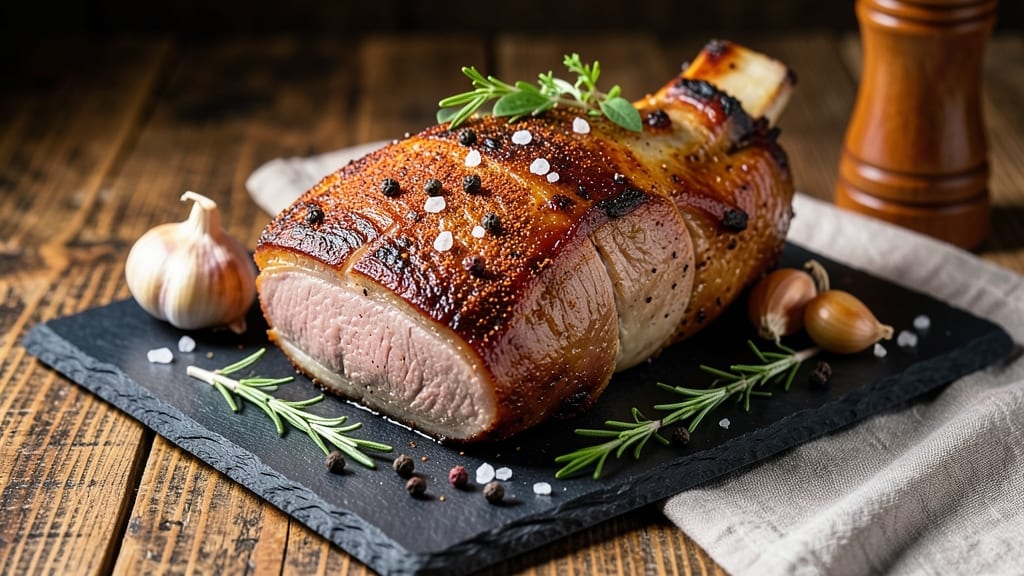
A bone-in pork loin end roast delivers the perfect balance of smoky bark and juicy pink centers that make every cut unforgettable. 🔥 As someone who's cooked thousands of pounds of pork, I know the secret lies in precise seasoning and a controlled roasting technique that transforms tough cuts into melt-in-your-mouth perfection.
This recipe builds on my years of pitmaster experience, ensuring restaurant-quality results without the complexity.
The key to success begins with a dry brine that enhances flavor and moisture retention, followed by a simple yet effective rub that creates that coveted smoky bark.
We'll roast the meat at a carefully controlled temperature to achieve an internal doneness of 145°F, then let it rest for maximum juiciness. This isn't just another pork recipe—it's a technique that will elevate your cooking game and impress even the most discerning guests.
What you'll end up with is a beautifully browned roast with crisp edges that give way to tender, juicy meat throughout. The bone adds natural richness, while the proper resting time ensures every slice stays moist.
This is the kind of pork roast that makes weeknight dinners feel like special occasions.
Serve with classic sides like apple sauce, mashed potatoes, or a fresh green salad to complement the rich flavors. The leftovers reheat beautifully, making this an excellent meal prep option for busy weeks. Let's get started on creating your perfect pork roast.
Ingredients for bone in pork loin end roast
Four pounds of bone-in pork loin plus a few pantry staples transform into unforgettable roast dinner.
| Ingredient | Amount | Notes |
|---|---|---|
| Bone-In Pork Loin End Roast 🥩 | 4 lb | Center-cut, 1.5-2 inches thick |
| Kosher Salt 🧂 | ½ cup | Diamond Crystal preferred |
| Freshly Ground Black Pepper 🌶️ | 2 tbsp | Coarsely cracked |
| Smoked Paprika 🌶️ | 1 tbsp | For smoky bark |
| Garlic Powder 🧄 | 1 tbsp | Freshly toasted preferred |
| Onion Powder 🧅 | 1 tbsp | For depth of flavor |
| Brown Sugar 🍯 | 1 tbsp | Lightly packed |
| Apple Cider Vinegar 🍎 | 2 tbsp | For dry brine |
| Unsalted Butter 🧈 | ½ cup | Cold, cubed |
| Fresh Rosemary 🌿 | ¼ cup | Chopped, stems removed |
| Fresh Thyme 🌿 | ¼ cup | Leaves only |
| Apple Cider 🍎 | 1 cup | For basting |
The pork loin is everything here. Look for a center-cut roast with a bone—this adds flavor and helps keep the meat moist. I always buy mine from Whole Foods or a trusted butcher—check for good marbling and vibrant color. The bone-in cut is key for that restaurant-quality result, but make sure it's not too thick (1.5-2 inches max). If your butcher doesn't have it cut to size, ask them to trim it for you. For the dry brine, I use Diamond Crystal kosher salt—it dissolves better than table salt and gives you that perfect crust.
No smoked paprika? Regular paprika plus a pinch of liquid smoke works in a pinch, though it's not quite the same. Fresh herbs wilt fast, so dried thyme at one-third the amount is fine if you're short on time. The apple cider vinegar in the brine might seem odd, but it tenderizes the meat beautifully. For the butter, use unsalted and keep it cold—it'll create that golden crust when it melts during roasting. If you can't find apple cider, substitute with white wine or extra apple juice. The brown sugar helps caramelize the crust, but if you're watching sugar, skip it—just use a little more salt.
This roast reheats like a dream—honestly tastes better the next day. Wrap leftovers tightly in foil and store for 3-4 days in the fridge. For longer storage, freeze portions for up to 3 months. I always make extra because the leftovers make amazing sandwiches. If you're serving a crowd, double the recipe—just increase the oven time accordingly. The bone adds richness, so don't discard it—simmer it with veggies for a flavorful broth later.
Why You'll Love This Recipe
- Five-Ingredient Magic: I swear by this combo—just salt, pepper, smoked paprika, and garlic powder. That’s it. No fancy marinades or hours of prep, yet the crust gets insanely flavorful while the meat stays juicy. Honestly, my lazy Sundays just got an upgrade.
- Crispy-Creamy Payoff: The bone-in cut delivers that perfect contrast—crispy edges with tender, melt-in-your-mouth meat. And the bone? It infuses the roast with depth, like a slow-cooked secret weapon. (Yes, even on a Tuesday night.)
- Leftovers That Win: Slice it thin for sandwiches, dice it for fried rice, or reheat with a splash of broth for shredded pork. This roast turns into three meals without extra effort. My freezer’s favorite, honestly.
- Budget-Friendly Feast: A single roast feeds six for dinner or stretches into lunches all week. Smoked paprika and garlic powder cost pennies, yet they punch way above their weight. My wallet and my family thank me.
Step-by-step instructions for smoky pork loin roast
Here's how to transform your pork loin into a showstopper with crispy bark and melt-in-your-mouth centers.
👨🍳 Step 1: Create the Dry Brine Mixture
In a medium bowl, combine the 0.5 cup kosher salt, 2 tbsp freshly ground black pepper, 1 tbsp smoked paprika, 1 tbsp garlic powder, 1 tbsp onion powder, and 1 tbsp brown sugar. This blend creates the perfect balance of smoky, savory, and slightly sweet flavors that will penetrate the meat deeply. I like to use my fingers to break up any clumps in the salt—this ensures even distribution when we coat the roast.
Next, add the 2 tbsp apple cider vinegar to this dry mix. The acidity helps tenderize the meat while adding brightness to the crust. Stir everything together until you have a uniform, coarse rub. This mixture is what will give your roast that irresistible bark and keep the interior juicy as it cooks.
👨🍳 Step 2: Dry Brine the Roast Overnight
Pat the 4 lb bone-in pork loin end roast completely dry with paper towels—this is absolutely critical for developing that crispy bark. You want to remove every drop of moisture from the surface. Then, generously coat the entire roast with the dry brine mixture, pressing it into the meat so it adheres well. Pay special attention to the bone side and any crevices where the rub might not stick naturally.
Place the roast on a wire rack set over a baking sheet (this allows air to circulate on all sides). Cover loosely with plastic wrap and refrigerate for at least 12 hours, but I prefer 24 hours for maximum flavor penetration. This dry brining process is what transforms good pork into exceptional pork—it enhances the texture and ensures every bite is packed with flavor.
🔥 Step 3: Prep the Roast for Cooking
Remove the roast from the refrigerator and let it sit at room temperature for 1 hour before cooking. This step is crucial for even cooking—cold meat can lead to uneven doneness. While it's coming to temperature, preheat your oven to 325°F. I use the middle rack of my oven so the roast has plenty of space to cook evenly.
In a small bowl, mix together the 0.5 cup unsalted butter, 0.25 cup chopped fresh rosemary, and 0.25 cup fresh thyme leaves. This herb butter will baste the roast during cooking, adding layers of aromatic flavor. Cut the butter mixture into small cubes and set them aside—you'll add them to the roasting pan later.
🔥 Step 4: Roast with Basting for Maximum Flavor
Place the roast fat-side up on a rack in a roasting pan. Pour the 1 cup apple cider into the bottom of the pan—this creates a flavorful pan sauce and helps keep the meat moist. Roast for 1 hour 15 minutes at 325°F, then add the herb butter cubes to the pan. Baste the roast with the rendered butter and pan juices every 20 minutes for the remaining 1 hour 30 minutes of cooking time.
You'll know it's nearly done when the internal temperature reaches 145°F (measured with a meat thermometer in the thickest part of the meat, away from bone). The bark should be deep mahogany brown and crispy, while the meat should still have a slight resistance when you press it gently with your finger—this indicates juicy pink centers. If the bark isn't crispy enough, you can broil the roast for 2-3 minutes at the end for extra color.
⏰ Step 5: Rest and Slice for Perfect Results
Transfer the roast to a cutting board and tent loosely with aluminum foil. Let it rest for 20-30 minutes before slicing. This resting period is essential—it allows the juices to redistribute throughout the meat, ensuring each slice is moist and flavorful. If you skip this step, you'll end up with dry meat that loses all its juiciness.
Slice the roast against the grain into ½-inch thick slices. The meat should be fork-tender with a beautiful pink center, surrounded by that crispy, smoky bark. Serve immediately with the pan sauce (strain it if you prefer a smoother texture) and enjoy the incredible depth of flavor this dry-brined, herb-basted roast delivers.
Pro Tips For Making Bone In Pork Loin End Roast
- USE A MEAT THERMOMETER: I learned this the hard way—pork loin end roast looks done long before it actually is. Aim for 145°F internal temp (155°F if you prefer well-done), and don’t rely on color alone. That bone-in cut hides heat, and cutting too early means dry, tough meat.
- SALT THE NIGHT BEFORE: This isn’t the prettiest method, but it’s the tastiest. Pat the roast dry, then generously season with kosher salt and refrigerate uncovered overnight. The salt penetrates deeper, and the crust forms better when you sear it—no more salty skin or bland edges.
- SEAR IN BATCHES: I was skeptical until I tried it: crowding the pan steams the roast instead of browning. Sear the pork loin end roast in one layer, then set it aside and repeat with the second side. A hot cast-iron or stainless pan makes all the difference—skip nonstick, or you’ll miss that flavor.
- REST IT UNDER FOIL: This is the thing that matters most. After roasting, tent the meat with foil and let it sit for 10-15 minutes. I know, I know—you want to cut into it immediately. But resting keeps the juices inside, and the temperature evens out, so every slice stays moist. (Your future self will thank you.)
Wine and beer pairings for these flavors
Red Wine Classics
For this rich, herb-basted pork roast, I always reach for a medium-bodied red wine with enough acidity to cut through the fat. A 2019 Chianti Classico from Tuscany is my go-to—its bright cherry notes and earthy undertones complement the smoky bark perfectly.
The acidity in Chianti helps cleanse your palate between bites, making each slice taste even more vibrant. 🍷
If you prefer something with more body, try a 2018 Rioja Reserva—its vanilla and spice notes from oak aging pair beautifully with the rosemary and thyme in the herb butter.
Both wines should be served at 60-65°F to enhance their aromas and flavors. I keep a bottle of each on hand at The Smoky Pig for special occasions.
Crisp White Options
Don't overlook whites if you prefer them! A dry German Riesling from the Mosel region offers the perfect balance of citrus and mineral notes that refresh the palate after each rich bite. The slight sweetness in some Rieslings actually enhances the caramelized crust on the pork. 🍇
For something lighter, a Sauvignon Blanc from New Zealand—like Kim Crawford's Sauvignon Blanc—brings bright green apple and citrus flavors that contrast wonderfully with the pork's richness. Chill these whites to 45-50°F before serving to highlight their crisp acidity.
Beer Pairings
For beer lovers, a Belgian-style witbier like Stella Artois is my top recommendation. The coriander and orange peel notes in these beers complement the apple cider used in the recipe and cut through the pork's fat beautifully. 🍺
If you prefer something darker, a German Dunkel or American brown ale provides enough malt sweetness to balance the smoky flavors while maintaining enough body to stand up to the rich pork. Serve these beers at 45-50°F to appreciate their full flavor profile.
Regional Specialties
In the Southeast, where I grew up, we often paired pork roasts with sweet tea and local craft beers from Georgia breweries. Try Athens Beer Co.'s "Southern Belle"—its caramel and toasted malt notes work surprisingly well with the herb butter's aromatics.
This regional approach keeps the meal feeling authentic and special.
For a more traditional Southern pairing, serve with bourbon (neat or in a cocktail) to complement the smoky flavors. A classic Old Fashioned with Woodford Reserve adds a sophisticated touch that elevates the whole meal to restaurant-quality levels.
Nutrition facts
Frequently asked questions
Why is the bone-in cut important for this recipe?
The bone adds natural richness and helps retain moisture during cooking, creating a more flavorful roast. It also provides structural support that keeps the meat tender as it cooks. The bone-in version stays juicier longer than boneless cuts, especially when roasted at lower temperatures.
Can I use this recipe for a smaller or larger roast?
Yes! For roasts under 3 lbs, reduce cooking time by 15-20 minutes total. For larger roasts (over 5 lbs), increase time by 15-20 minutes and add 1 tbsp extra herb butter. Always use a meat thermometer to check for 145°F internal temperature.
What if I don't have smoked paprika?
Use 1 tbsp regular paprika plus ½ tsp liquid smoke for similar flavor. If you can't find liquid smoke, add ½ tsp smoked salt instead. The bark will be slightly less smoky but still delicious. For best results, try to source smoked paprika from a specialty store.
How do I carve this bone-in roast properly?
First, remove the roast from the bone by gently pulling it away from the meat. Then slice against the grain (perpendicular to the muscle fibers) into ½-inch thick slices. Start at one end and work toward the bone for clean cuts. The bone can be saved for broth or discarded.
Why does the recipe call for dry brining overnight?
Dry brining for 12-24 hours enhances flavor penetration and creates a perfect crust. The salt breaks down muscle fibers, making the meat more tender, while the vinegar tenderizes it further. Skipping this step can result in less flavorful meat and a less crispy bark. For busy schedules, 12 hours minimum still works well.