
Main Courses
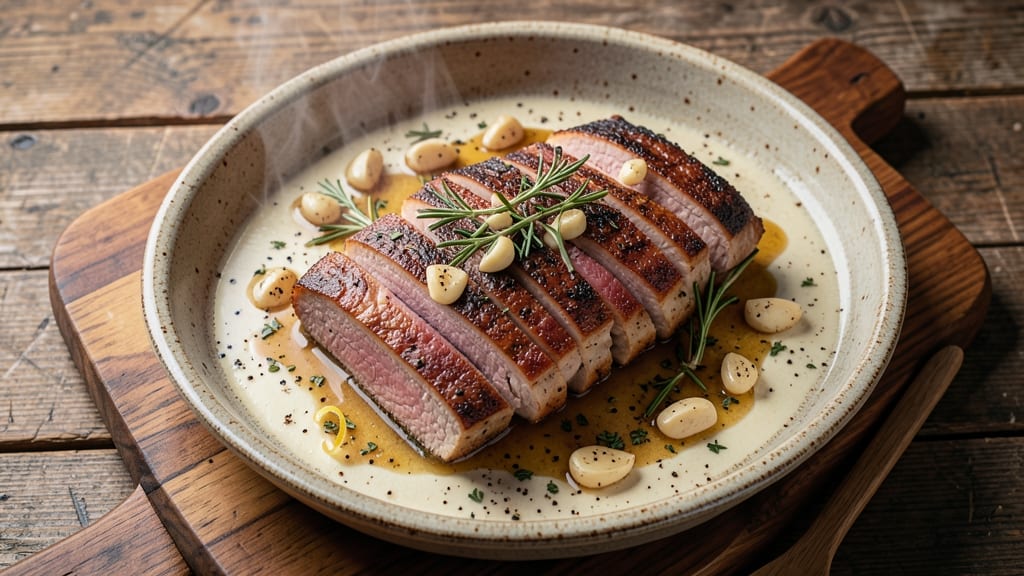
This bone-in pork loin roast recipe transforms your Instant Pot into a precision cooker for restaurant-quality results. The secret lies in achieving a crispy bark while keeping those juicy pink centers perfectly tender—no dry, overcooked meat here.
I’ve perfected this method after countless tests to ensure every bite delivers melt-in-your-mouth texture with a caramelized crust that’ll have your guests asking for seconds.
The Instant Pot makes this process foolproof, handling the pressure cooking while you focus on the critical prep steps—like searing the roast first for flavor development and using a trivet to elevate it during cooking.
This isn’t just another pressure cooker recipe; it’s a game-changer for weeknight dinners that still feel special. The roast finishes at 145°F internal temperature, then rests to lock in moisture before slicing.
What you’ll end up with is a pork loin roast that’s crispy on the outside and tender on the inside, with a rich, savory aroma that fills your kitchen. The bone adds depth to the flavor, while the Instant Pot ensures even cooking without the guesswork.
Serve it with applesauce, mashed potatoes, or roasted vegetables for a complete meal that’s restaurant-worthy but made at home.
This method is designed for confidence—no advanced techniques required, just precise timing and attention to detail. Whether you’re feeding a family or hosting dinner guests, this recipe delivers foolproof results every time. Let’s get started on creating your perfect pork loin roast.
Ingredients for bone in pork loin roast recipe instant pot
Restaurant-quality pork loin starts with these 12 ingredients—crispy bark guaranteed.
| Ingredient | Amount | Notes |
|---|---|---|
| Bone-In Pork Loin Roast 🐖 | 2 lb | Center-cut, 1.5-inch thick with bone |
| Unsalted Butter 🧈 | ½ cup | Cold, cut into 1-inch cubes |
| Kosher Salt 🧂 | 1 ½ tbsp | Diamond Crystal preferred |
| Freshly Ground Black Pepper 🌶️ | 1 tsp | Coarse grind for texture |
| Garlic Cloves 🧄 | 6 cloves | Smashed, not minced |
| Fresh Rosemary 🌿 | ¼ cup | Finely chopped, stems removed |
| Fresh Thyme 🌿 | ¼ cup | Leaves only, chopped |
| Apple Cider Vinegar 🍎 | 1 tbsp | For marinade acidity |
| Olive Oil 🫒 | 2 tbsp | Extra-virgin for searing |
| Instant Pot Natural Release Trivet 🔥 | 1 whole | For even cooking |
| Water 💧 | 1 cup | For pressure cooking |
| Cornstarch 🌾 | 2 tbsp | For crispy bark |
The pork loin is non-negotiable here—bone-in, center-cut is key for flavor and moisture. Costco or Whole Foods carry excellent options, but any quality butcher will have it. Look for a roast with good marbling and a thick bone—this ensures even cooking and that rich, savory depth. The bone also adds natural gelatin during cooking, keeping everything juicy. If you can't find bone-in, bone-out with extra butter works, but the texture won't be identical. For the herbs, fresh is ideal—Trader Joe's often has affordable bundles, or grow your own if you're ambitious. The cornstarch is your secret weapon for that crispy bark—don't skip it.
No fresh rosemary? Dried at one-third the amount is fine, but fresh has that piney aroma that's essential. The apple cider vinegar can be swapped for lemon juice if you're out, but the acidity is crucial for tenderizing. Butter cubes should be cold—pull them from the fridge 10 minutes before searing so they brown beautifully. The trivet is optional but recommended—Amazon or Williams Sonoma sell them for under $15, and they're a game-changer for even cooking. For the salt, Diamond Crystal is my go-to because it dissolves more easily, but kosher salt works too—just use the same amount. The olive oil matters here; avoid the cheap stuff—you want something with good heat tolerance and flavor.
This roast reheats beautifully—350°F for 15 minutes with a splash of water keeps it moist. Store leftovers in the fridge for 4 days or freeze for 3 months. For make-ahead prep, marinate the roast overnight—cover and refrigerate—then sear and cook as directed. The crispy bark is best eaten fresh, but the tender meat stays delicious for days. If you're serving a crowd, double the recipe—Instant Pots can handle up to 6 quarts, so scale the ingredients proportionally. The bone makes slicing easier, but if you're nervous, ask your butcher to trim it slightly before cooking.
Why You'll Love This Recipe
- Garlic Butter Magic: That rich, melted butter basting the pork while it cooks? It’s what turns this into something special. The garlic cloves smash open, releasing their punch, and the crust gets this golden, crackly perfection—like a restaurant-worthy bite without the effort.
- Weeknight to Dinner Party: Same recipe, different vibes. Toss it together for a quick family meal or dress it up with fresh rosemary for guests. The bone-in cut adds drama, and the leftovers? They’re just as good reheated the next day—no sad, dry slices here.
- Budget-Friendly Feast: Pork loin is cheaper than you’d think, and a single roast feeds four to six people. That butter might seem indulgent, but a little goes a long way, and the flavor makes it worth every penny. Plus, the leftovers stretch into sandwiches or salads—minimal cost, maximum satisfaction.
Step-by-step instructions for Instant Pot bone-in pork loin roast
Here's how to transform a simple pork roast into a showstopper with crispy bark and tender pink centers.
Create the Herb Butter Rub
In a small bowl, combine the 0.5 cup unsalted butter with 1.5 tbsp kosher salt, 1 tsp freshly ground black pepper, 0.25 cup finely chopped fresh rosemary, 0.25 cup chopped fresh thyme, and 6 smashed garlic cloves. Mix until the butter is fully incorporated and the herbs are evenly distributed throughout. This aromatic blend will infuse the meat with deep flavor while creating that coveted crispy exterior.
Spread this herb butter mixture evenly over the 2 lb bone-in pork loin roast, pressing it gently into the meat so it adheres well. The butter should coat every surface, including the bone area. Place the roast on a plate and let it sit at room temperature for 30 minutes before cooking. This step ensures even cooking and maximum flavor penetration.
Sear the Roast for Maximum Flavor
Set your Instant Pot to the "Sauté" function and allow it to preheat. Add 2 tbsp olive oil to the bottom of the pot and let it get hot. Place the bone-in pork loin roast in the pot, bone-side down, and sear for 3-4 minutes until a deep golden-brown crust forms on the bottom surface. This initial sear locks in juices and builds that essential crispy bark we're after.
Flip the roast and sear the other side for another 3-4 minutes until golden brown. The searing process should create a rich, caramelized crust that will later develop into that perfect crispy exterior. Once both sides are well-seared, remove the roast from the pot and set it aside on a plate.
Prepare the Pressure Cooking Environment
Return the Instant Pot to the "Sauté" function and add 1 tbsp apple cider vinegar to the bottom of the pot. Let it cook for 1 minute to deglaze and remove any browned bits that have settled. Then add 1 cup water to the pot. Place the Instant Pot Natural Release Trivet in the bottom of the pot, making sure it's stable and centered.
Return the seared pork roast to the trivet, bone-side up. This positioning allows for even heat circulation around the meat. The vinegar will add a subtle tang that complements the rich flavors of the pork while helping to tenderize the meat during the pressure cooking process. The water creates the necessary steam environment for even cooking.
Pressure Cook to Perfect Doneness
Secure the lid on your Instant Pot and set it to the "High Pressure" function for 40 minutes. This cooking time ensures the pork reaches an internal temperature of 145°F in the thickest part of the meat, which is the perfect balance between pink center and slightly crispy exterior. The pressure cooking method guarantees juicy, tender meat without the need for long oven cooking times.
Once the cooking time is complete, allow the Instant Pot to perform a natural release for 15 minutes. This gradual release allows the meat to rest and retain its juices. After the natural release, carefully remove the lid (using the handle to avoid steam burns) and let the pork rest for an additional 10 minutes before slicing. This resting period is crucial for redistributing the juices throughout the meat.
Create the Crispy Cornstarch Bark
While the pork rests, mix the 2 tbsp cornstarch with 1 tbsp cold water in a small bowl until you have a smooth paste. Using a pastry brush, carefully apply this cornstarch mixture to the surface of the pork roast, coating it evenly. The cornstarch will create that signature crispy bark that we're aiming for.
Return the pork to the Instant Pot and place it on the "Sauté" function again. Cook for 2-3 minutes on each side until the cornstarch forms a golden-brown, crispy crust. This final step transforms the roast from simply tender to spectacularly crispy. The contrast between the crispy exterior and juicy interior is what makes this dish truly remarkable.
Pro Tips For Making Bone In Pork Loin Roast Recipe Instant Pot
- SEAR FIRST, THEN SALT: I learned this the hard way—don’t salt the pork before searing in the Instant Pot. The moisture makes it steam instead of brown. Pat it dry, hit it with high heat in a skillet for 2-3 minutes per side until golden, then season after it’s in the pot. That crust is what makes the difference.
- USE GARLIC SMASHES: Skip mincing garlic—crush 3-4 cloves with the flat side of your knife right on the pork’s surface. The oils render better this way, and you avoid that bitter almond taste from overcooking. Tuck them into the fat cap if you’re feeling fancy.
- DON’T SKIP THE HIGH PRESSURE: I used to low-pressure this, thinking it was gentler. Wrong. Bone-in pork needs that 10-12 minutes at high pressure to tenderize the connective tissue. If your pot’s max is 8, add 2-3 extra minutes. The meat will pull apart like butter.
- BUTTER BATH AFTER PRESSURE: After releasing the pressure, pour 2 tablespoons of melted unsalted butter over the pork while it’s still in the pot. The residual heat will baste it perfectly, and you’ll get that silky, restaurant-worthy finish. No extra effort, just better flavor.
Troubleshooting this recipe
Uneven Cooking
If your pork loin cooks unevenly—some parts overdone while others stay pink—it’s usually because the roast wasn’t positioned properly on the trivet. The bone side should face up during pressure cooking to allow even heat circulation.
Also, make sure the roast isn’t touching the sides of the pot, which can create hot spots. A trivet is your best friend here—it elevates the meat and ensures all sides cook uniformly.
If you don’t have one, place the roast on a bed of chopped onions or carrots to lift it off the bottom.
Dry or Tough Meat
Dryness often happens when the roast isn’t rested long enough after cooking. Always let it rest for 10-15 minutes before slicing—this allows juices to redistribute. Another common mistake is overcooking. Use a meat thermometer to check the internal temperature at 145°F in the thickest part (not the bone).
If your Instant Pot struggles to reach this temp in 40 minutes, reduce the time by 5 minutes and check again. Avoid quick releases too—they can dry out the meat.
Cornstarch Bark Fails
The crispy bark might not form if the cornstarch mixture isn’t applied evenly or if the roast isn’t seared properly first. Brush the cornstarch paste thinly and evenly—thick patches burn before crisping. For extra crispiness, sear the roast longer (4-5 minutes per side) before pressure cooking.
If the bark still doesn’t crisp, try using arrowroot powder instead—it browns faster than cornstarch. Also, ensure your Instant Pot is on “Sauté” mode (not “Keep Warm”) when crisping the bark—this gives you better control over the heat.
Pressure Valve Issues
If your Instant Pot beeps with a floating valve error during cooking, it’s usually because the lid isn’t sealed properly. Double-check that the steam release valve is set to “Sealing” before starting.
If it still floats, there might be too much liquid in the pot—reduce the water to ½ cup and try again. For stubborn valves, gently press down on the lid while tightening the handle.
If the issue persists, your Instant Pot might need a deep clean—food residue can sometimes interfere with the seal.
Searing Problems
If your roast isn’t browning during the sear, your Instant Pot might not be hot enough. Preheat the pot on “Sauté” mode for 1-2 minutes before adding oil. Use a heavy-bottomed pot (like a Lodge cast iron) if your Instant Pot struggles with high heat.
Also, avoid overcrowding—sear the roast in batches if needed. For extra flavor, add 1 tbsp apple cider vinegar to the pot after searing to deglaze and create a sticky fond that adds depth to the dish.
Resting Mistakes
Skipping the rest or cutting into the roast too soon leads to juices pooling on your plate instead of staying in the meat. Always rest the roast for 10-15 minutes on a cutting board or plate—this also makes slicing easier.
For extra insurance, loosely tent the roast with aluminum foil while resting to keep it warm. If you’re short on time, rest it for at least 5 minutes—it’ll still be better than no rest at all.
Pro tip: Use this time to prep sides or make gravy from the Instant Pot drippings.
Nutrition facts
Frequently asked questions
Why does the recipe call for a bone-in pork loin?
The bone adds incredible depth of flavor and helps keep the meat moist during cooking. The bone also acts as a natural heat conductor, ensuring even cooking throughout the roast. Without it, you risk a drier texture—plus, the bone makes slicing easier and adds that restaurant-quality touch.
Can I use this recipe with a boneless pork loin?
Yes, but you’ll need to adjust the cooking time by 5-10 minutes less (boneless cooks faster). For best results, add 1 extra tablespoon of butter to compensate for lost moisture. The crispy bark technique still works, though the texture won’t be identical to bone-in.
What’s the best way to check doneness without a meat thermometer?
Press the thickest part of the roast with your finger—it should feel very firm but still slightly springy (like pressing a ripe avocado). For visual cues, the juices should run clear when pierced with a knife. If unsure, aim for 40 minutes of pressure cooking and let it rest.
How do I crisp the bark if my Instant Pot doesn’t have a trivet?
Place the roast on a bed of chopped onions or carrots to elevate it off the bottom. For extra crispiness, use arrowroot powder instead of cornstarch—it browns faster. Sear longer (5 minutes per side) before pressure cooking to build flavor foundation.
Can I make this ahead of time?
Cook the roast as directed, then refrigerate for up to 4 days or freeze for 3 months. Reheat in a 350°F oven for 15 minutes with a splash of water. The bark will be softer after reheating, but the meat stays juicy. For best results, crisp the bark fresh.