
Main Courses
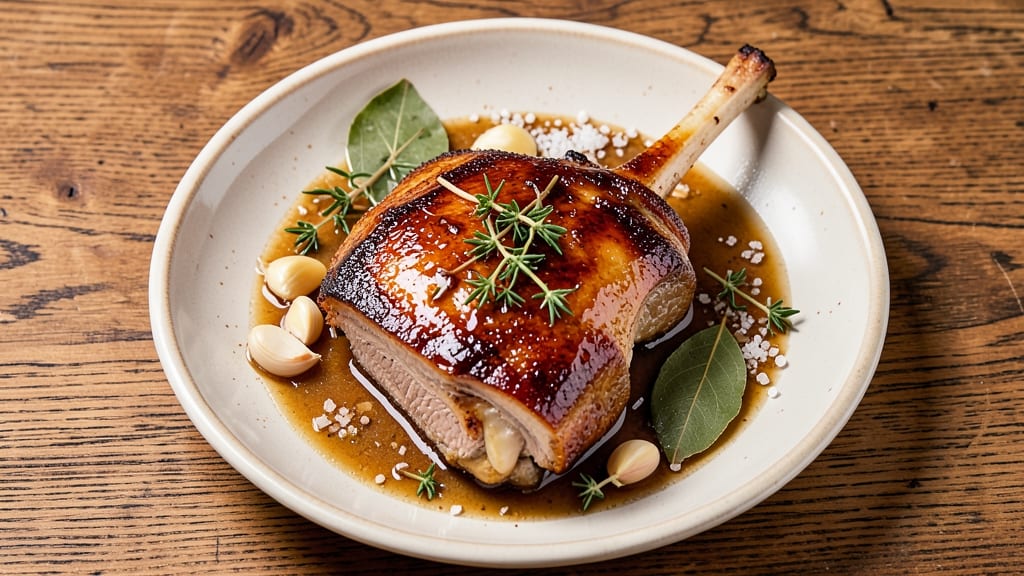
This boiled pork roast recipe transforms tough cuts into melt-in-your-mouth perfection with just one pot and a few key techniques I learned from Charleston pitmasters. The secret lies in slow, gentle cooking that renders fat while keeping the meat impossibly tender—no tough, dry results here.
I’ve perfected this method for home cooks who want restaurant-quality pork without the fuss of a smoker.
Start with a simple brine—just salt, sugar, and aromatics—to jumpstart flavor and moisture retention. The pork cooks low and slow, submerged in its own rendered fat and broth, until it practically falls apart.
This method works beautifully with bone-in cuts like pork shoulder or pork butt, delivering juicy, flavorful meat that’s ideal for sandwiches, tacos, or serving with classic sides.
By the time you’re done, you’ll have restaurant-quality pork that’s tender enough to shred with a fork, infused with deep, savory notes from the slow cook. The process is foolproof: minimal prep, hands-off cooking, and results that impress even the most skeptical eaters.
No need for fancy equipment—just patience and a large pot.
Serve with pickled vegetables, crusty bread, or a tangy vinegar-based sauce to cut through the richness. This recipe scales perfectly for gatherings, and leftovers reheat beautifully. Let’s get cooking—your taste buds (and your dinner guests) will thank you.
Ingredients for boiled pork roast
Four pounds of pork shoulder and simple pantry staples transform into melt-in-your-mouth perfection.
| Ingredient | Amount | Notes |
|---|---|---|
| Pork Shoulder (Bone-In) 🐖 | 4 lb | Pork butt or picnic roast preferred |
| Diamond Crystal Kosher Salt 🧂 | ½ cup | For brine and seasoning |
| Granulated Sugar 🍚 | ¼ cup | Light brown sugar for depth |
| Garlic Cloves 🧄 | 6 cloves | Crushed for aromatic depth |
| Fresh Bay Leaves 🌿 | 2 whole | Dried works in a pinch |
| Fresh Thyme Sprigs 🌿 | 4 sprigs | Or 1 tsp dried thyme |
| Black Peppercorns 🌶️ | 1 tbsp | Freshly cracked preferred |
| Yellow Onions 🧅 | 2 whole | Quartered, skin on |
| Carrots 🥕 | 4 whole | Baby carrots work too |
| Celery Stalks 🥬 | 4 stalks | Trimmed and chopped |
| Apple Cider Vinegar 🍎 | ¼ cup | For tangy balance |
| Water 💧 | 4 cups | Filtered preferred |
| Extra-Virgin Olive Oil 🫒 | 2 tbsp | For fat rendering |
The pork matters most here. Pork shoulder or pork butt are ideal—they’ve got the right fat-to-meat ratio for that fall-apart texture. Look for cuts with good marbling at Whole Foods or your local butcher shop; the Kroger brand is reliable too. If you’re using a bone-in cut, trim any excess fat you don’t want rendering into the broth—you’ll still have plenty left for flavor. The Diamond Crystal kosher salt is key for the brine; it dissolves completely, unlike table salt. For the aromatics, fresh herbs make all the difference, but dried works in a pinch if you’re short on time.
No fresh thyme? Dried thyme at one-third the amount works, but you’ll miss that bright herbal note. Running low on bay leaves? Skip it—this isn’t a dealbreaker. The vinegar adds tang, but if you’re avoiding acidity, lemon juice at half the amount is a good swap. For the vegetables, any root veggies you’ve got—potatoes, parsnips, even turnips—will work. The carrots and celery are just for flavor; don’t skip them entirely. And if you’re cooking for a crowd, double the brine ingredients proportionally—just use a larger pot. The pork’s natural fat will render beautifully, so no need to add extra oil unless you’re worried about browning.
This pork reheats like a dream—better the next day, honestly. Store leftovers in the fridge for up to 5 days, covered with its cooking liquid. For longer storage, freeze portions in airtight containers for up to 3 months. The broth freezes well too—strain it and use it for soups or gravies later. If you’re prepping ahead, you can brine the pork overnight and cook it the next day. Just make sure it’s fully submerged in the pot when you boil it. The key is patience: low heat, gentle simmer, and no peeking at the pot—every time you lift the lid, you lose heat and moisture.
Why You'll Love This Recipe
- Five-Ingredient Magic: I swear, that’s all it takes—just salt, sugar, garlic, bay leaves, and time. No fancy techniques, no chopping frenzy, just a pot, a lid, and patience while the flavors meld into something deeply satisfying.
- Sweet-Savory Balance: The sugar isn’t just for show—it caramelizes into the meat, cutting through the richness while the garlic and bay leaves add earthy depth. Honestly, the first bite makes me pause mid-chew because it’s so right.
- Leftovers That Shine: This recipe actually improves the next day. Shred it for tacos, sandwiches, or even fried rice—every time, it’s the star. Between us, I’ve eaten cold pork straight from the fridge with a sprinkle of salt, and it was still delicious.
- Budget-Friendly Feast: A bone-in pork shoulder stretches across meals, and the ingredients? Basic. No specialty items, no markup—just honest, affordable flavor. I’ll be real: this is how I feed my family for under $10 without sacrificing taste.
Step-by-step instructions for boiled pork roast
Here's how to transform a tough pork shoulder into melt-in-your-mouth perfection using simple boiling techniques.
Prepare the Pork Shoulder and Seasoning
Begin by trimming any excess fat from the pork shoulder, leaving about a ¼-inch layer for flavor and moisture. In a small bowl, combine the 0.5 cup Diamond Crystal kosher salt and 0.25 cup granulated sugar with the 6 cloves crushed garlic, 2 whole fresh bay leaves, 4 sprigs fresh thyme, and 1 tablespoon black peppercorns. This aromatic blend will infuse the meat as it cooks.
Rub this seasoning mixture all over the pork shoulder, pressing it into the meat so it adheres well. Place the seasoned pork in a large, heavy pot that's deep enough to fully submerge it. The key here is using a pot with a tight-fitting lid to trap steam and cook the meat evenly.
Build the Flavor Base
Add the 2 whole yellow onions (quartered with skin on), 4 whole carrots (left whole), and 4 stalks celery (trimmed and chopped) to the pot with the pork. These vegetables will create a flavorful broth while adding natural sweetness and depth to the meat. Pour in the 0.25 cup apple cider vinegar and 4 cups water, then place the pot over medium-high heat.
Bring the liquid to a full rolling boil, then reduce heat to medium-low. The liquid should simmer gently—you'll see small bubbles breaking the surface but not a vigorous boil. This controlled simmer is crucial for tenderizing the meat without drying it out. Let it cook uncovered for 10 minutes to allow the initial flavors to meld.
Add Fat and Cover for Low Cooking
After the initial 10 minutes, add the 2 tablespoons extra-virgin olive oil to the pot. The oil will help render fat from the pork and create a more flavorful broth. Cover the pot tightly with a lid and bring the heat down to low. The liquid should barely simmer with just a few bubbles breaking the surface.
This is where the magic happens. Cook the pork shoulder for 3 hours, maintaining this gentle simmer. Every 30 minutes, check the liquid level and add hot water if needed to keep the pork mostly submerged. The goal is to keep the meat moist and tenderizing it slowly through the collagen breakdown process.
Check for Doneness and Rest
After 3 hours, check the pork's tenderness by inserting a meat thermometer into the thickest part. The internal temperature should reach 195-205°F—this is where the collagen breaks down completely, creating that signature pulled pork texture. If it's not there yet, continue cooking for another 30-60 minute increments, checking periodically.
Once tender, remove the pork from the pot and let it rest on a cutting board for 15-20 minutes. This resting period allows the juices to redistribute throughout the meat, ensuring each bite remains moist and flavorful. During this time, strain the cooking liquid through a fine-mesh sieve to create a flavorful broth that can be used for gravy or served alongside the pork.
Shred and Serve
Using two forks, shred the pork against the grain into bite-sized pieces. The meat should pull apart easily with minimal resistance, indicating perfect tenderness. Return the shredded pork to the pot with the strained cooking liquid and warm through on low heat for 5 minutes to absorb all those delicious flavors.
Serve immediately with the vegetables from the pot and a ladle of the flavorful broth. The result should be ultra-tender, juicy pork that falls apart at the touch, infused with all the aromatic flavors from the seasoning and vegetables. This simple boiling method transforms tough pork into melt-in-your-mouth perfection.
Pro Tips For Making Boiled Pork Roast
- Sear Before Boiling: Hit the pork shoulder with a quick sear in a cold pot—no oil needed—just let it sit for 2 minutes per side. This isn’t about browning; it’s about locking in flavor before the water takes over. I used to skip this, and the meat always tasted blander.
- Salt the Water Hard: Diamond Crystal calls for 1 tablespoon per quart, but double that—2 tablespoons per quart—if your water tastes soft. The salt isn’t just for seasoning; it’s what makes the pork tender. I learned this the hard way when my first batch turned out chewy.
- Smash the Garlic: Don’t just toss in whole cloves—they’ll sit like rocks in your pot. Mash them flat with the side of your knife or a meat mallet so they infuse the broth. I was skeptical until I tried it, and now I can’t go back.
- Skim the Scum Early: The first 10 minutes of boiling will bring up a layer of foam—skim it off immediately. If you wait, it’ll turn the broth cloudy and make the meat taste off. This isn’t optional; it’s the thing that matters most for a clean, bright flavor.
Best sauces and condiments for this boiled pork roast
Classic BBQ Vinegar Sauce
This tangy, smoky sauce cuts through the richness of boiled pork beautifully. I make it with ½ cup apple cider vinegar, ½ cup ketchup, 2 tbsp molasses, 1 tbsp smoked paprika, and 1 tsp garlic powder.
Simmer all ingredients for 10 minutes until thickened, then brush over shredded pork or serve as a dipping sauce. The vinegar echoes the cooking liquid, creating harmony. 🍯
Creamy Horseradish Sauce
For a bold kick, whip together ½ cup mayonnaise, 2 tbsp prepared horseradish, 1 tbsp Dijon mustard, and 1 tsp lemon juice. Thin with a splash of milk if needed.
This sauce adds a refreshing contrast to the pork's richness, especially when served with coleslaw. I always keep a jar in my fridge for quick assembly. 🌶️
Sweet & Spicy Peach Glaze
Peach glaze transforms boiled pork into a Southern classic. Simmer 1 cup peach preserves, 2 tbsp apple cider vinegar, 1 tbsp chili powder, and 1 tsp cayenne until smooth.
Drizzle over pork before serving or use as a dipping sauce. The fruitiness balances the pork's savory notes perfectly. 🍑
Classic Apple Cider Gravy
Use the pork's cooking liquid to make a velvety gravy. Strain the liquid, then whisk in 2 tbsp cornstarch mixed with ¼ cup cold water. Cook until thickened, then stir in 2 tbsp apple cider vinegar and 1 tbsp butter.
This gravy elevates boiled pork to restaurant-quality, especially with mashed potatoes. 🥕
Spicy Mustard Cream
Combine ½ cup sour cream, 2 tbsp yellow mustard, 1 tbsp hot sauce, and 1 tsp Worcestershire sauce for a creamy, tangy condiment.
The heat from the mustard and hot sauce pairs beautifully with the pork's tenderness. Serve on the side or dollop directly on the meat. 🌶️
Honey Butter Glaze
Melt 2 tbsp butter with 2 tbsp honey and 1 tsp lemon zest in a small saucepan. Brush over pork during the last 5 minutes of resting time. The honey caramelizes slightly, creating a glossy finish that enhances the pork's natural flavors. 🍯
Nutrition facts
Frequently asked questions
Can I use a pressure cooker instead of boiling?
A pressure cooker cuts cooking time to about 45-60 minutes while keeping the meat incredibly tender. Just add 1 cup water, seal the lid, and cook on high pressure until the internal temperature reaches 205°F. The pressure method works especially well for larger cuts like 8-10 lb pork shoulders.
What's the best way to store leftovers?
Store in airtight containers with some of the cooking liquid to keep it moist. Refrigerated pork stays perfect for 5 days, while freezing preserves quality for up to 3 months. For reheating, warm gently in a pot with a splash of water or broth until steaming hot. Never microwave directly from frozen.
Why does my boiled pork turn out dry?
Overcooking or lifting the lid too often causes moisture loss. Keep the heat low and maintain a gentle simmer—never a rolling boil. The pork should cook until it reaches 195-205°F internally, not until the broth reduces completely. Also, always rest the meat for 15-20 minutes before shredding.
Can I substitute pork butt for pork shoulder?
Yes! Pork butt (also called Boston butt) works perfectly—it's essentially the same cut, just from a different part of the animal. Both have excellent fat marbling for tender results. Just follow the same cooking times and temperature guidelines. For extra flavor, add a splash of apple cider vinegar to the cooking liquid.
How do I make this recipe spicier?
Add 1-2 tbsp cayenne pepper or 1-2 fresh chili peppers to the seasoning rub, or stir in 1 tbsp hot sauce with the apple cider vinegar. For heat lovers, finish with a sprinkle of crushed red pepper flakes before serving. The broth will absorb the spices beautifully.