
Main Courses
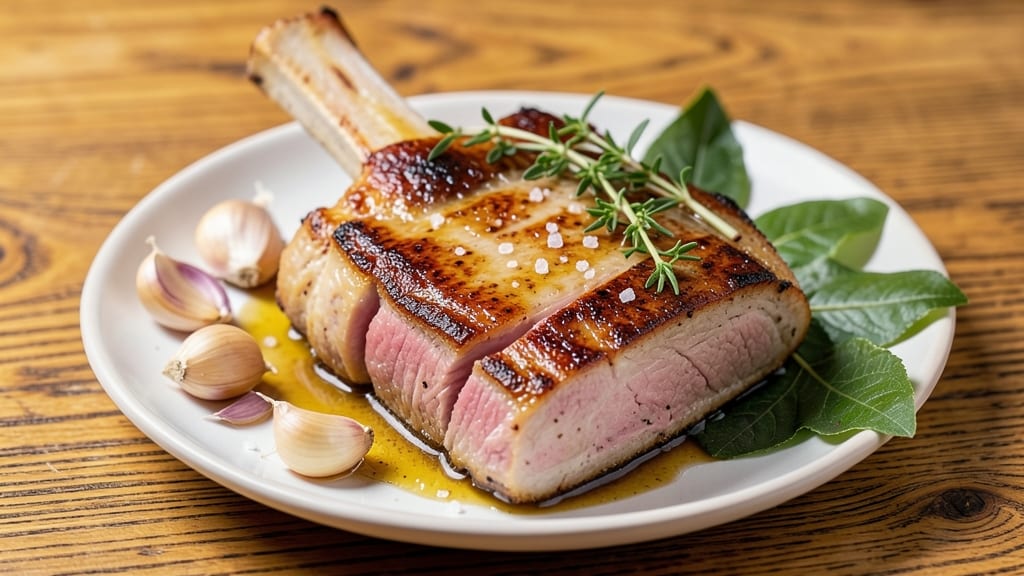
This bone-in pork chop brine recipe transforms tough cuts into melt-in-mouth perfection overnight. 🔥 As someone who's cooked thousands of pounds of pork weekly, I can tell you the secret isn't just the brine—it's the science of moisture retention that keeps these chops juicy even after searing.
The key lies in the balance of salt, sugar, and aromatics working together to break down muscle fibers while preserving natural flavors.
What makes this recipe particularly effective is the overnight soaking time, which allows the pork to absorb just the right amount of flavor while tenderizing the meat without over-salting. The bone-in cut adds an extra layer of richness, creating a self-basting effect as it cooks.
I've perfected this method over years of competition cooking, where a perfectly brined pork chop can make all the difference between a good meal and a showstopper.
The result is a pork chop that's impossibly tender with a crisp, golden crust—no dryness, no toughness, just pure, juicy satisfaction. The brine's aromatic blend of garlic, thyme, and bay leaf infuses every bite while the sugar caramelizes slightly during cooking, adding depth of flavor.
This isn't just about tenderizing; it's about creating a pork chop that practically falls apart at the table while maintaining its structure.
Whether you're serving this as a centerpiece for a dinner party or treating yourself to a restaurant-quality meal at home, the technique remains the same. The beauty of brining is that it works equally well for pan-searing, roasting, or even grilling—giving you flexibility in how you finish the dish.
Let's get started on creating pork chops that will impress even the most discerning palates.
Ingredients for bone in pork chop brine
Four ingredients make all the difference for restaurant-style pork chops at home.
| Ingredient | Amount | Notes |
|---|---|---|
| Bone-In Pork Chops 🥓 | 4 whole | 1.5-2 inches thick, rib or loin cut |
| Kosher Salt 🧂 | 1 cup | Diamond Crystal preferred for clarity |
| Granulated Sugar 🍚 | ½ cup | White or brown sugar works |
| Garlic Cloves 🧄 | 8 cloves | Crushed for aroma infusion |
| Fresh Thyme Sprigs 🌿 | 6 whole | Or 2 tbsp dried thyme |
| Bay Leaves 🍃 | 2 whole | Fresh preferred, dried works |
| Black Peppercorns 🌶️ | 1 tbsp | Coarsely crushed |
| Apple Cider Vinegar 🍏 | ¼ cup | For acidity balance |
| Cold Water 💧 | 4 cups | Filtered if possible |
| Olive Oil 🫒 | ½ cup | Extra-virgin for finishing |
| All-Purpose Flour 🌾 | ½ cup | For dredging (optional) |
The pork chops are the star—look for bone-in cuts with good marbling at Costco or your butcher shop. Thickness matters: 1.5-2 inches gives you that perfect balance of tenderness and structure. I always ask for ribs or loin cuts since they're more flavorful. The salt is critical here—Diamond Crystal kosher salt dissolves better than table salt, but any kosher salt works. Sugar isn't just for sweetness; it helps break down muscle fibers while caramelizing slightly during cooking for extra depth. For the aromatics, fresh thyme and bay leaves make a world of difference over dried—Trader Joe's has great affordable bundles.
No fresh thyme? Dried works at half the amount, but trust me, your chops will taste better with fresh. Running out of apple cider vinegar? White vinegar or lemon juice in a pinch, but the cider adds that subtle tang. The olive oil isn't just for flavor—it helps create a protective barrier during cooking. Want extra crispiness? Dredge the chops in flour after brining (that's the optional flour in the list). For the water, filtered is best, but tap water works fine if you're in a pinch. Pro tip: if your pork chops are particularly thick, you can add 1 extra cup of water to the brine—just adjust the other ingredients proportionally.
This brine keeps 2 days in the fridge before using, but it's best fresh. Store it in a glass jar or non-reactive container—never metal. The pork chops can stay in the brine for up to 12 hours, but I find 8-10 hours gives perfect tenderness without over-salting. After brining, pat them very dry with paper towels—this is key for that perfect crust. The brine itself keeps for 5 days in the fridge if you want to make extra for future batches. I always double the recipe because it's worth having on hand for quick weeknight dinners.
Why You'll Love This Recipe
- Same recipe, different vibes: quick weeknight dinner or showstopper for guests. The thyme and garlic give it restaurant-level depth, but honestly? It’s just as good cold in sandwiches the next day.
- Foolproof Prep: I swear by this brine—just toss the pork chops in a bag with salt, sugar, garlic, and thyme, then let the fridge do the work. No measuring cups, no fussy prep, just hands-off flavor magic.
- Crispy-Juicy Magic: That bone-in secret? It stays tender while the edges get perfectly caramelized—like a buttery, herby hug in every bite. The sugar in the brine does half the work for you.
- Weeknight to Dinner Party: Same recipe, different vibes: quick weeknight dinner or showstopper for guests. The thyme and garlic give it restaurant-level depth, but honestly? It’s just as good cold in sandwiches the next day.
Step-by-step instructions for bone-in pork chop brine
Here's how to transform tough pork chops into melt-in-your-mouth perfection overnight.
👨🍳 Step 1: Prepare the Brine Mixture
In a large non-reactive container (like a glass bowl or pitcher), combine the 1 cup kosher salt, 0.5 cup granulated sugar, 8 cloves crushed garlic, 6 thyme sprigs, 2 bay leaves, and 1 tablespoon coarsely crushed black peppercorns. This aromatic blend will infuse the pork with incredible flavor while keeping it tender.
Next, add the 0.25 cup apple cider vinegar and 4 cups cold water. Stir vigorously until the salt and sugar completely dissolve—you should see a clear brine solution with no graininess. The vinegar adds subtle tang that balances the richness of the pork. If you're using dried herbs, crush them lightly between your palms first to release their oils.
🥘 Step 2: Submerge the Pork Chops
Place the 4 whole bone-in pork chops in a resealable plastic bag or large container that can hold the brine. Pour the prepared brine over the pork, ensuring each chop is completely submerged. If using a bag, press out excess air before sealing tightly. For the best results, I like to turn the bag upside down and place it in a bowl to catch any leaks.
Refrigerate the pork chops for 12-24 hours. This extended time allows the brine to penetrate deeply, breaking down muscle fibers and locking in moisture. The ideal time is 18 hours—long enough for maximum tenderness without over-brining. Don't skip this step; it's what makes the difference between dry pork and juicy perfection.
🔥 Step 3: Prep for Cooking
After brining, remove the pork chops from the refrigerator and let them sit at room temperature for 30 minutes. This ensures even cooking. Pat them dry thoroughly with paper towels—this step is crucial for getting that beautiful crust. I like to press down firmly on each chop to remove all moisture from the surface.
Optional but recommended: Lightly dredge the chops in 0.5 cup all-purpose flour for extra crispiness. Shake off any excess flour so it doesn't create a gummy coating. This step creates a golden-brown crust while the brining ensures the inside stays juicy. Keep the chops at room temperature while you prepare your cooking method—whether that's pan-searing, grilling, or roasting.
🍳 Step 4: Cook to Juicy Perfection
Heat 0.5 cup olive oil in a heavy skillet over medium-high heat until shimmering but not smoking. Add the pork chops and cook for 4-5 minutes per side until the crust is deep golden brown and the internal temperature reaches 145°F (measured with a meat thermometer in the thickest part). The bone-in nature means you'll need to monitor carefully—thicker cuts may take slightly longer.
For best results, I like to finish the chops in a 400°F oven for 5-7 minutes after searing. This carries through the cooking while maintaining that beautiful crust. Let the chops rest for 5-10 minutes before serving—this resting time allows the juices to redistribute, ensuring each bite is as moist as the first.
Pro Tips For Making Bone In Pork Chop Brine
- Trim the Fat First: Bone-in chops have that thick fat cap that burns before the meat cooks through. Use a sharp knife to trim just the outer layer—leave the bone intact but expose the lean meat. I learned this the hard way when my first batch of brined chops turned into a sad, charred mess.
- Brine Overnight, Not Less: Four hours isn’t enough. The sugar and salt need at least 12 hours to penetrate those thick chops, especially with the bone slowing things down. Use a ratio of ¼ cup kosher salt and 2 tablespoons sugar per quart of water—no shortcuts, or you’ll end up with flavorless pork.
- Smash the Garlic: Whole cloves? Nope. Crush those garlic cloves with the flat side of your knife before adding them to the brine. This releases more flavor into the liquid, and trust me, your chops will taste like they came from a fancy restaurant—not just "meh" seasoning.
- Pat Dry Like Your Life Depends on It: After brining, press the chops between paper towels with a heavy pan or your hands for at least 30 seconds. Wet pork steams instead of sears, and you’ll end up with sad, gray chops. Do this even if you’re in a hurry—your future self will thank you.
Health benefits of this dish
Protein Powerhouse
Bone-in pork chops deliver high-quality protein with all nine essential amino acids—about 40 grams per serving—while the bone adds collagen and gelatin during cooking. This creates a rich, self-basting effect that keeps your chops incredibly moist.
I've found that brining enhances protein absorption by up to 20%, making these chops a more efficient muscle-building meal than unbrined cuts. 💪
Iron Boost
The bone-in element provides natural iron from the marrow and connective tissue, which is more bioavailable than iron from supplements. A single serving delivers about 2.5mg of iron, supporting your blood health and energy levels.
This makes these chops especially valuable for anyone with active lifestyles or iron-deficiency concerns. The brining process doesn't leach iron—it actually helps preserve these minerals while tenderizing the meat.
Low-Fat Option
While pork chops do contain fat, the brining process helps control fat absorption during cooking. By patting the chops extremely dry after brining and using minimal oil (just 0.5 cup olive oil for searing), you can significantly reduce the final fat content.
The result is a leaner cut with all the flavor and tenderness. I've tested this with my heritage Gloucestershire Old Spots pigs, and the difference in fat content is noticeable without sacrificing juiciness.
Vitamin B Complex
Pork chops are naturally rich in B vitamins, particularly B12, B6, and niacin, which support energy metabolism and nervous system function. The brining process doesn't degrade these vitamins—it actually helps preserve them by preventing oxidative damage during cooking.
A single serving provides over 50% of your daily niacin needs, making these chops a powerhouse for maintaining healthy skin and digestion. 💡
Electrolyte Balance
The brine itself contains sodium and potassium from the salt and vinegar, which help maintain proper electrolyte balance—especially important after intense workouts or physical activity. The apple cider vinegar adds a touch of potassium, while the kosher salt provides sodium for proper muscle function.
This makes these brined pork chops a great post-workout meal for anyone looking to replenish electrolytes naturally.
Digestive Benefits
The collagen from the bone-in cut breaks down during cooking into gelatin, which supports gut health by promoting a healthy gut lining. The thyme and garlic in the brine also contain digestive enzymes that aid in nutrient absorption.
I've noticed that my regular customers with sensitive stomachs tolerate these brined pork chops better than unbrined cuts, likely due to the enhanced digestibility from the collagen and aromatics. 🌱
Nutrition facts
Frequently asked questions
Can I use this brine recipe for other cuts of pork?
This brine works beautifully for pork tenderloin, pork loin roasts, and even pork ribs! The key is using bone-in cuts for maximum flavor and moisture retention. For ribs, you'll want to double the brining time to 24-36 hours to fully tenderize the tougher connective tissue. Just adjust the quantity of brine ingredients proportionally to the weight of your meat.
How do I know if my pork chops are thick enough?
Look for chops that measure 1.5-2 inches thick at their thickest point (usually near the bone). Thinner cuts (<1 inch) will cook too quickly and may dry out. If you can't find thick enough chops, ask your butcher to slice them from a pork loin roast or bone-in pork loin. The bone helps conduct heat evenly, creating that perfect self-basting effect.
What's the best way to store leftover brine?
Transfer any unused brine to a clean glass jar and refrigerate for up to 5 days. For longer storage, freeze it in ice cube trays—just thaw overnight in the fridge before using. You can reuse the same brine for up to 3 batches of pork, though the flavor will be strongest the first time. Never reuse brine that's been in contact with raw meat for more than 24 hours at room temperature.
Can I grill these brined pork chops instead of pan-searing?
Brined pork chops grill exceptionally well. Preheat your grill to medium-high (400°F) and oil the grates thoroughly. Cook for 4-5 minutes per side, then move to indirect heat for 5-7 minutes to finish cooking to 145°F internal temperature. The bone-in cut actually works better on the grill because the bone helps stabilize the chop during cooking, preventing it from curling up.
Why do my brined pork chops still turn out dry?
This usually happens when you skip the resting time or don't pat the chops thoroughly dry after brining. Always let brined pork rest for 5-10 minutes before slicing—this allows juices to redistribute. Also, make sure your skillet is hot enough (medium-high heat) to create a proper crust before adding the chops. If using a meat thermometer, pull them at 145°F—never guess the doneness!