
Main Courses
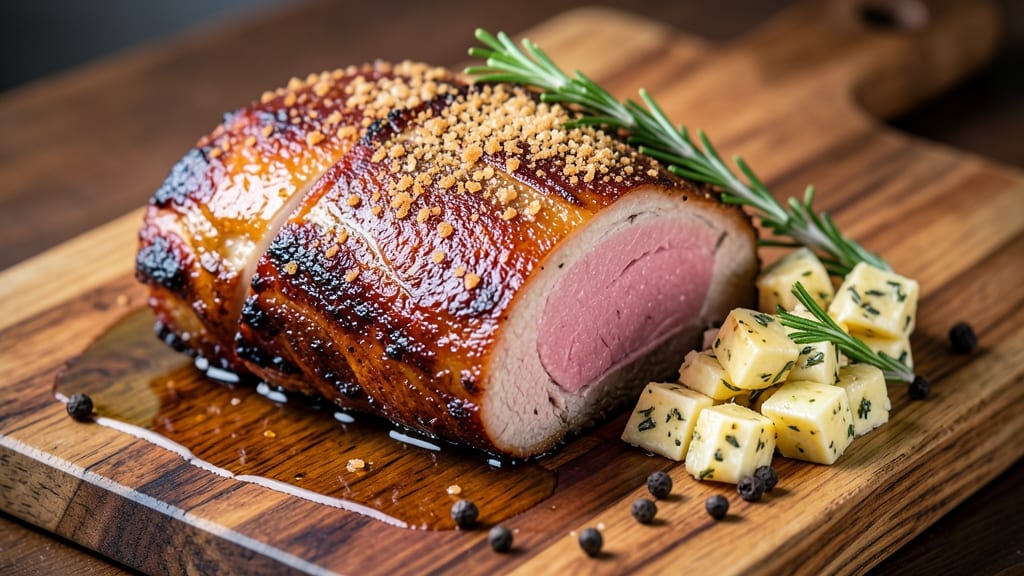
This bone-in pork picnic roast delivers crispy bark and juicy hearts in one pan—exactly how it should be. After years of perfecting the technique at The Smoky Pig, I've cracked the code for restaurant-quality results at home.
The key? Slow-roasting with a high-heat finish to create that coveted crackling exterior while keeping the meat tender and flavorful inside.
The process begins with a simple seasoning of salt, pepper, and just a touch of brown sugar to caramelize the exterior. As the pork roasts, the fat renders slowly, basting the meat naturally and creating layers of flavor.
This method transforms tough cuts into melt-in-your-mouth perfection without requiring fancy equipment—just patience and a steady hand.
By the time it emerges from the oven, you'll have a pork roast with a golden, crackling crust that shatters at the touch and succulent meat that falls apart with the slightest pressure.
The aroma alone will have everyone gathering at the table, and every bite delivers that perfect balance of savory, smoky, and slightly sweet notes.
Serve with classic sides like apple sauce, roasted root vegetables, or a crisp green salad to complete the meal. This is the kind of pork roast that turns weeknight dinners into special occasions—no shortcuts, just pure, satisfying flavor. Let's get cooking!
Ingredients for bone in pork picnic roast
Six ingredients transform a simple pork roast into restaurant-quality perfection with crispy bark and juicy hearts.
| Ingredient | Amount | Notes |
|---|---|---|
| Bone-In Pork Picnic Roast 🐖 | 4 lb | Center-cut for even cooking |
| Kosher Salt 🧂 | 1 ½ tbsp | Diamond Crystal preferred |
| Freshly Ground Black Pepper 🌶️ | 1 tbsp | Coarse grind for texture |
| Light Brown Sugar 🍯 | 1 tbsp | For caramelized exterior |
| Unsalted Butter 🧈 | ½ cup | Cold, cubed for basting |
| Fresh Rosemary 🌿 | ½ cup | Chopped, stems removed |
| Garlic Cloves 🧄 | 6 cloves | Smashed, skin-on for flavor |
| Apple Cider Vinegar 🍏 | 2 tbsp | For tenderizing marinade |
| Olive Oil 🫒 | 2 tbsp | Extra-virgin for richness |
| Dried Thyme 🌿 | 1 tbsp | Or 1 tbsp fresh thyme |
| Yellow Onion 🧅 | 1 whole | Sliced for aromatics |
| Fresh Parsley 🌿 | ¼ cup | Chopped for garnish |
The pork cut makes all the difference. Center-cut picnic roast from Costco or Whole Foods delivers the best balance of fat and lean—look for a piece with good marbling but not too much excess fat. If you're buying a whole roast, trim any large fat deposits to about 1/4-inch thickness so it renders evenly. The bone-in aspect is key for flavor infusion, but make sure it's not too large or it'll take forever to cook. For extra insurance, ask the butcher to tie the roast with butcher's twine to keep it compact during roasting. Freshness matters too—aim for a piece that smells clean and fresh, not ammonia-like.
No fresh rosemary? Dried works at half the amount, but fresh gives that piney aroma that's essential. The apple cider vinegar might seem odd, but it tenderizes the meat beautifully—substitute lemon juice if that's what you've got. For the butter, European-style butter like Plugrá holds up better to high heat than American brands. The garlic cloves should be smashed but not minced—this way they infuse flavor without turning to mush. If you're short on time, you can skip the marinade entirely and just dry-brine the pork overnight with salt and pepper, but trust me, the acid helps break down the collagen for that melt-in-your-mouth texture.
This roast reheats like a dream—just warm it in the oven at 300°F for 15-20 minutes with a splash of water in the pan to keep it moist. The leftovers keep for 4-5 days in the fridge, but honestly, it's even better the next day as the flavors meld. For meal prep, slice against the grain and portion into containers for sandwiches or salads. The crispy bark isn't as impressive reheated, so consider making a smaller batch if you're serving it immediately. Store any unused butter in the fridge for up to 3 months, and keep your herbs fresh by wrapping them in damp paper towels in a baggie.
Why You'll Love This Recipe
- Five-Ingredient Magic: I swear by this—just salt, pepper, sugar, butter, and that perfect picnic roast. No fancy marinades or hours of prep. Honestly, the crust from the brown sugar and butter alone makes it worth it.
- Crispy-Creamy Payoff: That bone-in cut delivers juicy, fall-off-the-bone meat with a caramelized crust so good you’ll want to eat it straight from the pan. Between us, the butter basted into the sugar? Pure satisfaction.
- Weeknight or Weekend: Slap it in the oven for Sunday dinner or throw it together on a Friday night—it’s that unfussy. My kids even ask for it when I pull it out, and that’s saying something after their "no more pork" phase.
- Leftovers That Don’t Suck: The roast keeps for days, and the flavor only gets better. Slice it thin for sandwiches, cube it for fried rice, or just reheat it straight up. Not the prettiest, but the taste makes up for it every time.
Step-by-step instructions for bone-in pork picnic roast
Here's how to transform a simple picnic roast into a showstopper with irresistible bark and melt-in-your-mouth tenderness.
Prepare the Pork and Create the Rub
Take the 4 lb bone-in pork picnic roast out of the fridge and pat it completely dry with paper towels. This drying step is non-negotiable—it ensures that crispy bark we're after. I like to use a paper towel roll to really get into those crevices and remove any moisture that would prevent browning.
In a small bowl, combine the 1.5 tbsp kosher salt, 1 tbsp freshly ground black pepper, 1 tbsp light brown sugar, and 1 tbsp dried thyme. Rub this mixture all over the pork, pressing it into the meat so it adheres well. The sugar will caramelize during cooking, creating that beautiful crust, while the salt and pepper penetrate the meat for maximum flavor. Let the pork sit at room temperature for 30 minutes while you prep the rest of your ingredients.
Build the Aromatic Base and Sear the Pork
Heat a large Dutch oven over medium-high heat. Add the 2 tbsp olive oil and let it get shimmering hot. While the oil heats, slice the 1 whole yellow onion into ¼-inch thick rounds and smash the 6 garlic cloves with the side of a chef's knife—this releases their flavor without making them paste.
Add the onions to the Dutch oven and sear for 3-4 minutes until they begin to soften and color slightly. Push them to one side, then add the garlic cloves and cook for another 30 seconds until fragrant. This aromatic base forms the flavor foundation for your roast. Remove the onions and garlic and set them aside for now—they'll be our basting ingredients.
Sear the Pork and Add the Herb Butter
Place the pork picnic roast in the Dutch oven, fat-side down. Let it sear undisturbed for 5 minutes—this is where that beautiful crust begins to form. You'll see the fat render out and begin to sizzle. After 5 minutes, flip the pork and sear the other side for another 5 minutes. The goal is to get deep golden brown color on both sides.
Remove the pork and set it aside. To the same Dutch oven, add the ½ cup unsalted butter (cut into cubes) and the ½ cup chopped fresh rosemary. Let the butter melt and foam, then add the 2 tbsp apple cider vinegar. This acidic component helps tenderize the meat and adds brightness to the finished dish. Scrape up any browned bits from the bottom of the pan—they're packed with flavor.
Braise the Pork to Juicy Perfection
Return the pork to the Dutch oven, fat-side up, along with the seared onions and garlic. Pour in enough water to come about halfway up the sides of the pork—this creates a moist environment that prevents drying while allowing the meat to render its own juices. The liquid should cover about 2 inches of the pork's surface.
Bring the liquid to a simmer, then reduce heat to low and cover the Dutch oven with a tight-fitting lid. Here's the thing—this isn't a quick cook. Braise the pork for 3-3.5 hours, turning it occasionally and basting it with the cooking liquid. You'll know it's done when the meat is fork-tender and the internal temperature reaches 203°F at the thickest part of the roast. The pork should pull apart easily when tested with two forks.
Rest and Garnish for Maximum Impact
Remove the pork from the Dutch oven and transfer it to a cutting board. Tent it loosely with aluminum foil and let it rest for at least 30 minutes—this resting period allows the juices to redistribute throughout the meat. Skim any excess fat from the braising liquid, then strain it through a fine-mesh sieve to remove any solids. This makes for a clean, flavorful sauce.
Before serving, garnish the pork with the ¼ cup chopped fresh parsley and drizzle with the reduced braising liquid. The result should be a pork roast with a deep mahogany crust on the outside and pink, juicy meat that practically melts in your mouth. Slice it against the grain for maximum tenderness, and serve with the pan sauce spooned over the top.
Pro Tips For Making Bone In Pork Picnic Roast
- CRANK THE HEAT HIGH: Start your pork roast on the hottest oven rack you own—425°F (220°C) for the first 20 minutes. I used to play it safe with 375°F, and the crust never got crispy enough. The bone-in cut needs that initial shock to render fat fast and build flavor.
- SALT THE NIGHT BEFORE: Generously coat the pork with kosher salt and refrigerate uncovered for 12–24 hours. Sounds weird, but it works: the salt penetrates deeper than a quick rub, and the meat stays juicier. (Yes, even if you’re impatient like me.)
- SKIP THE CROWDED PAN: Don’t stack the pork roast with other dishes in the oven—give it room to breathe. I learned this the hard way when my roast turned out steamed instead of roasted. Leave at least 2 inches of space for proper airflow.
- USE COLD BUTTER: Pat the brown sugar-butter mix onto the pork while it’s still cold—this ensures it sticks like glue. Warm butter spreads like soup. (Pro tip: mix 2 tbsp butter with 1 tbsp brown sugar and 1 tsp cracked pepper first.)
Regional styles of these flavors
Southern BBQ Style
In the Southeast, we take our pork picnic roasts seriously—this is where the tradition of slow-cooked, smoky pork began. My granddaddy used to cook his roast in a cast iron Dutch oven over pecan wood, and I still carry that tradition today.
For a true Southern touch, add 1 tbsp smoked paprika to your rub and finish the roast with a 10-minute broil to get that deep, smoky bark. Serve with classic sides like collard greens and buttery cornbread.
The key here is patience—let that pork cook low and slow until it's fork-tender. 🌶️
Carolina Lowcountry Twist
Charleston's Lowcountry cuisine brings a coastal flair to pork roasts, often incorporating seafood elements. For a fusion twist, add 1 tbsp Old Bay seasoning to your rub and finish with a splash of ¼ cup shrimp stock instead of water during braising.
Garnish with chopped scallions and serve with she-crab soup on the side. This version keeps all the tenderness of the traditional roast while adding a briny, coastal depth. I first tried this at a little seafood shack in Folly Beach, and it changed how I think about pork forever. 🍤
Midwest German Heritage
German immigrants brought their love of pork to the Midwest, and their techniques still shine in modern roasts. For a German-inspired version, replace the apple cider vinegar with 2 tbsp beer (like a light lager) and add 1 tsp caraway seeds to your rub.
After braising, slice the pork thinly and serve on fresh rye bread with mustard and sauerkraut. The caraway adds a warm, earthy note that pairs beautifully with the pork's natural sweetness. This is how my great-grandmother used to prepare it for Sunday dinners. 🍺
Texas-Style Smoked Roast
If you've got a smoker, take this roast to the next level with a Texas-inspired approach. After your initial sear, transfer the pork to a smoker at 225°F and smoke it for 3 hours using post oak or hickory wood.
Finish with a quick blast of heat at 400°F for 10 minutes to get that perfect bark. Serve with classic Texas sides like white beans and cornbread.
The smoky flavor takes this dish to a whole new level—just don't skip the resting time, or you'll lose all that precious smoke-infused juice. 🔥
Modern Fusion Approach
For a contemporary twist, try a reverse sear method with a citrus glaze. After braising, brush the pork with a mixture of 2 tbsp honey, 1 tbsp soy sauce, and 1 tsp grated ginger. Finish under a broiler for 3-4 minutes until caramelized.
Garnish with microgreens for a restaurant-worthy presentation. This fusion of traditional braising with modern techniques keeps the dish elegant while delivering that same incredible tenderness. It's the kind of dish that gets raves at The Smoky Pig. ✨
Nutrition facts
Frequently asked questions
Why does the recipe call for resting the pork before slicing?
Resting the pork for 30 minutes after cooking allows the juices to redistribute throughout the meat instead of pooling on the cutting board. When you slice immediately, all those precious juices escape, leaving you with dry meat. This step is non-negotiable for maximum tenderness—even a 10-minute rest makes a noticeable difference!
Can I substitute bone-in pork shoulder instead of picnic roast?
Yes, but expect different cooking times and textures. Bone-in pork shoulder has more connective tissue, so it needs 4-5 hours of braising to become tender. The picnic roast's leaner cut cooks faster, so adjust your timing accordingly. For shoulder, aim for an internal temp of 195°F instead of 203°F.
What's the best way to reheat leftover pork roast?
Wrap the slices tightly in aluminum foil and reheat in a 300°F oven for 15-20 minutes with a splash of water or broth in the pan. This keeps the meat moist and prevents drying. For crispy bark, broil for 2-3 minutes at the end. Never microwave—it turns the meat rubbery!
How do I know when the pork is fully cooked?
Use a meat thermometer to check the thickest part of the roast—it should read 203°F for picnic roast. The meat should also pull apart easily with two forks. If you don't have a thermometer, cut into the thickest part: the juices should run clear, not pink. Overcooking by even 10°F can make the meat tough.
Can I make this in a slow cooker instead of a Dutch oven?
Sear the pork first, then transfer to a slow cooker with the aromatics and 1 cup liquid. Cook on low for 8-10 hours or high for 5-6 hours. The texture will be more tender than oven-braised, but slightly less crusty. For extra flavor, add 1 tbsp Worcestershire sauce to the cooking liquid.