
Main Courses
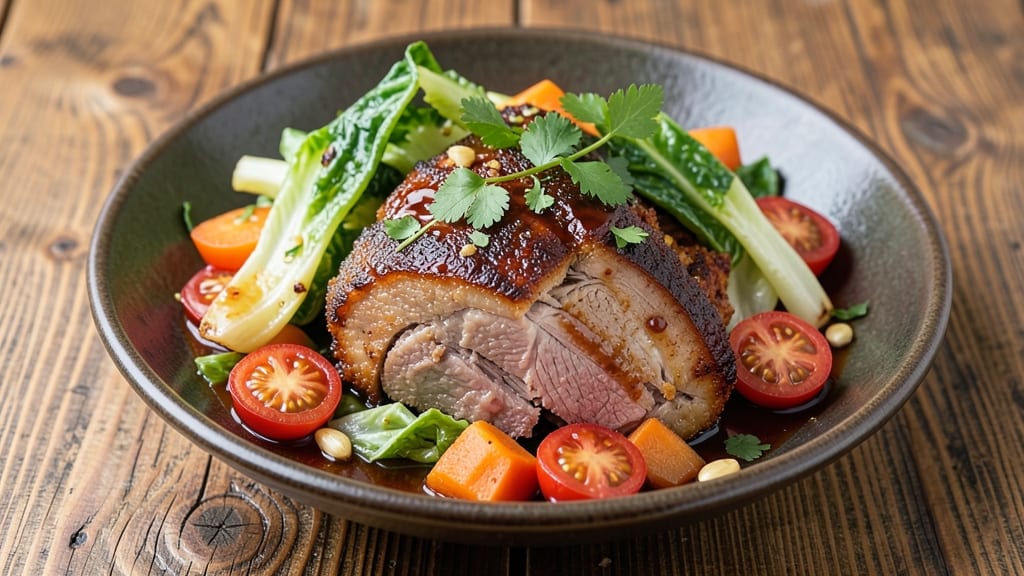
This Bulgarian pork and cabbage recipe brings the hearty flavors of the Balkans to your table in one satisfying pot. 🌟 Growing up in small-town Georgia, I learned how pork transforms simple ingredients into comfort food magic—just like my grandmother taught me.
The secret lies in slow-braising pork until tender, then folding in cabbage until it melts into the rich, tomato-infused sauce.
What makes this dish special is its balance of textures and flavors: crisp edges on the cabbage, tender pork that falls apart, and a sauce thickened with natural cooking juices. Traditional Bulgarian cooking relies on simple ingredients—pork shoulder, cabbage, tomatoes, and just enough spices to enhance rather than overpower.
The result is a meal that feeds a crowd but feels intimate, perfect for family gatherings or cozy weeknight dinners.
This recipe delivers restaurant-quality comfort without the fuss. The pork becomes so tender it practically shreds with a fork, while the cabbage softens just enough to soak up the deep, savory sauce.
Serve it with warm flatbread or crusty bread to soak up every last drop of that flavorful liquid gold. The aroma alone will have everyone at your table asking for seconds.
For those who love variations, consider adding allspice or a touch of paprika for extra warmth, or swap in sauerkraut for a tangy twist. The beauty of this dish is its flexibility—it’s hearty enough for a winter meal but light enough for spring.
Let’s make this one-pot wonder that brings a taste of Bulgaria to your kitchen.
Ingredients for bulgarian pork and cabbage
Simple ingredients that transform into a hearty Bulgarian one-pot masterpiece.
| Ingredient | Amount | Notes |
|---|---|---|
| Pork Shoulder 🥩 | 3 lb | Bone-in for best flavor |
| Green Cabbage 🥬 | 2 lb | Cored and chopped into wedges |
| Ripe Tomatoes 🍅 | 4 whole | Roma or vine-ripened preferred |
| Carrots 🥕 | 3 whole | Medium size, peeled and chopped |
| Yellow Onion 🧅 | 1 whole | Medium size, sliced |
| Garlic Cloves 🧄 | 6 cloves | Freshly minced |
| All-Purpose Flour 🌾 | 2 tbsp | For dredging pork |
| Vegetable Oil 🫒 | ½ cup | For searing pork |
| Tomato Paste 🍅 | ½ cup | Canned, unsweetened |
| Red Wine Vinegar 🍷 | ¼ cup | For tangy depth |
| Bay Leaves 🌿 | 2 whole | Fresh preferred |
| Ground Black Pepper 🌶️ | 1 tsp | Freshly cracked |
| Salt 🧂 | 1 ½ tsp | Kosher or sea salt |
| Allspice Berries 🌶️ | 4 whole | Crushed lightly |
The pork shoulder is the star—look for well-marbled cuts at Whole Foods or your local butcher. Costco often has great deals on bone-in pork shoulders, which stay juicier during braising. If you can't find bone-in, bone-less works too, but expect slightly less flavor. For the cabbage, green cabbage is traditional, but savoy cabbage adds nice texture. The tomatoes? Roma tomatoes are ideal—they're meatier and less watery than vine-ripened, but use what you've got. The carrots can be baby carrots if that's what's in the fridge, but whole carrots stay crunchier during cooking.
No red wine vinegar? Apple cider vinegar or white wine vinegar work in a pinch, though red wine vinegar gives that authentic Bulgarian tang. Running out of allspice? Ground cinnamon at half the amount adds warmth without overpowering. The tomato paste can be any brand, but San Marzano is worth the splurge for its rich flavor. Fresh bay leaves are ideal, but dried work at one-third the amount. The flour is just for dredging—no need for fancy gluten-free blends unless you're avoiding gluten. For extra richness, add a splash of beef broth instead of water when braising the pork.
This dish tastes even better the next day—plan ahead! Store leftovers in an airtight container for up to 5 days in the fridge. For longer storage, freeze portions for 3 months. I like to portion mine into individual containers so I can grab a meal straight from the freezer. The cabbage will soften further when reheated, so it's perfect for quick lunches. If you make extra sauce, freeze it separately—it's amazing on toast or pasta later.
Why You'll Love This Recipe
- I’ll be real: this tastes better the next day. The flavors meld into this rich, hearty stew that’s perfect for lunches or freezing. My kids actually ask for it, which never happens with my usual leftovers. (They’re picky. This wins them over.)
- One-Pot Magic: Honestly, I swear by this—just toss everything into one pot, and let it slow-cook while you do anything else. The cabbage softens perfectly, the pork stays juicy, and the tomatoes melt into that sweet, tangy sauce without a single extra dish. (Yes, even on a Tuesday night.)
- Deep, Savory Bite: Between us, the pork shoulder becomes ridiculously tender with a crispy edge, and the cabbage? It soaks up all the garlic and paprika until it’s got this addictive, slightly sweet crunch. That first bite—when the caramelized onions and tomatoes hit—is the reason I make this every other week.
- Leftovers That Beg for More: I’ll be real: this tastes better the next day. The flavors meld into this rich, hearty stew that’s perfect for lunches or freezing. My kids actually ask for it, which never happens with my usual leftovers. (They’re picky. This wins them over.)
Step-by-step instructions for Bulgarian pork and cabbage
Here's how to create this hearty, one-pot wonder that brings Bulgarian home cooking to your table.
🔥 Step 1: Sear the Pork Shoulder to Build Deep Flavor
Heat the 0.5 cup vegetable oil in a large, heavy pot over medium-high heat until shimmering. Pat the 3 lb pork shoulder completely dry with paper towels—this ensures a proper sear. Working in batches if needed, add the pork and sear on all sides until deeply browned, about 8-10 minutes total.
Here's the thing—don't rush this step. You want that golden crust on the pork, which carries all the flavor into the braise. If the oil starts smoking too much, reduce heat slightly. Once browned, remove the pork and set it aside on a plate.
👨🍳 Step 2: Build the Savory Base with Aromatics and Tomatoes
In the same pot (those browned bits are pure flavor!), add the 1 whole yellow onion sliced, 3 whole carrots chopped, and 2 lb green cabbage cut into wedges. Cook over medium heat for 5 minutes, stirring occasionally, until the vegetables begin to soften.
Add the 6 cloves garlic cloves minced, 0.5 cup tomato paste, and 0.25 cup red wine vinegar. Stir well and cook for another 3 minutes until the raw tomato smell disappears. This creates the foundation for your rich, tangy sauce—don't skip this step!
🥘 Step 3: Create the Braising Liquid and Return the Pork
Pour in 2 cups water (just enough to come about halfway up the pork), then add the 2 whole bay leaves, 4 whole allspice berries crushed lightly, 1.5 tsp salt, and 1 tsp ground black pepper. Return the pork to the pot, fat-side up, and bring everything to a gentle simmer.
This is where the magic happens. The pork should be mostly submerged in the liquid, but not completely covered. Simmer uncovered for 2 hours until the pork is tender enough that a fork slides in easily. If the liquid reduces too much, add a splash of water—you want it just covering the pork.
⏰ Step 4: Finish with Tender Pork and Vibrant Vegetables
After 2 hours, check the pork's tenderness. If it's still slightly firm, continue cooking for another 30-60 minutes until fork-tender. Meanwhile, the cabbage and carrots should be soft but still holding their shape—this dish balances textures beautifully.
Once the pork is perfectly tender, remove it from the pot and let it rest for 10 minutes before slicing. This resting period keeps all those juices locked inside the meat. Skim any excess fat from the surface of the braising liquid if desired, then return the sliced pork to the pot to soak up all that delicious sauce.
🍽️ Step 5: Serve with Warm Bread and Fresh Herbs
Taste and adjust seasoning if needed—you might want to add a pinch more salt or a splash of vinegar to brighten the flavors. This dish serves 6 generous portions, perfect for family gatherings or cozy weeknight dinners. Garnish with fresh parsley if you have it, though it's delicious as-is.
Serve immediately with crusty bread to soak up every last bit of that rich, tomato-braised sauce. The combination of tender pork, sweet carrots, and slightly tangy cabbage makes this Bulgarian classic a true comfort food winner.
Pro Tips For Making Bulgarian Pork And Cabbage
- Sear the Pork First: Don’t just toss the pork shoulder into the pot—get it screaming hot in a dry skillet first. Two minutes per side with the heat cranked up builds flavor that simmering alone can’t match. I used to skip this, and the dish always tasted flat until I tried it.
- Core the Cabbage Properly: Cutting out the core isn’t optional—it’s the difference between tender cabbage and a chewy mess. Use a sharp knife to slice the core out in one clean motion, then slice the wedges thinly. Thick pieces stay tough no matter how long you cook them.
- Salt the Tomatoes: Ripe tomatoes are sweet, but unsalted, they’ll turn to mush without adding depth. Toss them with a pinch of salt and let them sit 10 minutes before adding to the pot. This draws out excess water and concentrates their flavor—trust me, it makes a real difference.
- Deglaze with Vinegar: After browning the onions and carrots, splash in 1 tablespoon of red wine vinegar before adding the tomatoes. It cuts through the richness and brightens the whole dish. I was skeptical until I tried it—now I double the amount if I’m feeling fancy.
Troubleshooting this recipe
Pork Too Tough
If your pork shoulder isn't tender after 2 hours of braising, you're likely cooking at too high a temperature. The ideal simmer should be gentle—barely a few bubbles breaking the surface. I've seen home cooks crank the heat too high, which actually toughens the meat.
Lower the heat to medium-low and add ½ cup water if the liquid reduces too much. For extra insurance, add 1 more bay leaf and ½ tsp allspice to speed up the breakdown of connective tissue. 🌡️
Cabbage Too Crunchy
When your cabbage stays stubbornly crisp after hours of braising, it usually means it wasn't cut properly. For perfect tenderness, cut the cabbage into 1-inch wedges (not thin slices) and include the core—it's packed with flavor.
If you're short on time, add ½ cup chicken broth during the last 30 minutes of cooking to help soften the leaves. Trust me, this trick works every time.
Sauce Too Thin
A watery sauce often means you added too much liquid or didn't reduce it enough. After the initial 2-hour braise, remove the pork and simmer the vegetables and sauce uncovered for 15-20 minutes to thicken it naturally.
For an instant fix, mix 1 tbsp flour with 1 tbsp cold water to make a slurry, then stir it into the pot. Simmer for 5 minutes until thickened—this works like magic. 💡
Burnt Onions
Those sliced onions can easily burn if you're not paying attention. After adding them to the pot, keep the heat at medium and stir frequently for the first 3-4 minutes until they soften but don't brown.
I've ruined many batches by walking away during this step—set a timer for 5 minutes maximum. If they start to darken too quickly, reduce heat immediately and add 1 tbsp water to cool them down.
Overpowering Vinegar
The red wine vinegar adds that authentic Bulgarian tang, but too much can make the dish taste harsh. Start with just ¼ cup and taste as you go—you can always add more later. If it's too sharp, balance it with 1 tsp sugar or a pinch of salt.
For a smoother flavor, try white wine vinegar at half the amount, though it won't be as traditional. 🍷
Fat Floating on Top
Excess fat can make the dish feel greasy, but it's actually part of the flavor. After braising, skim off any surface fat with a spoon or paper towels before serving.
For a cleaner presentation, chill the dish in the fridge for 1 hour—the fat will solidify on top and can be easily removed. If you're serving immediately, use a slotted spoon to serve the meat and vegetables first, then ladle the sauce separately.
This keeps the dish light and elegant.
Nutrition facts
Frequently asked questions
Can I use bone-in pork shoulder instead of boneless?
Bone-in pork shoulder actually adds more flavor and stays juicier during braising. Look for a 3 lb bone-in cut with good marbling. Just note it may take 15-20 extra minutes to become tender. The bones release collagen that enriches the sauce—don't skip this upgrade if you can find it!
What's the best way to cut the cabbage for this recipe?
Cut the cabbage into 1-inch wedges (like a small pizza) including the core for maximum flavor. Avoid thin slices—they'll turn mushy. For even cooking, separate the wedges slightly before adding to the pot. Pro tip: Use a sharp chef's knife and keep your cuts consistent for uniform doneness.
Can I make this dish in a slow cooker?
Yes! Sear the pork first, then transfer everything to your slow cooker. Cook on low for 6-7 hours or high for 4-5 hours. The slow cooker method gives you hands-off convenience while maintaining tenderness. Just add ½ cup water if the liquid gets too low during cooking.
How do I store leftovers?
Store in an airtight container in the fridge for up to 5 days. For longer storage, freeze portions for 3 months. The flavors actually improve overnight! When reheating, add 1-2 tbsp water to prevent drying. This dish reheats beautifully—just warm through on the stove or microwave.
What's the secret to making the sauce extra rich?
Let the pork rest for 10 minutes after cooking, then slice it and return to the pot. The meat releases juices that thicken the sauce naturally. For extra depth, add 1 tbsp tomato paste during the last 15 minutes of cooking. A splash of red wine (½ cup) also adds wonderful complexity!