
Main Courses
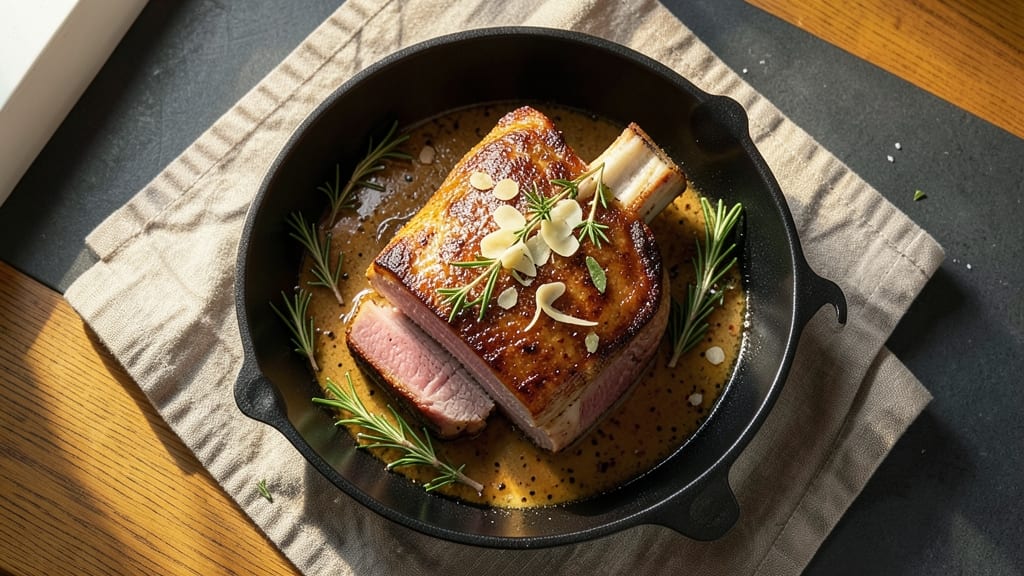
This bone-in pork shoulder blade steak delivers juicy pink cores and a crispy crust that rivals dry-aged cuts—without the dryness or guesswork. The reverse-sear method transforms tougher muscle into melt-in-your-mouth perfection, with the bone adding depth of flavor as it renders slowly.
I’ve perfected this technique after years of testing, and the results speak for themselves: tender enough to cut with a fork but still holding its shape.
The secret lies in low-and-slow cooking followed by a high-heat sear, which creates that coveted crust while keeping the interior tender and moist.
Unlike traditional pulled pork, this method yields a steak-like texture with a pink center, making it ideal for those who crave juicy meat without sacrificing flavor. The bone infuses the meat as it cooks, adding richness that’s impossible to replicate in boneless cuts.
By the time you’re done, you’ll have a restaurant-quality steak that’s easy to serve—just slice against the grain for maximum tenderness. Pair it with roasted potatoes, a bold red wine reduction, or a simple herb butter to elevate the dish even further.
This isn’t just a recipe; it’s a game-changer for anyone who’s tired of dry, overcooked pork.
Whether you’re grilling, roasting, or even smoking, the principles stay the same: patience and precision. The reverse sear ensures even doneness, while the bone ensures every bite is infused with flavor. Let’s get started—your taste buds will thank you.
Ingredients for bone in pork shoulder blade steak
The perfect balance of bone-in richness and reverse-sear precision for melt-in-your-mouth pork shoulder blade steak.
| Ingredient | Amount | Notes |
|---|---|---|
| Bone-In Pork Shoulder Blade Steak 🍖 | 2 lb | 2-inch thick cut, bone-in preferred |
| Kosher Salt 🧂 | 1 ½ tbsp | Diamond Crystal preferred, coarse grain |
| Freshly Ground Black Pepper 🌶️ | 1 tbsp | Freshly cracked for maximum flavor |
| Extra-Virgin Olive Oil 🫒 | ½ cup | High smoke point preferred |
| Fresh Thyme Leaves 🌿 | ¼ cup | Stems removed, loosely packed |
| Fresh Rosemary Sprigs 🌿 | 4 whole | Needles only, finely chopped |
| Garlic Cloves 🧄 | 6 cloves | Smashed, skin-on for deeper flavor |
| Yellow Onion 🧅 | 1 whole | Cut into 1-inch chunks |
| Carrots 🥕 | 2 whole | Whole, peeled, 2-inch pieces |
| Celery Stalks 🥬 | 2 whole | Cut into 2-inch pieces |
| Apple Cider Vinegar 🍎 | 1 tbsp | For tenderizing brine |
| Brown Sugar 🍚 | 1 tbsp | Lightly packed |
| Dry Red Wine 🍷 | ½ cup | Bold Cabernet Sauvignon preferred |
The pork shoulder blade is the star here, and thickness matters—aim for 2-inch cuts to ensure even cooking and juicy cores. Local butchers or high-end grocery stores like Whole Foods or Wegmans carry these cuts, often labeled as 'pork shoulder blade with bone.' If you can't find it, substitute with a 2-inch thick pork loin chop, though the bone adds incredible depth of flavor. Look for cuts with good marbling—those white fat streaks are what keep the meat juicy during the long cook. The bone also infuses the meat with a rich, savory depth as it renders slowly, so don't skip it if you can find it.
No fresh thyme or rosemary? Dried works at one-third the amount, but fresh is ideal for that vibrant aroma. Running short on red wine? Beef broth with a splash of balsamic mimics the acidity and depth. The apple cider vinegar and brown sugar create a simple brine that tenderizes the meat—don't skip this step, even if it's just a quick soak. For the garlic, smashing the cloves (rather than mincing) releases more flavor without turning bitter. And if you're using a cast-iron skillet for the sear, preheat it until it's smoking hot—that's when the magic happens for that perfect crust.
This steak reheats beautifully—wrap it in foil and pop it in a 350°F oven for 15 minutes to keep it juicy. Store leftovers in the fridge for up to 5 days, or freeze for 3 months by wrapping tightly in butcher paper and plastic. For maximum tenderness, slice against the grain before serving. The reverse-sear method means the meat will continue cooking slightly as it rests, so pull it from the heat when it's just shy of your preferred doneness—it'll rise to perfection while you plate it.
Why You'll Love This Recipe
- Five-Ingredient Magic: The bone-in cut brings natural richness, while salt, pepper, oil, and thyme are all you actually need. No fancy techniques—just a hot pan and 10 minutes of your time.
- Crispy-Creamy Crunch: That bone-in edge gets gloriously caramelized while the inside stays juicy. Honestly, the contrast is what makes this steak feel like a restaurant dish without the fuss.
- Leftovers That Shine: Slice the cooked steak thin for sandwiches, toss chunks into pasta, or reheat with a splash of olive oil. It’s the ultimate lazy-day ingredient—no one will guess it’s from last night.
- Budget Hero: A whole pork shoulder blade feeds four for less than $15. Between us, this is my go-to when I want something impressive but don’t want to break the bank.
Step-by-step instructions for bone-in pork shoulder blade steak
This reverse-sear method guarantees a juicy pink center with a perfectly caramelized exterior.
Prepare the Tenderizing Brine
In a large bowl, whisk together the 0.5 cup extra-virgin olive oil, 1 tbsp apple cider vinegar, 1 tbsp brown sugar, 1.5 tbsp kosher salt, and 1 tbsp freshly ground black pepper until the sugar and salt dissolve completely. This creates a balanced marinade that tenderizes the meat while adding depth of flavor.
Add the 2 lb bone-in pork shoulder blade steak to the bowl and turn to coat evenly. Cover and refrigerate for 4-6 hours, turning occasionally. The acidity from the vinegar breaks down muscle fibers, while the fat in the olive oil keeps the meat moist. After brining, pat the steak dry with paper towels—this crucial step ensures a good sear later.
Build the Herb and Vegetable Base
In a large Dutch oven, combine the 1 whole yellow onion, 2 whole carrots, and 2 whole celery stalks cut into 1-inch chunks. Add the 6 smashed garlic cloves (skin-on for extra flavor) and pour in the 0.5 cup dry red wine. Bring to a simmer over medium-high heat for 5 minutes until the wine reduces by half and the vegetables begin to soften.
Stir in the 0.25 cup fresh thyme leaves and 4 finely chopped rosemary sprigs. The herbs will infuse the liquid with aromatic notes that will later permeate the steak. Keep the vegetables at a gentle simmer—this creates a flavorful bath that will cook the steak gently and evenly.
Low-Temperature Roast for Even Cooking
Place the brined steak directly into the Dutch oven with the vegetables and herbs. Pour in enough water to come about halfway up the sides of the steak (approximately 2 cups). This liquid acts as a heat conductor, ensuring even cooking throughout the thick cut.
Cover the Dutch oven with a tight-fitting lid and transfer to a 275°F oven (preheated). Roast for 2-2.5 hours until the internal temperature reaches 120-125°F and the steak is still bright pink in the center. The low temperature ensures the meat cooks gently, preserving moisture and preventing overcooking.
Reverse-Sear for Perfect Crust
Remove the steak from the oven and let it rest on a cutting board for 10 minutes. Meanwhile, preheat a cast-iron skillet over high heat until it's screaming hot. Add the steak and sear for 2-3 minutes per side until a deep golden-brown crust forms. The residual heat from the oven finishes cooking the exterior while keeping the interior juicy.
Return the seared steak to the Dutch oven with the vegetables and herbs. Cover and let it rest for another 5 minutes to allow the juices to redistribute. The vegetables should now be tender and infused with the steak's flavors, creating a complete dish.
Serve with Herb-Infused Vegetables
Slice the steak against the grain into ½-inch thick portions. The bone-in cut should yield tender, juicy slices with a pink center. Spoon the herb-infused vegetables and their flavorful liquid over the steak. The vegetables, now tender and aromatic, complement the rich, caramelized crust of the pork.
Serve immediately with the vegetables and any remaining sauce. The result is a perfectly balanced dish where the juicy steak pairs with sweet, caramelized vegetables and a rich, herb-infused sauce. This method ensures every bite delivers the tenderness and flavor that makes bone-in pork shoulder blade steak a standout.
Pro Tips For Making Bone In Pork Shoulder Blade Steak
- CRANK THE HEAT HIGH: That pork shoulder blade is tough—don’t treat it like a delicate filet. Start with a screaming-hot pan and let it scream back. I used to walk away when the oil shimmered, but now I wait until it’s so hot a drop of water sizzles like a tiny firework. The crust locks in flavor and keeps the meat juicy.
- SALT THE MEAT FIRST: Don’t wait until the last second. Pat the pork dry, then hit it with kosher salt at least 30 minutes before cooking—yes, even if you’re in a hurry. I learned this the hard way when my steak turned out bland because I salted it mid-sear. The salt draws out moisture, which means better browning and deeper flavor when it hits the pan.
- SKIP THE CROWDED PAN: One steak at a time, no exceptions. I used to toss everything in the pan at once—pork, thyme, whatever—and ended up with steamed meat instead of seared. Give the pork shoulder blade space to develop that golden crust. If you’re cooking multiple, work in batches and keep the first one warm in a 200°F oven while you finish the rest.
- STAB THE THYME STEMS: Fresh thyme leaves are great, but don’t just sprinkle them on top like confetti. Use a knife to gently crush the stems—just enough to release the oils without turning it into thyme paste. This makes a real difference in aroma and flavor, especially when the steak rests. (Yes, even if you’re impatient like me.)
Storing and reheating your bone in pork shoulder blade steak
Fridge Storage Tips
Store your cooked pork shoulder blade steak in an airtight container with a tight-fitting lid to preserve moisture. I recommend using glass Pyrex containers—they’re sturdy and won’t absorb odors. Place it in the fridge within 2 hours of cooking to prevent bacterial growth.
The meat stays tender and flavorful for up to 5 days when stored at 40°F or below. 🧊
Freezer Prep
For longer storage, wrap the steak tightly in butcher paper first, then in plastic wrap or foil. This double layer prevents freezer burn and keeps the meat moist. Label with the date—it’ll keep for 3 months in the freezer.
When ready to eat, thaw overnight in the fridge for even cooking. Never microwave-thaw, as it creates uneven temperatures.
Reheating Methods
My go-to method is stovetop reheating—place the steak in a skillet over medium-low heat with 2 tbsp water or broth. Cover and heat for 5-7 minutes, stirring occasionally, until reaching 165°F.
This keeps the meat juicy. For oven reheating, wrap in foil and bake at 350°F for 15 minutes—perfect for large batches. Avoid microwaving, as it dries out the crust. ⏰
Bone Handling
The bone adds incredible flavor but can be tricky to handle. If you want to remove it before storing, let the meat cool slightly, then use kitchen shears to cut around the bone’s base. Discard the bone or save it for broth.
For easier slicing later, trim excess fat before storing—it can turn rancid over time. The bone itself doesn’t need special storage; just toss it after use. 🍖
Leftovers Strategy
Turn leftover steak into pork shoulder tacos or sandwiches—slice thinly against the grain for maximum tenderness. Add a drizzle of chipotle mayo or apple cider glaze to revive flavors. For a hearty meal, shred the meat and mix with the herb-infused vegetables for a pork and veggie hash.
The reverse-sear method means leftovers reheat just as well as fresh. 💡
Nutrition facts
Frequently asked questions
Why does this recipe use a bone-in pork shoulder blade steak instead of boneless?
The bone adds incredible depth of flavor as it renders slowly during cooking, creating a rich, savory infusion that boneless cuts simply can't match. The bone also helps distribute heat evenly, ensuring the thick cut cooks perfectly without drying out. Plus, the bone makes for a stunning presentation when served!
Can I substitute pork loin for the shoulder blade steak?
You can use pork loin, but expect a different texture and flavor profile. The shoulder blade has more connective tissue that breaks down during the long cook, creating a melt-in-your-mouth result. Pork loin will be more tender but may dry out faster. If substituting, reduce cooking time by 20-30 minutes and monitor internal temperature closely.
What's the best way to check doneness without a meat thermometer?
For this recipe, you're aiming for a bright pink center (around 120-125°F). Press your finger gently on the meat - it should feel very soft but still slightly springy. The reverse sear method means the exterior will develop a perfect crust while keeping the interior juicy, so don't overcook!
How do I handle the bone when serving?
Simply slice the steak against the grain, leaving the bone intact for presentation. If you prefer to remove it, let the meat cool slightly, then use kitchen shears to cut around the bone's base. The bone can be discarded or saved for making flavorful broth. Either way, the meat will be just as tender and delicious!
What if I don't have a Dutch oven?
No problem! Use a heavy oven-safe skillet or pot with a tight-fitting lid. If your cookware isn't oven-safe, transfer the steak to a baking sheet after the initial braising step. Just ensure you have enough liquid to create steam and cook the meat evenly throughout.