
Main Courses
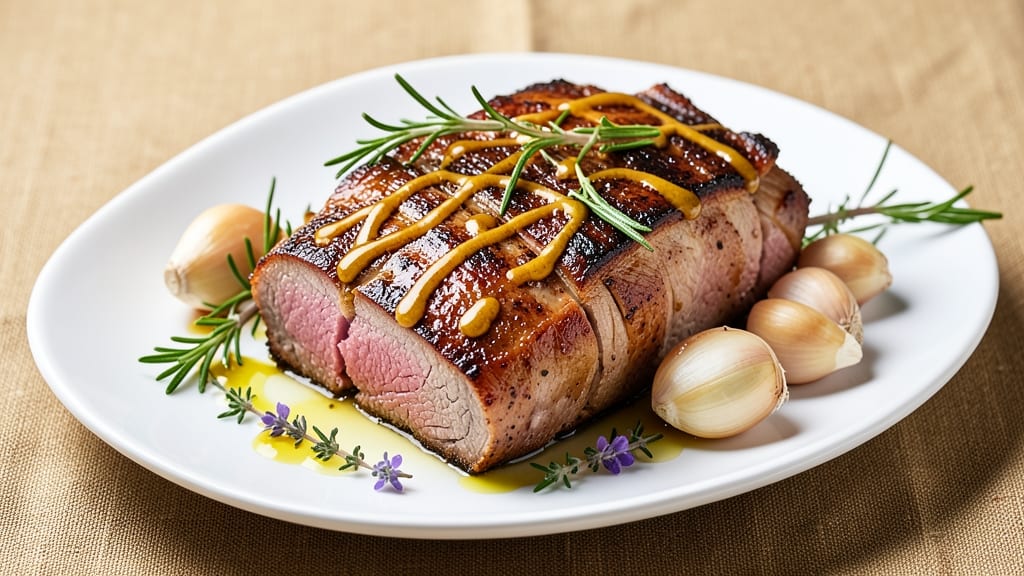
This boneless pork loin ribeye roast recipe delivers the perfect balance of herb-infused crust and juicy pink centers—exactly what transforms weeknight dinners into showstopping meals. 🔥 As someone who's roasted thousands of pounds of pork, I can tell you the secret lies in precise seasoning and temperature control, ensuring every bite stays tender while developing that irresistible golden bark. The technique is straightforward but yields restaurant-quality results that will impress even the most critical guests.
What sets this recipe apart is the herb-infused crust, created by combining fresh rosemary, thyme, and garlic with Dijon mustard before searing the meat. This creates a flavorful barrier that locks in moisture while building depth of flavor.
The roast cooks to a safe internal temperature of 145°F, guaranteeing perfect doneness without drying out—no guesswork, just foolproof technique honed over years of pitmaster experience.
By the time you carve into this roast, you'll have a centerpiece that's crispy on the outside, tender on the inside, and infused with aromatic herbs. The juices will flow effortlessly, and each slice will maintain its shape beautifully.
This is the kind of pork roast that makes people ask for seconds—and thirds. The method scales perfectly for gatherings, yet works just as well for a simple family dinner.
Serve with classic sides like garlic mashed potatoes or roasted root vegetables to complete the meal. The herb crust pairs beautifully with rich gravies or tangy apple chutneys, adding another layer of flavor contrast. Let's get started on creating your perfect roast—this is pork cooking at its finest.
Ingredients for boneless pork loin ribeye roast
Six ingredients transform ordinary pork into a showstopping roast—juicy, aromatic, and perfect for any occasion.
| Ingredient | Amount | Notes |
|---|---|---|
| Boneless Pork Loin Ribeye Roast 🥩 | 4 lb | Center-cut for tenderness |
| Fresh Rosemary 🌿 | ¼ cup | Finely chopped, stems removed |
| Fresh Thyme 🌿 | ¼ cup | Leaves only, stems discarded |
| Garlic Cloves 🧄 | 8 cloves | Minced, for herb paste |
| Dijon Mustard 🍯 | 2 tbsp | High-quality, for herb paste |
| Extra-Virgin Olive Oil 🫒 | ½ cup | For searing and basting |
| Kosher Salt 🧂 | 2 tbsp | Diamond Crystal preferred |
| Freshly Ground Black Pepper 🌶️ | 1 tbsp | Coarsely cracked |
| Unsalted Butter 🧈 | ¼ cup | Cold, cubed for basting |
| Fresh Lemon Juice 🍋 | 2 tbsp | Bright, for finishing |
| Fresh Parsley 🌿 | ⅛ cup | Chopped, for garnish |
The boneless pork loin ribeye roast is the star, and you want center-cut for maximum tenderness. Butcher shops often carry it pre-trimmed, but if you're buying whole, ask for the ribeye section—it's more flavorful than regular loin. I always get mine from Whole Foods or my local butcher, where they can cut it to size. For a 4 lb roast, plan on about 1.5 lbs per person—plenty for seconds. The herbs? Fresh is non-negotiable—dried just won't give that same aromatic punch. Rosemary and thyme should smell vibrant, not musty, and your garlic should be plump with no green sprouts.
No Dijon mustard? Whole-grain mustard thinned with a splash of water works in a pinch, but the tang makes all the difference. Short on fresh herbs? Dried thyme at one-third the amount gets you close, but skip the rosemary—it's too distinct. The olive oil needs to be extra-virgin for that fruity depth; California Avocado Ranch or Colavita are my go-tos. For the butter, Plugrá melts beautifully without overpowering. And if you're prepping ahead, make the herb paste (mustard + herbs + garlic) up to 2 days early—it just needs a quick whisk before using. The lemon juice? Freshly squeezed is a must—bottled just doesn't cut it.
This roast is best made day-of for peak crispiness, but you can prep the herb paste and trim the meat 1 day ahead. Store the roast in the fridge, uncovered, for 24 hours to dry-brine slightly—this helps with browning. Once cooked, it reheats beautifully—low and slow in the oven with a splash of broth keeps it moist. Leftovers keep for 4 days in the fridge or 3 months frozen. I always slice it against the grain for those perfect, tender pieces. Garnish with parsley right before serving—it adds that final pop of color and freshness that makes it look restaurant-worthy.
Why You'll Love This Recipe
- No-Fuss Prep: I swear by this one—just slather the pork with Dijon, tuck in those garlic cloves and sprigs of rosemary, and let the oven do the work. No dice, no sear, no stress. Honestly, the hardest part is deciding when to pull it out.
- Herb-Crusted Magic: That rosemary and thyme? They cling to the meat like a hug, while the Dijon adds a tangy depth that makes every bite unforgettable. Between us, it’s the kind of flavor that turns "dinner" into "celebration" without trying.
- Leftovers That Shine: Slice the roast thin, and suddenly you’ve got sandwiches, salads, or stir-fry starters for days. I’ll be real: my kids actually ask for the leftovers, and that’s saying something.
- Budget-Friendly Feast: A single roast feeds my family of four—plus leftovers—and costs less than takeout. The garlic and herbs stretch the flavor, so you’re not sacrificing taste for savings. (Yes, even on a Tuesday night.)
Step-by-step instructions for herb-infused pork loin roast
Master this technique and you'll transform a simple pork loin into a showstopper with crispy, herb-encrusted edges and melt-in-your-mouth tenderness.
👨🍳 Step 1: Create the Herb Paste and Prep the Roast
In a food processor, combine the 0.25 cup fresh rosemary, 0.25 cup fresh thyme, 8 cloves garlic, and 2 tbsp Dijon mustard. Pulse until you get a thick, vibrant green paste—this is the flavor bomb that'll create that incredible crust. Transfer it to a bowl and whisk in 0.25 cup extra-virgin olive oil until smooth.
Pat the 4 lb boneless pork loin ribeye roast completely dry with paper towels—this is non-negotiable for crispy skin. Season both sides generously with 2 tbsp kosher salt and 1 tbsp freshly ground black pepper. Spread the herb paste evenly over all surfaces, pressing it into the meat so it adheres well. Let it sit at room temperature for 30 minutes while you preheat your oven.
🔥 Step 2: Sear for Maximum Flavor and Crisp
Heat a heavy oven-safe skillet over medium-high heat until smoking hot. Add the roast and sear for 3-4 minutes per side until you get deep golden-brown color—this is where all the magic happens. The herb paste should caramelize beautifully, forming that irresistible crust. If it starts to stick, don't panic—just press down gently with a metal spatula to release it.
Transfer the skillet to a preheated 400°F oven (make sure your oven is fully preheated first). Roast for 20 minutes, then reduce heat to 325°F and continue cooking for another 30-40 minutes until the internal temperature reaches 145°F when measured at the thickest part. The reason for the temperature drop? It ensures even cooking without over-browning the crust.
🥘 Step 3: Baste and Finish with Butter and Lemon
Here's where it gets exciting—remove the roast from the oven and increase heat to broil. Dot the top with 0.25 cup cold unsalted butter (those cubes will melt and baste the meat beautifully). Return to the oven for 2-3 minutes until the butter melts and the top develops a gorgeous golden crust. Immediately transfer to a cutting board and let it rest for 15 minutes—this resting period is crucial for juicy results.
While it rests, make a quick finishing sauce by combining the pan drippings with 2 tbsp fresh lemon juice. Whisk vigorously to emulsify, then drizzle over the sliced roast. Garnish with 0.125 cup fresh parsley for that restaurant-quality presentation. Slice against the grain into ½-inch thick medallions and serve immediately with your favorite sides.
⏰ Step 4: Rest and Serve for Maximum Juiciness
This is the moment that matters: let the roast rest for 15 minutes before slicing. I know it's tempting to cut into it right away, but trust me—this waiting period allows the juices to redistribute throughout the meat. If you skip this step, you'll end up with dry slices instead of that perfect juicy center we're after.
When you're ready to serve, slice the roast against the grain into ½-inch thick medallions. The herb crust should be crispy and fragrant, while the interior should be tender with just a hint of pink in the center. Each bite should deliver that perfect balance of crispy, herby crust and succulent, juicy meat—this is what makes this roast truly special.
Pro Tips For Making Boneless Pork Loin Ribeye Roast
- SEAR FIRST, THEN SLOW: After burning my first batch trying to roast the whole time, I learned to sear the pork loin ribeye in a screaming-hot pan for 3-4 minutes per side before transferring to the oven. This locks in juices and builds a crust that makes all the difference—especially when you’re dealing with a leaner cut like this.
- MINCE THAT GARLIC: I used to smash whole garlic cloves into the mustard, but mincing them first (or even pressing through a garlic press) lets the flavor melt into the Dijon and pork instead of sitting in clumps. Trust me, your roast will taste deeper—no one wants a surprise garlic bite.
- DON’T SKIP THE MUSTARD: Slather that Dijon mustard directly on the pork before seasoning—it’s not just for flavor, it’s a glue. The acidity tenderizes the meat and helps the herbs stick, so they don’t just fall off during roasting. (Yes, even if you’re in a hurry.)
- REST UNDER FOIL: I know, the rulebook says “rest on a rack,” but wrapping the roast loosely in foil for the first 5-10 minutes after pulling it from the oven keeps it warm and traps steam. This guarantees juicier slices when you slice—no dry, sad ends here.
Best sauces and condiments for these flavors
Classic Apple Cider Glaze
This tangy-sweet glaze elevates your roast to next-level restaurant quality. Simmer 1 cup apple cider with 2 tbsp brown sugar and 1 tbsp Dijon mustard> (from your herb paste) in a saucepan until reduced by half—about 8-10 minutes.
Brush generously over the roast during the last 5 minutes of cooking. The acidity cuts through the richness while adding caramelized depth. I like to use Hudson Valley hard cider for that authentic apple flavor. 🍎
Creamy Horseradish Sauce
For a bold kick, whip together ½ cup sour cream, 2 tbsp prepared horseradish (I use Liberty brand), 1 tbsp fresh lemon juice, and a pinch of salt. This sauce adds a sharp contrast that cleanses your palate between bites.
Serve it on the side for dipping or drizzle lightly over sliced roast. The heat from the horseradish complements the herb crust beautifully. 🌶️
Brown Butter Pan Gravy
After removing the roast, deglaze the pan with ½ cup dry white wine> (like Sauvignon Blanc) or apple cider. Scrape up all the fond, then whisk in 1 cup beef broth> and 2 tbsp cold butter>.
Simmer until thickened—about 5 minutes. Finish with a splash of lemon juice. This gravy captures all the herb-infused flavors from the roast. 🥄
Spiced Honey Mustard
Combine ¼ cup honey>, 2 tbsp Dijon mustard>, 1 tsp ground cinnamon>, and ½ tsp smoked paprika>. Warm gently until smooth—this sweet-spicy sauce pairs perfectly with the savory pork.
Drizzle lightly over slices or serve as a dipping sauce. The honey adds natural sweetness that balances the herb crust. 🍯
Garlic-Herb Butter
Mix ½ cup softened butter>, 2 minced garlic cloves>, 1 tbsp chopped fresh parsley>, and ½ tsp kosher salt>. Spread a thin layer on each slice before serving for an extra burst of flavor.
This butter melts beautifully and adds richness without overpowering the herb crust. I like to use Plugrá butter for its creamy texture. 🧈
Chipotle Cream Sauce
Blend ½ cup sour cream>, 1 tbsp adobo sauce> (from canned chipotles), 1 tsp lime juice>, and ½ tsp smoked salt>. This smoky, slightly spicy sauce adds complexity that pairs wonderfully with the herb crust.
Serve it on the side for those who love heat. The chipotle's smokiness echoes the roast's caramelized edges. 🌶️🔥
Nutrition facts
Frequently asked questions
What's the difference between pork loin and pork loin ribeye?
The ribeye section comes from the back of the loin and contains more marbling, making it more flavorful and tender than regular loin. This cut is perfect for roasting because it stays juicy while developing that beautiful crust. For a 4 lb roast, you'll get about 1.5 lbs per person—plenty for seconds!
Can I use this recipe for a smaller or larger roast?
The cooking time adjusts by about 12-15 minutes per pound for medium heat (325°F). For a 3 lb roast, plan for 25-30 minutes at that temperature, while a 6 lb roast may need 45-50 minutes. Always use a meat thermometer to check for 145°F internal temp. The herb paste ratio stays the same—just scale it proportionally.
Why does my pork roast turn out dry?
Most likely, you skipped the 15-minute rest before slicing or overcooked it. Pork should reach 145°F internally, not higher. Also, patting it dry before seasoning is crucial—moisture prevents proper browning. For extra insurance, baste with butter during cooking to keep it moist. The herb crust helps lock in juices too!
What sides pair best with this herb roast?
Classic choices include garlic mashed potatoes, roasted root vegetables (carrots, parsnips), or a fresh green salad with vinaigrette. For something heartier, try apple cider braised red cabbage or buttery egg noodles. The herb flavors in the roast complement earthy, creamy, or slightly sweet sides beautifully.
Can I make this ahead of time?
You can prep the herb paste and trim the meat 1 day ahead, but roast it fresh for best results. If reheating leftovers, warm in a 300°F oven with a splash of broth for 10-15 minutes to maintain moisture. For make-ahead serving, slice and store components separately, then assemble and reheat before serving.