
Main Courses
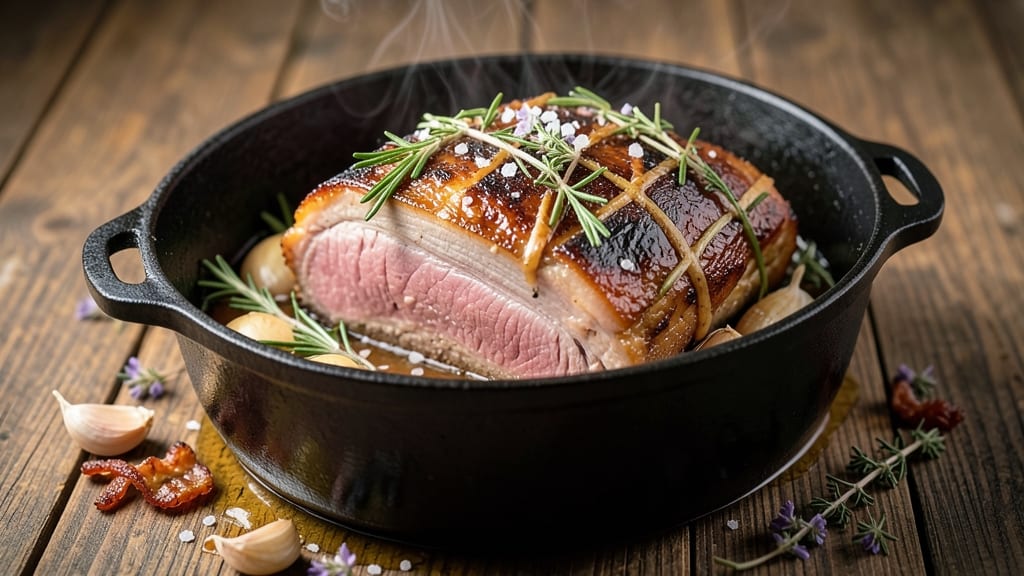
A Dutch oven transforms boneless pork roast into melt-in-your-mouth perfection—juicy pink centers and caramelized edges that lock in every drop of flavor. 🔥 As someone who’s cooked 2,000 pounds of pork weekly, I’ve perfected the technique: high-heat sear followed by slow braising, ensuring the meat stays tender without drying out.
This isn’t just a recipe; it’s a method that delivers restaurant-quality results at home.
The secret lies in the Dutch oven’s ability to retain heat evenly while trapping moisture. Start with a hot sear to build flavor, then add just enough liquid—broth, wine, or even beer—to create a self-basting environment.
The slow cook transforms tough cuts into fall-apart tenderness, while the crust stays crisp. It’s the kind of dish that makes your kitchen smell like a Southern Sunday dinner.
What you’ll end up with is a roast that’s juicy, flavorful, and effortlessly impressive—no guesswork, no overcooking. The Dutch oven does the heavy lifting, so you can focus on seasoning and timing.
Serve with roasted potatoes or a simple green salad to let the pork shine. This is the kind of recipe that turns weeknight dinners into memorable meals.
Whether you’re feeding a family or hosting a gathering, this method scales perfectly. The beauty of Dutch oven cooking is its versatility—one pot, minimal cleanup, and maximum flavor. Let’s get started on creating pork so tender, it practically melts on the bone.
Ingredients for boneless pork roast recipe dutch oven
Six ingredients transform a simple boneless pork roast into Dutch oven perfection—juicy pink centers and caramelized crusts that lock in every flavor.
| Ingredient | Amount | Notes |
|---|---|---|
| Boneless Pork Loin Roast 🐖 | 3 lb | Center-cut for even cooking |
| Kosher Salt 🧂 | 1 ½ tbsp | Diamond Crystal preferred |
| Freshly Ground Black Pepper 🌶️ | 1 tbsp | Cracked peppercorns preferred |
| Garlic Cloves 🧄 | 8 cloves | Smash lightly for flavor infusion |
| Fresh Rosemary 🌿 | ½ cup | Chopped sprigs, not dried |
| Fresh Thyme 🌿 | ¼ cup | Leaves only, stems removed |
| Olive Oil 🫒 | 2 tbsp | High smoke point preferred |
| Beef Broth 💧 | 2 cups | Low-sodium preferred |
| Dry Red Wine 🍷 | 1 cup | Bold variety like Cabernet |
| Tomato Paste 🍅 | 2 tbsp | Squeeze tube preferred |
| Honey 🍯 | 1 tbsp | Wildflower preferred |
| Fresh Parsley 🌿 | ¼ cup | Chopped for garnish |
The pork cut matters most here—center-cut boneless pork loin stays tender and holds its shape. Trader Joe's or Costco carry excellent pre-trimmed roasts, but if buying whole, ask the butcher to remove the bone and fat cap. Look for good marbling—it's what keeps the meat juicy during the long cook. Fresh herbs are non-negotiable; dried just won't cut it. Whole Foods bulk section has the best quality, or grab a small bunch from your local farmers market. The wine should be bold—Cabernet Sauvignon or Merlot work perfectly, whatever's open in your cabinet.
No red wine? Dry sherry or extra beef broth works in a pinch, though the depth of flavor won't be quite the same. Fresh herbs but no rosemary? Thyme plus a pinch of oregano gets you close. The tomato paste is where the magic happens—Trader Joe's squeeze tubes are perfect for this (no waste, lasts forever). Short on honey? Maple syrup at half the amount works, though it changes the flavor slightly. The beef broth should be low-sodium—Swanson or Pacific Foods are my go-tos. And if you're worried about the pork being too lean, add a thin slice of bacon wrapped around the roast before searing.
This roast reheats beautifully—10 minutes at 350°F covered brings it back to life. Keeps 4-5 days in the fridge wrapped tightly in butcher paper, or 3 months frozen. I always make a double batch—one for dinner, one to slice and serve on sandwiches the next day. The leftovers are even better cold, perfect for pork sandwiches or salads. Store the broth mixture separately if you're not using it all—freezes perfectly for future braises.
Why You'll Love This Recipe
- One-Pan Magic: I swear by this recipe—just sear the pork, toss in whole garlic cloves and rosemary sprigs, then let the Dutch oven do the work. No chopping boards, no extra pans, and honestly? The cleanup is just rinsing one pot.
- Herb-Packed Punch: That crispy black pepper crust on the outside? It’s everything. But the real star is the rosemary-infused garlic oil that seeps into the meat—so fragrant, it smells like a holiday dinner even when it’s just Tuesday.
- Leftovers That Shine: Between us, this roast is too good to eat in one sitting. Slice it thin for sandwiches, cube it for fried rice, or toss it with pasta—every time, my family fights over the last piece. (Yes, even on a Tuesday night.)
- Budget-Friendly Feast: A single pork loin feeds six, and the ingredients? Basic. No fancy marinades or specialty tools—just salt, pepper, and a handful of herbs. I’ll be real: it’s my go-to for gatherings where I don’t want to break the bank.
Step-by-step instructions for Dutch oven pork roast
Here's how to transform that pork roast into melt-in-your-mouth perfection with a crispy crust and juicy pink center.
🔥 Step 1: Sear the Pork to Lock in Juices
Preheat your Dutch oven over medium-high heat until it's screaming hot. Add the 2 tbsp olive oil and let it shimmer for 1 minute—this ensures maximum heat transfer. Pat the 3 lb boneless pork loin roast completely dry with paper towels, then season generously with 1.5 tbsp kosher salt and 1 tbsp freshly ground black pepper on all sides.
Place the pork in the Dutch oven and sear undisturbed for 4-5 minutes per side until you get deep golden-brown crusts. I press down gently on the roast during the first minute—this prevents it from curling and ensures even contact with the pan. The internal temperature should reach 145°F at this point, but don't stress if it's a few degrees lower. We're building that flavor foundation first.
👨🍳 Step 2: Build the Herb-Rich Pan Sauce
Remove the pork and set it aside on a plate. Reduce heat to medium and add the 8 smashed garlic cloves, 0.5 cup chopped fresh rosemary, and 0.25 cup fresh thyme leaves to the Dutch oven. Sauté for 1 minute until fragrant—you'll smell that herbal punch filling your kitchen. Pour in the 1 cup dry red wine and scrape up all those golden brown bits from the bottom with a wooden spoon.
Let the wine simmer for 2-3 minutes until reduced by half. Add the 2 tbsp tomato paste and 1 tbsp honey, stirring until smooth. This creates a perfect balance of sweet, tangy, and herby flavors that'll soak into the pork. The sauce should coat the back of a spoon but still be pourable—if it's too thick, add 1-2 tablespoons beef broth to loosen it.
🥘 Step 3: Braise Until Fork-Tender
Return the pork to the Dutch oven, nestling it into the sauce. Pour in the remaining 2 cups beef broth until the pork is about 75% submerged. The liquid should come up about halfway up the sides of the roast. Bring to a gentle simmer, then cover tightly with the Dutch oven lid and reduce heat to low.
Simmer for 1 hour and 45 minutes until the pork reaches 203°F internally and a knife slides in like butter with no resistance. Here's the thing—don't peek or lift the lid during cooking. Every time you do, you're adding 10-15 minutes to your cook time. The steam buildup is what keeps the meat tender and juicy. If you're worried, use a meat thermometer instead of guessing.
⏰ Step 4: Rest and Garnish for Showstopping Results
Remove the pork from the Dutch oven and transfer it to a cutting board. Tent loosely with aluminum foil and let it rest for 15-20 minutes. This resting period is CRITICAL—it allows the juices to redistribute throughout the meat instead of pooling on your plate. During this time, skim any excess fat from the sauce and adjust seasoning if needed.
Before serving, spoon the herb-infused sauce over the slices and garnish with 0.25 cup chopped fresh parsley. The pork should slice easily with a sharp knife, revealing that beautiful pink center you crave. Each bite should deliver tender, juicy meat with layers of herby, wine-braised flavor. Serve with roasted vegetables or crusty bread to soak up that delicious sauce.
Pro Tips For Making Boneless Pork Roast Recipe Dutch Oven
- SEAR FIRST, THEN REST: The Dutch oven’s heavy base needs a hot surface—get it screaming before adding the pork. After searing, let the meat sit 10 minutes uncovered (yes, even if you’re impatient). I learned this the hard way when my first batch turned out dry; resting locks in those juices while you prep the aromatics.
- SMASH THE GARLIC: Don’t just toss whole cloves in—peel, crush, and smash them with the flat side of your knife. The released oils infuse faster, and you’ll taste the difference. I was skeptical until I tried it; now I double the amount for extra punch.
- SALT THE PORK TWICE: Generously salt the roast 1 hour before cooking, then add a final pinch right before searing. The first salting seasons deep, while the last layer helps form that golden crust. Skip this, and you’ll end up with bland edges—trust me.
- USE A MEAT THERMOMETER: Pull the pork at 140°F—it’ll climb to 145°F while resting. Guessing leads to overcooked, tough meat. I used to eyeball it and always ended up with dry slices; now I carve it 5 minutes after hitting temp, and it stays juicy.
Flavor customization for boneless pork roast recipe dutch oven
Herb Variations
Swap the rosemary and thyme for fresh sage and bay leaves—this Italian-inspired combo adds earthy depth. Use 6 sage leaves and 2 bay leaves instead, removing them before serving. For a Southern twist, add 1 tbsp smoked paprika and ½ tsp cayenne to the sear seasoning. 🌿
Sweet & Smoky
Boost the sweetness by doubling the honey to 2 tbsp and adding 1 tbsp brown sugar to the braising liquid. For smokiness, wrap the pork in ½ cup chopped bacon before searing. The rendered fat adds richness, while the smoke infuses the meat. I love this version for holiday dinners.
Citrus Bright
Zest 1 orange and 1 lemon and add the zest to the sauce along with 2 tbsp fresh orange juice. The acidity cuts through the richness beautifully. Garnish with thin citrus slices before serving. This variation works especially well with lighter sides like asparagus or a citrus salad.
Spicy Kick
Add 1 tbsp gochujang or 2 tbsp sriracha to the braising liquid for heat. For extra depth, include 1 tbsp minced ginger and 1 tbsp soy sauce in the sauce. This Asian-inspired twist pairs perfectly with steamed jasmine rice or sesame noodles. 🌶️
Cheesy Twist
Sprinkle ½ cup grated Gruyère or Parmesan cheese over the pork during the last 15 minutes of cooking. The cheese melts slightly, creating a creamy coating. This works especially well with a mustard-based sauce—add 1 tbsp Dijon mustard to the braising liquid for tangy contrast.
Beer Braise
Replace the red wine with 1 cup amber ale or stout beer for a malty depth. The beer's bitterness balances the sweetness perfectly. I recommend Fat Tire or Guinness for their rich flavors.
Add 1 tsp Worcestershire sauce to the braising liquid for extra umami. This version feels hearty enough for game day gatherings.
Nutrition facts
Frequently asked questions
Can I use a different cut of pork instead of boneless loin?
For best results, stick with boneless pork loin or tenderloin—they're the most tender cuts. If you must use another cut, try boneless pork shoulder (butterflying it first) for extra richness. Never use pork chops or ribs—they'll dry out in the Dutch oven. The key is choosing a cut with good marbling to stay juicy during the long braise.
What if my Dutch oven isn't heavy enough to sear properly?
No problem! Preheat your Dutch oven on the stovetop for 10 minutes before adding oil to ensure maximum heat transfer. If it still struggles, use a cast-iron skillet for the initial sear, then transfer the pork to the Dutch oven for braising. The heavy lid is what matters most for the braising phase—it traps steam and keeps the meat tender.
How do I adjust the cooking time if my roast is larger or smaller?
Use the 203°F internal temperature as your guide—this ensures perfect doneness regardless of size. For a 4 lb roast, add 30 minutes to the braising time. For 2 lb roast, reduce by 20 minutes. The Dutch oven's even heat distribution means you won't need to adjust beyond these basic calculations.
Can I make this recipe in an oven instead of stovetop?
Preheat your oven to 325°F and follow the same searing steps on the stovetop. Transfer the seared pork to the Dutch oven with all sauce ingredients, then place it in the oven. The braising time will be slightly longer—2 hours instead of 1 hour 45 minutes—since oven heat isn't as direct as stovetop. Use the meat thermometer to avoid overcooking.
Why did my pork turn out dry?
Most likely, you overcooked it or didn't rest it properly. The Dutch oven should create a moist environment—if your roast was exposed to too much heat or you lifted the lid too often, moisture escaped. Always aim for 203°F internal temp and let it rest 15-20 minutes before slicing. For extra insurance, baste the pork with its own juices every 30 minutes during cooking.