
Side Dishes
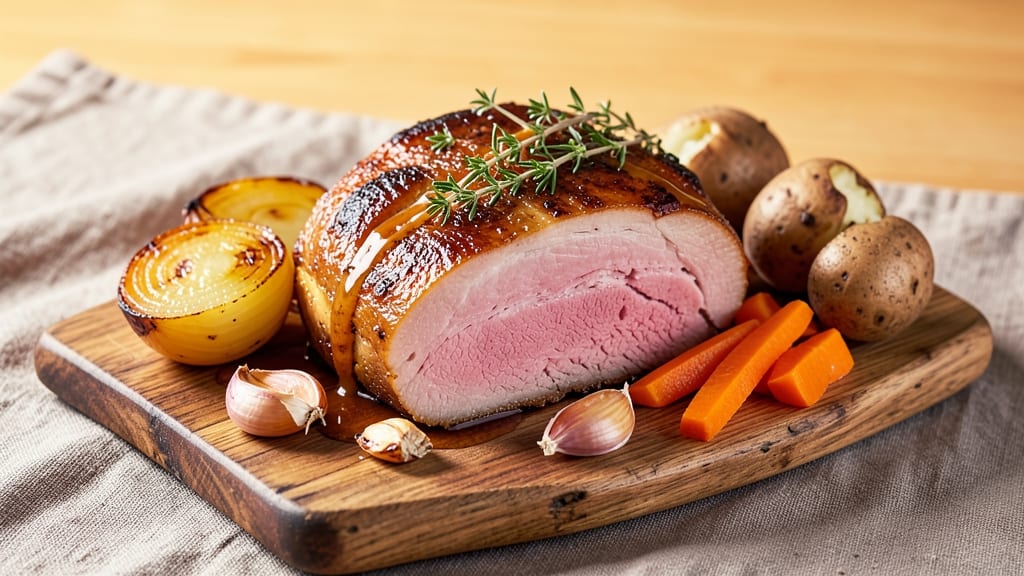
Boneless pork roast with vegetables transforms a simple weeknight dinner into a restaurant-worthy meal with minimal effort. I developed this one-pan technique after years of perfecting pork roasts in Charleston kitchens, where tender meat meets caramelized roots and herbs in perfect harmony. The secret lies in slow-roasting at a precise temperature to ensure juicy pork while vegetables develop deep, sweet flavors.
This recipe delivers a foolproof method for achieving restaurant-quality results at home—no fancy equipment required. A simple herb rub infuses the pork with savory depth, while root vegetables roast alongside, absorbing the meat's natural juices.
The entire dish comes together in one pan, making cleanup effortless while maximizing flavor through cross-contamination.
What you'll end up with is tender, golden-brown pork that practically falls apart, paired with caramelized vegetables that balance sweetness and earthiness. The aromas alone—garlic, thyme, and roasting pork—will have everyone gathered at your table before the timer even goes off.
Perfect for family dinners or meal prep, this dish proves that elegant meals don't require complicated techniques.
The best part? This method scales effortlessly—double the recipe for a crowd, or halve it for a quiet night in. The pork stays moist thanks to a simple oven-roasting trick I learned from Master Chef Chen, while the vegetables achieve that perfect crisp-tender texture.
Let's get started on a meal that feels like a celebration every time.
Ingredients for boneless pork roast with vegetables
Restaurant-quality pork and caramelized roots—just 13 ingredients, one pan, and pure flavor harmony.
| Ingredient | Amount | Notes |
|---|---|---|
| Boneless Pork Roast 🐖 | 2 ½ lb | Center-cut for even cooking |
| Yellow Onions 🧅 | 2 whole | Sliced into wedges |
| Carrots 🥕 | 1 ½ lb | Whole, scrubbed, trimmed |
| Russet Potatoes 🥔 | 2 lb | Cut into 2-inch chunks |
| Garlic Cloves 🧄 | 6 cloves | Smashed, skin-on |
| Fresh Thyme 🌿 | ½ ounce | Stems removed, leaves only |
| Fresh Rosemary 🌿 | ¼ ounce | Needles only, chopped |
| Olive Oil 🫒 | ⅓ cup | Extra-virgin for richness |
| Kosher Salt 🧂 | 1 ½ tsp | Diamond Crystal preferred |
| Ground Black Pepper 🌶️ | 1 tsp | Freshly cracked |
| Honey 🍯 | 1 tbsp | For glaze finish |
| Apple Cider Vinegar 🍏 | 1 tbsp | For depth of flavor |
| Fresh Parsley 🌿 | ¼ cup | Chopped for garnish |
The pork cut matters most here. Center-cut boneless pork delivers the perfect balance of tenderness and flavor—shoulder or loin are ideal. I always source mine from Whole Foods or my local butcher, where they can trim it precisely. Look for good marbling—those little white streaks mean juicier meat. For the vegetables, organic russets from Trader Joe's stay firm longest while roasting. Carrots should be vibrant orange, not dull, and potatoes should feel heavy for their size—signs of freshness. The herbs? Fresh is non-negotiable—dried just won't cut it for this dish's aromatic punch.
No center-cut pork? Shoulder roast works too, but trim excess fat first. Subbing honey? Maple syrup gives similar depth, though with a slightly different finish. Fresh thyme unavailable? Dried at one-third the amount will work, but toast it first in a dry pan for 30 seconds to wake up the flavor. The potatoes can be Yukon Golds instead of russets—they'll be creamier but still hold their shape. For the vinegar, balsamic works too, but cider adds that perfect tang. And if you're prepping ahead, par-cook the vegetables 10 minutes before adding the pork to speed up dinner time.
This dish tastes even better the next day—reheats perfectly in a 350°F oven for 10 minutes. Store leftovers in an airtight container for 4-5 days, or freeze portions for up to 3 months. The pork stays juicy when reheated thanks to the slow-roasting method. I always make extra because it disappears fast—double the recipe for a crowd, then portion into containers for easy lunches. The vegetables can be roasted separately ahead of time and reheated with the pork to save time on busy nights.
Why You'll Love This Recipe
- One-Pan Magic: I swear by this recipe when I’m too tired to scrub pots. Toss everything—pork, onions, carrots, potatoes—onto a sheet pan, drizzle with oil, and let the oven do the work. (Yes, even on a Tuesday night.)
- Garlic-Pork Bliss: That crispy, caramelized edge on the pork? It’s all thanks to the garlic and onions roasting together. The potatoes get tender but never mushy, and the carrots stay sweet—like a hug in every bite.
- Weeknight Workhorse: I make this for game nights, lazy Sundays, or when my kids’ friends are over. Double the batch, and you’ve got leftovers for lunch that’ll fool anyone into thinking you slaved over them.
- Budget-Friendly Feast: A single pork roast stretches across meals, and the veggies are cheap staples. Honestly, it’s the kind of dish that makes grocery day feel like a win—without sacrificing flavor.
Step-by-step instructions for one-pan herb & root roast
This method transforms simple ingredients into a showstopping centerpiece with minimal effort.
Prepare the Pork and Vegetables for Even Cooking
Pat the 2.5 lb boneless pork roast completely dry with paper towels—this is non-negotiable for crispy skin. Season both sides generously with 1.5 teaspoons kosher salt and 1 teaspoon ground black pepper, pressing the spices into the meat so they adhere. Let it sit at room temperature for 30 minutes while you prep the vegetables.
For the vegetables, peel and trim the 1.5 lb carrots, leaving them whole but scrubbed clean. Cut the 2 lb russet potatoes into 2-inch chunks—this size ensures they cook through without falling apart. Slice the 2 whole yellow onions into wedges, leaving the root intact so they hold their shape. Smash the 6 garlic cloves skin-on with the flat side of your knife to release their aroma without breaking them apart.
Build Flavor Layers in the Roasting Pan
Preheat your oven to 400°F while you work. In a large Dutch oven or heavy roasting pan, combine the 0.33 cup olive oil, 0.5 ounce fresh thyme leaves, 0.25 ounce chopped fresh rosemary, 1 tablespoon apple cider vinegar, and 1 tablespoon honey. Stir to emulsify the oil and aromatics—this creates a fragrant base that coats every bite.
Add the prepared vegetables to the pan, tossing gently to coat them in the oil mixture. Arrange them in a single layer, leaving space between pieces so they brown rather than steam. The onions and potatoes should form a loose ring around the edges, with carrots nestled in the center. Place the seasoned pork roast in the center of the pan, surrounded by the vegetables.
Roast Until Caramelized and Tender
Transfer the pan to the preheated oven and roast for 45 minutes, uncovered. After 30 minutes, flip the pork roast over and spoon the accumulated pan juices over the vegetables—this basting ensures maximum flavor transfer. The vegetables should begin to soften and develop golden edges by this point.
Reduce the oven temperature to 350°F and continue roasting for an additional 1 hour to 1 hour 15 minutes, or until the pork reaches an internal temperature of 145°F when measured with an instant-read thermometer. The vegetables should be fork-tender with caramelized edges—if they're not quite there, tent with foil and roast another 15 minutes.
Rest and Garnish for Maximum Impact
Remove the pork roast from the pan and let it rest on a cutting board for 10-15 minutes before slicing. This resting period allows the juices to redistribute, preventing them from pooling on your plate. Meanwhile, spoon the vegetables onto a serving platter, arranging them artfully around the sliced pork.
Drizzle the pan juices over everything and garnish with the 0.25 cup chopped fresh parsley. The finished dish should showcase deep caramelization on the vegetables, a golden-brown crust on the pork, and a glossy sheen from the honey-vinegar glaze. Serve immediately with crusty bread to soak up every last drop of that herb-infused sauce.
Pro Tips For Making Boneless Pork Roast With Vegetables
- Trim Those Potatoes: Cut your Russets into even 1.5-inch chunks—no smaller, no larger. I learned this the hard way when my potatoes turned mushy on the outside while staying raw inside. Uniform size means even cooking, and that’s non-negotiable for a dish where every bite should feel perfect.
- Sear the Pork First: Hit that boneless pork roast with high heat for 3-4 minutes per side before adding liquids. After burning three batches of bland roast, I finally understood—this crust locks in flavor and keeps the meat juicy. Don’t skip it, even if you’re impatient like me.
- Par-Cook the Onions: Slice your yellow onions into ¼-inch rings and soften them in a separate pan with a splash of water for 5 minutes before adding them to the roast. This prevents them from turning to mush later—my grandmother swore by this, and she was right.
- Use a Meat Thermometer: Pull the pork at 145°F (it’ll rise to 150°F while resting). I used to guess, and my roast was either dry or undercooked. A cheap thermometer saves you from both fumbles and food waste—trust the numbers, not your eye.
Flavor customization for this recipe
Sweet & Smoky Glaze
Swap the honey for 2 tablespoons of maple syrup and add 1 teaspoon smoked paprika to the herb mixture for a Carolina-inspired twist. Brush the pork with this glaze during the final 15 minutes of cooking for a sticky, caramelized finish.
I learned this technique from my time on the Southeast BBQ circuit—it adds depth that surprises everyone. 🔥
Herb-Intense Variations
For a Mediterranean flair, swap thyme and rosemary for 1 tablespoon dried oregano and 1 teaspoon crushed fennel seeds. Add 1 sliced lemon to the pan for brightness. For a French bistro touch, use 1 tablespoon Dijon mustard instead of vinegar and add 2 sprigs fresh tarragon.
Both versions keep the same roasting method but transform the flavor profile completely.
Spicy Kick Options
Add 1 teaspoon cayenne pepper to the pork rub for heat, or mix 1 tablespoon gochujang with the honey for a Korean-inspired sweet-spicy glaze. For a smoky heat combo, include ½ teaspoon ground chipotle powder in the herb mixture.
I often serve these spicy versions with extra fresh parsley to balance the flavors and cool the palate.
Vegetable Swaps
Replace russet potatoes with 2 lb butternut squash cubes for a fall variation—roast them uncovered for 10 minutes longer to caramelize. Swap carrots for 1 lb Brussels sprouts (halved) and add ½ teaspoon cinnamon to the pork rub.
For a lighter option, use 2 lb zucchini halves and reduce roasting time by 15 minutes—they cook faster than potatoes.
Cheesy Finish
Sprinkle ½ cup grated Gruyère cheese over the vegetables during the final 10 minutes of roasting. The cheese melts beautifully, creating a rich sauce that coats everything. For a Southern touch, use ½ cup sharp cheddar and add 1 teaspoon hot sauce to the pork rub.
This variation feels indulgent but still maintains the dish's balance of flavors.
Make-Ahead Flavor Boost
Marinate the pork overnight in ½ cup buttermilk mixed with 1 tablespoon apple cider vinegar and 1 teaspoon garlic powder. This tenderizes the meat and adds tangy depth.
For the vegetables, toss them in 1 tablespoon olive oil and ½ teaspoon salt up to 24 hours ahead—store in an airtight container in the fridge. The flavors meld beautifully when combined fresh from the fridge. ✨
Nutrition facts
Frequently asked questions
Can I use bone-in pork instead of boneless?
Yes, but you'll need to adjust cooking times and techniques. Bone-in cuts like pork shoulder require 1.5-2 hours longer at 325°F to reach 145°F internal temp. The bone helps retain moisture, but you'll need to cover with foil after 1 hour to prevent over-browning. For best results, ask your butcher to trim excess fat first.
How do I know when the pork is fully cooked?
Use a meat thermometer to check the thickest part of the roast—it should read 145°F when removed from the oven. The vegetables are done when they're fork-tender with caramelized edges. If the pork finishes before the vegetables, tent them with foil and return to the oven for 10-15 minutes.
Can I make this recipe in a slow cooker?
Sear the pork first, then place it in the slow cooker with all vegetables and seasonings. Cook on low for 6-7 hours or high for 3-4 hours. The pork will be fork-tender but less crispy. For extra flavor, add ½ cup chicken broth to the pan before cooking to create a sauce.
What if my vegetables burn before the pork is done?
This happens when they're too close to the heat source. Move the pan to the middle rack and tent loosely with foil. For next time, arrange vegetables in a single layer with space between them, and place the pork in the center to shield them. If they're already overcooked, remove them and finish separately in a separate pan.
How can I add extra protein without changing the recipe?
Add 1 lb baby potatoes (halved) or 1 lb mushrooms (whole) to the pan—they'll cook alongside the vegetables. For meat lovers, place 1 lb chicken thighs on the edges of the pan. Just reduce the roasting time by 15 minutes for chicken to prevent overcooking.