
Main Courses
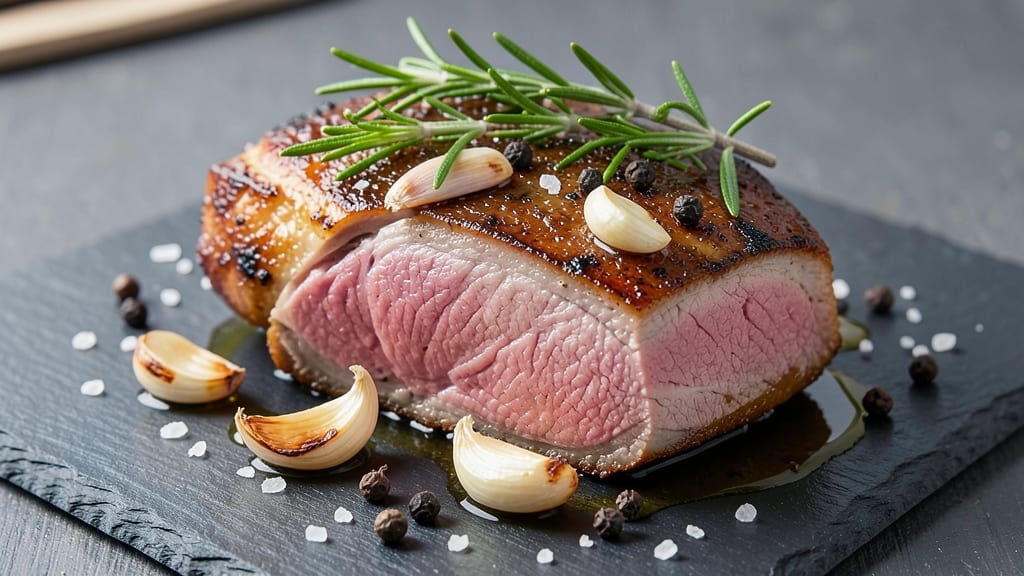
This boneless pork sirloin roast recipe delivers restaurant-quality grill results without the bone—juicy, tender, and packed with smoky flavor. 🔥 As a pitmaster who's spent years perfecting grilled pork, I'll show you how to achieve perfect doneness every time, from the right marinade to mastering indirect heat. The secret lies in controlling temperature and moisture, so you get that melt-in-your-mouth texture without drying it out.
What sets this recipe apart is the balance between direct and indirect grilling—searing the roast over hot coals first creates that beautiful char, while the indirect method ensures even cooking to 145°F internally.
I recommend a simple marinade of olive oil, garlic, and rosemary to enhance natural flavors, but the real magic happens on the grill. The resting period is just as critical as the cooking time, allowing juices to redistribute for maximum tenderness.
By the time you're done, you'll have a perfectly grilled pork roast with a caramelized crust and juicy pink centers—no bone to complicate slicing. This cut is versatile enough for weeknight dinners or special occasions, and pairs beautifully with grilled vegetables, roasted potatoes, or a fresh garden salad.
The technique works equally well on charcoal or gas grills, making it adaptable to any outdoor setup.
Trust me, once you master this method, you'll never buy pre-cooked pork again. The key is patience and precision—letting the grill do the work while you focus on timing and temperature. Let's get started on creating your most impressive grilled pork roast yet.
Ingredients for boneless pork sirloin roast recipe grill
Pitmaster-approved ingredients for juicy, bone-free pork roast that rivals restaurant quality.
| Ingredient | Amount | Notes |
|---|---|---|
| Boneless Pork Sirloin Roast 🥩 | 3 lb | Center-cut for even cooking |
| Extra-Virgin Olive Oil 🫒 | ¼ cup | For marinade and searing |
| Garlic Cloves 🧄 | 6 cloves | Minced for marinade |
| Fresh Rosemary 🌿 | ¼ cup | Chopped, stems removed |
| Kosher Salt 🧂 | 1 ½ tbsp | Diamond Crystal preferred |
| Ground Black Pepper 🌶️ | 1 tbsp | Freshly ground |
| Smoked Paprika 🌶️ | 1 tsp | For smoky depth |
| Wooden Skewers 🪵 | 4 whole | Soaked in water 30 mins |
| Charcoal or Wood Chunks 🔥 | 2 lb | Cherry or hickory preferred |
| Yellow Onion 🧅 | 1 whole | Quartered for serving |
| Fresh Parsley 🌿 | ⅛ cup | Chopped for garnish |
| Lemon Wedges 🍋 | 2 whole | For serving |
| Balsamic Glaze 🍷 | ¼ cup | For drizzling |
The pork cut is everything here—center-cut boneless sirloin delivers that perfect balance of tenderness and flavor. Costco or local butchers are your best bets for quality, but any grocery store's pre-trimmed roast works in a pinch. Look for good marbling—those little white streaks mean juicier meat. I always ask for it to be trimmed of surface fat (but leave some marbling intact) so it sears better. Fresh rosemary? Trader Joe's has the best bundles, but any bright green sprig will do—just avoid the woody stems. The olive oil should be extra-virgin with a peppery finish—California Olive Ranch is my go-to, but any high-quality bottle works.
No fresh rosemary? Dried works at one-third the amount, but fresh has that piney aroma that's non-negotiable for grill flavor. Running low on smoked paprika? Substitute half the amount of regular paprika plus a pinch of liquid smoke—it's a game-changer. The balsamic glaze can be store-bought (check the ingredients for no added sugar), or make your own by simmering balsamic vinegar until thickened. For the grill, charcoal gives the best flavor—if you're using gas, add wood chunks to the coals for that smoky touch. The skewers are just for securing the onion quarters during grilling, but soaking them prevents burning.
Pork rests best at room temp for 20-30 minutes before grilling—take it out of the fridge while you prep everything else. The marinade keeps for 3 days in the fridge, but the pork itself should go straight from fridge to grill (no thawing needed). Leftovers? 3-4 days in the fridge or 2 months frozen—slice against the grain for perfect texture. I always make extra because it reheats beautifully for sandwiches the next day. The balsamic glaze? Store it in a sealed jar for up to 6 months—it's perfect for drizzling on grilled veggies too.
Why You'll Love This Recipe
- Grill in 15 Minutes: I swear, this roast hits the grill faster than I can light the coals. Just rub that pork with olive oil, crushed garlic, and rosemary—no marinating, no fuss—then let the heat work its magic while you toss a salad or fire up the side dishes.
- Garlic-Rosemary Magic: That crispy, caramelized crust? Pure satisfaction. The garlic and rosemary cling to the meat like a hug, turning every bite into something that tastes like it simmered for hours—not just 20 minutes on the grill.
- Weeknight Wonder: Between us, this is my secret weapon for busy nights. Double the recipe, grill once, and you’ve got Monday’s lunch and Tuesday’s dinner covered. (Yes, even on a Tuesday night.)
- Budget-Friendly Feast: A single roast feeds four for under $12, and the leftovers? I repurpose them into sandwiches, tacos, or a quick stir-fry—no waste, just flavor. Honestly, it’s the kind of meal that makes grocery day feel like a win.
Step-by-step instructions for grill-mastered pork sirloin roast
Here's how to transform that pork roast into restaurant-quality grill perfection.
🍳 Step 1: Create the Herb Marinade and Season
In a bowl, combine the 0.25 cup extra-virgin olive oil, 6 minced garlic cloves, 0.25 cup chopped fresh rosemary, 1.5 tbsp kosher salt, 1 tbsp ground black pepper, and 1 tsp smoked paprika. Mix until the rosemary is evenly distributed and the oil takes on a vibrant green hue.
Pat the 3 lb boneless pork sirloin roast dry with paper towels—this helps the marinade stick and creates that coveted crispy exterior. Rub the marinade all over the roast, pressing it into the meat so every inch gets flavor. I like to use my hands for this part, massaging the marinade into the surface. Cover and refrigerate for at least 4 hours or overnight for maximum flavor penetration.
🔥 Step 2: Prepare the Grill for Indirect Heat
Soak the 4 wooden skewers in water for 30 minutes while you prep the grill. This prevents them from burning when we use them later. Set up your grill for indirect heat—this means pushing all the 2 lb charcoal or wood chunks to one side and leaving the other side empty. Light the charcoal and let it burn until covered with white ash, about 15-20 minutes.
Spread the hot coals evenly on one side of the grill. The goal is to create a 350-375°F zone on the empty side where we'll cook the roast. You can test the temperature with an instant-read thermometer—it should read hot but not scorching. Keep the lid closed while the grill heats up to maintain that perfect temperature range.
👨🍳 Step 3: Grill the Pork Roast with Precision
Place the marinated pork roast on the cooler side of the grill, away from direct heat. Close the lid and cook for 45-50 minutes, turning occasionally to ensure even browning. You'll know it's ready when the internal temperature reaches 145°F at the thickest part—use a meat thermometer for accuracy. The outside should develop a beautiful golden-brown crust with grill marks.
Here's the thing—don't rush this step. The indirect heat allows the roast to cook through gently while developing that perfect sear. If you see the outside browning too quickly, move it back from the heat source. The goal is juicy meat with flavorful bark, not charred exterior.
🥘 Step 4: Rest and Assemble for Serving
Transfer the pork roast to a cutting board and let it rest for 15-20 minutes. This resting period is crucial—it allows the juices to redistribute throughout the meat so every slice stays moist. While it rests, quarter the 1 whole yellow onion and arrange it on a serving platter.
Slice the pork roast against the grain into ½-inch thick slices and arrange them over the onions. Drizzle with 0.25 cup balsamic glaze and sprinkle with 0.125 cup chopped fresh parsley. Serve with the 2 lemon wedges on the side for a bright, tangy contrast to the rich pork. The glaze adds a sweet-tart finish that ties everything together beautifully.
🍽️ Step 5: Garnish and Serve with Confidence
Just before serving, give everything a final sprinkle of freshly cracked black pepper. The aroma alone will have your guests anticipating that first bite. The pork should be tender enough to pull apart with a fork but still hold its shape when sliced. Each piece should be juicy with a flavorful crust, and the balsamic glaze should glisten on top.
This isn't just pork—it's a showstopper centerpiece that proves you don't need a bone to create a memorable grill masterpiece. The rosemary and garlic marinade infuse the meat with aromatic depth, while the grill imparts that unmistakable smoky character. Serve with crusty bread to soak up any extra juices or a simple green salad to balance the rich flavors.
Pro Tips For Making Boneless Pork Sirloin Roast Recipe Grill
- SEAR FIRST, THEN GRILL: I learned this the hard way—grilling boneless pork sirloin roast directly on the grill too early turns it into a sad, gray slab. Instead, sear it in a hot skillet or grill pan with olive oil for 2-3 minutes per side until deeply browned before moving it to the grill. That crust locks in flavor and keeps the meat juicy.
- SMASH THOSE GARLIC CLOVES: Don’t just toss whole garlic on the grill—it’ll burn before the pork cooks. Mince or crush the cloves with the flat side of your knife, then mix them into the olive oil before brushing it on the meat. This way, the garlic infuses the oil and caramelizes with the pork, not just sit there as a bitter afterthought.
- SALT BEFORE THE GRILL HITS: I used to salt the pork after it went on the grill, and the seasoning would just flake off into the flames. Instead, salt the roast at least 30 minutes before grilling—let it sit at room temperature while you fire up the grill. The salt will penetrate the surface, and the meat won’t dry out as fast.
- USE A MEAT THERMOMETER (YES, REALLY): Boneless pork sirloin can go from perfect to overdone faster than you can say “medium-rare.” Pull it off the grill at 140°F—it’ll rise to 145°F while resting, which is the USDA safe minimum. No thermometer? Cut into the thickest part—if it’s slightly pink and juices run clear, you’re golden. If it’s gray and dry, you’ve just made pork jerky by accident.
Flavor customization for this recipe
Smoky-Sweet Glaze
Swap the balsamic glaze for a homemade honey-mustard sauce by combining ¼ cup Dijon mustard, ¼ cup honey, 1 tbsp apple cider vinegar, and 1 tsp smoked paprika. Simmer for 5 minutes until thickened, then brush over the roast during the last 10 minutes of grilling.
The caramelized crust pairs perfectly with the tangy-sweet glaze. I love this when serving to kids or guests who prefer milder flavors. 🍯
Spicy Chipotle Rub
For a kick of heat, replace the marinade with a dry rub of 1 tbsp smoked paprika, 1 tsp chipotle powder, 1 tsp garlic powder, 1 tsp onion powder, and ½ tsp cayenne pepper.
Mix with 1 tbsp olive oil and coat the roast thoroughly. Grill as directed, then finish with a squeeze of lime. This version is perfect for tacos or nachos later in the week. 🌶️
Herb-Infused Butter Baste
Melt ¼ cup unsalted butter with 2 tbsp chopped thyme, 2 tbsp chopped sage, and 2 garlic cloves in a small saucepan. Baste the roast with this aromatic butter during the last 15 minutes of grilling.
The butter creates a golden crust while infusing rich herbal notes. I find this works especially well on gas grills where smoke flavor might be limited. 🧈
Citrus-Garlic Marinade
Brighten the marinade by adding 2 tbsp fresh orange juice, 1 tbsp grated orange zest, and 1 tbsp lemon juice to the original recipe. The citrus cuts through the richness while adding a refreshing brightness.
Grill as usual, then garnish with extra zest. This variation shines during spring or summer gatherings when fresh citrus is abundant. 🍋
Caramelized Onion Topping
Grill the quartered onions until caramelized (about 10-12 minutes on the hot side of the grill). Arrange them on a platter before adding the sliced pork. The sweet onions complement the savory meat beautifully.
For extra drama, drizzle with a little balsamic glaze before serving. This technique adds a restaurant-worthy presentation with minimal effort. 🧅
Wine Reduction Sauce
Deglaze the grill grates with ½ cup dry red wine after removing the pork. Simmer the wine with 1 tbsp butter and 1 tsp rosemary until reduced by half. Spoon this rich sauce over the sliced pork before serving.
The wine adds depth while balancing the meat's richness. I recommend a bold Cabernet Sauvignon for the best flavor. 🍷
Nutrition facts
Frequently asked questions
Why does the recipe specify boneless pork sirloin?
The boneless cut eliminates the bone's barrier, allowing even heat penetration and perfect slicing every time. It also cooks faster than bone-in cuts, making it ideal for grilling. The sirloin's leaner profile benefits from the marinade's moisture while still delivering bold flavor.
Can I grill this on a gas grill instead of charcoal?
For gas grills, preheat to medium-high (375°F) and use the two-zone method. Place wood chunks on one side for smoky flavor. The indirect heat principle remains the same—just monitor temperature closely since gas flames can fluctuate more than charcoal.
What if my pork roast doesn't reach 145°F internally?
If the center stays below 145°F after 50 minutes, move it back to indirect heat and cook another 10-15 minutes. Never rush—pork must hit this temperature for safety. For thicker cuts, consider starting at 350°F instead of 375°F to ensure even cooking.
How do I prevent the roast from drying out?
Keep the grill lid closed to maintain moisture, and avoid opening it frequently. The marinade and resting period are key—both help retain juices. For extra insurance, spritz the roast with apple cider vinegar every 15 minutes during grilling to create a steam barrier.
Can I use this recipe for smaller portions?
Yes! Scale the recipe down proportionally—use a 1.5 lb roast and halve all other ingredients. Grill time will be about 30-35 minutes total. The same marinade and technique work perfectly, just adjust cooking time based on thickness (aim for 145°F internally).