
Main Courses
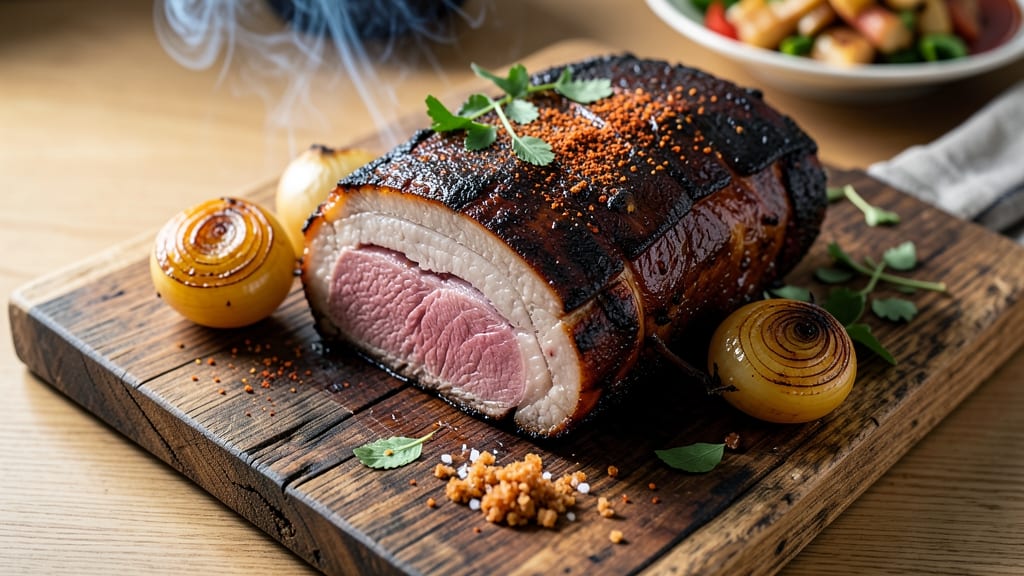
Boston butt pork roast on the smoker transforms a simple cut into a showstopping centerpiece that demands seconds. 🔥 I've spent years perfecting this technique—where precise temperature control meets bold wood smoke—to create meat so tender it falls apart at the touch, yet holds its shape beautifully when sliced. The key isn't just time; it's the methodical sear that locks in those deep, smoky flavors while keeping the interior juicy and rich.
This isn't your average pulled pork—we're talking about a clockwork sear that creates a crust so flavorful it sings, while the interior remains melt-in-your-mouth tender.
Start with a proper brine to ensure moisture, then apply a dry rub that balances sweet, spicy, and smoky notes before hitting the smoker at 225°F with hickory or cherry wood. The magic happens in the slow cook, where patience pays off in layers of flavor that build throughout.
By the time you're ready to serve, you'll have a pork roast that's so rich and flavorful it practically serves itself.
The bark will be dark and crackling, the meat will pull apart with just a touch, and every slice will release that perfect balance of smoky, sweet, and savory goodness. This is the kind of pork that makes your whole house smell like a BBQ competition—without the competition.
Serve it sliced thick over buttered mashed potatoes, alongside tangy coleslaw, and with a side of pickled jalapeños for that perfect bite. The leftovers? Even better the next day, when the flavors have had time to meld and deepen.
Let's get smoking—this is the kind of pork roast that turns weeknight dinners into special occasions.
Ingredients for boston butt pork roast smoker
Six ingredients for the brine, eight for the rub—plus wood chips that'll make your house smell like BBQ heaven.
| Ingredient | Amount | Notes |
|---|---|---|
| Boston Butt Pork Roast 🥩 | 8 lb | Bone-in preferred for flavor |
| Yellow Onions 🧅 | 2 whole | Sliced for brine |
| Granulated Sugar 🍚 | 1 cup | For brine sweetness |
| Kosher Salt 🧂 | 1 cup | Diamond Crystal preferred |
| Brown Sugar 🍯 | ½ cup | Packed for dry rub |
| Smoked Paprika 🌶️ | 2 tbsp | For deep smoky flavor |
| Garlic Powder 🧄 | 1 tbsp | Freshly ground preferred |
| Ground Black Pepper 🌶️ | 1 tbsp | Freshly cracked |
| Onion Powder 🧅 | 1 tbsp | Enhances rub depth |
| Mustard Powder 🍯 | 1 tsp | For tangy kick |
| Hickory Wood Chips 🌳 | 2 cups | Or cherry wood for fruitiness |
| Apple Cider Vinegar 🍎 | ¼ cup | For brine tang |
| Butter 🧈 | ½ cup | Unsalted, softened for sear |
| Fresh Thyme Leaves 🌿 | ¼ cup | Or 1 tbsp dried |
The pork cut matters most—bone-in Boston butt delivers that perfect balance of flavor and moisture. Grab the thickest end (usually 3-4 inches) for a showstopping presentation. I always pick up mine from Costco or Whole Foods—look for good marbling and a vibrant pink color. If you're buying a whole butt, ask the butcher to trim it to 8 lbs for even cooking. Pro tip: Pat it dry before brining—this helps the rub stick better later. The onions? Yellow onions work best for brining—they're milder and sweeter than red.
No hickory wood chips? Cherry or pecan will give you that sweet, fruity smoke. Running low on brown sugar? White sugar works in a pinch, but the molasses notes from brown sugar are what make this rub sing. The mustard powder might seem odd, but trust me on the half teaspoon—it cuts through the richness and adds that subtle tang. For the brine, I use Diamond Crystal salt because it dissolves perfectly, but any kosher salt works. Fresh thyme is ideal, but dried works at one-third the amount. And if you're prepping ahead, the dry rub can be mixed up to 2 weeks early and stored in an airtight container.
This pork is a 3-day project—brine overnight, smoke for 12-16 hours, then rest before serving. The leftovers? Even better the next day when all those flavors meld together. Store in the fridge for 4-5 days or freeze for up to 3 months—just reheat with a splash of water or broth. I always wrap the leftovers in foil with a little extra butter and reheat in the oven at 300°F until warm. The bark gets crispier this way, and it tastes like it just came off the smoker.
Why You'll Love This Recipe
- Smoke in Minutes: I swear, this takes less time than waiting for a pizza delivery. Toss the pork on the smoker, sprinkle the onions and sugar mix, and walk away—no babysitting required.
- Sweet-Savory Magic: That caramelized sugar crust? It’s the secret weapon. The brown sugar and onions create this sticky, smoky-sweet glaze that turns plain pork into something you’ll fight over at the table.
- Budget-Busting Crowd-Pleaser: A whole Boston butt feeds 10 for less than $20. Honestly, it’s the most efficient way to feed a house full of people without breaking the bank or stressing over sides.
Step-by-step instructions for Boston butt pork roast smoker magic
Here's how to transform a tough cut into fall-apart tender perfection with smoky layers.
🔥 Step 1: Create the Brine for Unmatched Tenderness
In a large stockpot, combine 7 quarts cold water, the 2 whole yellow onions (sliced), 1 cup granulated sugar, 1 cup kosher salt, and 0.25 cup apple cider vinegar. Stir until the sugar and salt fully dissolve. The brine should taste like strong seawater with a hint of sweetness.
Place the 8 lb Boston butt pork roast in a large zip-top bag and submerge it completely in the brine. Seal the bag tightly, pressing out all air, then refrigerate for 12-24 hours. This long soak ensures every inch of meat becomes fork-tender while developing deep flavor. I like to flip the bag occasionally so the meat brines evenly all around.
👨🍳 Step 2: Build the Ultimate Dry Rub
In a large bowl, mix together 0.5 cup brown sugar, 2 tbsp smoked paprika, 1 tbsp garlic powder, 1 tbsp ground black pepper, 1 tbsp onion powder, and 1 tsp mustard powder. The combination of sweet, smoky, and tangy spices creates a complex flavor profile that's hard to beat.
Remove the brined pork from the refrigerator and pat it completely dry with paper towels. This step is crucial—any moisture left on the surface will prevent the rub from sticking properly. Generously coat all sides of the pork with the dry rub, pressing it into the meat so it adheres well. Let it sit uncovered on a wire rack in the refrigerator for 1 hour to allow the rub to develop its flavors.
🔥 Step 3: Set Up Your Smoker for Low-and-Slow Perfection
Soak the 2 cups hickory wood chips in water for 30 minutes before using. Set up your smoker and maintain a temperature of 225°F. You'll know it's ready when you see clean, blue smoke (not thick white steam). Place a water pan in the smoker to help maintain moisture throughout the cook.
When the smoker reaches temperature, place the rubbed pork roast fat-side up on the grill grates. The fat will render down and baste the meat as it cooks, creating that beautiful bark we're after. Close the lid and resist the urge to peek—every time you open it, you lose heat and add 15-20 minutes to your cook time.
⏰ Step 4: Smoke Until Probe-Tender with the Stall Technique
Smoke the pork for 6-8 hours until the internal temperature reaches 165-170°F. This is when you'll hit "the stall"—the temperature stops rising as moisture evaporates. Don't panic; this is normal and expected with pork shoulder.
At this point, wrap the pork tightly in butcher paper (not foil—paper breathes better). Return it to the smoker and continue cooking until the internal temperature reaches 195-203°F and a meat probe slides in like butter with no resistance. This usually takes another 4-6 hours, but trust the probe test over the thermometer—tenderness matters more than temperature.
🍳 Step 5: Finish with a Clockwork Sear and Rest
Remove the pork from the smoker and let it rest for 15 minutes before unwrapping. While it rests, heat a cast-iron skillet over medium-high heat and add the 0.5 cup softened butter. When the butter foams, add the 0.25 cup fresh thyme leaves and cook for 30 seconds until fragrant.
Unwrap the pork and sear it in the thyme butter for 2 minutes per side until golden brown. This final sear creates a beautiful crust that locks in all those juices we've worked so hard to develop. Let the pork rest for another 15 minutes before slicing against the grain into ½-inch thick slices. Serve immediately with the pan juices spooned over the top.
Pro Tips For Making Boston Butt Pork Roast Smoker
- Trim the Fat Cap: Slice off that thick layer of fat on top of the butt before smoking—it’ll render down into grease instead of steam, which keeps the meat dry. I used to leave it, and my first few attempts ended up greasy on the outside and tough on the inside.
- Use Two Rubs: Apply half the salt-sugar mix (kosher salt + brown sugar) right after trimming, then let it sit uncovered in the fridge for 4–6 hours. Add the rest right before smoking—this locks in moisture without making the crust soggy. Yes, it feels like overkill, but it works every time.
- Slice Onions Thin: Cut those yellow onions into ⅛-inch slices, not chunks—thin layers caramelize faster and won’t turn to mush when they hit the smoker. I once used thick rings, and by the end, they were just sad, watery circles.
- Wrap at 165°F: Don’t wait until 195°F to wrap the butt in foil with onions and sugar—hit 165°F first, then wrap. This keeps the bark crispy while letting the meat rest through the stall. I learned this after one pull-apart that was all crust, no tenderness.
Best sauces and condiments for this boston butt pork roast smoker
Classic BBQ Sauce
My go-to for this pork is a homemade tomato-based BBQ sauce with a touch of molasses and apple cider vinegar.
Start with 2 cups ketchup, 1 cup apple cider vinegar, ½ cup molasses, ¼ cup brown sugar, 2 tbsp smoked paprika, 1 tbsp garlic powder, and 1 tbsp onion powder.
Simmer for 20 minutes until thickened, then brush on during the last 30 minutes of smoking. The sweetness complements the smoky rub perfectly. 🍯
Spicy Mustard Glaze
For a tangy kick, try a Dijon mustard glaze made with ½ cup Dijon mustard, ¼ cup apple cider vinegar, 2 tbsp honey, and 1 tbsp smoked salt. Whisk until smooth and brush on during the final 1-2 hours of cooking.
The mustard cuts through the richness while adding a bold, briny depth that pairs beautifully with the smoky bark. I love this for guests who enjoy a little heat without overwhelming the pork's natural flavors.
Brown Sugar Butter Baste
For a simple but elegant finish, melt ½ cup unsalted butter with ¼ cup packed brown sugar and 1 tbsp apple cider vinegar. Brush this mixture over the pork during the last 2 hours of smoking.
The butter bastes the meat while the brown sugar caramelizes, creating a glossy, sweet-savory crust. This technique is my secret weapon for keeping the pork moist and adding extra depth of flavor without extra effort.
Honey Chipotle Sauce
If you want to add some smoky heat, mix ½ cup honey, 2 tbsp chipotle powder, 1 tbsp apple cider vinegar, and 1 tbsp olive oil. Simmer for 10 minutes until slightly thickened, then brush on during the last 1 hour of smoking.
The honey adds a subtle sweetness while the chipotle brings a slow-building heat that enhances the smoky profile. This sauce is especially great if you're serving the pork with cool sides like coleslaw or pickled vegetables.
Apple Cider Reduction
For a fruity, tangy contrast, reduce 2 cups apple cider with ¼ cup balsamic vinegar and 2 tbsp brown sugar until syrupy. Brush this reduction over the pork during the final 30 minutes of cooking. The acidity brightens the smoky flavors while adding a touch of complexity.
I often serve this with a side of roasted apples to complement the pork's rich, meaty profile. It's a perfect balance of sweet, tangy, and smoky flavors. 🍎
Nutrition facts
Frequently asked questions about smoked Boston butt pork roast
How do I know when the pork is fully cooked?
Use a meat thermometer to check the internal temperature—it should reach 195-203°F with a meat probe sliding in like butter. The stall (where temperature plateaus) is normal at 165°F, but don't wrap until after this point. For extra assurance, look for a deep brown crust and check the probe test between the bone and meat.
Can I use a different wood chip besides hickory?
Try cherry for a sweeter, fruitier smoke or pecan for a nutty depth. Avoid pine—it's too strong and can make the meat taste bitter. Mixing half hickory with half cherry creates a balanced flavor that works beautifully with the rub. Just soak all wood chips for 30 minutes before using.
What's the best way to slice smoked pork roast?
Always slice against the grain (perpendicular to the muscle fibers) for maximum tenderness. Use a sharp knife and cut into ½-inch thick slices. For even easier serving, slice into ½-inch cubes and toss with the pan juices. The grain runs from the bone outward, so look for the direction of the muscle fibers before cutting.
How far in advance can I prep the rub?
You can mix the dry rub up to 2 weeks ahead and store it in an airtight container. The flavors actually develop better over time! For the brine, use it within 24 hours of brining the meat. If you're short on time, a 4-hour brine still works, but the meat won't be quite as tender.
What if my smoker won't stay at 225°F?
Don't panic—this is common with electric smokers. Try adding extra wood chips or using a water pan to stabilize temps. If it fluctuates between 200-250°F, just adjust your cook time: add 15 minutes per 10°F below 225°F and subtract 10 minutes per 10°F above 225°F. The key is patience—low-and-slow is what creates that perfect texture.