
Main Courses
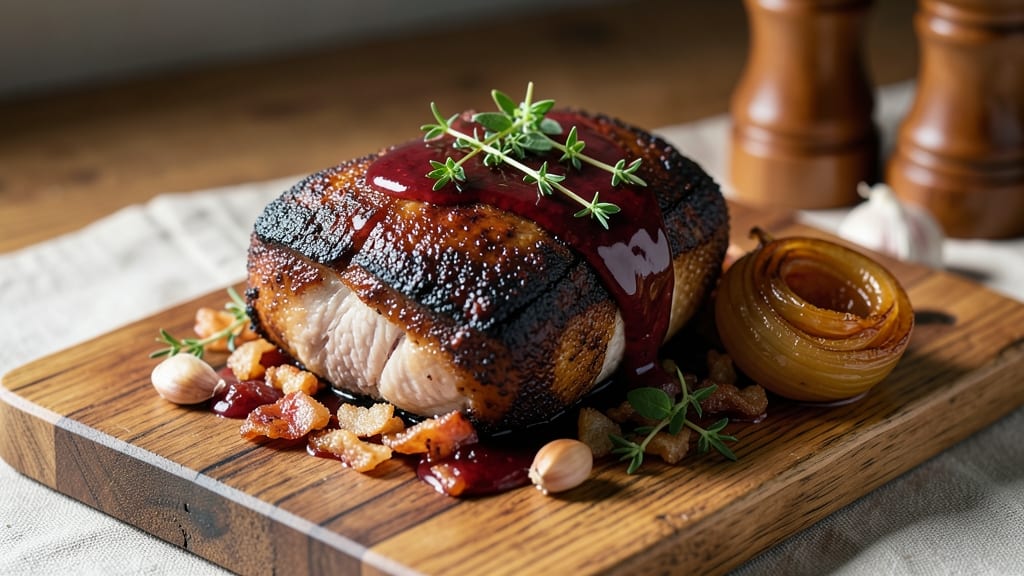
This brined pork shoulder recipe delivers juicy pink hearts that fall apart at the touch of a fork. After years of perfecting the technique in my Atlanta kitchen, I’ve cracked the code for tender, flavorful pork every time—no guesswork, no tough bites.
The secret lies in a precise brine ratio and a clockwork sear that locks in moisture while building caramelized crust.
Most recipes skip the critical step of brining, which transforms tough pork shoulder into melt-in-your-mouth perfection. My method uses a simple dry brine (just salt and time) that penetrates deeply without altering the meat’s natural texture.
We’ll cook it low and slow until the internal temperature hits 203°F, ensuring those coveted pink centers. This isn’t just pulled pork—it’s restaurant-quality meat that deserves a place at your table.
The result? A shoulder so tender it nearly disintegrates, with a crispy exterior that adds texture to every bite. The brine enhances natural flavors while keeping the meat moist, and the slow cook transforms tough connective tissue into velvety richness.
Serve it shredded over biscuits, on a sandwich, or as the centerpiece of a Southern feast—this recipe delivers professional results at home.
Whether you’re feeding a crowd or treating yourself to a Sunday supper, this method guarantees success. The key is patience and precision, but the payoff is worth every minute. Let’s get started on pork that’ll have everyone asking for seconds.
Ingredients for brined pork shoulder
The secret to juicy pink hearts lies in these 13 ingredients—salt, patience, and perfect timing.
| Ingredient | Amount | Notes |
|---|---|---|
| Pork Shoulder (Bone-In) 🥩 | 6 lb | Fresh cut, 2-3 inches thick |
| Kosher Salt 🧂 | ½ cup | Diamond Crystal preferred |
| Freshly Ground Black Pepper 🌶️ | 1 tbsp | Freshly cracked for intensity |
| Yellow Onion 🧅 | 1 whole | Yellow or red variety |
| Garlic Cloves 🧄 | 8 cloves | Peeled, smashed slightly |
| Fresh Thyme Leaves 🌿 | ¼ cup | Stems removed, chopped |
| Fresh Rosemary 🌿 | ¼ cup | Needles finely chopped |
| Brown Sugar 🍚 | 2 tbsp | Light or dark variety |
| Smoked Paprika 🌶️ | 1 tbsp | For subtle smokiness |
| Olive Oil 🫒 | ¼ cup | Extra-virgin for searing |
| Apple Cider Vinegar 🍎 | 2 tbsp | For tenderizing |
| Butter 🧈 | ½ cup | Unsalted, cubed for basting |
| Beer (Optional) 🍺 | 1 cup | Dark lager or stout |
The pork shoulder is non-negotiable here—bone-in ensures maximum flavor, and 6 pounds feeds a crowd with leftovers. Look for meat with good marbling at Kroger or Whole Foods, or order it pre-cut from your butcher. The salt is the star: Diamond Crystal kosher dissolves perfectly and enhances flavor without overpowering. Fresh herbs matter too—Trader Joe's has great pre-chopped thyme and rosemary, but I always grab extra since they wilt fast. For the vinegar, Bragg is my go-to, but any apple cider vinegar works.
No kosher salt? Diamond Crystal is the gold standard, but Morton works in a pinch—just use a bit more. Skipping the beer? Chicken or vegetable broth adds moisture without altering flavor. The brown sugar can be swapped for maple syrup if you prefer, but it helps balance the salt. Fresh herbs? Dried thyme at one-third the amount gets you close, but nothing beats the real thing. The olive oil is for searing—avoid cheap brands here, as they burn easily. And if you don’t have a meat thermometer, invest in one—this recipe depends on precision.
The pork should rest uncovered in the fridge for 12-24 hours post-brine to dry the surface for that perfect sear. Store any leftover herbs in damp paper towels wrapped in plastic for up to 5 days. The cooked shoulder keeps for 4 days in the fridge or 3 months frozen. I always portion it into 1-cup servings for easy reheating—just add a splash of broth and warm through. The crust? Save it—it’s packed with flavor and perfect for sandwiches.
Why You'll Love This Recipe
- Salt Magic Simplicity: Honestly, the brining process is the only work—just rub that pork shoulder with salt and pepper, let it sit overnight, and boom. No fancy techniques, no last-minute stress. My lazy Sunday afternoons now involve a 5-minute prep and a slow cooker doing all the heavy lifting.
- Crispy-Creamy Payoff: That bone-in cut? It delivers—tender enough to fall apart, but with a crust so good you’ll want to eat it straight off the bone. The onions and garlic caramelize into something sweet and sticky, like a hug for your taste buds. (Yes, even on a Tuesday night.)
- Leftovers That Beg for More: Between us, this recipe makes way more than I can eat in one sitting. The pulled pork sandwiches the next day? The tacos? The reheated slices with a sprinkle of salt? My freezer’s always stocked because it’s that good—and that easy to reheat.
- Budget-Friendly Crowd Pleaser: A whole pork shoulder feeds six for under $15. That’s a steal when you’re feeding hungry teens or hosting game night. Plus, the brining keeps it juicy, so no one’s left picking dry meat off their plate. My wallet and my guests thank me every time.
Step-by-step instructions for brined pork shoulder
Transform a simple pork shoulder into melt-in-your-mouth perfection with this brining technique.
Create the Brine and Submerge the Pork
In a large non-reactive container, combine the 0.5 cup kosher salt, 2 tablespoons brown sugar, 1 tablespoon smoked paprika, 2 tablespoons apple cider vinegar, 1 cup beer (optional), and 6 cups cold water. Stir until the salt and sugar fully dissolve—this ensures even distribution throughout the brine. The vinegar and beer add depth while tenderizing the meat.
Place the 6 lb pork shoulder (bone-in) in the container, ensuring it's fully submerged. If needed, weigh it down with a plate or small bowl. Refrigerate for 12-24 hours, turning the pork once halfway through. The brine will penetrate deeply, guaranteeing juicy pink hearts when cooked. Don't skip this step—it's the foundation of your tender result.
Prepare the Aromatic Base for Searing
Remove the pork from the brine and pat it dry thoroughly with paper towels. This step is critical—moisture prevents proper browning. While the pork rests at room temperature for 30 minutes, prepare your searing station by combining 0.25 cup olive oil, 8 cloves smashed garlic, 1 whole yellow onion (sliced), 0.25 cup chopped fresh thyme leaves, and 0.25 cup chopped fresh rosemary in a large Dutch oven.
Heat the Dutch oven over medium heat until the oil shimmers but doesn't smoke. Add the onion and garlic, cooking for 5-6 minutes until softened and fragrant. The onions should caramelize slightly at the edges—this builds flavor depth. Keep the heat steady; you want to develop these aromatics without burning them.
Sear the Pork to Golden Perfection
Carefully add the pork shoulder to the Dutch oven, fat-side down. Cook undisturbed for 10 minutes until a deep golden-brown crust forms. This crust locks in juices and creates that irresistible bark. If the fat renders too quickly, reduce heat to medium-low to prevent burning. Flip the pork and cook another 5 minutes on the second side.
After searing, remove the pork and set it aside. Pour the rendered fat and aromatics into a measuring cup—you should have about 1 cup. This fat is pure flavor gold, perfect for basting. Return the Dutch oven to medium heat and add 0.5 cup cubed butter, melting it into the fat. The butter will create a luxurious sauce that coats every bite.
Slow Cook to Tender Perfection
Return the pork to the Dutch oven, spooning the butter-fat mixture over the top. Cover and transfer to a 275°F oven (or 300°F if using a convection oven). Cook for 3-4 hours, basting with pan juices every 45 minutes. The internal temperature should reach 195-203°F—this is when the collagen breaks down and the meat becomes fork-tender.
Here's the thing—pork shoulder has a natural "stall" around 165°F. Don't panic. The slow cook at 275°F ensures you push through this phase without drying out the meat. When the pork reaches 203°F, it will pull apart like butter. Let it rest for 30 minutes before slicing—this crucial step allows juices to redistribute, guaranteeing each bite is moist and flavorful.
Pro Tips For Making Brined Pork Shoulder
- BRINE LONGER, NOT SHORTER: I learned this the hard way—24 hours is the sweet spot for pork shoulder. Less time means the meat won’t stay juicy through cooking, and you’ll end up with a dry, salty mess. Use ¼ cup kosher salt per gallon of water, and trust the process, even if it feels excessive.
- PAT DRY LIKE IT’S SNOWING: After brining, grab paper towels and dry the pork shoulder thoroughly—no wet spots. I used to skip this, and my crust never formed right. A dry surface = better sear = flavor locked in. (Yes, even if you’re impatient like me.)
- SEAR IN BATCHES OR SUFFER: Crowding the pan? Your pork shoulder will steam instead of brown. Work in batches—start with a hot, oiled pan and lay the meat in a single layer. If you rush, you’ll get sad, pale patches instead of that golden crust we’re all after.
- USE THE BONE TO YOUR ADVANTAGE: That bone-in pork shoulder isn’t just for show—it adds flavor. When searing, lay the meat fat-side down first, then flip to render the fat into the pan. After browning, transfer the pork bone-side up to the oven so it baste itself in juices. (Your future self will thank you.)
Serving suggestions for this dish
Southern Comfort Classics
Serve your brined pork shoulder over fluffy buttermilk biscuits—their tender crumbs soak up the rich pan juices beautifully. I like to brush them with garlic butter and sprinkle with flaky sea salt before baking.
For extra decadence, top with shredded sharp cheddar while they warm. This combo is a Southern staple, and the contrast of crispy crust with soft bread makes every bite unforgettable. 🥓
BBQ Sandwich Masterpiece
Transform your pork into pulled pork sandwiches with toasted brioche buns slathered in homemade BBQ sauce (I use a sweet-and-smoky blend with chipotle peppers). Pile high with pickled red onions and crispy fried onions for texture.
Add a smear of sour cream or coleslaw on the side to cut through the richness. This is the ultimate crowd-pleaser—perfect for tailgates or family dinners. 🍔
Game-Day Sliders
For a fun twist, slice the pork thinly against the grain and stack it on mini Hawaiian rolls with sautéed peaches and crispy bacon. Serve with spicy mayo for dipping—this fusion of sweet, smoky, and tangy flavors is a hit at my Atlanta restaurant.
The small size makes it perfect for game-day snacking, and the brined pork adds depth that store-bought can’t match. 🏈
Garnish Like a Pro
Elevate your presentation with fresh herbs and toasted nuts. Scatter chopped scallions and cilantro over the top for brightness, then sprinkle with toasted pecans or pumpkin seeds for crunch. A drizzle of honey or hot sauce adds a final touch.
I always garnish with smoked paprika for a subtle smoky finish—it ties back to the spices in the brine. 🌟
Leftovers Reinvented
Don’t let leftovers go to waste! Shred the pork and mix it into breakfast hash with diced potatoes, bell peppers, and fried eggs. Or stuff it into baked potatoes with cheddar cheese and green onions.
For a quick lunch, toss it into tortillas with avocado and salsa for tacos. The brined pork’s flavor holds up perfectly in these dishes—it’s like having a second meal. 💡
Nutrition facts
Frequently asked questions
Why does your recipe use a dry brine instead of a wet brine?
Dry brining creates a better crust while keeping the meat juicy—no soggy texture! The salt penetrates deeply over 12-24 hours without altering the natural moisture balance, unlike wet brines that can dilute the meat's flavor. Plus, it's simpler with fewer ingredients to measure.
Can I substitute the beer in the brine?
Use 1 cup chicken or vegetable broth instead—it adds moisture without changing the flavor profile. For extra depth, try apple juice or even tomato juice. The key is maintaining the 1:6 salt-to-water ratio for proper penetration.
What's the deal with cooking to 203°F—won't it be dry?
Not at all! Pork shoulder has a magical transformation at 203°F—the collagen fully breaks down into gelatin, creating that melt-in-your-mouth texture. The slow cook at 275°F ensures moisture retention, and the 30-minute rest lets juices redistribute. Trust the process—this is how pros get fall-apart tenderness.
How do I fix pork that's tough after cooking?
If your pork isn't tender, it likely didn't reach 203°F or wasn't rested properly. For immediate help, shred it and mix with 1/4 cup pan juices and 1 tbsp butter to add moisture. For next time, invest in a meat thermometer—it's the only way to guarantee perfect doneness.
Can I smoke this pork instead of oven-braising?
Yes! Smoke it at 225°F with hickory or cherry wood until it hits 203°F (about 4-5 hours). For extra bark, spray with apple juice every 45 minutes. The smoky flavor pairs perfectly with the brined pork's richness. Just