
Main Courses
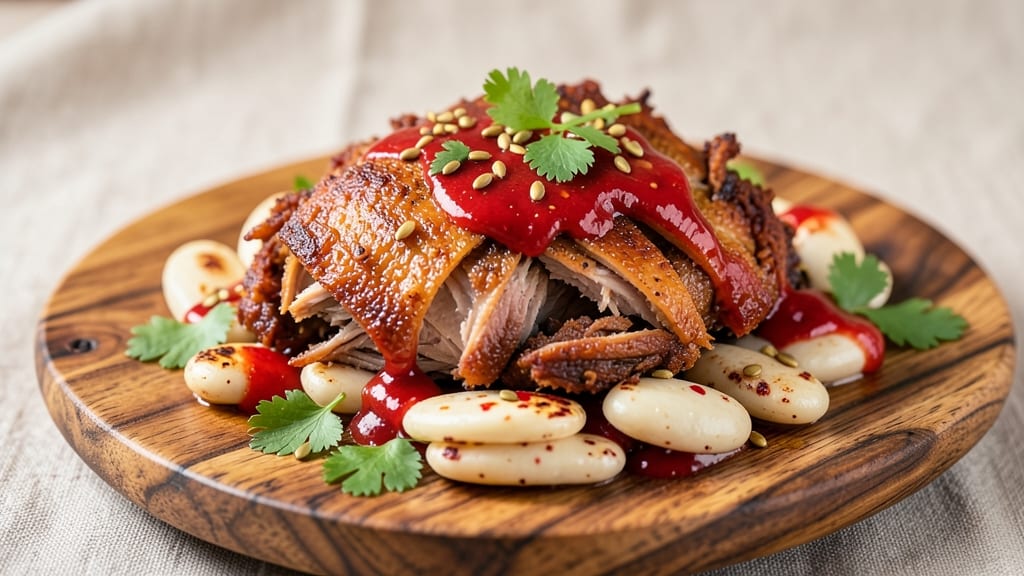
This braised pork carnitas recipe transforms tough pork shoulder into tender, smoky-shredded magic with just one pot and a few key ingredients. 🔥 Growing up in Georgia, I learned that slow-cooked pork—whether pulled or shredded—holds the secret to meals that feed a crowd without breaking the bank.
The difference here? A deep, caramelized crust from braising that turns simple pork into something restaurant-worthy.
The process is straightforward but packed with flavor: pork shoulder gets marinated in cumin, garlic, and orange juice, then slow-braised until fork-tender. That’s where the magic happens—the meat practically falls apart, absorbing the smoky, citrusy spices.
No pressure cooker? No problem. This method works equally well on the stovetop or in the oven, making it adaptable to any kitchen.
By the end, you’ll have perfectly shredded pork with crisp edges and juicy centers, ready to be piled onto tacos, burrito bowls, or even breakfast hash. The aroma alone will have everyone gathering at the table. It’s the kind of dish that turns weeknight dinners into a celebration—without the fuss.
Pair it with warm corn tortillas, pickled onions, and a squeeze of lime for that authentic Mexican touch. The leftovers? Even better the next day. Let’s get started on this crowd-pleaser that’s as easy as it is impressive.
Ingredients for braised pork carnitas
Six ingredients transform tough pork into restaurant-quality carnitas with smoky, citrusy depth.
| Ingredient | Amount | Notes |
|---|---|---|
| Pork Shoulder (Bone-In) 🥩 | 3 lb | Cut into 2-inch chunks, skin on |
| Ground Cumin 🌿 | 2 tbsp | Toasted for deeper aroma |
| Garlic Cloves 🧄 | 8 cloves | Smashed for maximum flavor |
| Fresh Orange Juice 🍊 | ½ cup | Freshly squeezed, no pulp |
| Apple Cider Vinegar 🍶 | 2 tbsp | For tangy depth |
| Bay Leaves 🌿 | 2 whole | Fresh if available |
| Dried Oregano 🍃 | 1 tbsp | Mexican oregano preferred |
| Salt 🧂 | 1 ½ tsp | Diamond Crystal preferred |
| Ground Black Pepper 🌶️ | 1 tsp | Freshly ground |
| Olive Oil 🫒 | 2 tbsp | Extra-virgin for richness |
| Beef Broth 🥫 | 2 cups | Low-sodium preferred |
| Dark Brown Sugar 🍚 | 2 tbsp | For caramelized crust |
| Fresh Cilantro 🌿 | ¼ cup | Chopped, for garnish |
| Lime Wedges 🍋 | 2 whole | For serving |
The pork shoulder is the star here. Bone-in cuts from the butcher section deliver the most flavor, but pre-cut pork shoulder works fine. Look for well-marbled meat—the fat renders down during braising, creating that signature caramelized crust. Costco often has large bone-in cuts at great prices, but your local grocery store's butcher counter will have options too. If you're buying a whole shoulder, ask for it to be cut into 2-inch chunks—this ensures even cooking and easy shredding later. The skin-on variety adds extra richness, but it's not mandatory.
No fresh orange juice? Bottled orange juice works in a pinch, but it lacks the bright acidity that fresh brings. Swap the apple cider vinegar for white vinegar or lime juice if needed, though the flavor profile changes slightly. The cumin and oregano are non-negotiable for that authentic carnitas taste—Mexican oregano from a Latin market adds a unique depth. For the beef broth, low-sodium versions prevent over-salting, but you can always reduce the added salt if using regular broth. The brown sugar might seem like an odd addition, but it's what creates that beautiful caramelized crust on the pork.
This dish tastes even better the next day as the flavors meld. Store leftovers in an airtight container in the fridge for up to 5 days, or freeze for 3 months—perfect for quick weeknight meals. The pork will continue to tenderize slightly in the fridge, making it even easier to shred. For serving, keep the lime wedges and fresh cilantro separate until ready to eat to preserve their brightness. The braising liquid reduces to a rich sauce—save it for drizzling over tacos or mixing into rice.
Why You'll Love This Recipe
- One-Pan Magic: I swear by this recipe—just sear the pork shoulder, toss in the cumin and garlic, then let the orange juice and vinegar work their magic while you do anything else. No flipping, no fuss, no stress.
- Tangy Crispy Perfection: That bone-in pork shoulder? It falls apart like a dream, but the real star is the caramelized crust—deep, smoky cumin meets bright orange juice, with just enough vinegar bite to keep it lively. (Yes, even my picky husband requests seconds.)
- Leftover Goldmine: Between us, this is my secret weapon for lazy days. Braise it once, and you’ve got shredded pork for tacos, burrito bowls, or even a quick stir-fry. Honestly, I’ve had it last me five days, and it only gets better as the flavors meld.
- Budget-Friendly Feast: Pork shoulder is cheap, and this recipe stretches it across meals without sacrificing flavor. Plus, the vinegar and orange juice? Pantry staples that make it taste like a restaurant dish. Not the prettiest, but the taste makes up for it—every time.
Step-by-step instructions for braised pork carnitas
Transform tough pork shoulder into tender, flavorful carnitas with this precise braising method.
🔥 Step 1: Sear the Pork Shoulder for Deep Flavor
Heat a heavy Dutch oven over medium-high heat until hot. Add the 2 tablespoons olive oil and swirl to coat the bottom evenly. Working in batches to avoid crowding, add the 3 lb pork shoulder (bone-in) cut into 2-inch chunks, skin-side down. Let each piece sear undisturbed for 3-4 minutes until deep golden brown crust forms.
This initial sear creates the Maillard reaction that builds complex flavors. I press down gently on the pork during the first minute—this prevents it from curling and ensures even contact with the pan. Once all pieces are browned, transfer them to a plate and set aside. The rendered fat in the pot will become the foundation of your braising liquid.
👨🍳 Step 2: Toast the Spices and Build the Braising Base
Reduce heat to medium and add the 8 smashed garlic cloves, 2 tablespoons ground cumin, 1 tablespoon dried oregano, 1.5 teaspoons salt, and 1 teaspoon ground black pepper to the Dutch oven. Stir constantly for 1-2 minutes until the spices are fragrant and the garlic begins to color lightly.
Here's where the magic happens: add the 2 tablespoons apple cider vinegar and deglaze the pot immediately, scraping up all those browned bits from the bottom. This step captures all the concentrated flavor that would otherwise stick to your pot. Let the vinegar simmer for 30 seconds until it evaporates slightly, then pour in the 0.5 cup fresh orange juice and 2 cups beef broth. Stir to combine, then add the 2 bay leaves and 2 tablespoons dark brown sugar.
🥘 Step 3: Braise Until Fork-Tender
Return the pork to the Dutch oven, skin-side up, and bring the liquid to a gentle simmer. Cover tightly with a lid and transfer to a 325°F preheated oven. Braise for 2.5-3 hours until the pork is fork-tender and easily shreds with two forks. You'll know it's ready when the meat pulls apart cleanly and the cooking liquid has reduced to a thick, glossy sauce.
I check for doneness by piercing the largest piece with a fork—if it slides in easily and the meat shreds without resistance, it's perfect. If the liquid hasn't reduced enough, uncover and simmer on the stovetop for 10-15 minutes to thicken the sauce. The pork should be submerged in the braising liquid, but if not, add ¼ cup water to maintain moisture.
🔥 Step 4: Crisp the Carnitas for Texture
Transfer the pork to a clean plate and increase oven temperature to 425°F. Place the pork pieces on a baking sheet lined with parchment paper, skin-side up. Bake for 15-20 minutes until the skin is crispy and golden brown. This final step transforms your tender braised pork into crispy, restaurant-quality carnitas.
For extra crispiness, I like to broil the pork for the last 2-3 minutes, watching closely to prevent burning. The skin should be crackling and golden—this is your signal that the carnitas are ready. Remove from the oven and let rest for 5 minutes before shredding with two forks directly on the baking sheet.
🍽️ Step 5: Finish with Fresh Herbs and Serve
Return the shredded carnitas to the Dutch oven along with any accumulated juices. Stir in the 0.25 cup chopped fresh cilantro and let it wilt slightly in the hot liquid. Taste and adjust seasoning if needed—you might want to add a pinch more salt or a squeeze of lime to brighten the flavors.
Serve immediately with warm tortillas, pickled onions, and the 2 lime wedges for squeezing. The carnitas should be moist and flavorful with a perfect balance of smoky cumin, bright orange, and tangy vinegar notes. Leftovers keep well in the refrigerator for 4-5 days and can be reheated gently in the braising liquid.
Pro Tips For Making Braised Pork Carnitas
- Brown the Pork First: Don’t skip the sear—get that bone-in pork shoulder screaming hot in a dry skillet for 8-10 minutes per side until it’s deep golden. I learned this the hard way: rushing the browning means the fat won’t render properly, and your braise will taste flat instead of rich. The crust locks in flavor and keeps the meat from turning into mush.
- Toast the Cumin: Bloom that ground cumin in oil over medium-low heat for 30 seconds until it smells toasty, not burnt. I was skeptical until I tried it—this step cuts the raw, earthy bite and makes the cumin’s warmth shine through. Skip it, and your carnitas will taste like you just sprinkled dirt on the pork.
- Deglaze with Vinegar First: After browning the pork, hit the pan with apple cider vinegar before adding liquids—let it bubble and reduce by half. This cuts through the fat and builds a tangy base before the orange juice joins. I used to add everything at once, and the acidity got lost in the sauce. Do this, and your braise will have depth from the start.
- Shred While Warm, Rest Before Serving: Pull the pork when it’s fork-tender (around 205°F internal), shred it right in the pot with two forks, then let the whole mess sit covered for 15 minutes. This lets the juices redistribute—serve it immediately, and you’ll end up with dry, stringy carnitas. (Yes, even if you’re impatient like me.)
Regional styles of this dish
Mexican Street Style
In Mexico City’s markets, carnitas are often cooked with guajillo chiles and beer (like Modelo Negra) instead of vinegar, creating a sweeter, slightly spicy profile. I’ve adapted this by adding 1 chopped guajillo chile (soaked and seeded) to the braising liquid along with ½ cup beer.
Simmer the pork in a Dutch oven for 3 hours at 300°F for extra tenderness. Serve with warm corn tortillas and salsa verde for that authentic street-taco vibe. 🌶️
Texas-Style BBQ Twist
Southern Texas takes carnitas in a smoky direction by adding chopped chipotle peppers in adobo (2-3 peppers) to the braising liquid and finishing with a smoked paprika dusting. I like to slow-cook the pork in a smoker at 250°F for 4 hours before crisping.
Serve over white rice with pickled jalapeños and a drizzle of BBQ sauce for a fusion that’s pure comfort food. This version feels like a cross between carnitas and pulled pork. 🔥
Caribbean Citrus Fusion
For a tropical twist, I swap the cumin for allspice and add 1 cup pineapple juice to the braising liquid. The pork gets marinated in orange juice + lime juice before cooking, then braised with 1 cinnamon stick and 2 star anise pods.
This works beautifully in a slow cooker on low for 8 hours. Garnish with toasted coconut flakes and serve with plantain chips for a dish that feels like vacation. 🍍
Southeast Comfort Food
Back home in Georgia, we love our carnitas with a Southern twist—adding collard greens to the braising liquid for the last 30 minutes of cooking. The pork gets finished with hot honey and served over mashed potatoes with crispy fried onions.
This version keeps the smoky cumin but adds a touch of sweetness that my family can’t resist. It’s like carnitas met cornbread. 🍯
Slow Cooker Shortcut
For weeknights, I use a 6-quart slow cooker on low for 8 hours—just sear the pork first in a skillet, then add all ingredients except the brown sugar (which caramelizes better on the stovetop).
After cooking, transfer the pork to a baking sheet and broil for 5 minutes to crisp. The slow cooker version is foolproof and perfect for feeding a crowd with minimal effort. 💫
Nutrition facts
Frequently asked questions
Can I use pork shoulder without the bone?
Yes, boneless pork shoulder works perfectly! Just cut it into 2-inch chunks to ensure even cooking. The bone adds extra flavor, but it's not essential. If you use boneless, you might want to add an extra ½ teaspoon of salt and ¼ teaspoon of black pepper to compensate for the lost depth.
How do I know when the pork is fully braised?
The pork is done when it's fork-tender and shreds easily. Pierce the largest piece—if it slides in with minimal resistance and the meat separates cleanly, it's ready. The cooking liquid should also be reduced to a thick, glossy sauce. If it's still watery, uncover and simmer on the stovetop for 10-15 minutes to thicken.
Can I make this in a slow cooker instead of the oven?
Sear the pork first in a skillet, then transfer everything (except the brown sugar) to a 6-quart slow cooker on low for 8 hours. After cooking, transfer the pork to a baking sheet and broil for 5 minutes to crisp the skin. The slow cooker version is perfect for hands-off cooking and feeds a crowd effortlessly.
What’s the best way to reheat leftovers?
Reheat leftovers gently in the braising liquid over low heat on the stovetop or in a 300°F oven for 20-30 minutes. Avoid microwaving—it makes the pork dry. For extra crispiness, broil the reheated carnitas for 2-3 minutes after warming. Leftovers keep well in an airtight container for 4-5 days in the fridge.
Why does my carnitas turn out dry?
Dry carnitas usually happen from overcooking or not enough braising liquid. Ensure the pork is submerged in the liquid during braising, and don’t exceed 3 hours in the oven. If the meat looks dry after cooking, add ¼ cup beef broth and simmer for 5-10 minutes to restore moisture. Always let the pork rest for 5 minutes before shredding to retain juices.