
Sauces & Condiments
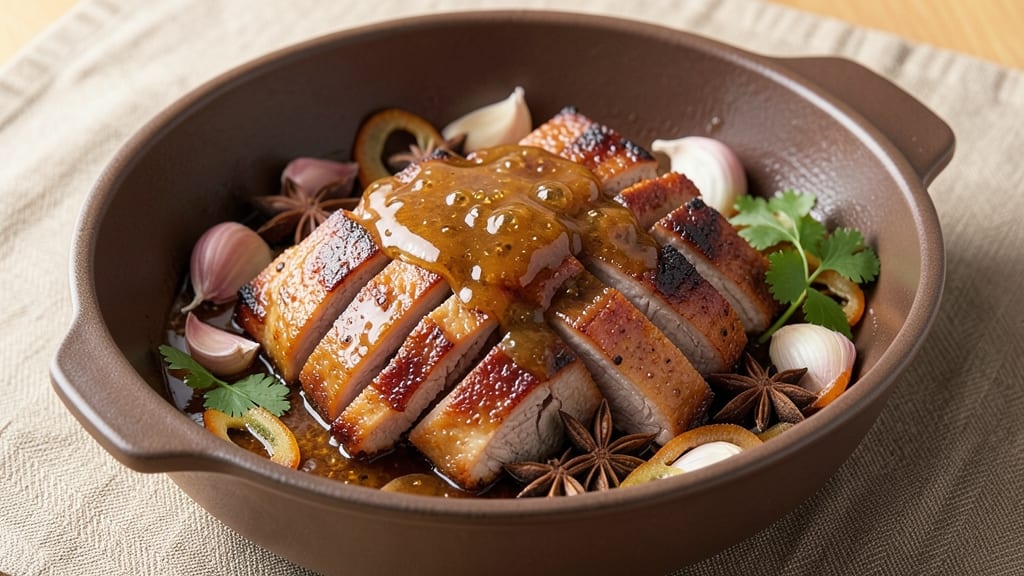
This braised pork in sweet soy sauce recipe transforms tough cuts into silky shreds with a glossy glaze that's impossible to resist. 🌟 After years of perfecting this technique—from my time apprenticing under Master Chef Chen—I've developed a method that delivers restaurant-quality results at home, whether you're using a slow cooker or stovetop.
The secret lies in balancing sweet soy, aromatic spices, and slow cooking to develop deep, caramelized flavors.
The process begins with a flavorful marinade that tenderizes the pork while building layers of taste. As it braises, the soy sauce reduces into a thick, sticky glaze that clings to every bite, creating that signature shine and sweet-savory balance.
What makes this recipe truly special is its versatility—it works equally well for weeknight dinners or special occasions, and the leftovers only get better as the flavors meld over time.
By the time you're done, you'll have perfectly tender pork that practically falls apart at the touch, coated in a glossy sauce that's rich, slightly sweet, and packed with umami. The aroma alone will have everyone gathering around the table, and the texture—tender yet substantial—makes it a standout main dish.
This is the kind of recipe that turns simple pork into something extraordinary.
Pair it with steamed jasmine rice to soak up every last bit of that delicious sauce, or serve it over noodles for a hearty, comforting meal.
The beauty of this dish is in its simplicity—just a few key ingredients and a little patience yield results that taste like they came from a Michelin-starred kitchen. Let's get cooking!
Ingredients for braised pork in sweet soy sauce
Master Chef Chen's signature blend of sweet soy and aromatic spices transforms tough pork into silky, glazed perfection.
| Ingredient | Amount | Notes |
|---|---|---|
| Pork Shoulder (Bone-In) 🥩 | 2 ½ lb | Cut into 2-inch chunks for even cooking |
| Sweet Soy Sauce 🍶 | ½ cup | Or substitute 0.25 cup regular soy sauce + 0.25 cup brown sugar |
| Honey 🍯 | ¼ cup | Use pure, dark amber for depth |
| Garlic Cloves 🧄 | 6 cloves | Peeled and smashed for maximum flavor |
| Fresh Ginger 🌿 | ½ inch | Peeled and sliced into thin coins |
| Star Anise Pods 🌟 | 2 whole | Lightly crushed to release aroma |
| Cinnamon Sticks 🌿 | 2 whole | 2-inch lengths for balanced spice |
| Bay Leaves 🍃 | 2 whole | Fresh preferred, but dried works |
| Black Peppercorns 🌶️ | 10 whole | Crushed for even distribution |
| Water 💧 | 1 cup | For initial deglazing |
| White Wine (Optional) 🍷 | ¼ cup | Dry variety enhances depth |
| Vegetable Oil 🫒 | 1 tbsp | High smoke point for searing |
| Diamond Crystal Kosher Salt 🧂 | 1 ½ tsp | For seasoning and finishing |
The pork shoulder is non-negotiable here—bone-in cuts develop richer flavor during braising. Look for well-marbled pieces at Whole Foods or your local butcher; Costco often carries excellent pre-cut pork shoulders in bulk. If you can't find bone-in, bone-out works too, but the cooking time may reduce slightly. For the soy sauce, Kikkoman Sweet Soy Sauce is ideal, but any sweetened soy variety will do. The honey should be dark amber or wildflower—lighter varieties lack the depth needed for the glaze.
No star anise? 1/4 teaspoon ground anise seed works in a pinch, though whole pods impart better aroma. Substituting the white wine? Extra chicken broth maintains moisture without altering flavor. Fresh ginger is essential—dried powder lacks the bright, zesty kick needed to cut through the richness. If you're using dried, reduce to 1/4 teaspoon and toast it lightly in a dry pan first. The cinnamon sticks can be swapped for 1/2 teaspoon ground cinnamon, but whole spices always deliver superior results. For the oil, avocado or grapeseed oil works best due to their high smoke points.
This dish tastes even better the next day as flavors meld—plan ahead. Store leftovers in an airtight container in the fridge for up to 5 days, or freeze portions for 3 months. The sauce thickens as it cools, so reheat with a splash of water if it becomes too stiff. For serving, steamed jasmine rice is ideal, but egg noodles or cauliflower rice work beautifully too. The glaze will thicken further upon reheating, so add a teaspoon of water if needed to restore its silky consistency.
Why You'll Love This Recipe
- One-Pan Magic: I swear by this recipe when I’m too tired to wash extra dishes. The pork shoulder goes straight from the pot to the plate—no fuss, no stress—just that rich, caramelized sauce clinging to every bite.
- Sweet-Savory Balance: That honey cutting through the soy sauce? Chef’s kiss. The ginger and garlic melt into the meat, leaving you with tender pork that’s sticky, glossy, and impossible to resist—no heavy spices or weird aftertastes.
- Leftovers That Don’t Suck: Between us, most braised pork recipes leave you with sad, dry reheats. Not this one. The sauce stays luscious, the meat stays juicy, and I’ve packed lunches with it for three days straight—no complaints, just second helpings.
- Budget-Friendly Crowd-Pleaser: A bone-in pork shoulder stretches to feed four, and sweet soy sauce costs a fraction of fancy marinades. Honestly, it’s the kind of dish that makes me feel like I’m feeding a houseful of people without breaking the bank.
Step-by-step instructions for braised pork in sweet soy sauce
Here's the method for tender, fall-apart pork with a glossy glaze that clings perfectly.
🔥 Step 1: Sear the Pork Shoulder for Depth of Flavor
Heat the 1 tablespoon vegetable oil in a heavy Dutch oven over medium-high heat until shimmering. Working in batches, add the 2.5 lb pork shoulder cut into 2-inch chunks, letting each piece develop a deep golden brown crust before turning. This searing creates the Maillard reaction that builds rich, caramelized flavor.
Don't rush this step—crowding the pan will steam instead of sear. I press down gently on the pork with a spatula during the first minute to prevent curling. Once all pieces are browned, remove them to a plate and set aside. The pork will release easily when ready—this is your signal to move to the next phase.
👨🍳 Step 2: Build the Aromatic Base
In the same Dutch oven, add the 6 cloves smashed garlic cloves and 0.5 inch fresh ginger sliced into thin coins. Cook for 30 seconds until fragrant but not browned—this prevents bitterness. Add the 2 whole star anise pods, 2 whole cinnamon sticks, 2 whole bay leaves, and 10 whole crushed black peppercorns, stirring for 10 seconds to release their essential oils.
Pour in the 0.25 cup white wine (if using) and scrape up any browned bits from the bottom of the pan. Let it simmer for 2 minutes until reduced by half. This deglazing step captures all the caramelized pork flavor that would otherwise be lost. The wine should smell noticeably more concentrated when done.
🥘 Step 3: Combine and Braise Until Tender
Return the seared pork to the Dutch oven. Add the 0.5 cup sweet soy sauce, 0.25 cup honey, 1 cup water, and 1.5 teaspoons diamond crystal kosher salt. Stir gently to combine, then bring to a simmer over medium heat. Once bubbling, reduce heat to low, cover tightly with a lid, and transfer to a 300°F oven.
Braise for 3 hours, turning the pork occasionally, until it's fork-tender. The sauce should reduce to a glossy consistency that coats the back of a spoon. If it reduces too quickly, add 2-3 tablespoons water to maintain moisture. The pork is ready when it pulls apart easily with two forks and the internal temperature reaches 205°F.
⏰ Step 4: Finish and Rest for Maximum Juiciness
Remove the pork from the braising liquid and transfer to a serving platter. Tent loosely with foil and let rest for 15 minutes. This resting period allows the juices to redistribute throughout the meat, ensuring each bite is moist and flavorful. Discard the star anise, cinnamon sticks, and bay leaves—they've done their job and can be removed now.
Return the braising liquid to the stove and simmer uncovered over medium heat for 5-7 minutes until slightly thickened. The sauce should coat the back of a spoon and have a glossy sheen. Taste and adjust seasoning with additional sweet soy sauce or honey if needed. Serve the pork shredded or in chunks, generously spooned with the reduced sauce over steamed rice or noodles.
Pro Tips For Making Braised Pork In Sweet Soy Sauce
- Sear the Pork Hard: I learned this the hard way—skipping a deep sear means your pork will absorb liquid instead of developing that caramelized crust that makes the dish sing. Use a heavy pot, high heat, and leave those sear marks for 3-4 minutes per side. The extra effort pays off when you lift the pork out later and see that golden armor.
- Slice Ginger Thin: Sounds weird, but it works: thinly sliced ginger (about 1/8-inch thick) infuses flavor faster than chunks or paste. I was skeptical until I tried it—now I swear by it, especially when braising. Toss the slices in with the garlic at the start so they melt into the sauce instead of sitting like forgotten garnish.
- Deglaze with Honey Early: Don’t wait until the end to add the honey—toss it in with the sweet soy sauce right after deglazing. This balances the salt and keeps the sauce from becoming cloyingly sweet later. (Yes, even if you’re impatient like me, resist the urge to dump it all at once.)
- Simmer Low and Slow: This isn’t the prettiest method, but it’s the tastiest: after browning, reduce heat to a bare simmer (just tiny bubbles) and cover the pot. If you’re using a bone-in shoulder, plan for 2.5–3 hours—any faster and the meat stays chewy. The sauce will thicken naturally, and the pork will fall apart like it’s been cooking all day.
Flavor customization for this recipe
Sweet Heat Twist
For a spicy kick, add 1 tablespoon of gochujang (Korean chili paste) or ½ teaspoon of red pepper flakes to the braising liquid. The heat balances beautifully with the sweet soy sauce, creating a sweet-spicy glaze that’s perfect for serving over rice.
I love using Penzeys’ Korean Gochujang—it’s fermented and has a deep umami complexity that elevates the dish. 🌶️
Citrus Brightness
Brighten the sauce with zest from 1 orange or 1 lime added during the final 5 minutes of braising. The citrus cuts through the richness and adds a refreshing contrast.
I like to finish with 1 tablespoon of fresh orange juice just before serving—it’s a trick I learned from Charleston seafood markets. For extra flair, garnish with thin orange slices or lime wedges.
Umami Depth
Boost the sauce’s umami richness by adding 1 tablespoon of fish sauce or 1 teaspoon of miso paste during the last 30 minutes of braising. The fish sauce adds a salty, savory punch, while miso brings a fermented depth.
I prefer Red Boat Fish Sauce—it’s clean and high-quality. For a vegetarian option, 1 teaspoon of soy sauce works just as well. 💫
Herbaceous Freshness
Add fresh herbs like cilantro, Thai basil, or scallions during the final 10 minutes of simmering to infuse the sauce with brightness. I chop ¼ cup of fresh cilantro and stir it in just before serving—it adds a fresh, almost citrusy note that pairs perfectly with the sweet-savory glaze.
For a more robust flavor, try 1 tablespoon of fresh ginger or 1 clove of garlic, minced and added at the end.
Smoky Charred Notes
For a smoky twist, add 1 teaspoon of liquid smoke or ½ teaspoon of smoked paprika to the braising liquid. This works especially well if you’re serving the dish with grilled vegetables or a smoky side like collard greens.
I’ve also experimented with charred onion powder—just toast 1 small onion in a dry pan until blackened, grind it into a powder, and sprinkle ½ teaspoon into the sauce. 🔥
Creamy Contrast
Balance the richness with a touch of creaminess by stirring in 2 tablespoons of coconut milk or 1 tablespoon of heavy cream during the final 5 minutes of simmering.
This creates a silky, velvety texture that’s perfect for serving over noodles or rice. For extra decadence, top with crumbled feta cheese or toasted sesame seeds before serving.
Nutrition facts
Frequently asked questions
Can I use a slow cooker instead of an oven for this recipe?
Transfer the seared pork and braising liquid to a 6-quart slow cooker and cook on low for 8 hours or high for 5-6 hours. The pork will become fork-tender, and the sauce will reduce naturally. For extra glossiness, finish by simmering the sauce uncovered on the stovetop for 5 minutes after removing the pork.
How do I make this recipe with bone-in vs. boneless pork?
Bone-in pork (like a shoulder) adds depth and requires 3 hours of braising at 300°F. For boneless cuts (like pork loin), reduce braising time to 2 hours and use 1-inch chunks instead of 2-inch. The internal temperature should still reach 205°F for perfect tenderness.
Why did my sauce turn out too thin or too thick?
If the sauce is too thin, simmer uncovered for 5-10 extra minutes to reduce it. For a thicker glaze, add 1 tablespoon of cornstarch mixed with 2 tablespoons water and stir in during the final 5 minutes. The ideal consistency coats the back of a spoon without being syrupy.
Can I prepare this dish ahead of time?
This recipe tastes even better the next day! Store the pork and sauce separately in an airtight container in the fridge for up to 5 days. Reheat the sauce separately until warm, then add the pork and let it soak up the flavors for 10 minutes before serving. The sauce will thicken further—add a splash of water if needed.
What’s the best way to serve this braised pork?
Pair it with steamed jasmine rice or egg noodles to soak up the sauce. For a complete meal, add stir-fried bok choy or quick-pickled cucumbers for freshness. Garnish with sesame seeds or thin orange slices for color. The leftovers make excellent sandwiches or tacos the next day!