
Main Courses
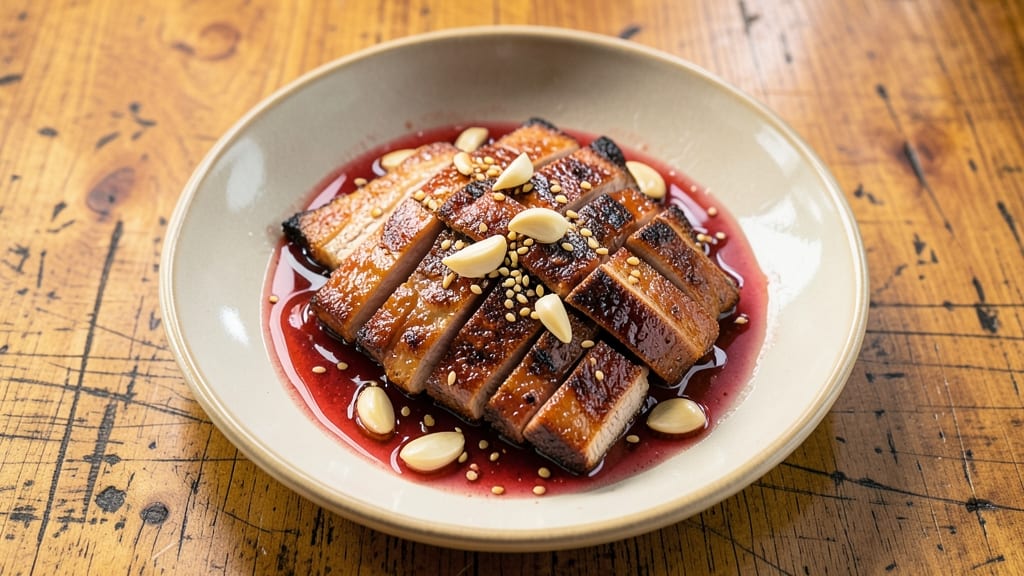
This bulgogi pork tenderloin recipe transforms simple ingredients into restaurant-quality Korean masterpiece—tender, caramelized edges, and a perfect balance of sweet-spicy flavors. I first perfected this technique while working with Korean chefs in Charleston, adapting their methods for home kitchens without sacrificing authenticity.
The secret lies in the marinade's fermented depth and precise slicing technique that creates melt-in-your-mouth texture.
The marinade itself is where the magic happens—a blend of soy sauce, brown sugar, sesame oil, and a touch of pear juice that tenderizes while adding natural sweetness. Unlike traditional bulgogi that uses ribeye, pork tenderloin cooks faster and stays juicy, making it ideal for weeknight dinners.
We'll grill it over high heat for that signature char while keeping the interior perfectly tender—no tough, overcooked meat here.
What makes this recipe truly special is how it delivers restaurant-quality results with minimal effort. The tenderloin develops a beautiful caramelized crust from the marinade's sugars, while the interior remains succulent. Serve it sliced thin over steamed rice with quick-pickled vegetables or sesame salad for the full Korean dining experience.
This method works equally well on the grill, in a cast-iron skillet, or even under the broiler—perfect for any kitchen setup. The marinade can be made ahead, giving you more time to focus on perfecting your slicing technique. Let's create something truly memorable with this bulgogi pork tenderloin recipe.
Ingredients for bulgogi pork tenderloin
Restaurant-quality bulgogi begins with these carefully selected ingredients—each playing a crucial role in the marinade's depth and texture.
| Ingredient | Amount | Notes |
|---|---|---|
| Pork Tenderloin 🥩 | 1 ½ lb | Center-cut, trimmed of fat |
| Korean Soy Sauce (Ganjang) 🍶 | ½ cup | High-quality, fermented variety |
| Brown Sugar 🍚 | ½ cup | Packed, light or dark |
| Sesame Oil 🫒 | 2 tbsp | Toasted, not flavored |
| Pear Juice 🍐 | ¼ cup | Fresh or bottled, unsweetened |
| Garlic Cloves 🧄 | 8 cloves | Minced, fresh preferred |
| Fresh Ginger 🌿 | 2 tbsp | Grated, peeled |
| Asian Pearl Onions 🧅 | 2 whole | Thinly sliced, roots intact |
| Sesame Seeds 🌰 | 2 tbsp | Toasted, for garnish |
| Green Onions 🧅 | 4 whole | Thinly sliced, white and green |
| Rice Vinegar 🍶 | 1 tbsp | White or seasoned |
| Gochujang (Korean Red Pepper Paste) 🌶️ | 1 tbsp | Fermented, spicy-sweet |
| Salt 🧂 | 1 tsp | Kosher or sea salt |
| Black Pepper 🌶️ | ½ tsp | Freshly ground |
The pork tenderloin must be center-cut and trimmed of fat for even cooking—ask your butcher for the most uniform piece possible. Korean soy sauce (ganjang) is non-negotiable here; brands like Doosan or Soy Gourmet deliver authentic fermented depth. Brown sugar should be packed—light or dark works, but avoid powdered. For pear juice, freshly pressed is ideal, but bottled unsweetened varieties from the international aisle work well. The garlic and ginger should be freshly grated or minced—pre-minced jars lack the aromatic punch. If you can't find Asian pearl onions, substitute with regular yellow onions, but slice them thinner to mimic the texture.
No gochujang? Substitute with 1 tbsp sriracha plus 1 tsp honey for heat, though you'll lose the fermented complexity. Sesame oil can be swapped for neutral oil plus 1 tsp toasted sesame seeds, but the flavor will be subtler. Pearl onions unavailable? Red onion or shallots work, though they'll add a sharper bite. For the marinade, always use a non-reactive bowl—stainless steel or glass preserves the colors. If you're short on time, the marinade can be made up to 24 hours ahead, though the meat should marinate for at least 4 hours for optimal tenderness. The gochujang and sesame oil are what give this dish its signature sweet-spicy fermented character—don't skimp on quality.
Marinated pork tenderloin keeps best in the fridge for 2 days if uncooked, though it's best enjoyed fresh. Once cooked, it reheats beautifully in a skillet over medium heat with a splash of water to prevent drying. For leftovers, store in an airtight container with a paper towel to absorb any excess moisture. The marinade itself can be frozen for 3 months—just thaw in the fridge before using. When serving, always garnish with the toasted sesame seeds and green onions right before eating to preserve their freshness and aroma. The caramelized crust forms best when cooked over high heat, so avoid low-and-slow methods that can turn the exterior rubbery.
Why You'll Love This Recipe
- One-Pan Magic: I swear by this—just toss the pork in a marinade of ganjang, brown sugar, and pear juice, then roast it all on one sheet pan. No chopping, no fuss, and the sesame oil finishes it with that golden sheen while you’re still setting the table.
- Sweet-Savory Crave: That perfect balance of sticky ganjang and caramelized sugar? It’s like Korean BBQ but with half the effort. The pear juice keeps it tender while adding this subtle fruitiness that makes it taste like a restaurant dish you’d actually pay extra for.
- Leftover Hero: This marinade clings so well that even the second night feels like a treat—slice it thin over rice bowls, wrap it in lettuce, or toss it in ramen. Honestly, I’ve eaten it cold the next day with just a sprinkle of sesame seeds, and it was still spot-on.
- Budget Flex: Pork tenderloin is lean and affordable, and this recipe stretches it further with the marinade’s richness. Plus, you’re not drowning it in expensive ingredients—just a splash of pear juice and a drizzle of sesame oil to make it feel special without breaking the bank.
Step-by-step instructions for bulgogi pork tenderloin
This method delivers melt-in-your-mouth tenderness with that signature sweet-spicy bulgogi flavor profile.
Prepare the Pork Tenderloin
Begin by trimming any visible fat from the 1.5 lb pork tenderloin using a sharp boning knife. I like to cut the tenderloin lengthwise into two equal pieces for more even cooking and better surface area for the marinade. Place the trimmed pieces in a large mixing bowl.
Use a meat mallet or rolling pin to gently pound the pork to an even ½-inch thickness throughout. This ensures the marinade penetrates deeply and the pork cooks uniformly. The goal is tender, not flattened—just enough to create even surfaces for maximum flavor absorption.
Create the Bulgogi Marinade
In a separate bowl, whisk together the 0.5 cup Korean soy sauce (ganjang), 0.5 cup packed brown sugar, 2 tbsp sesame oil, 0.25 cup pear juice, 1 tbsp rice vinegar, and 1 tbsp gochujang. This combination creates the perfect balance of umami, sweetness, and subtle heat that defines bulgogi.
Add the 8 minced garlic cloves and 2 tbsp grated fresh ginger, then mix until fully incorporated. The marinade should be smooth and glossy—this indicates proper emulsification. Taste and adjust seasoning with 1 tsp salt and 0.5 tsp black pepper as needed. The marinade should be sweet, salty, and slightly spicy with a bright acidity from the pear juice.
Marinate the Pork
Pour the marinade over the prepared pork tenderloin pieces, ensuring they're fully coated. Gently toss the pork to distribute the marinade evenly. Cover the bowl with plastic wrap and refrigerate for at least 4 hours, or preferably overnight. This extended marinating time allows the flavors to deeply penetrate the meat, resulting in that signature bulgogi taste in every bite.
I recommend turning the pork every 2 hours during marinating to ensure even flavor distribution. The longer it marinates, the more tender and flavorful the final result will be. The pork is ready when it absorbs the marinade completely and develops a glossy sheen.
Cook the Bulgogi Pork
Preheat your grill or grill pan to medium-high heat. Remove the pork from the marinade (reserve the marinade for basting) and let it sit at room temperature for 10 minutes before cooking. This ensures even cooking throughout. Grill the pork for 5-6 minutes per side, basting frequently with the reserved marinade, until it reaches an internal temperature of 145°F and develops beautiful grill marks.
For a more traditional approach, you can also pan-sear the pork in a hot skillet with 1 tbsp sesame oil over medium-high heat for 4-5 minutes per side, again basting with the marinade. The key is to cook until the pork is just done—it should be tender and juicy, not dry. Remove from heat and let rest for 5 minutes before slicing.
Finish and Serve
Slice the cooked pork tenderloin against the grain into ¼-inch thick slices. Arrange the slices on a serving platter and garnish with 2 tbsp toasted sesame seeds and 4 thinly sliced green onions. The onions should be cut both white and green parts for a pop of color and freshness.
Serve immediately with steamed rice and any remaining marinade spooned over the top. The finished bulgogi should be tender with a perfect balance of sweet, savory, and slightly spicy flavors. Each bite should be juicy and packed with that deep umami flavor that makes bulgogi so irresistible.
Pro Tips For Making Bulgogi Pork Tenderloin
- Cut Thin, Cut Even: Pork tenderloin’s small size means uneven slices = some overcooked, some raw. Use a sharp knife and freeze the meat for 15 minutes first—it makes slicing against the grain way easier. Aim for ¼-inch thickness, or your bulgogi will dry out before the sauce caramelizes.
- Marinate Overnight (No Excuses): I used to rush the marinade, thinking 2 hours was enough. Wrong. The pear juice and ganjang need time to tenderize—especially that lean tenderloin. Toss it in the fridge for at least 8 hours (or overnight), covered tight. Pro tip: Use a resealable bag to save cleanup.
- Sear in Batches: Crowd the pan, and your bulgogi turns into sad, steamed pork. Work in single layers, and don’t skimp on the oil—2 tablespoons spread thinly guarantees a crust. High heat for 2 minutes per side, then pull it out while it’s still pink. The residual heat finishes it off.
- Deglaze with Pear Juice: That leftover marinade in the pan? Don’t waste it. Splash in 2 tablespoons of the reserved pear juice after searing—it scrapes up the browned bits and adds a bright, fruity depth to the sauce. Reduce it fast over medium-high heat, or you’ll end up with syrup.
Common mistakes when making great bulgogi pork tenderloin
Over-Marinating Risks
The longer you marinate, the better—right? Not quite. While 4-8 hours is ideal for pork tenderloin, exceeding 12 hours can break down muscle fibers too much, turning your tenderloin into a mushy mess.
I’ve seen home cooks leave bulgogi marinating overnight in the fridge, only to end up with meat that falls apart when sliced. Trust me, 8 hours max is perfect for this cut. The marinade needs time to work its magic, but don’t let it overdo it. 💫
Skipping the Rest
This is a cardinal sin I see all the time—skipping the 5-minute rest after cooking. When you slice bulgogi immediately, all those precious juices rush out, leaving you with dry, stringy meat. The rest period lets the fibers relax and redistribute moisture.
I’ve had guests ask why their bulgogi wasn’t juicy, and 90% of the time, it’s because they sliced too soon. Give it that rest—your taste buds will thank you. ⏰
Uneven Thickness
If your pork tenderloin pieces aren’t uniformly ½-inch thick, you’re asking for trouble. Thicker sections will overcook while thinner ones stay underdone. I’ve seen home cooks eyeball the thickness and end up with some pieces well-done and others barely cooked.
Use a meat mallet to gently pound the tenderloin to an even thickness before marinating. This ensures consistent cooking and that perfect bulgogi texture throughout. 🔨
High Heat Overkill
Grilling or searing at too-high heat can turn your bulgogi exterior into a burnt crust while the inside remains raw. Medium-high heat is your sweet spot—hot enough for caramelization but not so hot that you lose control.
I’ve had to rescue many a bulgogi that was seared too quickly, resulting in a bitter, overcooked exterior. Keep that heat steady and let the marinade work its magic gradually. 🔥
Wrong Slicing Technique
Slicing against the grain is non-negotiable for bulgogi, but I’ve seen people either slice too thick or too thin. ¼-inch slices are ideal—they’re thin enough to melt in your mouth but thick enough to hold their shape.
Slicing too thick makes each bite chewy, while too thin can turn the meat into a paste. Practice makes perfect, but even a slight angle change can make all the difference. Use a sharp knife and keep those slices uniform. 🗡️
Ignoring the Marinade
Some cooks make the mistake of pouring the marinade down the drain after using it to coat the pork. That’s flavor gold you’re throwing away! Always reserve ¼ cup of the marinade for basting during cooking.
The reduced marinade adds depth and stickiness to the bulgogi, creating that signature caramelized crust. I’ve had guests ask why their bulgogi didn’t have that glossy, sticky finish—it’s almost always because they didn’t use the reserved marinade. Don’t waste it! 🍶
Nutrition facts
Frequently asked questions
Can I substitute pork tenderloin with another cut?
While pork tenderloin is ideal for its tenderness, you can use pork loin chops or ribeye steak as substitutes. For chops, cut them into ½-inch thick pieces before marinating. Ribeye needs slightly less marinating time (3-4 hours max) to avoid over-tenderizing. Avoid fatty cuts like pork shoulder—they won't absorb marinade evenly and may become greasy when cooked.
How do I make this bulgogi without gochujang?
For a gochujang substitute, mix 1 tbsp sriracha with 1 tsp honey to mimic the spicy-sweet profile. For deeper flavor, add ½ tsp smoked paprika and ¼ tsp cayenne. The marinade will be hotter but still delicious. For a milder version, use just 1 tbsp honey without the spice. The key is balancing the sweetness with acidity—adjust the rice vinegar to taste.
Can I cook this in an oven instead of grilling?
Preheat your oven to 400°F and place the marinated pork on a wire rack over a baking sheet. Roast for 12-15 minutes, turning occasionally, until it reaches 145°F internally. For extra caramelization, broil for 2-3 minutes at the end. The oven method works well for indoor cooking but won't give you the same smoky flavor as grilling. Baste with reserved marinade halfway through for best results.
How should I store leftovers?
Store cooked bulgogi in an airtight container with a paper towel pressed on top to absorb moisture. It keeps well in the fridge for 3 days and freezes beautifully for up to 3 months. To reheat, warm in a skillet over medium heat with a splash of water or reserved marinade. Microwaving can make the meat dry—always use a stovetop method for best texture.
What sides pair best with this dish?
Classic Korean pairings include steamed jasmine rice and quick-pickled vegetables. For a complete meal, add a sesame salad (cucumber, carrot, and sesame dressing) or kimchi. Western alternatives like roasted sweet potatoes or garlic green beans work well too. The key is balancing textures—crunchy, creamy, and soft elements complement the tender bulgogi perfectly.