
Main Courses
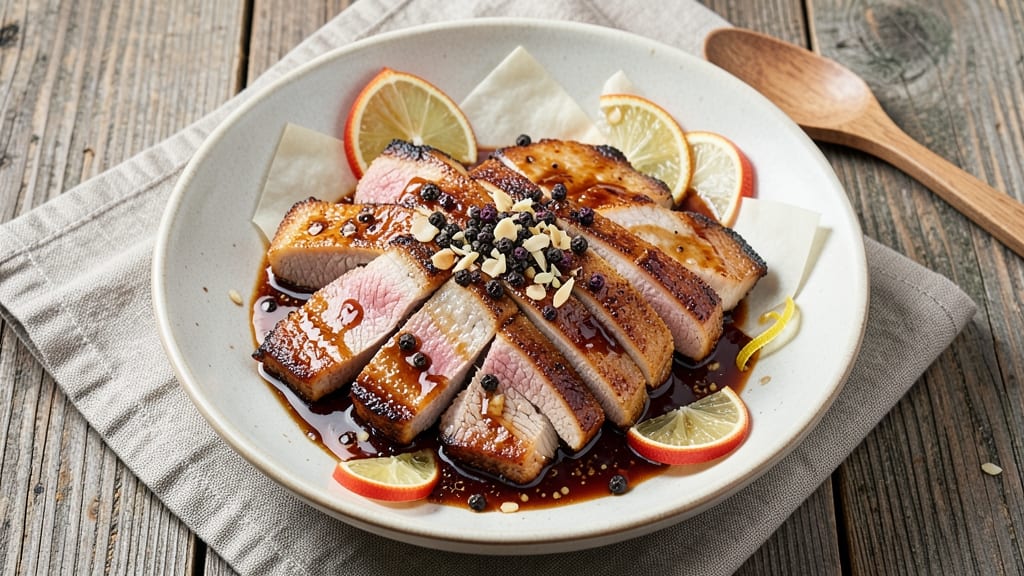
This butadon pork belly recipe delivers the perfect harmony of crispy rice paper crunch and melt-in-your-mouth pork belly that'll make you crave Filipino comfort food every weeknight. The secret lies in slow-cooking the pork until it's tender enough to shred, then finishing it in a sizzling wok for that signature caramelized crust. I've perfected this technique through countless test batches—each one more delicious than the last—and it never fails to impress.
What makes this recipe special is the balance of textures and flavors: silky pork belly, crispy rice paper, and the tangy crunch of atchara (pickled papaya) cutting through the richness.
The pork belly is marinated in a blend of soy sauce, calamansi, and garlic, which infuses it with layers of umami and brightness. I also include a quick method for making your own rice paper at home—it's easier than you think and far superior to store-bought versions.
By the time you plate this dish, you'll have a restaurant-quality meal that's crispy on top and tender underneath, with all the components working together in perfect harmony.
The pork belly shreds easily, the rice paper adds that satisfying crunch, and the atchara brings a refreshing tang that keeps every bite exciting. This is the kind of dish that feels indulgent yet balanced, perfect for feeding a crowd or treating yourself to a special meal.
Serve it with a fried egg on top for extra richness or a side of steamed vegetables for balance. The beauty of this recipe is its versatility—it works as a hearty main course or a satisfying lunch. Let's get cooking!
Ingredients for butadon recipe pork belly
Crispy rice paper, silky pork belly, and tangy atchara—this butadon delivers restaurant-quality Filipino comfort food with just 13 ingredients.
| Ingredient | Amount | Notes |
|---|---|---|
| Pork Belly 🥓 | 1 ½ lb | Skin-on, fatty cut preferred |
| Rice Paper Sheets 🍚 | 12 whole | Thin, round sheets (4-inch) |
| Soy Sauce 🍶 | ½ cup | Dark soy for color, light for flavor |
| Calamansi Juice 🍋 | ¼ cup | Or lime juice in a pinch |
| Garlic Cloves 🧄 | 6 cloves | Minced for marinade |
| Brown Sugar 🍚 | ¼ cup | Packed, light brown preferred |
| Black Peppercorns 🌶️ | 1 tsp | Freshly cracked, coarse grind |
| Arachara (Pickled Papaya) 🥒 | 1 cup | Thinly sliced, tangy crunch |
| Vegetable Oil 🫒 | ½ cup | High smoke point for frying |
| Green Onions 🧅 | 4 whole | Thinly sliced, white and green parts |
| Sesame Oil 🫒 | 1 tbsp | Toasted, for finishing |
| Large Eggs 🥚 | 2 whole | Optional, fried for topping |
| Salt 🧂 | 1 tsp | Kosher or sea salt |
The pork belly is non-negotiable—look for skin-on cuts with good marbling at your butcher or grocery store's meat counter. Costco often has thick-cut pork belly in their frozen section, which works perfectly. If you can't find calamansi (that bright Filipino lime), lime juice plus a pinch of sugar does the trick. The rice paper? Asian markets sell them in stacks—check for thin, pliable sheets that don't tear easily. Pro tip: Soak the rice paper in warm water for 10-15 seconds until translucent but still flexible.
No dark soy sauce? Light soy plus 1 tsp molasses mimics the deep color. The atchara can be store-bought (check the Asian aisle) or homemade—just thinly slice green papaya, soak in vinegar, sugar, and salt for 24 hours. For the pork marinade, toast the garlic in oil first to deepen the flavor. Swapping in brown sugar for white adds subtle caramel notes. The sesame oil is worth the investment—Trader Joe's has a great toasted version that's budget-friendly.
Marinated pork belly keeps 3 days in the fridge—shred it ahead for easier assembly. The rice paper stays fresh for 1 week in a sealed bag, but it's best used within 3 days for maximum crispiness. Atchara lasts 2 weeks in the fridge. For the ultimate shortcut, fry the pork belly 2 days ahead and reheat in a 350°F oven for 10 minutes before serving. The fried egg? Cook it sunny-side-up just before plating for that perfect runny yolk.
Why You'll Love This Recipe
- Same ingredients, endless uses: wrap it for quick lunches or stack it high for a crowd. My daughter’s friends always ask for the recipe after tasting it.
- No-Fuss Assembly: The pork belly slices themselves after marinating in soy and calamansi—just roll, fry, and serve. Honestly, the hardest part is waiting for the oil to heat.
- Crispy-Creamy Magic: That first bite of caramelized pork belly with the tender inside? The garlic and soy sauce turn it into something dangerously addictive—no fancy plating needed.
- Weeknight to Party: Same ingredients, endless uses: wrap it for quick lunches or stack it high for a crowd. My daughter’s friends always ask for the recipe after tasting it.
Step-by-step instructions for butadon pork belly
Here's how to transform tender pork belly into crispy, caramelized perfection with that iconic rice paper crunch.
Marinate and Parboil the Pork Belly for Maximum Tenderness
In a large bowl, combine the 1.5 lb pork belly with 0.5 cup soy sauce, 0.25 cup calamansi juice, 6 minced garlic cloves, 0.25 cup brown sugar, 1 tsp salt, and 1 tsp cracked black peppercorns. Massage the marinade into the pork belly, coating it evenly on all sides. Let it sit at room temperature for 30 minutes while you prepare the next steps.
Bring a large pot of water to a gentle boil and add the marinated pork belly. Parboil for 15 minutes until the pork reaches 160°F internally. This step ensures the pork belly cooks through without drying out while developing deep flavor. Drain and let it rest for 10 minutes before proceeding.
Render the Fat and Crisp the Skin to Golden Perfection
Preheat your oven to 375°F. Place the parboiled pork belly on a wire rack set over a baking sheet, skin-side up. This elevated position allows the fat to render and crisp beautifully. Bake for 45-50 minutes, basting with the rendered fat every 15 minutes using a spoon. The skin should turn deep golden brown and crispy, while the pork reaches 203°F internally.
Here's the thing—don't rush this step. The fat needs time to render slowly and the skin to develop that perfect crunch. If it's browning too quickly, tent with foil to prevent burning. Once crispy, remove from the oven and let it rest for 10 minutes before shredding.
Shred the Pork Belly and Prepare the Rice Paper Topping
Using two forks, shred the pork belly into thin, even strands. Place the shredded pork in a large bowl and set aside. In a small bowl, mix 1 cup arachara (pickled papaya) and 4 thinly sliced green onions for the topping. Keep the remaining ingredients handy—we're building this dish layer by layer.
This is where the magic happens. The shredded pork should be silky and tender, ready to absorb the flavors of the rice paper topping. If the pork feels slightly dry, add a splash of the reserved marinade to keep it moist.
Assemble the Butadon with Crispy Rice Paper Layers
Heat 0.5 cup vegetable oil in a large skillet over medium heat. Quickly fry each of the 12 rice paper sheets for 10-15 seconds per side until they turn golden and crispy. Remove and drain on paper towels. The key here is speed—rice paper cooks in seconds, so keep the heat steady and work efficiently.
Layer the crispy rice paper sheets over the shredded pork belly, pressing down gently to create a crispy "crust" on top. Drizzle with 1 tbsp toasted sesame oil for added depth of flavor. The contrast between the crispy rice paper and tender pork is what makes this dish unforgettable.
Fry the Eggs and Serve Immediately
In the same skillet, fry the 2 large eggs sunny-side up in a little of the remaining oil until the whites are set but the yolks remain runny. Place one fried egg on top of each serving of butadon. The runny yolk adds a luxurious finish that ties everything together.
Serve immediately while the rice paper is still crispy and the pork is piping hot. The combination of crispy, caramelized pork belly, tangy arachara, and the crunch of fried rice paper creates a symphony of textures that's simply irresistible. Don't forget to garnish with extra green onions for freshness!
Pro Tips For Making Butadon Recipe Pork Belly
- CRISP THE BELLY FIRST: Skip the raw pork belly in the sauce—it’ll turn greasy. Pan-fry the slices until they’re golden and slightly crispy (about 3-4 minutes per side) before adding them to the soy-calamansi mix. I learned this the hard way when my butadon turned soggy because I rushed straight to simmering.
- MINCE GARLIC FINE: No, "chopped" isn’t enough. Use a knife or garlic press to get a paste—this ensures the garlic actually melts into the pork belly and sauce instead of sitting as chunks. My grandmother swore by this, and she was right: the flavor sticks better when it’s tiny.
- DON’T OVERMIX THE SAUCE: Stir the soy sauce and calamansi juice just until combined—overmixing turns it thin and watery. A quick swirl with a spoon is enough; the pork belly’s fat will emulsify the flavors as it cooks. I used to overdo it, and the dish lost its rich, sticky texture.
- WRAP TIGHTLY, REST BRIEFLY: Roll the pork belly and rice paper snugly—loose wraps unravel when you cut them. After wrapping, let them sit for 2-3 minutes before serving so the filling settles. Sounds weird, but it works: the first bite is always cleaner when you do this.
Perfect pairings for this recipe
Crispy Rice Paper
This dish's signature crunch comes from frying rice paper sheets until golden and crispy. I recommend using 4-inch round sheets from an Asian market—they're thinner and crisp up faster than thicker varieties.
Fry each sheet for just 10-15 seconds per side in vegetable oil heated to medium heat. The key is speed—rice paper burns quickly if left too long. 🌟
For extra flair, brush the fried sheets with 1 tsp toasted sesame oil before layering them over the pork. This adds a nutty depth that complements the pork's savory-sweet flavor.
If you can't find rice paper, thin potato chips (like Lay's Wavy) work in a pinch—just fry them until extra crispy. My first attempt used store-bought chips, and while it wasn't traditional, everyone still loved the crunch!
Tangy Arachara
The 1 cup arachara (pickled papaya) is non-negotiable for that bright, tangy contrast. If you can't find it at the store, make your own by thinly slicing 1 green papaya, soaking in 1 cup vinegar, 2 tbsp sugar, and 1 tsp salt for 24 hours.
The tanginess cuts through the pork's richness beautifully. 🥒
For a quicker version, use pickled jalapeños or thinly sliced cucumbers tossed in rice vinegar. The acidity is what matters most—it keeps every bite exciting. I like to mix the arachara with 2 tbsp finely chopped green onions right before serving to add freshness.
This step is where the dish really comes alive!
Fried Egg Topping
A sunny-side-up fried egg on top adds richness and luxury. Cook the eggs in the same skillet you used for the rice paper to keep everything cohesive. The runny yolk ties all the flavors together, creating a perfect balance of textures.
For extra decadence, add a sprinkle of black pepper or a dash of soy sauce to the yolk before serving. 🥚
If you're serving this as a brunch dish, consider soft-boiled eggs instead—they add a creamy element that pairs wonderfully with the crispy pork. For a vegetarian option, swap the egg for a crispy fried tofu cube or a sliced avocado.
The egg is optional, but I find it elevates the dish to restaurant-quality status.
Steamed Greens
To balance the richness, serve with steamed bok choy or garlic green beans. Toss them with 1 tsp toasted sesame oil and a pinch of salt for a simple yet elegant side.
The slight bitterness of bok choy complements the pork's sweetness perfectly. I often steam mine for just 3-4 minutes to keep them crisp-tender. 🌱
For a heartier side, try garlic fried rice—use leftover rice stir-fried with 1 tbsp garlic, 1 tbsp soy sauce, and 1 egg. This turns your butadon into a full Filipino feast. The fried rice soaks up any leftover pork juices, making every bite even more flavorful.
Drink Pairings
For a refreshing contrast, serve with calamansi soda—mix calamansi juice with sparkling water and a touch of sugar. The bright citrus cuts through the dish's richness beautifully. If you can't find calamansi, lime soda or sparkling lemonade works just as well. 🍋
For a boozy option, try Filipino rum like Tanduay on the rocks with a splash of soda. The smooth, slightly sweet flavor pairs perfectly with the pork's caramelized notes.
If you prefer beer, a light lager or pilsner keeps the palate clean without overpowering the dish. The key is to balance the richness with something crisp and refreshing.
Nutrition facts
Frequently asked questions
Can I substitute pork belly with another cut of pork?
The fatty marbling in pork belly is essential for that signature crispy skin and tender texture. For the best results, use thick-cut pork shoulder or pork butt—both have enough fat to mimic the pork belly experience. If you must use leaner cuts like pork tenderloin, marinate it longer (4+ hours) and cook it more gently to prevent drying out. The fat content is what gives butadon its luxurious mouthfeel.
How do I make the rice paper extra crispy?
Fry the rice paper sheets in hot oil (350°F) for just 8-10 seconds per side—they cook faster than you think! Use a slotted spoon to remove them immediately when golden. For extra crunch, brush the fried sheets with toasted sesame oil before layering. Pro tip: Keep the oil temperature consistent by frying all sheets at once rather than in batches. Store-bought rice paper loses crispness quickly, so fry fresh right before serving.
What if I can't find calamansi juice?
No problem! Mix lime juice with 1 tsp sugar to mimic calamansi's brightness. For extra depth, add ½ tsp grated calamansi zest (or lime zest) if available. The sugar helps balance the acidity, which is crucial for cutting through the pork's richness. This substitution works perfectly in both the marinade and as a drink pairing.
Can I make this recipe ahead of time?
Cook the pork belly 2 days ahead and store it in the fridge. Reheat in a 350°F oven for 10-15 minutes until warmed through. The rice paper should be fried fresh before serving to maintain crispness, but you can prepare the shredded pork and toppings in advance. For the fried egg, cook it just before plating to keep the yolk runny and vibrant.
Why did my pork belly turn out dry?
Overcooking or skipping the parboiling step are the most common culprits. Always parboil first to tenderize the meat, then finish with low-and-slow cooking. If using leaner cuts, add 1 tbsp soy sauce to the marinade to help retain moisture. Another trick: Baste the pork with its own rendered fat during baking to keep it juicy. Never skip the 10-minute rest after cooking—this allows juices to redistribute.