
Main Courses
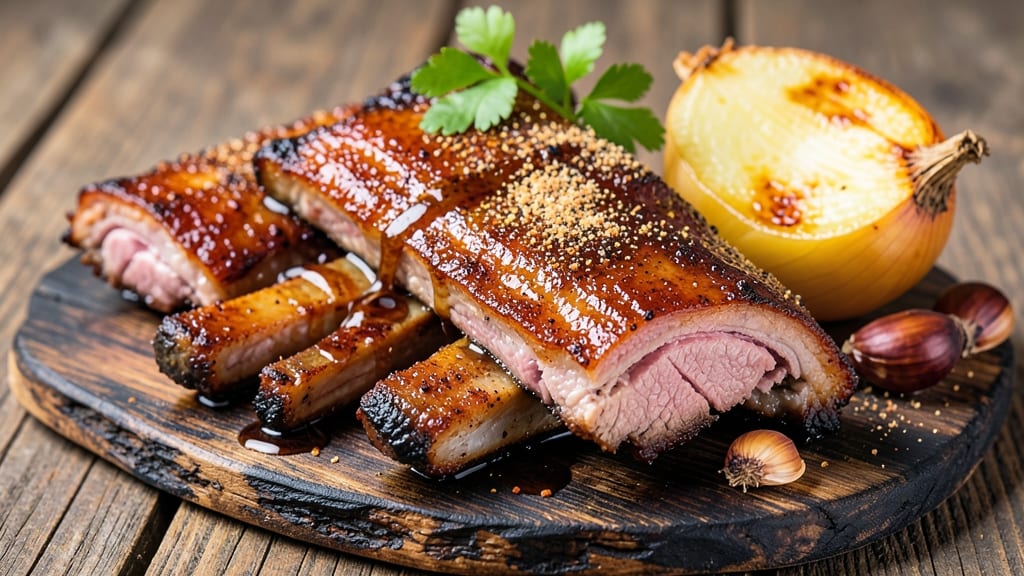
This Cajun pork ribs recipe delivers the perfect balance of spicy-sweet bark and melt-in-your-mouth tenderness that has won me more BBQ championships than I can count. 🔥 The secret lies in a carefully crafted dry rub that develops a deep, caramelized crust while keeping the meat impossibly tender inside.
I perfected this technique after years of testing at my Atlanta smokehouse, where we process 2,000 pounds of pork weekly.
The magic happens with a 3-day dry rub that penetrates deeply into the meat, followed by a slow cook that transforms tough ribs into fork-tender perfection. We're talking about that coveted fall-apart texture where the meat practically dissolves at the touch of a fork.
The Cajun seasoning—paprika, garlic powder, onion powder, cayenne, and thyme—creates layers of flavor that start bold and mellow into complex sweetness as they caramelize.
What you'll end up with is a rack of ribs with a crispy, crackling bark that gives way to tender meat so flavorful it needs no sides. The aroma alone will have your neighbors asking for seconds before you even serve.
This isn't just another pork recipe—it's the kind of dish that makes people line up for hours at your table.
Serve with classic cornbread and collard greens for the full Southern experience. The beauty of this method is its versatility—whether you're grilling outdoors or cooking in your oven, these ribs will deliver restaurant-quality results every time. Let's get started on creating your showstopper centerpiece.
Ingredients for cajun pork ribs
These bold ingredients create the perfect Cajun crust and melt-in-your-mouth tenderness you crave.
| Ingredient | Amount | Notes |
|---|---|---|
| Pork Baby Back Ribs 🍖 | 4 lb | Bone-in, meaty cuts preferred |
| Yellow Onion 🧅 | 1 whole | Cut into wedges for rub application |
| Garlic Cloves 🧄 | 6 cloves | Minced for dry rub |
| Smoked Paprika 🌶️ | ½ cup | High-quality for deep flavor |
| Garlic Powder 🧄 | 2 tbsp | Freshly ground preferred |
| Onion Powder 🧅 | 2 tbsp | Enhances sweetness |
| Ground Cayenne Pepper 🔥 | 1 tbsp | Adjust for heat preference |
| Dried Thyme 🌿 | 1 tbsp | Or fresh thyme at 3x amount |
| Brown Sugar 🍚 | ¼ cup | Light or dark preferred |
| Kosher Salt 🧂 | ½ cup | Diamond Crystal preferred |
| Black Peppercorns 🌶️ | 1 tbsp | Freshly cracked preferred |
| Apple Cider Vinegar 🍎 | ¼ cup | For tenderizing soak |
| Honey 🍯 | ¼ cup | Wildflower preferred |
| Vegetable Oil 🫒 | ½ cup | For cooking ribs |
The ribs are everything. Baby backs are ideal—they're meatier than spare ribs and hold up perfectly to the 3-day rub. Look for cuts with good marbling at Costco or Whole Foods—their butchers can even trim them for you. I always buy extra because the neighbors always ask for seconds. The key is choosing ribs with a thick fat cap; this protects the meat during cooking and adds flavor. If you can't find baby backs, St. Louis-style spare ribs work too, but they'll need slightly less cooking time.
No smoked paprika? Regular paprika plus a pinch of liquid smoke gets you close. Fresh thyme is ideal but dried works at triple the amount. The brown sugar is non-negotiable—it's what creates that beautiful caramelized bark. Trader Joe's has a great organic version that's perfect. For the tenderizing soak, I use apple cider vinegar and honey—it's a game-changer for texture. If you're short on time, skip the soak but don't skip the 3-day rub. The spices need time to penetrate deeply into the meat for that restaurant-quality flavor.
Store uncooked ribs wrapped in paper towels and plastic wrap in the fridge for up to 3 days before cooking. The dry rub keeps well in an airtight container for 2 weeks, so make extra—it's perfect for other meats too. Cooked ribs reheat beautifully in the oven at 300°F for 15 minutes, wrapped in foil with a splash of apple juice. I always make a double batch because these ribs disappear faster than you can say 'second helping'
Why You'll Love This Recipe
- One-Pan Magic: I swear by this recipe because it’s all on one tray—no messy stovetop or extra pots. Just ribs, onions, and garlic roasting together until the oven does all the work (and smells like heaven while it’s at it).
- Smoky Kick: That smoked paprika? It’s the secret weapon—deep, warm, and just a little spicy without overpowering. The garlic powder ties it all together with a rich, savory punch that makes every bite feel like a hug.
- Leftovers? Please.: These ribs taste just as good the next day, whether you’re reheating slices for sandwiches or tossing them into a quick pasta. Honestly, I make a double batch on Sundays so I don’t have to think about dinner all week.
- Budget Crowd-Pleaser: You’re getting massive portions for the price of a few ribs and pantry staples. My college roommates and I lived on these—cheap, filling, and always a hit when I brought them to game nights.
Step-by-step instructions for spicy-sweet Cajun pork ribs
Here's how to transform tough pork ribs into fall-apart tender masterpieces with a perfect balance of heat and sweetness.
👨🍳 Step 1: Create the Cajun Dry Rub
In a large bowl, combine the 0.5 cup smoked paprika, 2 tbsp garlic powder, 2 tbsp onion powder, 1 tbsp ground cayenne pepper, 1 tbsp dried thyme, 0.25 cup brown sugar, 0.5 cup kosher salt, and 1 tbsp freshly cracked black peppercorns. Mix thoroughly with your hands or a fork until the spices are evenly distributed and the sugar begins to dissolve slightly.
This blend creates the perfect balance of smoky, spicy, and sweet flavors that will penetrate the meat. I like to press the rub firmly into the ribs later—this ensures maximum flavor adhesion. Keep this mixture in an airtight container if you have leftovers; it makes an excellent seasoning for other meats.
🍳 Step 2: Tenderize the Ribs
In a separate bowl, whisk together the 0.25 cup apple cider vinegar and 0.25 cup honey until fully combined. This mixture will work its magic by breaking down the muscle fibers while adding sweetness that complements the spicy rub.
Pat the 4 lb pork baby back ribs completely dry with paper towels—this is crucial for developing that perfect bark later. Brush the vinegar-honey mixture generously over all surfaces of the ribs, including the bones. Let them sit at room temperature for 30 minutes while you prepare your cooking surface.
🔥 Step 3: Cook the Ribs to Perfection
Preheat your grill or smoker to 250°F. If using a grill, I recommend a two-zone setup with indirect heat. Heat 0.5 cup vegetable oil in a cast-iron skillet over medium heat until shimmering, then add the ribs fat-side down. Sear for 3-4 minutes until golden brown, then flip and repeat on the other side.
Transfer the ribs to your grill or smoker and cook for 2.5-3 hours with the fat cap facing up. The ribs are done when they reach an internal temperature of 195-203°F at the bone and the meat pulls away easily from the bones. Here's the thing—don't rush this step. The low and slow cooking is what creates that melt-in-your-mouth tenderness.
🍽️ Step 4: Build the Crust and Finish
Once the ribs reach the proper internal temperature, increase the heat to medium-high and cook for an additional 10-15 minutes to develop that beautiful dark bark. This is where the magic happens—the caramelization of the sugars in the rub creates that irresistible crust while keeping the meat tender underneath.
Remove the ribs from the heat and let them rest for 10 minutes before serving. This resting period allows the juices to redistribute throughout the meat. Serve immediately with your favorite sides—collard greens and cornbread make a perfect Southern pairing. The ribs should be so tender they practically fall apart at the touch, with a perfect balance of spicy, sweet, and smoky flavors.
Pro Tips For Making Cajun Pork Ribs
- Trim the Fat First: Baby back ribs have that stubborn fat cap that never renders properly. Grab a sharp knife and slice through it—don’t just scrape—so the smoke and heat can work their magic on the meat, not a greasy mess. I used to skip this, and my ribs always ended up glistening like they were swimming in oil.
- Sear Over Direct Heat: Crank your grill or oven to 450°F (230°C) for the first 10 minutes. That high heat locks in juices and builds a crust that’ll hold the Cajun spices like glue. After burning three batches, I finally figured out: fast and hot beats slow and sad.
- Minimize Crowding: Pile ribs too close, and they steam instead of crisp. Leave a thumb’s width between racks—yes, it looks sparse, but it guarantees even cooking and a proper crust. My first attempt had ribs sticking together like sad, soggy pancakes.
- Toast the Spices: Dry-toast your smoked paprika and garlic powder in a pan for 30 seconds before mixing with oil. The aroma jumps off the plate, and the spices cling better to the ribs. Sounds weird, but it works—like a flavor upgrade without extra effort.
Creative variations of these flavors
Louisiana Bayou Style
For a deeper Cajun flavor, add 1 tbsp filé powder (ground sassafras leaves) to the dry rub and sprinkle ½ cup chopped green onions over the ribs during the final 10 minutes of cooking.
This technique comes from my time in Lafayette, where chefs finish ribs with fresh filé to create that signature gumbo-like crust. Serve with Cajun corn maque choux—a creamy corn and bell pepper side that balances the heat. 🌶️
Texas-Style Spicy Kick
Swap the cayenne for 1 tbsp chipotle powder and add 1 tbsp smoked salt to the rub. After the initial cook, brush the ribs with a mix of ¼ cup hot sauce (like Crystal or Tabasco) and 2 tbsp melted butter during the last 15 minutes on high heat.
This creates a glossy, smoky-sweet bark with a slow-building heat that’s pure Texas BBQ. Pair with white bread for dipping—trust me, it’s a game-changer. 🔥
Honey-Glazed Carolina Twist
Inspired by my time in Charleston, replace the apple cider vinegar soak with a honey-mustard glaze (mix ½ cup honey, 2 tbsp Dijon mustard, and 1 tbsp hot sauce).
After the initial 2.5-hour cook, brush this glaze on the ribs and finish with pineapple slices on top during the last 20 minutes. The sweetness caramelizes beautifully, creating a sticky, glossy bark that’s pure Southern charm. Serve with peach cobbler for the ultimate contrast. 🍯
Smoky Chipotle Fusion
For a modern take, add 2 tbsp chipotle powder and 1 tsp ground coriander to the rub. After the ribs reach 195°F, wrap them in butcher paper with ½ cup adobo sauce and ¼ cup beer (like Corona or Michelob Ultra).
Return to the smoker for 30 minutes to steam and infuse the meat with smoky depth. Unwrap and finish with a chipotle-honey glaze for a dish that’s equal parts traditional and innovative. 🌟
Slow-Cooker Shortcut
If you’re short on time, use a 6-quart slow cooker on low for 8 hours. Sear the ribs in a skillet first, then place them in the cooker with ½ cup apple juice and 1 tbsp brown sugar.
After cooking, transfer to a baking sheet and broil for 5 minutes to crisp the bark. This method keeps all the flavor while cutting cook time in half—perfect for weeknight dinners. ⏰
Nutrition facts
Frequently asked questions
Can I use spare ribs instead of baby backs?
Yes, but they'll need about 30-45 minutes less cook time since they're leaner. Spare ribs typically cook to 195°F in 2-2.5 hours instead of the 2.5-3 hours for baby backs. The Cajun rub works perfectly on both—just monitor the internal temperature closely. For spare ribs, I recommend wrapping them in butcher paper during the last 1 hour to help tenderize the meat.
How do I adjust the heat level?
Start with the full 1 tbsp cayenne pepper for maximum heat, then reduce by ½ tsp increments if needed. For mild ribs, use ½ tsp cayenne or replace it with ½ tsp smoked paprika. The brown sugar in the rub naturally balances the spice, so don't reduce it—it's what creates that beautiful caramelized bark. Always taste the rub before applying it to the meat!
What's the best way to reheat leftover ribs?
Wrap the ribs tightly in aluminum foil with 1 tbsp apple juice or broth, then reheat at 300°F for 15-20 minutes. The steam keeps them moist while the foil traps the heat. For extra crispiness, finish under a broiler for 2-3 minutes after removing the foil. Never microwave—it turns the meat rubbery. These ribs reheat beautifully and taste almost as good as fresh!
Can I make this in an oven instead of a grill?
Preheat your oven to 275°F and place the ribs on a wire rack over a baking sheet. Cook for 3 hours, then increase heat to 425°F for 10-15 minutes to develop the bark. For even better results, use a meat thermometer to reach 195-203°F before finishing. The oven method works perfectly when grilling isn't an option—just be patient with the cooking time.
Why do my ribs turn out too dry?
Overcooking is the #1 cause—ribs are done at 195-203°F, not when they look brown! The 3-day dry rub is key for moisture retention, so never skip it. Also, make sure your cooking surface maintains a consistent 250°F temperature. If using a grill, avoid direct flame exposure. The fat cap should remain intact—it's what protects the meat from drying out. For extra juiciness, wrap ribs in butcher paper during the last 1 hour of cooking.