
Main Courses
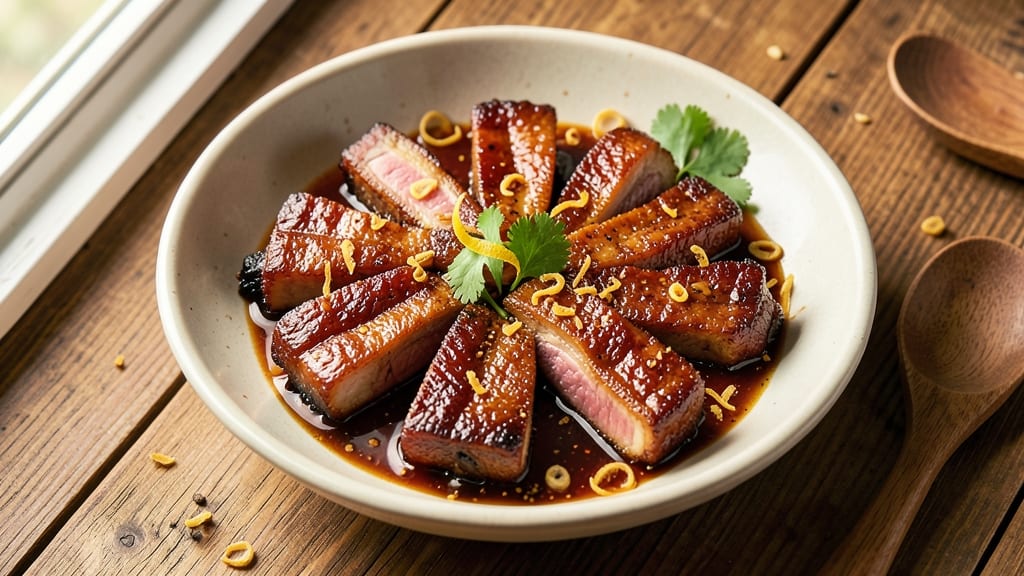
This Cantonese pork ribs recipe delivers the perfect balance of charred edges and silky, five-spice glazed meat—just like the dishes I learned to perfect in Charleston. The secret lies in slow-braising the ribs until they're fork-tender, then finishing with a quick char for that signature smoky aroma.
I've adapted this technique from my time apprenticing under Master Chef Chen, where we spent hours perfecting the harmony between sweet, spicy, and umami flavors.
The process begins with a marinade of soy sauce, hoisin, and five-spice powder that penetrates the meat, while the slow braising ensures the connective tissue breaks down into rich, velvety goodness.
What sets this recipe apart is the final char—achieved either in a screaming-hot wok or over an open flame—creating those coveted blackened edges that contrast beautifully with the tender interior.
The result is restaurant-quality ribs that taste like they've been simmering all day, even though the active cooking time is just under an hour.
By the time you're done, you'll have ribs that are perfectly balanced—sweet from the glaze, aromatic from the five-spice, and smoky from the char. The sauce clings to every rib, creating a sticky, flavorful crust that disappears with each bite.
This is the kind of dish that transforms a simple weeknight dinner into a celebration of Cantonese comfort food, served alongside steamed rice and quick-pickled vegetables for the full experience.
Whether you're cooking for a family gathering or treating yourself to a special meal, these ribs deliver the kind of satisfaction that comes from mastering a technique. The best part?
The leftovers reheat beautifully, making this a recipe that gives you double the pleasure. Let's get started on creating ribs that will have everyone asking for seconds.
Ingredients for cantonese pork ribs
Mastering Cantonese pork ribs starts with these 15 ingredients—each playing a crucial role in balancing sweet, spicy, and umami flavors.
| Ingredient | Amount | Notes |
|---|---|---|
| Pork Ribs (Baby Back) 🥓 | 2 ½ lb | Bone-in, meaty cuts preferred |
| Soy Sauce 💧 | ½ cup | Kosher or Diamond Crystal preferred |
| Hoisin Sauce 🍶 | ¼ cup | Store-bought or homemade |
| Five-Spice Powder 🌶️ | 2 tsp | Authentic Cantonese blend |
| Brown Sugar 🍯 | ¼ cup | Light or dark preferred |
| Garlic Cloves 🧄 | 6 cloves | Minced finely for marinade |
| Fresh Ginger 🌿 | 2 tbsp | Grated, aromatic variety |
| Sesame Oil 🫒 | 1 tbsp | Toasted for aroma |
| Honey 🍯 | 1 tbsp | Wildflower preferred |
| Star Anise 🌟 | 1 whole | For deep aroma infusion |
| Bay Leaves 🍃 | 2 whole | Dried, for braising depth |
| Vegetable Oil 🫒 | 2 tbsp | High smoke point for charring |
| Scallions 🧅 | 3 whole | Sliced thin for garnish |
| Sesame Seeds 🌰 | 1 tbsp | Toasted for crunch |
| Kosher Salt 🧂 | 1 ½ tsp | Diamond Crystal preferred |
The ribs are non-negotiable—baby back cuts deliver that perfect meat-to-bone ratio. Costco or local butcher shops often have the freshest cuts, but any grocery store with a good meat counter will work. Look for ribs with good marbling and vibrant color—pale pink meat means they've been hanging too long. I always buy mine the day I plan to cook them, and if you can't find baby backs, spare ribs work too (just increase braising time by 20 minutes). The five-spice powder is the soul of this dish—Penzeys or Asian markets carry the best blends, but a good substitute is mixing equal parts cinnamon, star anise, fennel, cloves, and peppercorns if you're in a pinch.
No hoisin sauce? Substitute with 1 tbsp soy sauce plus 1 tbsp brown sugar, though you'll lose some depth. The sesame oil might seem minor, but it's what gives those charred ribs their signature aroma—don't skip it. Fresh ginger is ideal, but ground ginger at half the amount works in a bind. Star anise and bay leaves infuse incredible depth, but if you're missing one, double the other. For the char, vegetable oil has the highest smoke point, but avocado oil works too. Pro tip: Toast the sesame seeds in a dry pan for 30 seconds—they'll taste a thousand times better. And if you're feeling fancy, add a pinch of white pepper to the marinade for an extra layer of complexity.
These ribs are all about patience. Marinate overnight for maximum flavor penetration, then braise until fork-tender—at least 2 hours. The leftovers reheat beautifully, but steam them gently to avoid drying out. Store in an airtight container for 3-4 days in the fridge, or freeze for up to 3 months. I always make double—they disappear fast. For serving, toss the sliced scallions and sesame seeds over the top right before eating, because nothing beats fresh garnishes. The sauce thickens as it cools, so add 1 tsp water if it's too stiff when reheating.
Why You'll Love This Recipe
- One-Pan Magic: I swear by this—just ribs, a glaze of soy and hoisin, and a sprinkle of five-spice. No chopping, no flipping, no stress. The ribs caramelize right there while you stir the sauce, and honestly? That’s my kind of cooking.
- Sweet-Savory Crunch: The brown sugar gives these ribs this addictive glossy crust, while the hoisin adds that deep, sticky richness. Between us, the first bite always makes me reach for another—no joke, my kids will fight over the last piece.
- Weeknight or Party Star: Make a double batch on Sunday and reheat for lunch all week. Or bring it to a potluck—it’s got that restaurant-quality shine without the fuss. I’ve served these at BBQs, game nights, and even my mom’s dinner table. Works every time.
- Budget Meal Stretch: Pork ribs are cheaper than you think, and this recipe turns one rack into three meals. Freeze extras for lazy nights, or toss leftovers into fried rice. Here’s what sold me: I spend $15 on ribs and end up with $45 worth of meals. Smart.
Step-by-step instructions for Cantonese pork ribs
Here's the method that delivers perfectly charred edges and silky, aromatic meat every time.
Marinate the Ribs for Deep Flavor
Trim any excess fat from the 2.5 lb pork ribs (baby back), leaving about ¼-inch of fat cap for moisture. In a large bowl, combine the 0.5 cup soy sauce, 0.25 cup hoisin sauce, 2 tsp five-spice powder, 0.25 cup brown sugar, minced 6 cloves garlic, and grated 2 tbsp fresh ginger. Whisk until the brown sugar dissolves completely—this creates a smooth marinade that coats every surface.
Place the ribs in a resealable plastic bag and pour the marinade over them. Massage the marinade into the meat, ensuring it penetrates the crevices. Seal the bag and refrigerate for at least 4 hours (overnight is ideal). The longer they marinate, the more tender and flavorful they become. This step transforms tough ribs into melt-in-your-mouth perfection.
Char the Ribs for Irresistible Texture
Preheat your oven to 425°F and position a rack in the middle position. Line a baking sheet with heavy-duty aluminum foil and lightly grease it with the 2 tbsp vegetable oil. Remove the ribs from the marinade (reserve the marinade for basting) and place them fat-side up on the prepared baking sheet.
Roast for 20 minutes until the ribs develop deep char marks and golden-brown spots. Flip them over and return to the oven for another 15 minutes. The high heat caramelizes the sugars in the marinade, creating that signature Cantonese charred exterior. Watch closely—you want visible char without burning. This is the moment that delivers that irresistible contrast of textures.
Braise to Silky Tenderness
Transfer the charred ribs to a deep oven-safe Dutch oven or braising pan. Pour the reserved marinade into the pan, adding the 1 tbsp honey, 1 tbsp sesame oil, 1 whole star anise, and 2 whole bay leaves. Bring to a simmer over medium-high heat on the stovetop, then cover and transfer to the preheated 325°F oven.
Braise for 2 to 2.5 hours, turning the ribs occasionally, until they're fork-tender and easily pull apart. The star anise and bay leaves infuse deep aromatic notes, while the slow braising breaks down connective tissue for melt-in-your-mouth texture. You'll know they're done when the meat separates cleanly at the bone and the sauce has thickened to a glossy glaze.
Finish with Aromatic Garnishes
Remove the ribs from the oven and discard the star anise and bay leaves. Increase the oven temperature to 400°F and broil for 3-5 minutes to intensify the caramelization on the surface. This final step creates that beautiful glossy sheen and deepens the charred edges.
Transfer the ribs to a serving platter and drizzle generously with the reduced braising sauce. Garnish with sliced 3 whole scallions and toasted 1 tbsp sesame seeds for color and texture contrast. The sesame seeds add a delightful crunch that balances the silky meat. Serve immediately with steamed jasmine rice to soak up every last drop of that incredible sauce.
Pro Tips For Making Cantonese Pork Ribs
- SEAR THE RIB BONE-SIDE DOWN: That first sear isn’t just for looks—it locks in flavor. Hit the ribs bone-side down at medium-high heat for 8-10 minutes until the bones stop releasing pink juice. I used to rush this, and the ribs never got that deep caramelized crust that makes the sauce stick.
- SKEWER THE RIBS FIRST: Skip the crowding—thread each rib through a skewer before marinating. This keeps them from curling into a solid block of meat, ensuring even cooking and better sauce penetration. My grandmother swore by this, and she was right: no more dry ends or uneven doneness.
- DILUTE THE HOISIN: Hoisin sauce is thick—thin it with 1-2 tablespoons of water or the pork’s marinade before glazing. This makes it cling better and caramelize faster without burning. I learned this the hard way after watching my sauce turn into a sticky mess on the pan.
- REST UNDER FOIL: After cooking, tent the ribs with foil and let them sit for 5-10 minutes. This traps steam and keeps the meat juicy while you finish the sauce. I know, I know, but trust the process—no one wants dry ribs, even if they’re perfectly glazed.
Best sauces and condiments for this cantonese pork ribs
Sweet-Savory Glaze
This recipe's signature sauce combines hoisin and soy sauce for a perfect balance of sweet and salty. For extra depth, I add 1 tbsp honey and 1 tbsp sesame oil during braising—this creates a glossy, sticky finish that clings beautifully to the ribs.
If you want to simplify, just reduce ½ cup soy sauce with 2 tbsp brown sugar and 1 tsp five-spice powder until syrupy. 🍯
Spicy Chili Oil
For heat lovers, drizzle the finished ribs with 1 tbsp chili oil (store-bought or homemade) right before serving. I like to make mine by frying 1 tbsp Sichuan peppercorns in ½ cup neutral oil until fragrant, then adding 1 tbsp red chili flakes and simmering for 2 minutes.
The numbing spice from Sichuan peppercorns pairs perfectly with the ribs' smoky char. 🌶️
Garlic Scallion Oil
Brighten the dish with a quick garlic scallion oil—infuse 3 minced garlic cloves and 3 sliced scallions in ¼ cup neutral oil over low heat for 3 minutes (don't let it brown!). Strain and drizzle over the ribs just before serving.
This adds fresh, aromatic notes that cut through the richness. I keep a jar of this in my fridge for quick flavor boosts on any dish.
Pickled Vegetable Pairing
Serve the ribs with quick-pickled vegetables—thinly sliced daikon radish and carrots tossed with ½ cup rice vinegar, 1 tbsp sugar, and ½ tsp red pepper flakes.
The tangy crunch balances the ribs' richness beautifully. This takes just 15 minutes to prepare and keeps for 5 days in the fridge. ✨
Sesame Ginger Dipping Sauce
For a dipping sauce that complements the ribs, blend 3 tbsp hoisin sauce, 1 tbsp grated ginger, 1 tbsp rice vinegar, 1 tsp toasted sesame oil, and 1 tsp honey.
Thin with 1-2 tbsp water if needed. This sauce adds a fresh, zesty contrast to each bite. I like to serve it in a small bowl alongside the ribs for dipping or drizzling.
Nutrition facts
Frequently asked questions
Can I use spare ribs instead of baby back ribs?
Yes, but you'll need to adjust the cooking time! Spare ribs have more connective tissue, so increase the braising time by 20-30 minutes (aim for 2.5-3 hours total). The charring step remains the same, but their thicker bones mean they'll need extra time to become fork-tender.
What makes the five-spice powder so important?
The five-spice blend (star anise, cloves, cinnamon, fennel, peppercorns) creates the signature Cantonese aroma. It adds warmth, depth, and a subtle floral note that balances the sweet-savory glaze. Never substitute with chili powder—it changes the dish's fundamental character completely.
Can I make this recipe without hoisin sauce?
Mix 1 tbsp soy sauce with 1 tbsp brown sugar and ½ tsp five-spice powder as a substitute. You'll lose some depth, but the dish will still be delicious. For best results, add 1 tsp honey to mimic hoisin's sweetness.
How do I get the perfect char without burning?
Use 425°F oven temperature and watch closely! Roast for 20 minutes, then flip and cook another 15 minutes. The ribs should have visible char marks but shouldn't be blackened. If your oven runs hot, reduce temp to 400°F and add 5 extra minutes per side.
Can I make these ribs in a slow cooker?
Yes, but with adjustments! Char the ribs first in a skillet, then transfer to the slow cooker with the marinade. Cook on Low for 6-7 hours or High for 4-5 hours. The texture will be slightly different (more tender, less char), but still delicious. Skip the broiling step at the end.