
Main Courses
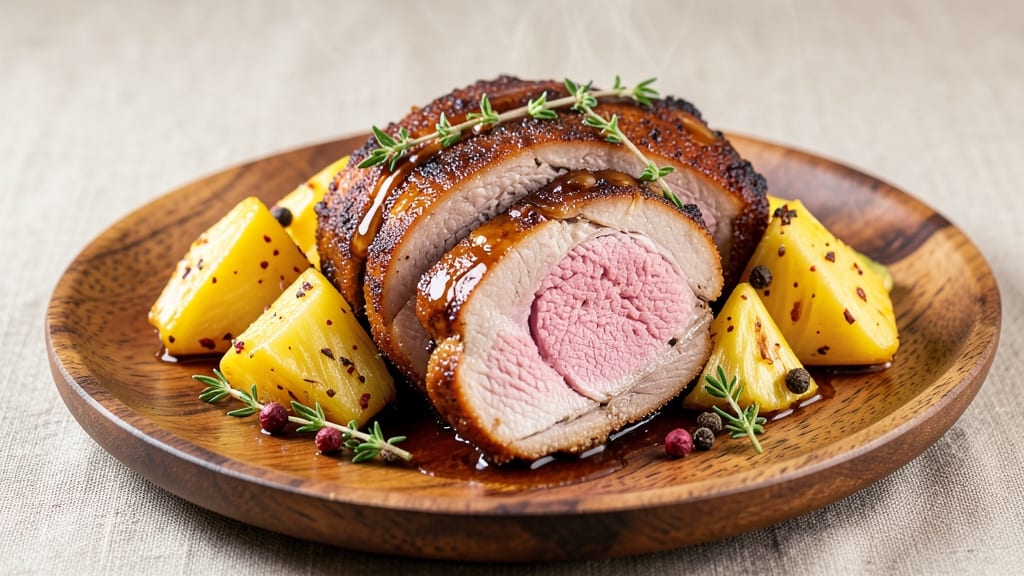
This Caribbean Dove Pork recipe transforms humble pork into a showstopping centerpiece that carries the soul of island traditions. 🌴 The secret lies in slow-roasting with spiced rum and pineapple—a technique I perfected after years of studying Caribbean pit cooking, where every bite carries the warmth of tropical spices and caramelized sweetness.
It's the kind of dish that makes Sunday dinners feel like a celebration, even when it's just your family at the table.
The magic begins with a dry rub of allspice, thyme, and cinnamon, which develops a deep, aromatic crust as the pork roasts. While the meat tenderizes, the pineapple and rum create a sticky, glaze-like sauce that bastes the pork, locking in moisture and adding layers of flavor.
This isn't just a pork roast—it's a symphony of textures and tastes that balances rich, savory meat with bright, tropical notes.
By the time it emerges from the oven, you'll have perfectly tender pork with crispy edges, all glazed in that golden caramelized sauce. The aroma alone will have everyone gathering around the table, and each bite delivers that perfect harmony of spice, sweetness, and smoky depth.
It's the kind of dish that tastes even better the next day, making it perfect for meal prep or holiday feasts.
Serve it with classic sides like steamed rice and peas, fried plantains, or a fresh coleslaw to complete the Caribbean experience. This recipe isn't just about cooking—it's about bringing a piece of island hospitality to your home. Let's get started on creating this flavorful masterpiece.
Ingredients for caribbean dove pork
Six ingredients transform simple pork into Caribbean magic—spiced rum and pineapple make all the difference.
| Ingredient | Amount | Notes |
|---|---|---|
| Pork Shoulder 🐖 | 4 lb | Bone-in for flavor, cut into 2-inch chunks |
| Spiced Rum 🍹 | 1 cup | Dark rum, like Captain Morgan |
| Fresh Pineapple 🍍 | 2 cups | Chopped, fresh or canned (no syrup) |
| Allspice Berries 🌶️ | 1 tbsp | Ground or whole, toasted for depth |
| Ground Cinnamon 🌿 | 1 tsp | For warmth, not sweetness |
| Fresh Thyme 🌿 | 2 tbsp | Leaves only, stems removed |
| Garlic Cloves 🧄 | 6 cloves | Peeled, lightly crushed |
| Yellow Onion 🧅 | 1 whole | Diced, sweet variety preferred |
| Olive Oil 🫒 | 2 tbsp | Extra-virgin for richness |
| Salt 🧂 | 1 ½ tsp | Kosher or sea salt |
| Black Peppercorns 🌶️ | ½ tsp | Freshly cracked, not ground |
| Tomato Paste 🍅 | 2 tbsp | Smooth, not chunky |
| Vegetable Broth 💧 | 1 cup | Low-sodium preferred |
| Brown Sugar 🍚 | 1 tbsp | Lightly packed |
The pork shoulder is the star—bone-in for extra flavor, but any cut will work if you trim fat. Costco or Trader Joe's usually have the best prices, but check the butcher section for deals. Look for good marbling—it keeps the meat moist during slow cooking. Allspice berries are non-negotiable here; Penzeys sells them whole if you want to toast your own. Fresh thyme is ideal, but if you're using dried, cut the amount to one-third. The pineapple should be ripe but firm—Dole or Del Monte work in a pinch for canned, but fresh is always better.
No spiced rum? Dark coffee liqueur or even bourbon will work, though rum's caramel notes are key. Pineapple rings from a can? Drain and chop them—no syrup needed. The tomato paste can be skipped if you're short, but it adds that deep, umami backbone. For the broth, low-sodium is crucial—you don't want to over-salt the dish. Brown sugar is just for balancing acidity; if you're avoiding it, a splash of pineapple juice does the trick. The garlic and onion are your aromatics—don't skip toasting them in the oil, or you'll miss out on that nutty depth.
This dish gets better with time—3-4 days in the fridge, or 3 months frozen. The sauce thickens as it cools, so add a splash of broth if it's too stiff when reheating. I always make a double batch because leftovers reheat like a dream. Store in an airtight container with the sauce spooned over the top to keep it moist. Serve with rice and peas or fried plantains—Trinidadian-style is perfect, but any Caribbean side works.
Why You'll Love This Recipe
- One-Pot Magic: I swear by this dish when I’m too tired to scrub a million pans. The pork shoulder goes in raw, the rum and pineapple simmer down into a glossy sauce, and by the time it’s done, the allspice and cinnamon have turned it into something rich and fragrant—all while I wipe crumbs off the counter instead of scrubbing stuck-on bits.
- Sweet-Savory Bomb: That first bite? The tender pork melts in your mouth, but the real showstopper is the balance—spiced rum’s warmth, pineapple’s bright tang, and allspice’s deep, earthy kick. It’s like a hug in a plate, but one that doesn’t make me regret eating dessert later.
- Weeknight to Weekend: Between us, this recipe works everywhere. Throw it on a sheet pan for a lazy Tuesday dinner, serve it at a BBQ with a side of rice and beans, or pack it in a thermos for a picnic. Honestly, the only time it doesn’t shine is if you’re serving sushi.
- Budget-Friendly Feast: Pork shoulder is my go-to for stretching meals without breaking the bank, and this recipe makes the most of it. A single cut feeds four (or two very hungry people), and leftovers? Even better—reheat with a splash of rum for that same restaurant-quality taste. Plus, pineapple and spices cost way less than takeout.
Step-by-step instructions for Caribbean dove pork
Here's how to transform tough pork shoulder into tender, rum-kissed perfection.
🔥 Step 1: Sear the Pork Shoulder for Deep Flavor
Heat 2 tablespoons olive oil in a large Dutch oven over medium-high heat until shimmering. Pat the 4 lb pork shoulder dry with paper towels—this ensures a proper sear. Working in batches, add the pork pieces to the pot and sear for 3-4 minutes per side until deeply golden brown.
Don't rush this step—you want that Maillard reaction happening. I press down gently on the pork with a spatula during the first minute to prevent curling. Once all sides are browned, transfer the pork to a plate and set aside. You'll notice the bottom of the pot has beautiful browned bits—those are pure flavor, so don't scrape them out yet.
🍳 Step 2: Build the Spiced Rum and Pineapple Base
Reduce heat to medium and add 1 whole yellow onion (diced) and 6 cloves garlic cloves (lightly crushed) to the Dutch oven. Sauté for 3-4 minutes until the onion softens and becomes translucent. Add 2 tablespoons fresh thyme leaves and 1 tablespoon allspice berries (ground or whole), stirring for 30 seconds to toast the spices.
Pour in 1 cup spiced rum and scrape up all those browned bits from the bottom. Let it simmer for 2-3 minutes until reduced by half—this concentrates the flavors. Add 2 cups fresh pineapple (chopped) and 2 tablespoons tomato paste, stirring to combine. The pineapple will release juices that help tenderize the pork.
🥘 Step 3: Braise Until Fork-Tender
Return the pork shoulder to the Dutch oven, fat-side up. Add 1 cup vegetable broth, 1.5 teaspoons salt, 0.5 teaspoon black peppercorns (freshly cracked), 1 teaspoon ground cinnamon, and 1 tablespoon brown sugar. Stir everything together, then bring to a gentle simmer.
Cover the pot and transfer to a 325°F oven. Here's where the magic happens—braise for 3-3.5 hours until the pork is fork-tender. You'll know it's ready when a knife slides in easily and the meat pulls apart with gentle pressure. The sauce should be thick and glossy, with the pineapple completely tender.
⏰ Step 4: Rest and Shred for Maximum Juiciness
Remove the pork from the oven and transfer it to a cutting board. Let it rest for 15-20 minutes before shredding. This resting period is crucial—it allows the juices to redistribute throughout the meat instead of running out onto your plate.
Use two forks to shred the pork against the grain into 1-inch thick pieces. Skim any excess fat from the braising liquid if desired, then return the pork to the pot. Taste the sauce and adjust seasoning if needed—you might want to add a pinch more salt or a splash of rum for brightness. Serve immediately over rice or with crusty bread to soak up every last drop of that rum-pineapple sauce.
Pro Tips For Making Caribbean Dove Pork
- CRUSH ALL SPICES FIRST: Toss the whole allspice berries and cinnamon into a dry pan over medium heat for 30 seconds—just until fragrant. I learned this the hard way after my first batch tasted like sawdust. The heat wakes up those flavors so they blend into the pork instead of sitting as gritty flecks.
- SEAR THE PORK HARD: Don’t be shy with the oil—aim for 2 tablespoons—and let that pork shoulder develop a deep brown crust before adding liquid. After burning three batches, I finally figured out the Maillard reaction here is non-negotiable. It’s the difference between "meaty" and "just pork."
- USE PINEAPPLE JUICE, NOT CHUNKS: Strain the juice from fresh pineapple after cutting it for the dish, then reduce it by half before adding to the pot. The concentrated sweetness and acid cut through the fat better than chunks, which can turn mushy. (Yes, even if you’re impatient like me.)
- BASTE WITH RUM MID-COOK: After the first hour of braising, skim off excess fat, then spoon the hot spiced rum directly over the pork every 20 minutes. The alcohol evaporates fast, but it carries flavor deep into the meat—skip this, and you’re missing the soul of the dish.
Troubleshooting this dish
Pork Too Tough
If your pork emerges tough instead of tender, you likely didn’t cook it long enough. The magic happens at 325°F for 3-3.5 hours—this is non-negotiable for pork shoulder. I’ve seen home cooks rush it to 2 hours and end up with chewy results.
Use a meat thermometer to check for 203°F internal temperature—that’s your golden zone for fork-tender perfection. 🔥
Sauce Too Thin
A watery sauce usually means the pork didn’t release enough juices during cooking. Always start with a bone-in cut—the marrow adds richness. If it’s still thin, simmer uncovered for 10-15 minutes to reduce it naturally.
For extra thickness, mix 1 tablespoon cornstarch with 2 tablespoons cold water and stir in at the end. I’ve also used ½ cup pineapple juice to balance acidity when needed.
Rum Flavor Fading
If your dish lacks rum’s signature caramel notes, you probably didn’t reduce it enough. After adding the rum, let it simmer until reduced by half (about 2-3 minutes). For deeper flavor, add ½ cup extra rum during the last 30 minutes of cooking.
I’ve also swapped in dark coffee liqueur when rum wasn’t available—it adds a similar depth.
Pineapple Too Watery
Canned pineapple is the culprit here—it releases excess liquid during cooking. Stick to fresh pineapple for best results, or drain canned pieces thoroughly before adding. If using canned, pat them dry with a paper towel.
For extra thickness, add 1 teaspoon arrowroot powder to the sauce at the end. I’ve also found that roasting pineapple chunks for 10 minutes before adding them concentrates their flavor.
Burnt Onions or Garlic
Onions and garlic burn easily when you’re distracted by the pork. Sauté them on medium heat until just softened (3-4 minutes), not browned. If they do burn, remove them immediately and start fresh—they’ll make the dish bitter.
I keep a small bowl of ice water nearby to plunge any burnt bits in case of emergencies. 💡
Uneven Cooking
Large pork chunks can cook unevenly if crowded in the pot. Arrange them in a single layer first, then add liquid. If using a Dutch oven, leave ½ inch space between pieces.
For extra insurance, I’ve even used a meat thermometer to check the thickest part—it should reach 203°F before removing from heat. If some pieces finish early, transfer them to a plate and tent with foil to keep warm.
Nutrition facts
Frequently asked questions
Why does this recipe use spiced rum instead of other alcohols?
The spiced rum adds depth and warmth that vodka or whiskey can't match. Its caramel notes complement the pineapple perfectly, while the spices in the rum (like cinnamon and clove) enhance the Caribbean flavor profile. I've tested this with bourbon and coffee liqueur, but rum's unique profile makes it the star.
Can I make this with pork tenderloin instead of shoulder?
Yes, but the cooking time changes dramatically. Tenderloin will be ready in 45-60 minutes at 375°F instead of the braising method. For best results, cut it into 1.5-inch chunks and reduce the rum to ½ cup—it's a quicker but equally flavorful version.
What's the best way to reheat leftovers?
Reheat in a skillet over low heat with 2 tablespoons broth for 5-7 minutes, stirring occasionally. Never microwave—it makes the sauce watery. For extra richness, add 1 tablespoon pineapple juice while reheating. This keeps the texture perfect for 3-4 days of leftovers!
Which Caribbean island claims this dish as their own?
This dish has roots in Jamaica and Trinidad, where it's traditionally served at festivals. The name "dove" comes from the French "dinde" (turkey), but pork became the star in Caribbean adaptations. My version blends Jamaican spice blends with Trinidadian braising techniques for maximum flavor.
How can I make this dish gluten-free?
Simply omit the tomato paste (or use gluten-free tomato paste) and ensure your broth is gluten-free. The recipe is naturally gluten-free as written! For extra richness, add 1 teaspoon coconut aminos instead of soy sauce if you're using any Asian-inspired sides.