
Main Courses
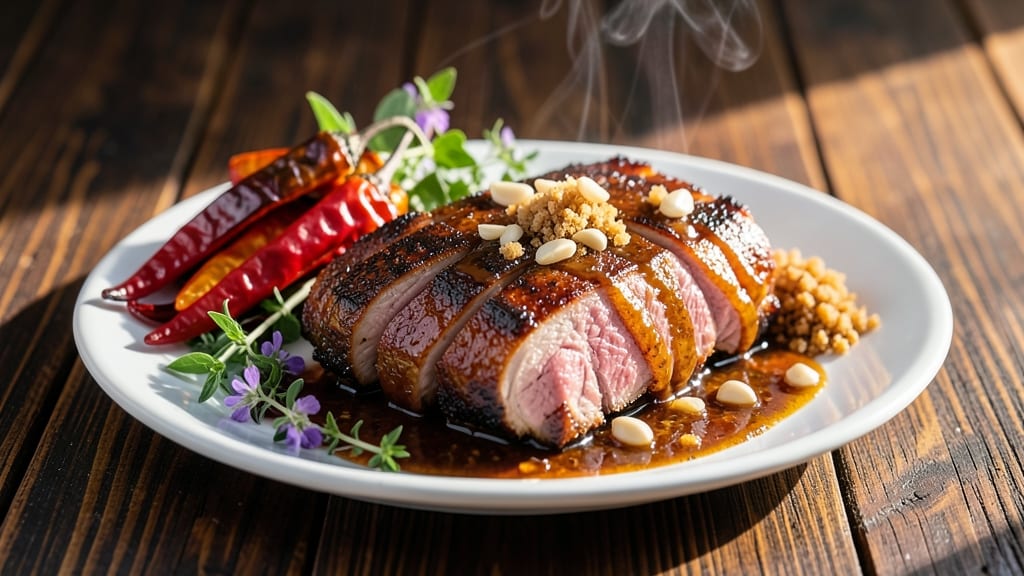
This Caribbean jerk pork loin recipe delivers a perfect balance of bold spice crust and fall-apart tenderness—the kind of dish that transforms a weeknight into a flavor-packed celebration. 🔥 After years of perfecting jerk techniques in Atlanta's competitive BBQ scene, I've developed a method that captures the authentic smoky-sweet heat without requiring a smoker.
The secret lies in marinating overnight, which allows the spices to penetrate deeply while creating that signature charred bark.
The recipe begins with a homemade jerk seasoning blend—allspice, Scotch bonnet peppers, thyme, and garlic—that transforms simple pork into something extraordinary. You'll cook the loin using a combination of grilling and roasting techniques, ensuring the exterior gets that perfect crust while the interior stays juicy and tender.
This is the kind of dish that pairs beautifully with classic sides like coconut rice, fried plantains, or a crisp coleslaw to complete the Caribbean experience.
What makes this recipe truly special is how it delivers on that tender promise—every bite is juicy and flavorful, with the spices perfectly balanced. The marinade works its magic overnight, while the cooking method ensures you won't end up with dry meat.
Whether you're serving this for a weekend dinner or a festive gathering, it's a dish that always impresses. The aroma alone will have everyone gathering around the table, eager for their first taste.
For those who love to experiment, I've included variations for different cooking methods—grill, oven, or even slow cooker—so you can adapt it to your kitchen setup. The key is patience and attention to detail, but the results are worth every minute.
Let's get started on creating a dish that tastes like a Caribbean vacation in every bite.
Ingredients for caribbean jerk pork loin
Six ingredients transform simple pork into Caribbean-inspired flavor magic—spice-packed and impossibly tender.
| Ingredient | Amount | Notes |
|---|---|---|
| Pork Loin 🐖 | 3 lb | Center-cut, bone-in preferred |
| Allspice Berries 🌶️ | 2 tbsp | Whole berries, lightly crushed |
| Scotch Bonnet Peppers 🌶️ | 2 whole | Seeds removed for milder heat |
| Fresh Thyme 🌿 | ½ cup | Stems removed, finely chopped |
| Garlic Cloves 🧄 | 8 cloves | Peeled, minced finely |
| Brown Sugar 🍚 | ½ cup | Light or dark variety |
| Soy Sauce 🍶 | ¼ cup | For umami depth |
| Lime Juice 🍋 | ½ cup | Freshly squeezed |
| Olive Oil 🫒 | ¼ cup | Extra-virgin preferred |
| Ground Black Pepper 🌶️ | 1 tbsp | Freshly cracked |
| Salt 🧂 | 2 tbsp | Diamond Crystal preferred |
| Honey 🍯 | 2 tbsp | For sweet-savory balance |
| Cinnamon Sticks 🌿 | 2 whole | For aromatic depth |
| Scotch Bonnet Pepper Seeds 🔥 | 1 tsp | Optional for extra heat |
The pork loin is non-negotiable here—bone-in, center-cut stays juicier during cooking. Whole Foods or local butchers often carry the best quality, but any well-marbled loin works. For the Scotch bonnet peppers, Caribbean markets or specialty grocers are your best bet—they've got the freshest, most vibrant ones. If you can't find them, habanero peppers work in a pinch, but reduce the seeds for milder heat. The allspice berries? Penzeys Spices sells them whole, or look for them in the bulk section at natural food stores. Pro tip: crush them lightly with the flat side of your knife to release their aromatic oils without turning into powder.
No Scotch bonnet? Habanero or even a mix of cayenne and sweet bell pepper can mimic that smoky-sweet heat. Fresh thyme unavailable? Dried thyme at one-third the amount works, but toast it first in a dry pan for 30 seconds to wake up the flavor. The soy sauce is essential—low-sodium if you're watching salt. For the lime juice, Mexican limes have more punch than regular ones, but any fresh lime will do. The honey should be raw and unfiltered for the best flavor, but regular grocery store honey works fine. If you're avoiding honey, maple syrup works beautifully in equal amounts. For the cinnamon sticks, Ceylon cinnamon is the most authentic, but regular cassia works too.
Marinate the pork overnight for maximum flavor penetration—24 hours max, or the meat can get mushy. Store the marinade in a sealed container in the fridge, and give the pork a good shake every 6-8 hours. The cooked loin keeps 3-4 days in the fridge, wrapped tightly in foil. For leftovers, reheat gently in a skillet with a splash of water or broth to keep it moist. Freezes beautifully for up to 3 months—portion into individual servings for easy reheating. The jerk seasoning blend itself? It keeps for 3 months in an airtight container, perfect for future BBQ adventures.
Why You'll Love This Recipe
- Minimal Chopping Required: I swear by this—just slice the pork loin into medallions, crush those garlic cloves with the side of your knife, and toss everything in a bowl. No dicing, no fussing, no small cuts that make your hands ache.
- That Smoky Heat Hit: Between the Scotch bonnet (use gloves!) and allspice berries, this isn’t just flavor—it’s a vibe. The char from the grill or pan sear locks in the spices, giving you that deep, caramelized crust that makes every bite sing.
Step-by-step instructions for Caribbean jerk pork loin
Here's how to transform a simple pork loin into restaurant-quality jerk with perfect balance.
👨🍳 Step 1: Create the Jerk Marinade
In a food processor, combine the 2 whole Scotch Bonnet peppers (seeds removed), 2 tbsp allspice berries, 2 whole cinnamon sticks, 8 cloves garlic, 0.5 cup fresh thyme, 0.5 cup brown sugar, 2 tbsp honey, 0.25 cup soy sauce, 0.5 cup lime juice, 1 tbsp ground black pepper, and 2 tbsp salt. Pulse until the mixture forms a coarse paste—you want texture, not a smooth sauce.
With the processor running, slowly add the 0.25 cup olive oil through the feed tube. This creates an emulsified marinade that clings beautifully to the meat. Transfer to a bowl and let sit at room temperature for 10 minutes to allow the spices to bloom and release their aromas.
🥘 Step 2: Apply and Marinate the Pork
Pat the 3 lb pork loin dry with paper towels—this is crucial for developing that signature crispy jerk crust. Rub the marinade all over the meat, pressing it into every crevice. Place the pork in a resealable plastic bag and massage it gently to ensure even distribution.
Seal the bag and refrigerate for at least 12 hours, but I recommend 24 hours for maximum tenderness and flavor penetration. The acidity from the lime juice and Scotch Bonnet will begin breaking down the muscle fibers, while the spices infuse deeply. Turn the bag occasionally to ensure even coating.
🔥 Step 3: Sear for Color and Crust
Preheat your oven to 400°F. Heat a heavy oven-safe skillet over high heat until it's screaming hot. Add the marinated pork and sear for 3-4 minutes per side until you achieve deep brown coloration—this is where all the flavor magic happens. The crust should be dark and slightly charred in spots.
Transfer the skillet to the preheated oven and roast for 25-30 minutes, or until the internal temperature reaches 145°F. The pork should be tender but still slightly pink in the center—it will carry over to 150°F as it rests. Don't be tempted to overcook; jerk pork should be fall-apart tender, not dry.
⏰ Step 4: Rest and Slice
Remove the pork from the oven and tent loosely with foil. Let it rest for 15-20 minutes before slicing—this is non-negotiable. The resting period allows the juices to redistribute, ensuring each slice is moist and flavorful. If you slice too soon, all that delicious juice will run out onto your cutting board.
Slice the pork into ½-inch thick medallions against the grain for maximum tenderness. The exterior should be dark and crusty, while the interior remains juicy and pink. Arrange the slices on a platter and drizzle with any accumulated pan juices for extra flavor. Serve immediately with your favorite sides to enjoy that perfect balance of sweet, spicy, and smoky flavors.
Pro Tips For Making Caribbean Jerk Pork Loin
- CHAR THE PEPPERS FIRST: Toss whole Scotch bonnet peppers in oil and char them directly over a gas flame or under a broiler before blending into the marinade. The smoky depth they add is what separates home-cooked jerk from the real deal—no need to burn the whole batch, just scorch the skins until blackened in spots.
- CRUSH ALL SPICE WHOLE: Skip pre-ground allspice and toast the whole berries in a dry pan until fragrant, then grind them fresh with the garlic and thyme. I used to use powdered allspice, and the flavor was always flat—this step makes a real difference, especially if you’re using store-bought blends.
- MARINATE COLD, NOT LONG: Refrigerate the pork loin in the jerk marinade for no more than 4 hours—any longer and the Scotch bonnet’s heat will start breaking down the meat. I learned this after a Thanksgiving disaster where the pork turned mushy; cold marinating preserves texture while letting flavors sink in.
- SEAR IN BATCHES: Don’t crowd the pan when searing—work in two rounds if needed. Overloading steams the pork instead of browning, and you’ll end up with sad, pale slices. A hot, oiled skillet with just the pork and a splash of marinade is all you need for that sticky, caramelized crust.
Common mistakes when making your caribbean jerk pork loin
Skipping the Marinade
One of the biggest mistakes I see is rushing the marinating process. The jerk marinade needs at least 12 hours to work its magic, but I always recommend 24 hours for maximum flavor penetration and tenderness.
Skipping this step means the spices will only cling to the surface, leaving you with a flavorless interior. The acidity from the lime juice and Scotch bonnet peppers breaks down muscle fibers, making the meat fall-apart tender.
Trust me, the extra time is worth it—your taste buds will thank you. 💫
Overcooking the Pork
Jerk pork should be tender, not tough. I can't stress enough how important it is to check the internal temperature—145°F is your target, not the 160°F you might use for other cuts. Overcooking dries out the meat and ruins the texture.
Use a meat thermometer for accuracy, and remember that the temperature will rise another 5-10°F as the pork rests. Resting is non-negotiable—it lets the juices redistribute, ensuring each bite is moist and flavorful.
Using the Wrong Heat Source
Many home cooks try to replicate jerk pork on a stovetop or in a slow cooker without achieving that signature crust. The key is high heat for searing, followed by controlled oven roasting. If you're grilling, preheat to medium-high heat (400-450°F) to get that deep char.
For oven-only cooking, use a heavy skillet to sear first, then transfer to the oven. The crust is where all the flavor lives—don’t skip this step! ⚡
Ignoring the Resting Period
This is a cardinal sin in my book. Slicing pork immediately after cooking causes all the juices to escape, leaving you with dry, flavorless slices. Always let the pork rest for 15-20 minutes before cutting.
During this time, the meat reabsorbs its juices, creating a perfectly moist interior. Pro tip: Tent the pork loosely with foil to keep it warm without steaming it. Patience here makes all the difference.
Substituting Spices Incorrectly
Allspice and Scotch bonnet peppers are the heart of jerk flavor, and they can't be easily substituted. If you can't find Scotch bonnet peppers, habaneros are your best bet—but reduce the seeds for milder heat.
Allspice berries are non-negotiable; ground allspice won't give you the same depth of flavor. The combination of these spices creates a unique, aromatic profile that's hard to replicate. Don't cut corners here—your dish will suffer.
Not Patting the Meat Dry
Before applying the marinade, always pat the pork loin dry with paper towels. This step is crucial for developing that signature crispy jerk crust. Wet meat steams instead of searing, which means no flavorful bark.
Take the extra 5 minutes to dry the meat thoroughly—it’s worth the effort for that perfect charred exterior. 🔥
Nutrition facts
Frequently asked questions
Can I use boneless pork loin instead of bone-in?
Yes, but boneless pork loin will cook faster and may dry out more quickly. For best results, use a bone-in center-cut loin—the bone helps retain moisture and adds flavor. If using boneless, reduce oven temperature to 375°F and check for doneness at 140°F internal temp. The bone also helps stabilize the meat during cooking.
How do I adjust the heat level for kids or sensitive eaters?
Remove the seeds from the Scotch bonnet peppers completely and reduce the amount to 1 pepper instead of 2. Also cut the Scotch bonnet pepper seeds down to ½ teaspoon instead of 1 teaspoon. For extra mildness, substitute with ½ teaspoon cayenne pepper instead of the seeds. The allspice and thyme will still provide depth without the heat.
What's the best way to reheat leftovers?
Slice the pork into ½-inch medallions first, then reheat in a skillet over medium-low heat with 1 tablespoon olive oil and 1 tablespoon water per serving. Cover and heat for 3-4 minutes until warmed through. Microwaving can make the meat dry—never reheat straight from the fridge without moisture. Leftovers keep for 3-4 days in the fridge.
Can I make this in a slow cooker instead of oven?
Yes, but you'll miss the signature crust. Sear the pork first in a skillet, then place it in the slow cooker with ½ cup marinade (reserve the rest for basting). Cook on low for 6-7 hours or high for 3-4 hours until tender. The meat will be moist but lack the charred exterior. For best results, finish by broiling for 3-4 minutes to create some color.
What sides pair best with jerk pork loin?
Classic Caribbean sides include coconut rice (made with coconut milk and lime), fried plantains (sweet and caramelized), or Jamaican-style coleslaw with a tangy vinegar dressing. For a complete meal, add black beans or grilled pineapple slices. The sweetness of the fruit balances the spicy-sweet jerk flavors beautifully.