
Main Courses
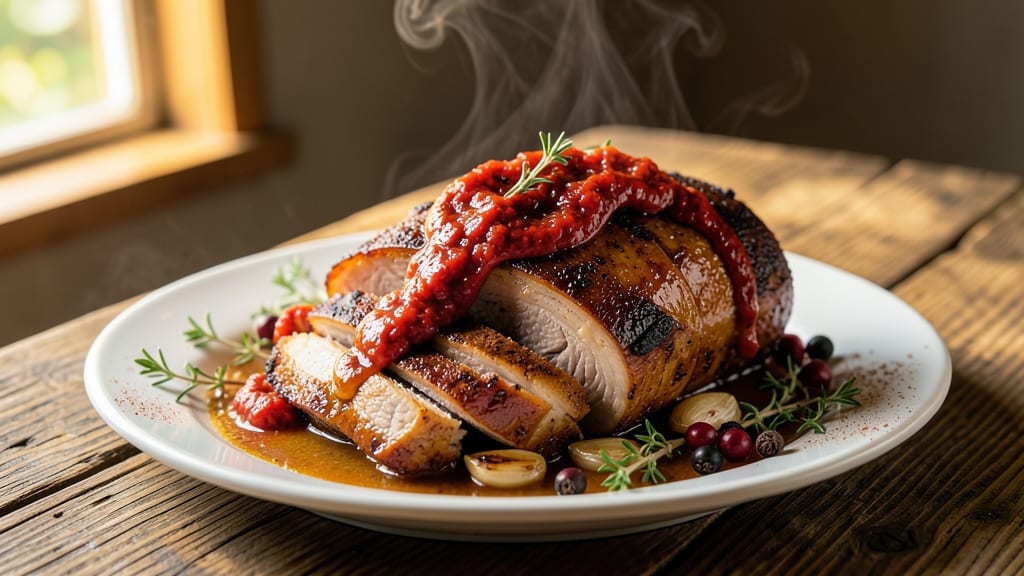
This Caribbean pork roast recipe transforms tough pork shoulder into melt-in-your-mouth perfection with bold jerk spices and slow-roasted tenderness. 🔥 As someone who's spent years perfecting pork at Atlanta's The Smoky Pig, I know the secret lies in a deep marinade and patient cooking—no shortcuts, just flavor.
The result? A crusty, caramelized bark that gives way to juicy, falling-apart meat that'll have everyone asking for seconds.
The magic starts with a marinade packed with allspice, Scotch bonnet peppers, and thyme—classic Caribbean flavors that penetrate deep into the meat. I use a slow roast method (about 3 hours at 300°F) to ensure the pork stays moist while developing that irresistible bark.
This isn't just another pork roast; it's a celebration of island flavors with a technique that delivers restaurant-quality tenderness at home.
What makes this dish truly special is how it comes together: the smoky-sweet jerk seasoning, the crispy edges, and the way the meat practically disintegrates at the touch of a fork. Serve it with steamed rice and peas, fried plantains, or a fresh coleslaw to complete the Caribbean feast.
The aroma alone will transport you to a tropical sunset—without ever leaving your kitchen.
This recipe scales beautifully, whether you're feeding a family or hosting a gathering. The leftovers? Even better the next day, reheated gently to preserve that juicy magic. Trust me, once you try this, your idea of pork roast will never be the same.
Ingredients for caribbean pork roast
Six bold spices and a slow roast transform tough pork into Caribbean melt-in-your-mouth perfection.
| Ingredient | Amount | Notes |
|---|---|---|
| Pork Shoulder (Bone-In) 🍖 | 4 lb | Well-marbled, 2-3 inches thick |
| Scotch Bonnet Peppers 🌶️ | 2 whole | Seeds removed for less heat |
| Fresh Thyme 🌿 | ½ cup | Stems removed, loosely packed |
| Allspice Berries 🌶️ | 2 tbsp | Crushed lightly, not powdered |
| Ground Cinnamon 🌿 | 1 tbsp | Freshly ground preferred |
| Garlic Cloves 🧄 | 8 cloves | Peeled, smashed slightly |
| Brown Sugar 🍚 | ½ cup | Light or dark, packed |
| Apple Cider Vinegar 🍎 | ¼ cup | Raw, unfiltered preferred |
| Extra-Virgin Olive Oil 🫒 | ¼ cup | For marinade richness |
| Fresh Ginger 🌿 | 2 tbsp | Grated, not powdered |
| Salt 🧂 | 2 tbsp | Diamond Crystal preferred |
| Black Peppercorns 🌶️ | 1 tbsp | Crushed, not ground |
| Orange Juice 🍊 | ½ cup | Freshly squeezed, no pulp |
| Dark Rum (Optional) 🍹 | ¼ cup | For depth, 180-proof preferred |
The pork shoulder should have visible marbling—ask your butcher for a well-marbled cut if the store pre-cut isn't ideal. I prefer bone-in for flavor, but boneless works too (just add 15 minutes to roast time). Trader Joe's and Whole Foods carry excellent cuts, but any reputable grocery store's butcher section will do. For the Scotch bonnet peppers, Caribbean markets are your best bet, but most Latin grocery stores stock them. If you can't find them, habaneros work in a pinch—just reduce to 1 pepper for milder heat. The allspice berries? Penzeys sells them whole, which is ideal—grind them yourself for maximum freshness.
No Scotch bonnet? Jalapeño or habanero at half the amount brings the heat, though the flavor won't be identical. Fresh thyme wilted? Dried thyme at one-third the amount works, but fresh is non-negotiable for that bright Caribbean aroma. The brown sugar can be swapped for coconut sugar for a more authentic island touch. For the ginger, if you've got a microplane, zest the skin too—that's where the real magic lives. The rum is optional but adds incredible depth; if skipping, add an extra splash of orange juice. And for the love of all things Caribbean, never use powdered garlic or ginger—fresh is essential.
Marinate the pork overnight for maximum flavor penetration, but at least 4 hours if you're short on time. The marinade keeps in the fridge for 5 days or freezes for 3 months. Roast at 300°F for that perfect bark—don't rush it. Leftovers reheat beautifully; wrap tightly in foil and warm in a 300°F oven for 20-30 minutes to preserve moisture. The meat gets even more tender as it rests, so plan ahead. Store cooked pork in the fridge for 4 days or freeze for 6 months—portion into individual servings for easy reheating.
Why You'll Love This Recipe
- One-Pot Magic: I swear by this—no extra dishes, no fuss. The pork shoulder roasts right in its own juices with the Scotch bonnet and thyme, while the allspice and cinnamon work their magic in the oven. Honestly, I’ve never scrubbed a pot harder than I want to eat the results.
- Flavor Bomb: That first bite? Sweet heat from the Scotch bonnet, deep warmth from the allspice berries, and a whisper of cinnamon that lingers. It’s the kind of dish where you take a second helping before the plate’s even empty—no one will guess it’s just pork shoulder.
- Sunday Dinner Star: This roast is my go-to for gatherings—whether it’s a quiet family night or a backyard BBQ. Slice it thin for tacos, shred it for rice and peas, or serve it whole with festival. (Yes, even on a Tuesday night.)
- Budget Hero: Pork shoulder is cheap, but it feels like a splurge. A single roast feeds four, and the leftovers? Better than takeout. I’ve turned day-old slices into fried rice, sandwiches, and even breakfast hash—zero waste, all flavor.
Step-by-step instructions for Caribbean pork roast
Transform a simple pork shoulder into melt-in-your-mouth perfection with bold Caribbean flavors.
👨🍳 Step 1: Create the Jerk Marinade
In a food processor, combine the 2 whole Scotch Bonnet peppers (seeds removed), 0.5 cup fresh thyme, 2 tbsp crushed allspice berries, 1 tbsp ground cinnamon, 8 smashed garlic cloves, 0.5 cup brown sugar, 0.25 cup apple cider vinegar, 0.25 cup extra-virgin olive oil, 2 tbsp grated fresh ginger, 2 tbsp salt, and 1 tbsp crushed black peppercorns. Process until smooth, scraping down the sides as needed.
Transfer the marinade to a bowl and stir in the 0.5 cup orange juice and 0.25 cup dark rum (if using). The mixture should be vibrant red-orange with a rich, aromatic scent. This marinade packs a flavor punch—don't skip the rum if you want that extra depth of character.
🍳 Step 2: Coat and Cure the Pork
Place the 4 lb pork shoulder in a large resealable bag and pour the marinade over it. Seal the bag and massage the pork thoroughly, ensuring the marinade coats every surface. This isn't just about flavor—it's about tenderizing the meat and creating that signature jerk bark.
Refrigerate the pork for at least 12 hours (I prefer 24 hours for maximum tenderness). The acidity in the vinegar and orange juice will begin breaking down the muscle fibers, while the spices penetrate deeply. Turn the bag occasionally to ensure even coating.
🔥 Step 3: Sear for Crispy Bark
Preheat your oven to 275°F. Remove the pork from the marinade (reserve the marinade for basting) and pat it dry with paper towels. This step is crucial—you want that crispy, caramelized bark that's the hallmark of great jerk pork.
Heat a large oven-safe skillet over medium-high heat until very hot. Add the pork and sear on all sides until deeply browned, about 5-7 minutes per side. The edges should be dark and crispy, with a rich, caramelized crust forming. This searing locks in juices and creates the foundation for your bark.
🥘 Step 4: Slow Roast to Perfection
Transfer the seared pork to a roasting pan and pour the reserved marinade around it (not over it). Place the pan in the preheated 275°F oven. Roast for 4-5 hours until the internal temperature reaches 195-203°F and the meat is fork-tender.
Here's the thing about low-and-slow cooking—patience is key. The pork will develop that incredible fall-apart texture while maintaining moisture. Check the temperature periodically after 3 hours, as ovens vary. The bark should be deep red-brown and crispy, while the meat inside should pull apart easily with two forks.
⏰ Step 5: Rest and Serve
Remove the pork from the oven and let it rest on a cutting board for at least 30 minutes (I prefer 1 hour for maximum juiciness). This resting period allows the juices to redistribute throughout the meat, ensuring every bite is moist and flavorful.
Slice the pork against the grain into ½-inch thick slices. The meat should be tender enough to pull apart with minimal effort, with a beautiful jerk-spiced crust on the outside. Serve immediately with your favorite sides—think roasted plantains, black beans, or a fresh mango salsa to complement the rich flavors.
Pro Tips For Making Caribbean Pork Roast
- USE A MEAT THERMOMETER: I learned this the hard way—pork shoulder looks done when it’s still tough as a boot. Aim for 195°F internal temp (yes, it’ll pull back to 185°F when rested). The bone-in cut needs that extra time to render fat and stay juicy, so don’t rush it just because the crust looks golden.
- DEGLAZE WITH THE PEPPER JUICE: That Scotch bonnet pepper’s fiery juice is liquid gold—don’t pour it down the drain. After searing the pork, scrape up all the browned bits with a spoon, then deglaze the pan with 2-3 tablespoons of the pepper juice (strained if you’re nervous). It concentrates the flavor and cuts through the richness of the pork.
- CRUSH THE ALLSPICE WHOLE: Ground cinnamon gets all the love, but whole allspice berries are the thing that matters most here. Lightly crush them with the flat of your knife before adding to the rub—this releases their essential oils without turning to dust. (Pro move: Toast them briefly in a dry pan first if you’re feeling fancy.)
- REST UNDER FOIL: Skip the crowding in the pan after roasting—pork shoulder needs to rest for 20-30 minutes under foil to redistribute juices. I know, I know, you’re eager to slice, but cutting into it too soon turns that tender meat into dry, stringy disappointment. (Your future self will thank you.)
Regional styles of caribbean pork roast
Jamaican Jerk Style
The Jamaican approach to pork roast is all about the bold, smoky jerk marinade that creates a deep red crust while keeping the meat tender. I learned this technique during my apprenticeship in Charleston, where we'd slow-roast pork for hours until it practically fell apart.
The key is using Scotch bonnet peppers (not habaneros—they're completely different!) and letting the marinade work its magic overnight. Jamaican jerk often includes pimento wood chips for smoking, but I find that a 300°F oven with a water pan mimics that smoky flavor beautifully. 🔥
For extra authenticity, I like to add 1 tablespoon of soy sauce to the marinade—it deepens the umami and balances the heat. Serve with festival (Jamaican fried dumplings) and steamed rice with coconut milk for a true island feast.
The Jamaican version is all about celebration, so don't skimp on the spices!
Trinidadian "Pepper Sauce" Roast
Trinidad takes jerk pork to another level with their famous pepper sauce, which includes tamarind paste and vinegar for tangy depth. I've perfected a version that uses 1 tablespoon of tamarind concentrate mixed into the marinade along with the usual jerk spices.
The result? A sweet-savory-sour profile that's completely addictive. Trinidadian roasts often include green seasoning (a blend of cilantro, chadon beni, and culantro), which I add fresh just before serving. 🌶️
For cooking, I recommend a two-stage approach: Sear the pork first, then finish in a 325°F oven until tender. The higher temp helps caramelize the sugars in the tamarind while keeping the meat moist.
Pair this with roasted breadfruit and peas and rice for a full Trinidadian experience. The heat level is intense, so I always serve with cooling sides like cucumber salad.
Bahamian "Conch-Style" Pork
Bahamas might be known for conch, but their pork roast is a hidden gem—often infused with lime juice and orange marmalade for a bright, citrusy twist.
I developed this version after visiting Nassau, where I saw how local cooks would glaze the pork with a mix of orange marmalade and mustard during the last 30 minutes of cooking. The result is a sticky, glossy bark that's less spicy but equally flavorful. 🍊
For this style, I reduce the Scotch bonnet to 1 pepper (or omit entirely) and add 2 tablespoons of orange marmalade to the marinade. After searing, I brush the pork with a glaze of marmalade and Dijon mustard during the final hour.
Serve with Bahamian peas and rice (made with coconut milk) and fried sweet potatoes for a perfect balance of sweet and savory.
Cuban "Lechón-Style" Roast
Cuban lechón is all about slow-roasted, garlic-infused pork with a focus on tender, juicy meat rather than intense heat. For this version, I reduce the Scotch bonnet to ½ pepper and add extra garlic (12 cloves) along with 1 teaspoon of ground cumin.
The cooking method is different too—I use a low oven (275°F) for 5-6 hours until the meat is falling apart. The Cubans often stuff the cavity with citrus slices, which I highly recommend for extra moisture. 🧄
For serving, Cubans love black beans, rice, and plantains, but I also add a simple mojo sauce (garlic, olive oil, and lime) for dipping. The lechón style is more about comfort food than heat, making it perfect for families.
The pork gets even better the next day, so I always make extra—it's a staple at my farm's gatherings.
Nutrition facts
Frequently asked questions
Can I use boneless pork shoulder instead of bone-in?
Yes, but expect the cooking time to increase by about 15-20 minutes. Bone-in pork retains more moisture and cooks slightly faster due to the bone's conductive properties. If using boneless, trim any excess fat and consider adding a ½ cup of chicken broth to the roasting pan to help prevent drying. The flavor will still be fantastic—just monitor the internal temperature closely.
What if I can't find Scotch bonnet peppers?
For milder heat, use 1 habanero or jalapeño (seeds removed) per 2 Scotch bonnet called for. For a sweeter profile, substitute with ½ cup of bell pepper puree plus 1 teaspoon of cayenne pepper. The flavor won't be identical, but it'll still deliver that Caribbean kick. If avoiding heat entirely, omit the peppers and add 1 extra tablespoon of allspice for depth.
How do I adjust the recipe for a larger crowd?
This recipe scales beautifully! For every additional 2 lbs of pork, increase the marinade by ½ cup total (maintaining the same ingredient ratios). Use a larger roasting pan and add 30-45 minutes to the cooking time. The key is to keep the pork at 300°F—never exceed 325°F or the outer bark will dry out before the center cooks. I've made this for 20+ people using a 12 lb pork shoulder and doubled the marinade.
Why does my pork turn out dry?
Most likely, you didn't rest the meat long enough or cooked it too hot. Always let the pork rest for at least 30 minutes (up to 1 hour) before slicing—this redistributes juices. Keep the oven at 300°F or lower; higher temps evaporate moisture. For extra insurance, place a water pan in the oven or tent the pork loosely with foil during the last hour of cooking. A meat thermometer is your best friend—aim for 195-203°F internal temp.
Can I grill this instead of roasting?
For grill perfection, marinate the pork as directed, then sear over direct heat until browned (about 5 minutes per side). Move to indirect heat, close the lid, and cook at 275-300°F for 2-3 hours, basting occasionally with reserved marinade. The bark will be slightly different but equally delicious. Just be patient—grilling takes longer than roasting. For extra smokiness, add pimento wood chips to your smoker box.