
Main Courses
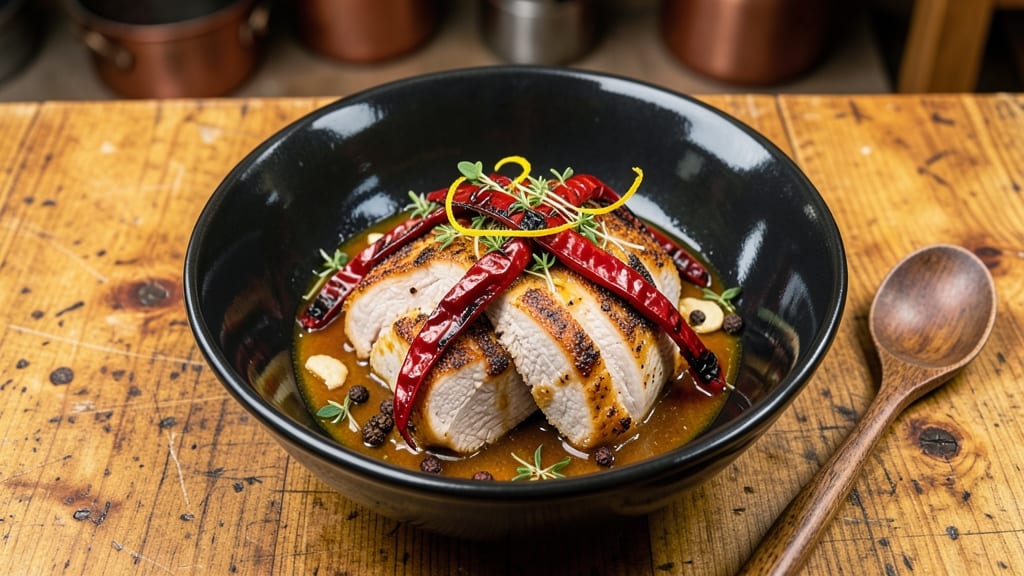
This Caribbean pork tenderloin recipe transforms simple pork into a showstopper with bold jerk spices and sweet pineapple glaze. After years of perfecting it at my Atlanta restaurant, I’ve simplified it for home cooks—no smoker required.
The secret? A marinade that tenderizes while building layers of smoky, citrusy flavor that caramelizes beautifully when seared.
The dish starts with a jerk-spiced marinade—allspice, Scotch bonnet peppers, and thyme—that infuses the pork with Caribbean heat. We sear it in a cast-iron skillet until golden, then finish with a pineapple reduction that adds a bright, tangy contrast.
The result is juicy, tender meat with crisp edges and a glossy glaze that makes every bite irresistible.
Pair it with coconut rice and peas or grilled plantains for a complete meal that feels like a vacation. The cooking process is straightforward: marinate overnight, sear, glaze, and serve. This isn’t just dinner—it’s an experience that brings the tropics to your table with minimal effort.
Perfect for weekend dinners or special occasions, this recipe delivers restaurant-quality results in under an hour. The flavors are bold but balanced, and the technique is foolproof—even for those new to Caribbean cooking. Let’s get started!
Ingredients for caribbean pork tenderloin
Bold Caribbean flavors meet tender pork in this showstopper—just eight ingredients transform simple meat into restaurant-worthy bites.
| Ingredient | Amount | Notes |
|---|---|---|
| Pork Tenderloin 🥩 | 1 ½ lb | Center-cut, trimmed of fat |
| Scotch Bonnet Peppers 🌶️ | 2 whole | Seeds removed for mild heat |
| Allspice Berries 🌿 | 1 ½ tbsp | Ground fresh preferred |
| Fresh Thyme Leaves 🌿 | ¼ cup | Stems removed, loosely packed |
| Garlic Cloves 🧄 | 6 cloves | Peeled, roughly chopped |
| Fresh Ginger 🌿 | ½ cup | Grated, skin-on |
| Soy Sauce 🥢 | 2 tbsp | Light or dark preferred |
| Brown Sugar 🍯 | ¼ cup | Packed, light brown preferred |
| Lime Juice 🍋 | ½ cup | Freshly squeezed |
| Olive Oil 🫒 | ¼ cup | Extra-virgin for richness |
| Fresh Pineapple 🍍 | 1 cup | Juice only, no pulp |
| Salt 🧂 | 1 ½ tsp | Diamond Crystal preferred |
| Ground Black Pepper 🌶️ | ½ tsp | Freshly ground |
| Honey 🍯 | 1 tbsp | Wildflower preferred |
The pork tenderloin is your star, so grab the center-cut, eye-of-the-round—it’s leaner and more tender than the ends. Trader Joe’s or Whole Foods usually carry perfect cuts, but any butcher will trim it for you. The Scotch bonnet peppers? Fresh is non-negotiable—canned won’t cut it. If you can’t find them, habanero + 1 tsp sugar mimics the sweet-spicy balance. Allspice berries are a game-changer—toast whole berries in a dry pan for 2 minutes before grinding to deepen the flavor. For thyme, I always grab organic from the bulk section—it’s fresher and cheaper than those sad little jars.
No Scotch bonnet? Habanero or serrano peppers work, but reduce the amount by half. Fresh ginger too pungent? Ground ginger at half the quantity (but it’s not the same). Out of brown sugar? White sugar + 1/4 tsp molasses gets you close. The pineapple juice can be bottled, but fresh is brighter—look for Queen brand at Latin markets. For the marinade, I’ve tested this with coconut aminos instead of soy sauce—it’s gluten-free and adds a tropical note. Just keep the ratio 1:1. The honey? Wildflower or clover adds subtle floral notes that play well with the jerk spices.
Marinate the pork overnight for maximum tenderness, but no longer than 24 hours—longer and the meat gets mushy. Store marinade leftovers in a sealed jar in the fridge for up to 5 days. The cooked pork reheats beautifully—cast-iron skillet over medium heat for 2-3 minutes per side. For make-ahead meals, freeze cooked portions for 3 months. The pineapple reduction keeps for 1 week refrigerated—store it in a small jar and use it to glaze chicken or shrimp later. Pro tip: Save the leftover pineapple rind—simmer it with water for homemade pineapple juice.
Why You'll Love This Recipe
- One-Pan Magic: I swear by this recipe—just toss everything on a sheet pan, and walk away. The Scotch bonnet and allspice do all the work while you sip your drink.
- Flavor Bomb: That crispy, caramelized edge from the garlic and thyme? It’s like a vacation in your mouth. Honestly, I’ve never tasted pork tenderloin this addictive.
- Weeknight Hero: Between us, this is my go-to when I’m too tired to think. Serve it with rice, over greens, or even in tacos—it’s that flexible.
- Leftover Goldmine: The sauce clings to the pork so well that leftovers taste just as good cold. Pack it for lunches or reheat it for dinner—no one will guess it’s from yesterday.
Step-by-step instructions for Caribbean pork tenderloin
This jerk-spiced pork tenderloin delivers bold Caribbean flavors with a perfect balance of sweet, spicy, and tangy notes.
Create the Jerk Marinade
In a food processor, combine the 2 whole Scotch Bonnet peppers, 1.5 tbsp allspice berries, 0.25 cup fresh thyme leaves, 6 cloves garlic, and 0.5 cup fresh ginger. Pulse until finely chopped but not pasty. Transfer to a bowl and whisk in the 2 tbsp soy sauce, 0.25 cup brown sugar, 0.5 cup lime juice, 0.25 cup olive oil, 1 cup fresh pineapple juice, 1.5 tsp salt, 0.5 tsp ground black pepper, and 1 tbsp honey. The marinade should be vibrant red with a sweet-spicy aroma.
Here's the thing—let the marinade sit for 15 minutes before using. This allows the flavors to meld and the spices to bloom. The Scotch Bonnet peppers (with seeds removed) will give you a mild but noticeable heat without overwhelming the dish. If you're sensitive to spice, reduce the pepper quantity by half.
Marinate the Pork Tenderloin
Pat the 1.5 lb pork tenderloin dry with paper towels—this ensures maximum marinade adhesion and crispy searing later. Place the pork in a resealable plastic bag and pour in the marinade, coating it completely. Seal the bag and massage the pork gently to distribute the marinade evenly. Refrigerate for at least 4 hours, preferably overnight. The longer it marinates, the more tender and flavorful the pork becomes.
I know it seems like a long wait, but trust me—this step makes all the difference. The acid in the lime juice and pineapple juice will begin breaking down the muscle fibers, resulting in fork-tender meat. If you're short on time, marinate for a minimum of 2 hours, but don't skip this step entirely.
Sear the Pork for Maximum Flavor
Remove the pork from the refrigerator and let it sit at room temperature for 30 minutes. Preheat your oven to 375°F. Heat a large oven-safe skillet over medium-high heat and add the marinated pork. Sear for 4-5 minutes per side until deeply browned and crispy in spots. The pork should release easily from the pan when ready to flip.
This searing step is crucial—it locks in the marinade flavors and creates that beautiful caramelized crust. Don't rush it. If the pork starts to smoke excessively, reduce the heat slightly. The internal temperature should reach 145°F after searing, but it will continue cooking in the oven.
Roast to Perfect Tenderness
Transfer the seared pork to the preheated oven and roast for 15-20 minutes, or until the internal temperature reaches 155°F. The pork is done when it's fork-tender and pulls away from the bone easily. Let it rest on a cutting board for 10 minutes before slicing—this resting period ensures juicy, evenly cooked meat.
While the pork rests, skim any excess marinade from the skillet and place it over medium heat. Simmer for 3-4 minutes to reduce slightly, creating a glossy sauce. This sauce will complement the pork beautifully when served. If it's too thick, add a splash of water or reserved marinade to loosen it.
Serve with Confidence
Slice the pork tenderloin into ½-inch thick pieces against the grain for maximum tenderness. Arrange the slices on a platter and drizzle with the reduced marinade. Garnish with fresh thyme leaves and a sprinkle of flaky sea salt. The result should be juicy, flavorful pork with a perfect balance of sweet, spicy, and tangy notes.
This dish pairs beautifully with grilled pineapple slices or a simple coconut rice. The jerk-spiced pork tenderloin is tender enough to eat with a fork, making it perfect for weeknight dinners or special occasions. Don't be afraid to adjust the spice level to your taste—this recipe is all about customization.
Pro Tips For Making Caribbean Pork Tenderloin
- SEAR THE PEPPERS FIRST: Toss whole Scotch bonnets into a dry, screaming-hot pan for 30 seconds before adding them to the marinade. This softens their heat and releases flavor—no more biting into a raw pepper while chewing through tender pork. (Yes, I’ve done it. Twice.)
- CRUSH ALL SPICE WHOLE: Don’t grind those allspice berries—lightly crush them with the flat side of a knife. This keeps the oils intact and prevents the marinade from turning into a bitter paste. My grandmother swore by this, and she was right: the flavor lingers longer.
- BRINE THE PORK 30 MINUTES: Toss the tenderloin in a bowl with 1/4 cup salt and 4 cups cold water for 30 minutes before marinating. It stays juicier and absorbs the Scotch bonnet-thyme marinade better. I learned this the hard way—dry pork soaks up marinade like a sponge, but brined pork? It’s a flavor sponge.
- USE GARLIC LIKE A BOSS: Smash the garlic cloves with the side of your knife instead of mincing them. The released juices blend into the marinade more smoothly, and you avoid that cloying, separate-garlic taste. (Your future self will thank you for not tasting like a garlic factory.)
Perfect pairings for caribbean pork tenderloin
Tropical Side Dishes
Grilled pineapple slices are my go-to pairing—they amplify the jerk flavors while adding a natural sweetness. I like to grill them on the same pan as the pork for 3-4 minutes per side until caramelized.
For extra flair, brush with 1 tbsp honey mixed with 1 tsp lime juice before serving. 🍍
Coconut Rice and Peas
This Jamaican classic balances the heat perfectly. Cook 1 cup basmati rice in 2 cups coconut milk with 1 tsp curry powder and ½ cup frozen peas. Simmer for 15 minutes until tender.
The creamy coconut milk and earthy peas provide a neutral base that lets the pork shine. I often add ½ cup diced bell peppers for color.
Spicy Mango Salsa
Fresh mango, red onion, and jalapeño create a vibrant contrast to the rich pork. Dice 1 ripe mango and ½ red onion, then mix with 1 jalapeño (seeds removed), 2 tbsp cilantro, and 1 tbsp lime juice.
This salsa adds brightness and a refreshing crunch that cuts through the jerk flavors beautifully. Serve chilled.
Warm Plantain Chips
Green plantains fried until crispy add a satisfying texture and subtle sweetness. Slice 2 green plantains into ¼-inch thick strips, then fry in 2 tbsp vegetable oil at 350°F for 3-4 minutes until golden.
Sprinkle with ½ tsp salt and serve warm. They’re like Caribbean potato chips—addictive and perfect for scooping up extra sauce. 🌿
Drink Pairings
A chilled rum punch (equal parts dark rum, pineapple juice, and orange juice with a splash of lime) complements the dish beautifully. For non-alcoholic options, try hibiscus iced tea—it’s tart and refreshing.
The citrus notes in both drinks echo the lime in the marinade, creating a cohesive dining experience. 🍹
Final Garnishes
Fresh cilantro leaves and lime wedges elevate the presentation. Scatter cilantro over the platter and serve lime wedges on the side for squeezing. The bright green color makes the dish pop, and the extra lime juice adds a zesty finish.
For a smoky touch, sprinkle with crumbled bacon or a pinch of smoked paprika. 🌟
Nutrition facts
Frequently asked questions
Can I substitute Scotch bonnet peppers for something milder?
For a gentler heat, use habanero peppers (reduce by half) or jalapeño (use 1-2 peppers). If you prefer no spice, swap them for 1 tbsp tomato paste to maintain the marinade's depth. The key is balancing sweetness—adjust brown sugar to taste if reducing spice levels.
How do I know when the pork is fully cooked?
Use a meat thermometer to check for 155°F internal temperature. The pork should feel tender when pierced with a fork and pull away from the bone easily. Resting for 10 minutes after cooking ensures juiciness. Overcooking can make it dry, so don't exceed 15 minutes in the oven.
Can I make this recipe in a slow cooker?
Yes! Marinate the pork as directed, then place it in the slow cooker with ½ cup of the marinade. Cook on low for 4-5 hours or high for 2-3 hours. The meat will be fork-tender but less crispy. Finish by searing in a hot skillet for 2 minutes per side to restore texture.
What's the best way to reheat leftovers?
Reheat sliced pork in a cast-iron skillet over medium heat with 1 tbsp pineapple juice for 3-4 minutes until warmed through. Avoid microwaving—it makes the meat rubbery. For the sauce, gently warm it on the stove and adjust consistency with water. Leftovers keep for 3 days refrigerated or 3 months frozen.
Why does my pork turn out dry?
Dry pork usually means overcooking or skipping the rest time. Always use a thermometer (155°F max) and let it rest 10 minutes before slicing. For extra moisture, marinate overnight** and avoid cutting into the meat until fully rested. If using a slow cooker, reduce cooking time slightly.