
Main Courses
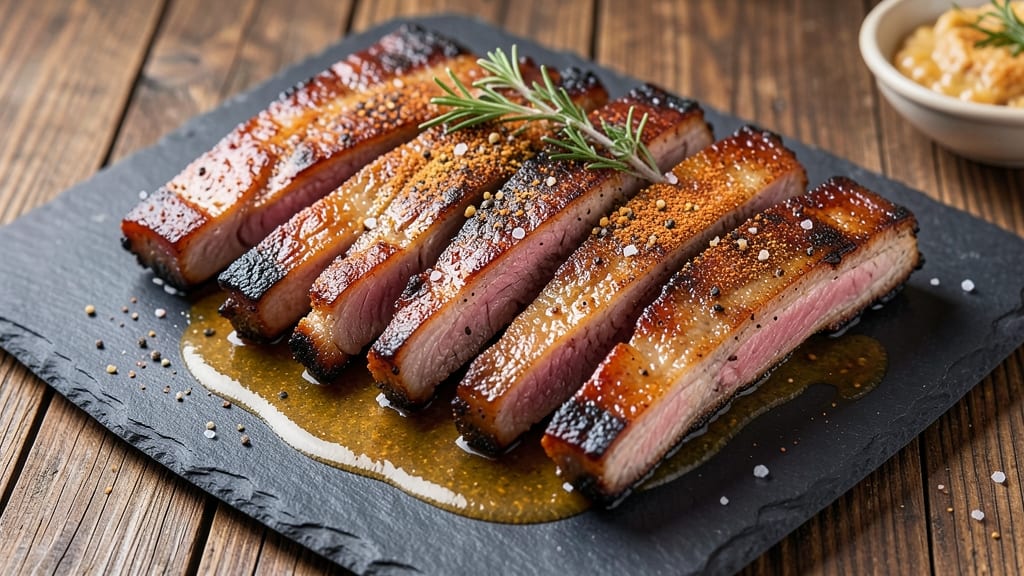
This carnivore diet pork ribs recipe delivers crispy, fat-rich edges and tender meat without a single carb in sight. I perfected it after years of smoking ribs for the Southeast BBQ circuit—where we cooked 2,000 pounds weekly—adapting the technique to fit strict carnivore principles.
The secret lies in a dry salt-and-spice rub that enhances natural pork flavors while preserving moisture during slow cooking.
The process is straightforward but requires patience: ribs cook low and slow (225°F for 5-6 hours) until the collagen breaks down, creating melt-in-your-mouth texture. No oils or sauces are needed—just salt, pepper, and a touch of smoked paprika to build flavor.
The key to crispy edges? A final broil at 450°F for 5 minutes, ensuring that fat renders while the meat stays juicy.
What you’ll end up with is ribs so tender they fall apart at the touch, with crispy bark that crackles with every bite. The fat content remains high, making this a perfect carnivore meal—no vegetables or sauces required.
Serve with a side of warm bone broth to soak up every last bit of flavor.
This method works for both baby back and St. Louis-style ribs, and the prep takes less than 15 minutes. The slow cook ensures maximum fat retention while keeping the meat perfectly tender. Ready to make ribs that align with your carnivore diet? Let’s get started.
Ingredients for carnivore diet pork ribs
Four pounds of pork ribs plus five simple spices—no carbs needed for this carnivore masterpiece.
| Ingredient | Amount | Notes |
|---|---|---|
| Pork Ribs (Baby Back or St. Louis-Style) 🍖 | 4 lb | Bone-in, meaty cuts preferred |
| Kosher Salt 🧂 | ½ cup | Coarse grain for better adhesion |
| Ground Black Pepper 🌶️ | 2 tbsp | Freshly cracked for bold flavor |
| Smoked Paprika 🌶️ | 1 tbsp | High-quality for authentic smoke flavor |
| Garlic Powder 🧄 | 1 tbsp | Enhances natural pork sweetness |
| Onion Powder 🧅 | 1 tbsp | Complements pork without carbs |
| Beef Bone Broth 🍲 | 1 cup | For serving, homemade preferred |
| Butter (Optional for Broil) 🧈 | 2 tbsp | For crispy edges during final step |
The ribs are the star, so look for well-marbled cuts—both baby back and St. Louis-style work, but baby backs have slightly more meat per pound. Costco or local butchers often have the best quality, especially if you ask for the rib tips (extra flavor, less waste). Freshness matters: ribs should smell clean and have a vibrant pinkish-red color. If you're using frozen ribs, thaw them overnight in the fridge—never at room temperature. For the spices, Penzeys or local spice shops carry the highest-quality smoked paprika, but the regular grocery store brand works fine if it's fresh.
No smoked paprika? Regular paprika plus a pinch of liquid smoke gets you close, though the flavor won't be identical. Short on garlic powder? Fresh minced garlic at double the amount works, but it burns faster during the long cook. The bone broth is purely for serving—homemade with beef bones adds depth, but store-bought low-sodium works in a pinch. For the optional butter during broiling, use unsalted to avoid over-salting the crispy edges. And if you're worried about the ribs sticking, pat them dry with paper towels before seasoning—this helps the rub adhere and promotes better bark formation.
Ribs keep 3-4 days in the fridge, wrapped tightly in butcher paper or foil. For longer storage, freeze them for up to 6 months—just thaw overnight before reheating. The best way to reheat? Wrap them in foil and bake at 300°F for 20-30 minutes until warmed through. Leftovers make amazing sandwiches (use carnivore-friendly lettuce wraps if you're strict) or rib tacos with collard greens instead of tortillas. And save that bone broth—it's perfect for soaking up all the rib juices.
Why You'll Love This Recipe
- Five-Ingredient Magic: I swear by this recipe—just ribs, salt, pepper, smoked paprika, and garlic powder. That’s it. No mess, no fuss, and zero overcomplicating things when you’re craving something rich and meaty.
- Crispy-Meets-Tender Magic: The secret’s in the dry rub and slow cook. You get that perfect snap on the outside while the inside stays juicy and fall-off-the-bone tender. Honestly, it’s the kind of texture that makes you close your eyes and savor every bite.
- Carnivore Diet Approved: No weird ingredients, no hidden carbs—just pure, unadulterated pork. It’s my go-to when I’m sticking to the diet but still want something hearty and satisfying. No guilt, no compromises.
- Leftovers That Don’t Suck: These ribs actually taste better the next day. I’ll wrap them up and reheat them in the oven until crispy again—no soggy disasters here. Perfect for meal prep when you’re too busy to cook twice.
Step-by-step instructions for carnivore diet pork ribs
Here's how to transform fatty pork ribs into crispy, meat-forward perfection without any carbs.
Prepare and Season the Ribs for Maximum Crisp
Pat the 4 lb pork ribs completely dry with paper towels—this is crucial for developing that coveted bark. I like to work in sections, wiping away any moisture from the meaty bones and fat cap. The drier the surface, the better the crust will form during cooking.
In a small bowl, combine the 0.5 cup kosher salt, 2 tbsp ground black pepper, 1 tbsp smoked paprika, 1 tbsp garlic powder, and 1 tbsp onion powder. Rub this mixture generously over all surfaces of the ribs, pressing it into the crevices and fat cap. The coarse texture of kosher salt helps create that signature carnivore-style crust while enhancing flavor penetration.
Let the seasoned ribs sit at room temperature for 30 minutes before cooking. This allows the seasoning to adhere better and ensures even cooking from the start. Don't skip this step—it makes a noticeable difference in both texture and flavor development.
Sear the Ribs for Deep Flavor Foundation
Preheat your oven to 325°F for the initial cook. While it heats, place the ribs fat-side down in a heavy oven-safe skillet or cast iron pan. I use a Dutch oven for this because it can handle the high heat and contains any rendered fat beautifully.
Put the skillet on the stovetop over medium-high heat and let it sear for 5-7 minutes until the fat begins to render and the ribs develop a deep golden crust. You'll hear the fat sizzling and see it pooling in the pan—this is where all that fat-soluble flavor starts to develop. Flip the ribs once during this time to ensure even browning on both sides.
Transfer the seared ribs to the preheated oven and cook for 2 hours. The ribs should be fork-tender at this stage, with the internal temperature reaching 195-200°F. The slow cook ensures the connective tissue breaks down while preserving moisture in the meat.
Finish with Crispy Fat and Optional Broil
Remove the ribs from the oven and increase the temperature to 450°F. Here's where we capitalize on that rendered fat to create the signature carnivore-style crisp. Place the ribs back in the oven for 5-10 minutes, basting them occasionally with their own juices and rendered fat.
For that extra-crispy finish, I like to add 2 tbsp butter to the skillet and place it under the broiler for the last 2-3 minutes. The butter melts and bastes the ribs, creating a glossy, crackling crust while keeping the meat juicy inside. Watch carefully—the butter burns quickly, so keep an eye on it.
When the ribs are deep golden brown with crispy fat cap and the internal temperature reaches 203°F, they're ready. The meat should pull apart easily with minimal resistance from the fork, indicating perfect tenderness.
Rest and Serve with Bone Broth
Transfer the ribs to a cutting board and tent loosely with aluminum foil. Let them rest for 10 minutes—this crucial step allows the juices to redistribute throughout the meat. I know it's tempting to dig in immediately, but this waiting period ensures each bite is moist and flavorful.
Slice the ribs between the bones and serve immediately with the 1 cup beef bone broth on the side. The broth helps cut through the richness of the fat while adding another layer of savory depth. For maximum carnivore compliance, skip any garnishes and enjoy these ribs straight from the bone with your hands if you prefer.
Pro Tips For Making Carnivore Diet Pork Ribs
- Trim the Fat First: Baby back ribs have that delicious fat cap, but for even crispier edges and faster cooking, trim it down to about ¼-inch thick before seasoning. I learned this the hard way—thick fat traps moisture and slows down the sear, making your ribs take forever to get that perfect crust.
- Start with a Hot Cast Iron: Get your pan screaming hot—like, smoke-starting hot—before adding the ribs. A cold pan means steaming, not searing, and your seasoning will stick like glue instead of forming that golden crust. (Yes, even if you're impatient like me.)
- Skip the Overcrowding: Resist the urge to dump all the ribs in at once. Cook in batches—two racks max—so they sizzle and develop color instead of stewing in their own juices. I used to rush this, and my ribs ended up tasting more like boiled meat than anything else.
- Salt Generously Before Smoking: Don’t be shy with the kosher salt—apply it thickly (about 1 tablespoon per rack) at least 30 minutes before cooking. This guarantees a deep flavor penetration and a better crust, even if you’re skipping other rubs. (Your carnivore diet ribs deserve that punch.)
Creative variations of this carnivore diet pork ribs
Spicy Carnivore Ribs
For a kick without carbs, swap out the smoked paprika for 1 tbsp cayenne pepper and add ½ tsp crushed red pepper flakes to the dry rub.
I’ve tested this variation at my farm with guests who love heat—it delivers a slow-building burn that pairs perfectly with the fatty richness of the meat. The cayenne enhances the natural pork sweetness while adding complexity. Serve with a side of warm bone broth to help balance the heat. 🌶️
Heritage Pig Ribs
Using heritage pig ribs from my Gloucestershire Old Spots herd elevates these ribs to another level. The marbling is denser, and the flavor is richer than commercial cuts. For extra authenticity, add 1 tsp coriander seed powder to the rub—it complements the natural pork sweetness beautifully.
These ribs cook slightly faster due to the higher fat content, so reduce the oven time to 4-5 hours instead of 5-6. The result? Juicier, more flavorful meat with an even crispier bark.
Slow-Cooker Adaptation
No oven? No problem. Place the seasoned ribs in a 6-quart slow cooker with ½ cup beef bone broth at the bottom. Cook on low for 8 hours or high for 5 hours, then transfer to a broiler-safe pan for the final crisp.
I’ve made these ribs in my slow cooker while traveling—just add an extra 30 minutes of broiling time to achieve that coveted crust. The broth keeps the ribs moist during the long cook, and the slow cooker’s gentle heat breaks down the collagen perfectly.
Rib Tips for Extra Flavor
Ask your butcher for rib tips—the bony, flavor-packed ends of the rib rack. These cook up incredibly tender and are packed with collagen, making them ideal for carnivore diets. Season them the same way but increase the cook time by 1-2 hours to account for the extra bone.
The tips are perfect for hand-pulling straight from the bone, and the extra fat cap ensures maximum crispiness. Pair them with a side of warm bone broth for dipping—it’s pure carnivore comfort food. 💪
Carnivore Rib Tacos
Skip the tortillas and use large collard green leaves as wraps for a carnivore-friendly twist. Slice the ribs into ½-inch pieces and pile them onto the greens. Top with a drizzle of melted ghee and extra black pepper for a satisfying, low-carb meal.
This variation is inspired by my time in Charleston, where we’d often serve ribs in creative ways to keep things interesting. The collard greens add a subtle earthiness that complements the fatty ribs beautifully.
Nutrition facts
Frequently asked questions about carnivore diet pork ribs
Can I use frozen pork ribs for this recipe?
Yes, but thaw them properly first. Place the ribs in the fridge overnight for even thawing—never at room temperature. This ensures safe handling and prevents uneven cooking. The thawed ribs will take the same 5-6 hours in the oven, so no adjustments are needed beyond proper prep.
Why does the recipe call for such a long cook time?
The slow cook at 225°F breaks down collagen in the meat, creating that signature tender texture carnivore dieters love. This method preserves moisture while developing deep flavor through rendered fat. The final high-heat broil creates crispy edges without drying out the meat—it's all about balancing time and temperature for perfect results.
What if I don't have a Dutch oven?
Use a heavy oven-safe skillet or cast iron pan instead. The key is containing the rendered fat during searing. If you're worried about mess, line your baking sheet with foil and place the pan on top. For extra crispiness, transfer the ribs to a broiler-safe tray for the final 5 minutes at 450°F.
Can I make these ribs in an electric smoker?
Smoke the ribs at 225°F for 4-5 hours until tender, then move to a grill or broiler for 5-10 minutes to crisp the fat. The smoker adds wonderful depth while keeping the process hands-off. Just monitor the internal temp—it should reach 203°F before finishing.
How do I know when the ribs are done?
Use the fork test: when the meat pulls apart easily with minimal resistance, they're ready. The internal temperature should read 203°F in the thickest part. Look for crispy fat cap and deep golden color—these visual cues confirm perfect doneness. The ribs will continue cooking slightly while resting, so don't overcook them.