
Main Courses
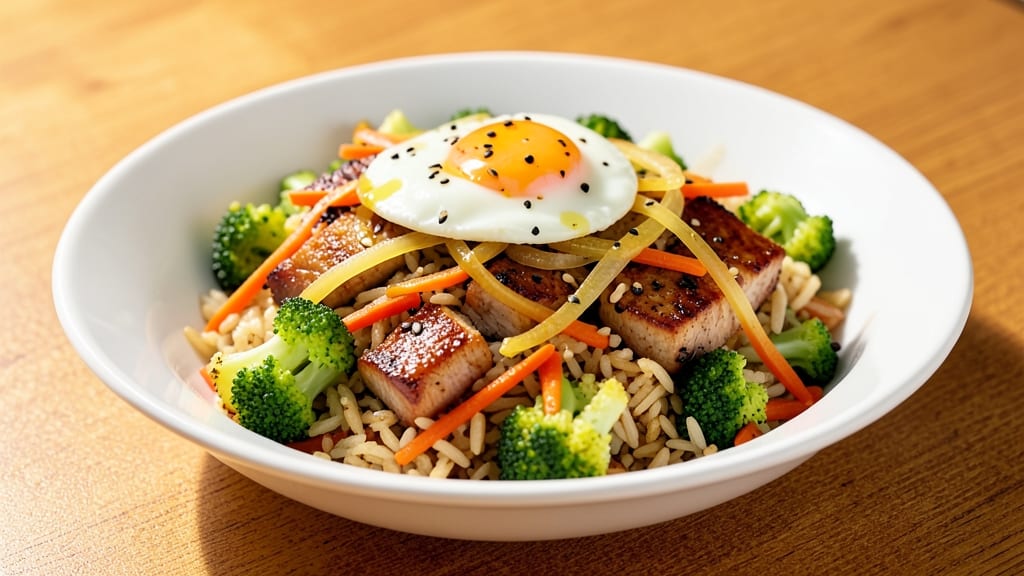
This cauliflower pork fried rice recipe delivers the perfect balance of crispy rice and tender pork bites—transforming a classic dish into a lighter yet equally satisfying meal.
The secret lies in perfectly seared pork pieces and riced cauliflower that soaks up the savory sauce without losing texture, creating a restaurant-quality result at home.
With just a few simple ingredients—crispy pork, aromatic vegetables, and a well-balanced sauce—you’ll achieve a dish that’s both authentic and adaptable. The key is high-heat stir-frying for that signature crispiness, while the cauliflower rice adds a satisfying bite and keeps the dish low-carb.
Ready in under 30 minutes, this recipe is perfect for weeknight dinners or meal prep.
Ingredients for cauliflower pork fried rice
Simple ingredients transform into restaurant-quality cauliflower pork fried rice with crispy pork and tender cauliflower.
| Ingredient | Amount | Notes |
|---|---|---|
| Boneless Pork Shoulder 🥩 | 1 lb | Cut into 1-inch cubes |
| Fresh Cauliflower 🥬 | 1 head | Riced or finely chopped |
| Long-Grain White Rice 🍚 | 1 ½ cups | Uncooked, jasmine preferred |
| Large Eggs 🥚 | 2 whole | Beaten for stir-fry |
| Yellow Onion 🧅 | 1 whole | Diced into 1/4-inch pieces |
| Carrots 🥕 | 2 medium | Julienned into matchsticks |
| Garlic Cloves 🧄 | 4 cloves | Minced for aromatic base |
| Fresh Ginger Root 🌿 | 2 tsp | Grated finely for zing |
| Low-Sodium Soy Sauce 🍶 | 3 tbsp | Kikkoman preferred |
| Sesame Oil 🫒 | 1 tbsp | Toasted for aroma |
| Vegetable Oil 🫒 | 3 tbsp | High smoke point |
| Green Onions 🧅 | 3 whole | Sliced for garnish |
| Salt 🧂 | ½ tsp | Diamond Crystal preferred |
| Black Pepper 🌶️ | ¼ tsp | Freshly ground |
The pork shoulder is key—look for well-marbled cuts at the butcher counter for maximum tenderness. Costco or Whole Foods carry excellent quality, or use pre-cut pork cubes if short on time. Fresh cauliflower should be firm with no yellowing; Trader Joe's often has organic heads at a good price. For the rice, jasmine offers that classic fragrant profile, but basmati works too. The eggs should be cold from the fridge when beaten to prevent scrambling during stir-fry.
No pork shoulder? Chicken thighs work well as a substitute, but trim excess fat. Substitute cauliflower with shredded cabbage if needed, though texture will differ slightly. For the soy sauce, low-sodium versions prevent over-salting, though regular works if reduced later. The ginger can be swapped for 1 tsp ground ginger in a pinch, though fresh is preferred. If you're sensitive to sesame oil's flavor, toasted peanut oil offers a similar nutty profile.
Prep the pork and cauliflower ahead—they keep 2 days in the fridge when refrigerated separately. The cooked rice reheats beautifully; store in an airtight container for 4 days or freeze for 3 months. For meal prep, portion into individual containers with a drizzle of sesame oil. The dish tastes even better the next day as flavors meld—double the batch if possible.
Why You'll Love This Recipe
- One-Pan Magic: I swear by this trick—just toss everything onto one hot skillet after the rice is cooked. No extra dishes, no stress, and that caramelized pork smell? Instant mood booster.
- Creamy Crunch Combo: The cauliflower adds this unexpected texture—soft florets with a slight crunch—that balances the chewy pork and fluffy rice. Honestly, it’s the kind of contrast that makes you go back for seconds without trying.
- Leftover Hero: This dish actually improves the next day. The flavors meld even better, and you can reheat it straight from the fridge—no soggy rice here. I’ve packed it for lunches, and my coworkers keep asking for the recipe.
- Budget Win: Pork shoulder is cheap, cauliflower stretches the rice, and eggs bulk it up. Between us, this feeds four for under $10, and you’ll still feel like you’re eating at a restaurant. Not the prettiest, but the taste makes up for it.
Step-by-step instructions for cauliflower pork fried rice
Master this technique and you'll achieve perfectly crispy rice with tender pork bites every time.
Prepare the Pork and Rice Base
Cut the 1 lb boneless pork shoulder into 1-inch cubes and set aside. For the rice, spread the 1.5 cups uncooked long-grain white rice on a baking sheet and toast in a 375°F oven for 10 minutes, stirring halfway. This step develops nutty flavors and prevents mushy rice. The rice should be fragrant and slightly golden when done.
While the rice toasts, heat 1 tablespoon vegetable oil in a large skillet over medium-high heat. Add the pork cubes and cook for 5-6 minutes until they develop a golden crust. The pork should release easily from the pan when ready to flip - this ensures maximum tenderness later. Remove the pork and set aside with the rice.
Build the Aromatic Base
In the same skillet, add 2 tablespoons vegetable oil and heat over medium heat. Add the 1 whole yellow onion (diced), 2 medium carrots (julienned), 4 cloves garlic (minced), and 2 teaspoons fresh ginger (grated). Cook for 4-5 minutes until the vegetables soften and the garlic becomes fragrant.
Here's where the flavor foundation happens: the vegetables should release their moisture and caramelize slightly. If they stick, reduce heat briefly - you want color, not burning. The mixture should smell sweet and savory when properly cooked.
Combine All Ingredients
Return the pork to the skillet and add the toasted rice, 3 tablespoons low-sodium soy sauce, 0.5 teaspoon salt, and 0.25 teaspoon black pepper. Stir-fry over high heat for 3-4 minutes, breaking up any rice clumps. The rice should begin to crisp at the edges while remaining tender in the center.
Push the mixture to one side of the pan and add 1 tablespoon sesame oil. Pour the 2 whole beaten eggs into the empty space and scramble quickly until just set. Immediately mix everything together, coating each grain of rice with egg and sauce. This creates the signature crispy texture while keeping the pork moist.
Finish with Fresh Herbs
Continue cooking for 2-3 minutes until the rice is evenly crispy around the edges but still tender when pierced with a fork. The pork should be fully cooked with no pink remaining. Taste and adjust seasoning if needed - you may want to add a splash of water if the rice appears too dry.
Remove from heat and stir in the 3 whole green onions (sliced). The final dish should have visible crispy edges on the rice while maintaining a slightly sticky texture. Serve immediately while the rice is at its crispest and the pork remains tender.
Pro Tips For Making Cauliflower Pork Fried Rice
- PREP CAULIFLOWER RIGHT: Cut it into 1-inch florets before cooking, then give them a quick salt rub and let sit 10 minutes. This draws out moisture so they crisp instead of steaming—trust me, soggy cauliflower ruins the texture.
- FRY PORK IN BATCHES: Pork shoulder releases fat like a broken faucet. Cook it in 2-3 portions over medium-high heat, scraping the pan between batches. Crowd it, and you’ll end up with greasy rice instead of caramelized pork.
- USE DAY-OLD RICE: Fresh rice turns to glue. Spread leftover rice on a tray, chill 30 minutes, then break it up with your hands—it’ll be perfectly separate and absorb flavors like a sponge.
- SCRAMBLE EGGS FAST: Whisk eggs with 1 tsp soy sauce, then cook them in a cool pan with just enough oil to coat. Push them into a thin layer, let them set 10 seconds, then fold—you’ll get silky ribbons, not rubbery clumps.
Flavor customization for cauliflower pork fried rice
Spicy Kick
Add 1 tbsp gochujang (Korean chili paste) or ½ tsp red pepper flakes to the sauce for heat lovers. For a smoky twist, stir in ½ tsp smoked paprika with the soy sauce.
I like to balance the heat with 1 tsp honey—just enough to mellow the spice while keeping the dish vibrant. 🌶️
Umami Boost
Swap 1 tbsp soy sauce for oyster sauce> or fish sauce> to deepen the savory notes. For a vegetarian option, use 1 tbsp mushroom powder> mixed with water.
I find that adding 1 tsp white miso paste> to the sauce base adds a rich, fermented depth that pairs perfectly with the pork.
Sweet-Tangy Glaze
Create a quick glaze by mixing 1 tbsp rice vinegar> with 1 tsp honey> and drizzle it over the finished dish. This adds a bright contrast to the savory pork and crispy rice.
For extra tang, add ½ tsp sriracha> to the glaze. I love this variation because it cuts through the richness while keeping the dish balanced.
Herb-Infused Freshness
Finish with 1 tbsp chopped cilantro> or thai basil> for a fresh herbal note. For a more aromatic touch, add ½ tsp toasted cumin seeds> to the vegetable base.
I often garnish with limes wedges> on the side so guests can squeeze fresh juice over their portion—it’s a game-changer for brightness.
Creamy Twist
For a richer texture, stir in 2 tbsp coconut milk> or 1 tbsp cream cheese> at the end of cooking. This adds a subtle creaminess that contrasts beautifully with the crispy rice.
I recommend using full-fat coconut milk> for the best mouthfeel—it’s worth the extra few cents for the flavor difference.
Nutty Crunch
Top with 2 tbsp chopped peanuts> or toasted sesame seeds> for added texture. For a crunchier option, use crushed wasabi peas>—they pack a spicy kick and add a fun pop.
I like to toast the peanuts in the same pan as the pork for a few minutes to enhance their flavor before sprinkling them on top.
Nutrition facts
Frequently asked questions about cauliflower pork fried rice
Why toast the rice before cooking?
Toasting the rice first removes excess moisture and develops nutty flavors that prevent mushy texture. The 10-minute bake at 375°F creates crispy edges while keeping the center tender—this is the secret to restaurant-quality fried rice.
Can I use frozen cauliflower rice instead of fresh?
Yes, but thaw and drain it completely first—excess water makes the rice soggy. For best results, pat it dry with a paper towel before adding to the pan. Fresh riced cauliflower gives slightly better texture, but frozen works in a pinch.
How do I prevent the pork from drying out?
Cook the pork in 1-inch cubes until just golden (5-6 minutes) but still slightly underdone inside. The residual heat will finish cooking it when mixed with the hot rice. Avoid overcrowding the pan—work in batches if needed.
What's the best way to reheat leftovers?
Use a dry skillet over medium heat for 3-4 minutes, stirring constantly. Add 1 tsp water if needed to restore crispiness. Microwaving works but loses the crispy texture—this method keeps it authentic. Store leftovers in an airtight container for 4 days.
Can I make this gluten-free?
Use tamari or coconut aminos instead of soy sauce, and check labels on oyster sauce (if using). The rest of the ingredients are naturally gluten-free. For extra flavor, add 1 tsp fish sauce or mushroom powder to compensate for umami.