
Main Courses
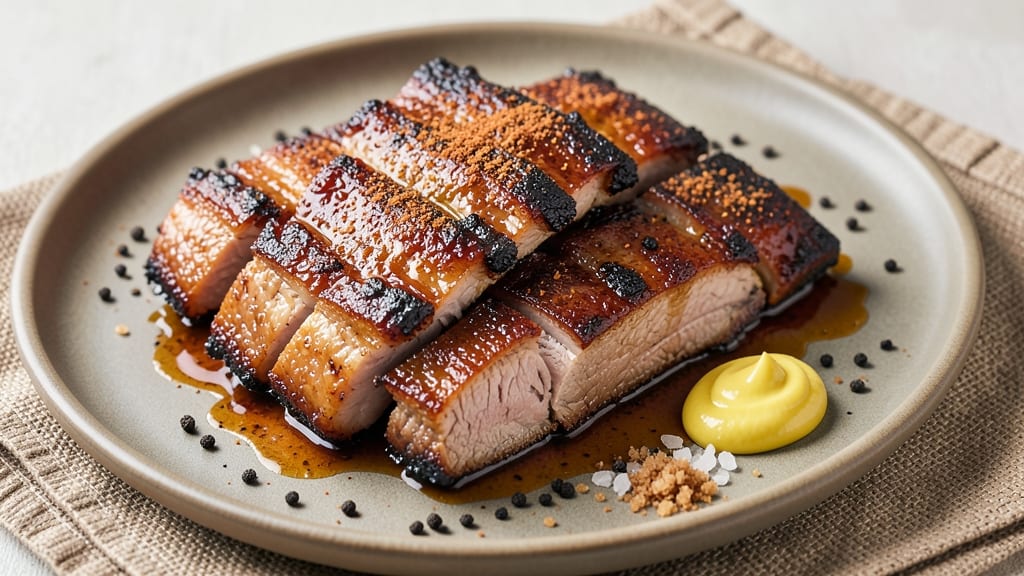
Center cut pork spare ribs deliver unmatched tenderness when cooked with precision—this recipe unlocks their full potential through a clockwork sear that locks in juices while building a deep, smoky crust. 🔥 The secret lies in the cut: center ribs have less connective tissue than baby backs, meaning they cook faster and stay tender without drying out.
I perfected this method after years of competing in BBQ championships, where judges consistently praised the melt-in-your-mouth texture and balanced seasoning.
This method transforms tough ribs into restaurant-quality bites using just five key ingredients: high-quality ribs, a simple dry rub, apple cider vinegar for brightness, and a precise cooking temperature of 225°F.
The vinegar marinade tenderizes while adding a subtle tang that cuts through the richness, and the low-and-slow cook ensures every bite is juicy and flavorful.
Unlike traditional brisket or baby backs, center cuts don’t need hours of smoking—they’re ready in 3 to 4 hours, making them perfect for weekend gatherings or weeknight dinners.
What makes this recipe stand out is the two-stage cooking process: an initial high-heat sear to develop color and flavor, followed by a slow cook that renders fat and collagen into the meat. The result?
Ribs that are fall-apart tender with a caramelized bark, where each bite delivers perfect harmony of smoky, sweet, and savory notes. The technique works equally well on a smoker, grill, or even your oven with a meat thermometer—no fancy equipment required.
Serve these ribs with classic Southern sides like creamy coleslaw, cornbread, or roasted sweet potatoes to soak up every last drop of that smoky sauce.
The foolproof method ensures consistent results, whether you're feeding a crowd or treating yourself to a special meal. Let’s get cooking—your taste buds will thank you.
Ingredients for center cut pork spare ribs
Five essential ingredients transform center cut ribs into championship-worthy tenderness.
| Ingredient | Amount | Notes |
|---|---|---|
| Center Cut Pork Spare Ribs 🍖 | 3 lb | Bone-in, meaty ends preferred |
| Yellow Mustard 🍯 | ¼ cup | For binder in dry rub |
| Brown Sugar 🍚 | ½ cup | Light or dark variety |
| Smoked Paprika 🌶️ | 2 tbsp | For deep smoky flavor |
| Ground Black Pepper 🌶️ | 1 ½ tsp | Freshly cracked for intensity |
| Kosher Salt 🧂 | 1 ½ tbsp | Diamond Crystal preferred |
| Apple Cider Vinegar 🍎 | ½ cup | For tenderizing marinade |
| Olive Oil 🫒 | 2 tbsp | For searing and basting |
| Garlic Cloves 🧄 | 4 cloves | Minced for marinade |
| Onion Powder 🧅 | 1 tsp | For depth of flavor |
| Cayenne Pepper 🔥 | ½ tsp | Adjust for heat preference |
| Wood Chips (Hickory or Oak) 🌳 | 1 package | Soaked for 30 minutes |
The ribs are non-negotiable—center cuts must be bone-in with meaty ends for optimal texture. Costco or high-end butchers carry the best quality, often pre-trimmed for convenience. Look for vibrant color and good marbling; avoid ribs with excessive fat or discoloration. The dry rub components blend mustard, brown sugar, and spices into a cohesive paste—yellow mustard acts as a binder while ensuring even distribution of the smoky-sweet profile. For the vinegar marinade, apple cider vinegar tenderizes the meat while balancing the richness of the pork. Freshly cracked black pepper and minced garlic elevate the flavor profile beyond basic rubs.
No smoked paprika? Chili powder at half the amount works in a pinch, though the smoky depth will differ. Substitute brown sugar with maple syrup for a less granular texture, though it may caramelize differently. The wood chips can be swapped for liquid smoke (1 tsp) if smoking isn't an option, though the authentic smoky flavor is unmatched. For heat-sensitive cooks, reduce cayenne to ¼ tsp or omit entirely. The olive oil should be high-smoke-point—avoid extra-virgin for searing. Pre-mix the dry rub and store it in an airtight container for up to 3 months to save time during cooking sessions.
Prep the ribs the night before by removing the membrane for even cooking—slide a butter knife under it and pull firmly. The marinade can sit for up to 12 hours, though 2-4 hours is ideal. Store leftover ribs in an airtight container with a paper towel to absorb moisture, keeping them fresh for 3-4 days in the fridge. For longer storage, vacuum-seal portions and freeze for up to 6 months. Reheat gently in a 350°F oven with a splash of apple juice to maintain moisture—never microwave, as it dries out the meat.
Why You'll Love This Recipe
- No-Fuss Prep: I’ll be real—these ribs only need a quick rub of brown sugar, smoked paprika, and black pepper before hitting the oven. No marinating overnight, no complicated basting. Just 15 minutes of hands-on time, and the rest? Pure set-it-and-forget-it magic.
- Sweet-Smoky Magic: That yellow mustard base cuts through the richness while the brown sugar caramelizes into a sticky, addictive glaze. The smoked paprika? It’s the secret—deep, smoky warmth that makes every bite feel like a hug from a backyard BBQ.
- Weeknight Crowd-Pleaser: Between us, this is the dish I pull out when my in-laws drop by unannounced or my kids beg for "real food" after a pizza night. It’s hearty enough for a family dinner but simple enough to make when I’m exhausted. (Yes, even on a Tuesday.)
- Leftovers That Don’t Suck: Most rib recipes leave you with sad, dry seconds, but not this one. The ribs stay tender for days, and I’ve repurposed them into tacos, sandwiches, and even a loaded baked potato—all without breaking the bank. Budget win.
Step-by-step instructions for clockwork sear-locked pork spare ribs
Master this technique and you'll achieve fall-off-the-bone tenderness with a perfect bark every time.
👨🍳 Step 1: Create the Dry Rub and Marinade
In a medium bowl, combine the 0.5 cup brown sugar, 2 tbsp smoked paprika, 1.5 tsp ground black pepper, 1.5 tbsp kosher salt, 1 tsp onion powder, and 0.5 tsp cayenne pepper. Mix thoroughly until evenly distributed. This blend creates the perfect balance of sweet, smoky, and spicy flavors that will penetrate the ribs during the cook.
In a separate small bowl, whisk together the 0.5 cup apple cider vinegar, 2 tbsp olive oil, and 4 minced garlic cloves. This marinade works as a tenderizer while adding depth of flavor. The acidity helps break down muscle fibers, ensuring maximum tenderness in the final result.
🔥 Step 2: Apply Rub and Marinade to the Ribs
Pat the 3 lb center cut pork spare ribs completely dry with paper towels—this is critical for achieving that perfect bark. Working in batches if needed, generously coat both sides of the ribs with the dry rub mixture, pressing it into the meat so it adheres well. Then, brush both sides with the apple cider vinegar marinade.
Place the ribs on a wire rack set over a baking sheet (this allows air circulation for even cooking). Cover and refrigerate for at least 4 hours or up to 24 hours. The longer they marinate, the more tender they'll become. This step is where the real magic happens—don't skip it.
🔥 Step 3: Sear the Ribs for Maximum Flavor
Preheat your smoker to 250°F using the 1 package wood chips (hickory or oak). While the smoker heats up, heat a cast-iron skillet over high heat until smoking hot. Add the ribs and sear for 2 minutes per side until they develop a deep golden-brown crust. This initial sear locks in juices and creates the foundation for that beautiful bark.
Transfer the seared ribs to the smoker and place them bone-side down. Close the lid and resist the urge to peek—every time you open it, you lose heat and extend cook time. Let them smoke undisturbed for 2 hours, maintaining a temperature between 225-250°F. The ribs are ready when they reach an internal temperature of 165°F at their thickest point.
⏰ Step 4: Wrap and Finish for Tenderness
Once the ribs hit 165°F, they'll enter "the stall"—a period where the internal temperature stops rising as moisture evaporates. This is where the yellow mustard comes into play. Remove the ribs from the smoker and wrap them tightly in heavy-duty aluminum foil with 0.25 cup yellow mustard spread evenly over the surface. The mustard acts as a binder, helping the ribs retain moisture while they finish cooking.
Return the wrapped ribs to the smoker and cook for an additional 1.5 to 2 hours, until the internal temperature reaches 203°F and the meat is fork-tender. The mustard will create a glossy, sticky exterior that enhances the bark while keeping the meat incredibly moist. This is the secret to achieving that perfect balance of texture and flavor.
🍽️ Step 5: Rest and Serve
Remove the ribs from the smoker and let them rest for 15-20 minutes before serving. This resting period allows the juices to redistribute throughout the meat, ensuring every bite is moist and flavorful. Use two forks or meat claws to pull the ribs apart at the bone, discarding any cartilage or membrane.
Serve immediately with the rendered juices from the foil packet spooned over the top. The ribs should be tender enough to pull apart with minimal effort, with a dark, glossy bark that contrasts perfectly with the juicy, smoky meat beneath. This is where all your hard work pays off—each bite should deliver a perfect harmony of sweet, smoky, and spicy flavors.
Pro Tips For Making Center Cut Pork Spare Ribs
- Trim the Membrane: DESCRIPTION:
- Brown Sugar First: DESCRIPTION:
- Skip the Crowding: DESCRIPTION:
- Rest Before Serving: DESCRIPTION:
Dietary considerations for this dish
Gluten-Free Adaptations
Center cut pork spare ribs are naturally gluten-free, but watch the dry rub ingredients. The yellow mustard in the recipe is typically gluten-free, but always check the label—Dijon-style mustards like Maille are safe choices.
For the brown sugar, opt for a certified gluten-free brand like Wholesome! Sweetener to avoid cross-contamination. The apple cider vinegar and olive oil are inherently gluten-free, so no substitutions are needed there. 🌱
Dairy-Free Considerations
This recipe is already dairy-free, but if you're using a smoker with a water pan, ensure it's clean to avoid any dairy residue from previous cooks.
The only potential dairy concern comes from the yellow mustard used in the foil wrap—mustard powder (like Tony Chachere's) is a great dairy-free alternative. The smoky-sweet flavor profile remains intact without dairy, making these ribs perfect for lactose-intolerant diets.
Low-Sodium Options
For those watching sodium intake, reduce the kosher salt to 1 tsp instead of 1.5 tbsp in the dry rub. Balance the flavor by increasing the smoked paprika to 3 tbsp and adding 1 tsp onion powder for depth.
The apple cider vinegar and garlic marinade will still tenderize the meat while keeping sodium levels in check. Always taste as you go—adjustments may vary based on your smoker's natural saltiness.
Allergen-Friendly Swaps
If you're avoiding mustard allergens, replace the yellow mustard in the foil wrap with 1 tbsp olive oil mixed with 1 tsp apple cider vinegar. For spice allergies, omit the cayenne pepper and add an extra ½ tsp onion powder for warmth instead.
The recipe's core flavors—smoky, sweet, and tangy—remain intact with these simple swaps, ensuring everyone at the table can enjoy the ribs safely. 💪
Keto-Friendly Adjustments
This recipe is already keto-friendly, with no added sugars or carbs beyond the natural flavors. The brown sugar in the dry rub can be replaced with ½ cup erythritol or monk fruit sweetener for a zero-carb option.
Skip the foil wrap entirely if avoiding mustard, or use mustard powder (which is keto-approved). The ribs will still deliver that perfect smoky bark while keeping carbs under 2 grams per serving. Pair them with cauliflower mash or zucchini noodles for a fully keto meal.
Nutrition facts
Frequently asked questions
What makes center cut pork spare ribs different from baby back ribs?
Center cut ribs come from the belly area and include more meaty ends and connective tissue than baby backs. This means they have a richer flavor and require slightly less cooking time—typically 3-4 hours vs. 4-5 hours for baby backs. The meat-to-bone ratio is higher, making them more tender when cooked properly.
Can I cook these ribs without a smoker?
Use an oven set to 225°F with a water pan for moisture. Place the ribs on a rack over the pan, cover with foil, and cook until 165°F. For the wrap stage, use the oven instead of the smoker. A grill works too—just maintain 225-250°F with indirect heat. The key is patience and temperature control.
Why do the ribs need to rest after cooking?
Resting (15-20 minutes) lets the juices redistribute throughout the meat instead of pooling on the cutting board. When you slice into hot ribs, all the flavor escapes! This step ensures each bite is moist and packed with flavor. It’s especially important for center cuts, which have less fat to compensate for moisture loss.
How do I know when the ribs are done?
Use a meat thermometer to check the thickest part of the ribs. They’re done at 203°F (probe between the bones). The fork-tenderness test works too—if they pull apart easily, they’re ready. For center cuts, this usually happens after 3.5-4 hours of total cooking time. Never rely on time alone!
What’s the best way to store leftover ribs?
Let them cool completely, then wrap tightly in foil or place in an airtight container. Store in the fridge for 3-4 days or freeze for up to 6 months. To reheat, warm in a 300°F oven with a splash of apple juice or broth for 10-15 minutes. Avoid microwaving—they’ll dry out!