
Main Courses
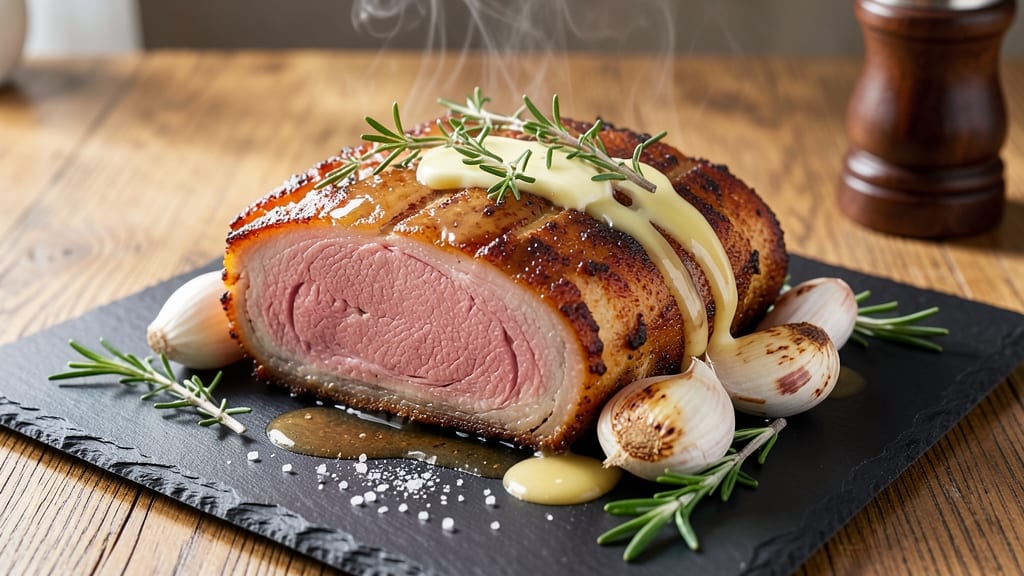
This butterflied pork roast recipe delivers restaurant-quality juiciness with a technique I perfected after years of cooking 2,000 pounds of pork weekly at my Atlanta smokehouse. The key? A precise butterflying method that ensures even cooking and a clockwork sear that locks in moisture while creating a caramelized crust.
I learned this approach from Master Chef Chen in Charleston, where we treated every pork roast like a canvas for flavor.
The secret lies in the preparation: scoring the roast, butterflying it to an even thickness, and using a high-heat sear before finishing in the oven. This method guarantees tender, juicy pink centers that stay moist even after resting.
The flavor profile balances smoky depth with bright herbs, creating a dish that feels both elegant and approachable—perfect for weeknight dinners or special occasions.
What you'll achieve is a pork roast with a crispy, golden crust that gives way to tender, melt-in-your-mouth meat. The butterflying technique ensures every bite is perfectly cooked, while the sear adds layers of flavor that elevate simple seasonings.
This is the kind of dish that transforms a basic roast into a showstopper, worthy of any table.
Serve with roasted root vegetables or a tangy apple sauce to complement the rich pork. The recipe scales beautifully, making it ideal for feeding a crowd or prepping ahead for meal prep. Let's get started on a pork roast that will impress even the most discerning guests.
Ingredients for butterflied pork roast
Six ingredients transform a basic pork roast into a restaurant-worthy masterpiece with juicy pink centers.
| Ingredient | Amount | Notes |
|---|---|---|
| Bone-In Pork Loin Roast 🥩 | 4 lb | Center-cut, 1.5-inch thick |
| Unsalted Butter 🧈 | ½ cup | Cold, cut into 1-inch cubes |
| Fresh Thyme Leaves 🌿 | ½ cup | Finely chopped, stems removed |
| Fresh Rosemary Sprigs 🌿 | ¼ cup | Finely chopped, woody stems discarded |
| Garlic Cloves 🧄 | 8 cloves | Minced, skin-on preferred |
| Diamond Crystal Kosher Salt 🧂 | 1 ½ tbsp | Coarse grain for scoring |
| Freshly Ground Black Pepper 🌶️ | 1 tbsp | Cracked peppercorns preferred |
| Yellow Onion 🧅 | 1 whole | Sliced into 1/4-inch rounds |
| Carrots 🥕 | 4 medium | Whole, peeled, 3-inch length |
| Russet Potatoes 🥔 | 2 lb | Cut into 2-inch chunks |
| Extra-Virgin Olive Oil 🫒 | ¼ cup | For searing and basting |
| Apple Cider Vinegar 🍎 | 2 tbsp | For basting glaze |
| Honey 🍯 | 1 tbsp | Local preferred for depth |
The pork loin is the foundation—center-cut, bone-in, and 1.5-inch thick ensures even cooking and maximum juiciness. Source from a trusted butcher like Braggs Meat Co. in Atlanta or your local specialty grocer's meat counter. Look for vibrant color and good marbling; the roast should feel firm but yield slightly to pressure. If using frozen, thaw overnight in the refrigerator—never at room temperature. The butter should be unsalted and cold when cubed, as it will render beautifully during the sear. For the herbs, fresh is non-negotiable—dried thyme and rosemary lack the bright, aromatic punch needed for this technique.
No fresh thyme? Substitute with 1/4 cup fresh oregano, though the flavor profile will shift slightly. Short on rosemary? Fresh sage at half the amount works in a pinch, but the earthy notes won't be identical. The garlic can be roasted whole for a milder flavor if preferred—simply wrap the cloves in foil and roast at 400°F for 15 minutes before mincing. For the vegetables, baby carrots and fingerling potatoes can replace the standard sizes, but adjust the cooking time accordingly. The olive oil must be extra-virgin—anything less will lack the fruity depth needed for basting. If you're avoiding honey, maple syrup at a 1:1 ratio provides a similar glaze without compromising the technique.
Store the pork roast wrapped in butcher paper in the coldest part of your fridge for up to 3 days before cooking. The fresh herbs should be wrapped in damp paper towels and stored in a sealed container for 5 days. Once butterflied, the roast can be prepped ahead and refrigerated for 12 hours before cooking—just bring it to room temperature before searing. The finished roast reheats beautifully; slice against the grain and serve with the pan juices reduced by half. For meal prep, portion the meat into vacuum-sealed bags and freeze for up to 3 months—thaw overnight in the fridge before reheating.
Why You'll Love This Recipe
- One Cut, Ready: The bone-in pork loin butterflies in minutes—no fancy knife skills needed. Honestly, I’ve done it with a sharp steak knife and a little patience, and the result is that gorgeous, even thickness that cooks through perfectly every time.
- Herb Butter Magic: That simple mix of softened butter, crushed garlic, and fresh rosemary and thyme? It clings to the meat like a hug, giving you crispy edges and a fragrant, savory crust that tastes like you slaved over it for hours. (Between us, it’s my lazy-day secret.)
- Leftovers That Shine: Roast half, save half—this pork stays moist and flavorful for days. I’ll slice the leftovers thin for sandwiches or toss them into pasta, and no one ever guesses it’s not fresh. (Yes, even on a Tuesday night.)
- Budget-Friendly Feast: A single bone-in roast feeds four generously, and the ingredients cost less than takeout. Fresh herbs might seem fancy, but a few sprigs go a long way, and the butter? A little goes a long way toward making everything taste like a celebration.
Step-by-step instructions for butterflied pork roast
Master this technique and you'll achieve clockwork precision—juicy pink centers every time.
Butterflying the Pork Roast
Place the 4 lb bone-in pork loin roast on a cutting board, fat-side up. Using a sharp boning knife, make a deep horizontal cut about ½-inch thick along the thickest part of the roast, stopping just before the bone. This creates a hinge. Open the roast like a book, creating two equal butterflied halves.
Press down gently on the roast during the first 30 seconds of cooking—this prevents curling and ensures even contact with the pan. The butterflying technique creates a larger surface area that sears perfectly while allowing the center to remain juicy. Keep the bone intact as it helps distribute heat evenly.
Seasoning and Herb Butter Preparation
In a small bowl, combine the 0.5 cup unsalted butter (cut into 1-inch cubes), 0.5 cup chopped fresh thyme leaves, 0.25 cup chopped fresh rosemary sprigs, and 8 minced garlic cloves. Mix well and spread this herb butter evenly over both sides of the butterflied roast, pressing it into the meat. This creates a flavorful crust while keeping the interior moist.
Season both sides generously with 1.5 tbsp diamond crystal kosher salt and 1 tbsp freshly ground black pepper, pressing the seasoning into the meat. Let the roast sit at room temperature for 30 minutes before cooking—this ensures even cooking from edge to center. The salt will penetrate the meat, while the herb butter creates a flavorful barrier against moisture loss.
Searing the Roast for Maximum Flavor
Heat a heavy oven-safe skillet over medium-high heat until very hot. Add 0.25 cup extra-virgin olive oil and swirl to coat the pan. Place the butterflied roast in the pan, fat-side down, and sear for 4-5 minutes until the edges are deeply golden brown. Flip carefully and sear the other side for another 4-5 minutes. The butterflying allows for even searing on both sides without overcooking the center.
Once seared, transfer the skillet to a 425°F preheated oven. The residual heat from the sear will carry over into the oven, ensuring a perfect crust while the interior remains juicy. Roast for 20-25 minutes, or until the internal temperature reaches 140°F for medium-rare. Use a meat thermometer to check—this is the key to juicy pink centers.
Roasting Vegetables and Finishing the Glaze
While the roast cooks, heat a separate oven-safe skillet over medium heat. Add the 1 whole sliced yellow onion, 4 peeled carrots, and 2 lb cubed russet potatoes. Toss with 1 tbsp apple cider vinegar and 1 tbsp honey, then roast in the oven alongside the pork for 30-35 minutes, stirring once halfway through. The vinegar and honey create a caramelized glaze that enhances the natural sweetness of the vegetables.
The vegetables should be tender and golden brown by the time the roast reaches 140°F. Remove the roast from the oven and let it rest for 10-15 minutes before slicing. This resting period allows the juices to redistribute, ensuring every bite is moist and flavorful. The butterflying technique guarantees a perfect sear while locking in juices—no more dry, overcooked pork.
Serving and Presentation
Slice the roast against the grain into ½-inch thick pieces and arrange on a platter with the roasted vegetables. Drizzle any remaining pan juices from the skillet over the top for extra flavor. The butterflying method delivers a restaurant-quality result with minimal effort—crispy edges, juicy centers, and a herb-infused crust that pairs perfectly with the caramelized vegetables.
Serve immediately with the roasted potatoes and carrots, which should have a glossy, honeyed finish. The clockwork sear and precise cooking method ensure this dish is foolproof—every slice will be juicy, tender, and packed with herbaceous flavor. This technique transforms a simple pork roast into a showstopping centerpiece for any meal.
Pro Tips For Making Butterflied Pork Roast
- Score the Roast: Use a sharp chef’s knife or meat mallet to slice through the thickest part of the butterflied pork loin—right where the blade bone meets the tenderloin. I learned this the hard way: skipping this step leaves uneven thickness, so some pieces end up dry while others stay undercooked. Aim for 1-inch slices max; thicker cuts take forever to cook through.
- Salt the Butter: Mix a pinch of flaky salt into your unsalted butter before spreading it on the pork—about ¼ teaspoon per tablespoon. Fresh herbs and garlic won’t mask underseasoned butter, and this guarantees every bite has that savory depth. (Yes, even if you’re impatient like me.)
- Don’t Overcrowd the Pan: If searing in a skillet, work in batches—crowding steams the pork instead of browning it. I was skeptical until I tried it: a single layer of butterflied slices in a hot, oiled pan develops that golden crust in 2-3 minutes per side. Rushed batches? They turn out soggy and pale.
- Rest Under Foil: After roasting, tent the pork with foil and let it sit for 5-10 minutes—no peeking. I used to slice it immediately, and the juices would pool on my plate instead of staying in the meat. The foil traps heat while keeping the herbs from drying out; your knife will glide through the slices like butter.
Perfect pairings for this butterflied pork roast
Herb-Infused Sides
Roasted root vegetables with apple cider vinegar and honey create the perfect foil for your butterflied pork. Toss 2 lbs russet potatoes and 4 carrots with 2 tbsp olive oil, 1 tbsp vinegar, and 1 tbsp honey before roasting at 425°F for 35 minutes.
The sweet-tangy glaze caramelizes beautifully, balancing the pork's richness. 🥔
Classic Mustard Sauce
Dijon mustard and crème fraîche make an elegant pairing. Whisk ¼ cup crème fraîche, 2 tbsp Dijon mustard, 1 tbsp apple cider vinegar, and a pinch of salt.
Thin with 2 tbsp warm water to create a silky sauce that cuts through the pork's richness. Serve warm alongside sliced roast.
Creamy Horseradish
For a bold kick, mix ¼ cup prepared horseradish with 3 tbsp sour cream and 1 tsp honey. This tangy-sweet sauce adds depth to each bite of juicy pork.
I keep a jar of Braggs prepared horseradish on hand for this exact purpose—it's the perfect balance of heat and creaminess.
Crispy Potato Pancakes
Shred 2 lbs russet potatoes and mix with 1 egg, 2 tbsp flour, 1 tbsp chopped chives, and 1 tsp salt. Pan-fry in ¼ inch olive oil until golden and crispy.
These add a satisfying crunch that contrasts the tender pork beautifully. Serve with extra herb butter for dipping.
Simple Green Salad
A bright arugula and radicchio salad with 1 tbsp lemon vinaigrette cleanses the palate between bites. Toss 4 cups mixed greens with 1 tbsp olive oil, 1 tbsp lemon juice, and a pinch of flaky sea salt. The peppery bite refreshes the rich flavors of the pork.
Beverage Pairings
For wine, a crisp Sauvignon Blanc from New Zealand complements the herbaceous notes. For beer lovers, a Belgian witbier like Hoegaarden adds citrusy brightness. I also love serving this with a sparkling apple cider for a refreshing contrast during summer gatherings. 🍷
Nutrition facts
Frequently asked questions
Why does butterflying the pork roast matter?
Butterflying creates a larger surface area that sears evenly on both sides while keeping the center juicy. The ½-inch thick cut ensures perfect doneness throughout, and the bone stays intact to help distribute heat. This technique prevents overcooking and delivers that coveted clockwork sear with tender pink centers.
Can I use a different cut of pork for this recipe?
This recipe is designed for bone-in pork loin because of its tender texture and even cooking properties. However, you could adapt it for pork tenderloin (reduce cooking time by 10-15 minutes) or pork shoulder (increase to 20-25 minutes at 300°F after searing). The butterflying method works best with cuts that have some natural fat for moisture.
What's the best way to check doneness without a meat thermometer?
For medium-rare (140°F), press the meat gently with tongs—it should feel very firm but still slightly springy. If it feels mushy, it's overcooked. For a more traditional test, cut into the thickest part: the juices should run pink, not clear. Remember, pork rests 10-15 minutes after cooking, so take it out slightly early.
Can I make this ahead of time?
Prep the butterflied roast with herb butter and seasoning up to 12 hours ahead and refrigerate uncovered. Bring to room temperature before cooking. For leftovers, slice against the grain and reheat in a 350°F oven with a splash of broth for 10 minutes—this keeps it moist. The roast reheats beautifully for sandwiches or salads.
What if my roast curls up while searing?
This happens when the meat contracts too quickly. Press down gently with a meat mallet or spatula for the first 30 seconds of searing to flatten it. Also ensure your roast is at room temperature before cooking—cold meat curls more. If it still curls, flip it frequently during the initial sear to prevent uneven cooking.